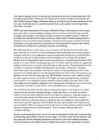
Norman conquest of England Eleri Pärna Form 10 Kanepi Gymnasium 2011 Reasons English king Edward the confessor died, leaving no children. William the Duke of Normandy said that Edward had promised him to be the next king. But Harold (other relative)the AngloSaxon earl , was chosen to be king. Norman conquest began on 28 September 1066 with the invasion of England by William, Duke of Normandy. The battle of Hasting Was beginning of Norman conquest. Took place14th of Oktober in 1066. Between the Normans and the AngloSaxons. King Harold was killed. To sum up... The Norman Conquest was the last successful invasion of England by a foreign claimant.
He had to give them land and protection. William faced serious resistance in his early years as king. The people of northern England, helped by Danish force, revolted in 1069. William crushed this rising mercilessly. But stories were later written about Hereward the Wake, a heroic Saxon rebel, who resisted the Normans in the Isle of Ely, Cambridgeshire. The Normans built many stone churches, including St. Bartholomew-the-Great in London. Norman churches and castles had thick walls, huge columns, and round-headed arches. An early type of Norman castle was a motte and bailey. This type of castle consisted of an artificial mound (the motte) surmounted by a wooden tower and enclosed by moat and stockade (the bailey). Later, the Normans built great stone towers called keeps. The Normans built nearly a hundred castles during William's reign. In 1086, William ordered a land survey for tax purposes. He sent a team of people all
Anglo-norman period (1066-1300) The normans · The name derives from "the Northmen" · Descendants of the Vikings · Seized the north-western part of France · The area known as Normandy · Adopted French customs and Christianity · Norman-French (their version of French). 1066 · Edward the Confessor dies in January · Harold Godwinson crowned as king in Westminster Abbey on the same day · Another candidate for the throne William, Duke of Normandy · Gathered an army · Invasion delayed (bad weather) · Harald, king of Norway, invades England from the North · A battle at Stamford Bridge · Harald's army defeated, leaders killed
For over three centuries Western Europe was raided by the Vikings. The Vikings who had settled down in England had mixed with the Anglo-Saxons. They lived under the rule of the English kings. In the 9th century a territory in northern France was conquered by another branch of the Vikings. That territory was called Normandy. They took over the French coustoms,traditions and language. The Normans lived under the rule of their own duke. By the 11th century the dukes of Normandy had become very powerful. Altought the kinf of France was their lord, they were very independent. William was the Duke of Normandy when the English king Edwar died. William had promised him that he'll be the next king. But there was another relative , Harold, who wanted to be king too. William wanted to start a war. Knights from all over the France were invited to his army.Harold was killed in the battle and the English were defeated. The Battle of Hastings was the ...
Vikings and Norman invasion, Jorvik Centre in York Who were normans? · They were descended from norse vikings. · Norman means norseman or viking. · They played a major political, military, and cultural role in medieval Europe. Invasion to England · The Norman conquest of England began on 28 September 1066 with the invasion of England by William, Duke of Normandy. · The Norman conquest largely removed the native ruling class, replacing it with a foreign, French-speaking monarchy. Battle of Hastings · The Battle of Hastings occurred on 14 October 1066. · Norman-French army was lead by Duke William II and the English army was lead by King Harold II. · The famous Bayeux Tapestry depicts the events before and during the battle. Bayeux Tapestry Jorvik Centre in York · Jorvik Centre in York is a museum and visitor attraction.
Very rarely it happens so that you can pick up a non-fiction book from a concrete field and it will be making almost perfect sense to you even though you're neither working nor educated in that field. Donald Norman's Design of Everyday Things is that kind of book. It reads effortlessly, for the most part, it entertains and for a non-fictional book, that's a rare quality; but most importantly, meanwhile, it educates. DOET, very aptly renamed from Psychology of Everyday Things, while having its shortcomings, goes a great mile towards providing a starting point for newcomers in the field, quite concisely summing up humankind's experiences in design, common errors and best practices, while also
Britain History Pre-Norman Britain The Iberians brought their metal-working skills and the first real civilization to Britain in the third millennium B.C and were overrun by various Celtic invasions that began in the 8th century. The Celts introduced their tribal organization and an early form of agriculture before they were forced westward by the Roman invasion. Forms of Celtic language are still spoken in Britain. Romans (with Julius Caesar in the head of them) first tried to occupy Britain in 55 B.C
The early middle ages The Norman Conquest Since William was crowned king, there were many rebellions against the Normans. A small Norman army marched from village to village and destroyed the ones it couldn't control. The Normans took away the Saxon lords' land. Only a few Saxons who supported William could keep their land. Feudalism William gave parts of his conquered land to his captains around the country to avoid rebellions and uprisings. He also kept some land to himself to make sure his was much stronger than his nobles. Of all the farmland half went to his nobles, quarter to church and fifth he kept to himself.
Mõne pala iseloomustamiseks olin lisanud enda märkmepaberile märksõnad : natuke masendav , kriiskav, tempokas, järsk ning vahetevahel veniv. Tuuba ja tromboon lisasid siiski vürtsi juurde. Kontsert oli üllatavalt lühike, see tundus mulle harjumatu ning nimetasin kontserdi enda jaoks ümber minikontserdiks. Kava Air de Bravoure(Andre Jolivet) Aarne Ots Trompetikontsert(Aleksander Arutjunjan) Norman Verte Kontsertiino nr 21(Julien Porret) Marek Solomontsuk , klaveril Kaisa Laasik Sentimentaalne valss(Franz Schubert) Ingmar Nõmmann Neiu läheb tantsima , Minu isamajakene(rahvaviisid) Kaarel Taavet Saretok Muti metroo(Riho Päts) Andreas Kalvet Die Würde(Georg Philipp Telemann) Robert Lehtma Kavatiin(Karol Kurpinski) Laur Keller, klaveril Kaisa Laasik Anmut(Georg Philipp Telemann ) Jose Antonio Page Ramirez Cantabile et Scherzetto(Philippe Gaubert) Taavi Viljat
The Medieval period The Middle Ages began in 1066, when the Normans defeated Anglo-saxons at the Battle of Hastings. Now England had a Norman king William the Conquer. Norman kings ruled in England less than 100 years, during that time Normans brought England closer to the mainstream of European society. William introduced the feudalism. Under it, land was divided among noble overlords, or barons. Knights pledged their wealth and services to the overlords. In return overlords let them use their land. At the lowest end of the social scale were the serfs, peasants bound to the land. In 1154 the Norman time was at the end. In 1154 Henry II started to reign
William began the building of what is now termed as the White Tower ten years later. A rectangular stone keep of Caen stone, designed as an impregnable fortress and as an impressive and awesome demonstration of his power to the Londoners. With ramparts which were fifteen feet thick at the base and walls soaring ninety feet high, the dominating shadow of the Tower loomed forebodingly over the huddled wooden buildings of medieval London, a visible expression of Norman power. The White Tower consisted of three storeys and contains the austere Norman Chapel of St. John, which remains one of the best preserved examples of a Norman chapel in England. The present castle, now covering eighteen acres evolved around the Conqueror's keep, being added to by successive generations. The Tower of London in The 20th Century During the First World War eleven German spies were shot by firing squad in the Tower of London
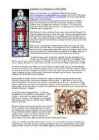
STUDY QUESTIONS ON CHAPTER 3 · Battle of Stamford Bridge 1066- Battle, that took place on Stamford Bridge between Norwegians who were led by Harald and England (king Harold Godwinson). During the battle many Norwegian leaders were killed. Norwegians lost the battle, and it is very often taken to mark the end of the Viking Age. · Battle of Hastings 1066- Occurred on 14th October 1066 during the Norman conquest of England, between the Norman-French army of William the Conqueror and the English army under king Harold II. During the battle Harold was killed and the Normans won. It was the end of Anglo-Saxon era. · Bayeux Tapestry- Embroidered cloth nearly 70m long, which depicts the events leading up to the Norman conquest of England concerning William, Duke of Normandy and Harold, Earl of Wessex, later king of England and culminating in the battle of Hastings.
Liiklusohutus Koostasid: Norman Peks Marko Illus Jürgen Oolep Liiklusohutus · Liiklusohutus tagatakse eelkõige hea liikluskultuuriga, mille tagavad vastutustundlikud, viisakad ja sõbralikud liiklejad. · Riigi ülesanne liiklusohutuse tagamisel on: · teede korrashoid · hea liikluskorralduse ja järelevalve tagamine · liiklusohutusprogrammide väljatöötamine · laste liikluskasvatuse tagamine. · Liiklusohutus tagatakse liikluseeskirjas sätestatud reeglite järgimisega. Liiklusohutuse meetmeid tutvustatakse liiklusohutuskampaaniate vormis. Turvavöö · Miks on vaja kasutada turvavööd? · Kelle jaoks on oluline turvavöö? Kõigile küsimustele saate vastused järgnevates klippides... Kiiver · Miks on oluline kiiver? · Kuidas kiivrit õigesti kasutada? · Mis liiki kiivreid on olemas? Kõigile nendele küsimustele saate vastused järgnevates klippidest... Ettevaatlikus ...
William the Bastard Early life about the bastard William I usually known as William the Conqueror and sometimes William the Bastard, he was the first Norman King of England. William was the son of the unmarried Robert I, Duke of Normandy, by Robert's mistress Herleva. During his childhood and adolescence, members of the Norman aristocracy battled each other, both for control of the child duke and for their own ends. About william the first In 1047 William was able to quash a rebellion and begin to establish his authority over the duchy, a process that was not complete until about 1060. His marriage in the 1050s to Matilda of Flanders provided him with a powerful ally in the neighbouring county of Flanders. By 1062 William was able to secure control
Castles and museums Cardiff castle Robert Fitzhamon built Cardiff castle. Cardiff Castle is one of Wales' leading heritage attractions and a site of international significance. During 2000 years of history, the Castle has been a Roman Garrison, a Norman stronghold and in Victorian times was transformed into a gothic fairytale fantasy. St Fagans St Fagans is an area in the west of the city of Cardiff, capital of Wales. To the south lies the village of Michaelston-super-Ely, and to the east the suburb of Fairwater. St Fagans lies on the River Ely, and previously had a railway station on the South Wales Main Line, and currently there is a level crossing. St. Fagans is home to St. Fagans Cricket Club. It is home to St
History of Great Britain Prehistory (55BC) no written records 6th 3rd c. BC the Celts came to British isles hill figures, hill forts, stone circles ( Stonehenge ) RomanBritain (55BC 400AD) Julius Caesar, named the country Albion Hadrian's Wall, villas, roads, the town of Bath The AngloSaxon, Danish and Norman invasions Germanic tribes settled and stayed Anglia Christianity was brought, religion became important, churches were built 8th century = raids by the Vikings and the Danes 1016 1042 : Under Danish rule ( York was the capital ) 1042 : local AngloSaxons regain their rule 1066 : Normans arrive ( the Norman conquest ) Medieval Britain (106615th c.) the Battle of Hastings William the Conqueror a new AngloNorman state the feudal system introduced
otsustamatus. Luck Is No Accident: Making the Most of Happenstance in Your Life and Career. (2010) Konstruktivistlik paradigma 1. 1990-ndatel tõdeti, et töömaailma on muutunud. 2. Pidev otsustamine ja tähenduse leidmine. 3. Mittelineaarsus. 4. Inimene kui tervik (holistiline lähenemine). 1993 Mark L. Savickas “Career counseling in the postmodern era” 1996 Vance R. Peavy “New look in counselling” 1997 Vance R. Peavy “Sociodynamic Counselling” 2003 Norman E. Amundson “Active Engagement: Enhancing the Career Counselling Process Savickase uus lähenemine Kui siiani on kogu aeg räägitud, kuidas inimest sobitada töömaailmaga, siis nüüd tuleb rääkida sellest, kuidas inimene saaks sobitada töömaailma oma ellu. Uue paradigma eeldused Linnastumine Peresidemete nõrgenemine Majanduse globaliseerumine Tehnoloogia areng (infotehnoloogia) Kommunikatsioonikanalite areng Soorollide muutumine Töösuhete muutumine
Medieval England 1066-1485 Eva Asper Anna Pohlak 11.c The Norman Dynasty The Norman Conquest In the 11th century, Normans conquered England - The Battle of Hastings 14.10.1066 The Anglo-Saxon forces had more soldiers but the Normans had better military tactics and won in the end thanks to a clever strategy William I, also known as William the Conqueror, replaced King Harold on the throne The invasion was completed by 1071 - The Norman invasion is depicted on the Bayeux Tapestry a long embroidered cloth
The Vikings first invaded Britain in AD 793 (last invaded in 1066) . they come from the three countries of Scandinavia: Denmark, Norway and Sweden. Who were the Normans? The Normans were the people who gave their name to Normandy, a region in northern France When was the Battle of Hastings? in1066 The Bayeux Tapestry is a long embroidered cloth - not an actual tapestry - which depicts the events leading up to the Norman conquest of England as well as the events of the invasion itself. Who was William The Conquerer? duke of Normandy and, as William I, the first Norman king of England. He defeated and killed the last Anglo- Saxon king of England at the Battle of Hastings.
o In the battle of Hastings on 14.10.1066 the normans defeated the English and their leader, Duke William of Normandy, was crowned the king onf England(william the conqueror) o In 1086 the domesday book was completed- a complete catalogue of who owned what in the country o The french language became dominant o The normans imposed a strict feudal system (anglo-saxons were the peasants who were under the norman nobles and barons) o Built castles, cathedrals Three facts about the history of parliament It was in the medieval period that Parliament began its gradual evolution into the democratic body which it is today. The word 'parliament', which comes from the French word parler (to speak), was first used in England in the thirteenth century to describe an assembly of nobles called together by the king.
Tegevus toimub Eric Swan´i majas. Ning see kõik toimus ainult ühel päeval, hommiku poolikul. Kõik oli nii kiire ja pettus tuli kiirest välja, seega ei toimunud see ei nädal, ega kuu aega. Laval toimuva ja lavavälise ruumi suhe oli hea. Vaadates lavale oli näha ka teisi ruume, mis olid seal majas: magamistuba, söögituba ning köök, oli ka näha treppi, mis viis teisele korrusele. Kogu teksti esitamine ei käinud ainult ühes toas, üks koht oli näiteks selline, kus Tiit Sukk ehk Norman Bassett pani Ain Lutseppa ehk härra Jenkinsi söögituppa lukutaha ning siis nad pidasid kahekõne, Tiit ühel pool ust, Ain teisel pool. Osa ruumidest tuli tõesti välja mõelda, aga see polnud raske, lihtsalt kui keegi läks söögituppa, siis räägitigi seal suurest lauast ja kummutist, mille sahtlites olid noad ja kahvlid, kohe tuligi silma ette, et keset tuba suur laud jne. Köök, kui oli juttu tee tegemisest ning pesumasinast, mis hirmsat häält
The mains ideas of the epic is: 1) The importance of establishing identity 2) Tension between the heroic code and other value systems 3) Christian elements 4) The difference between a good warrior and a good king 5) Monsters 6) Oral traditions 7) The mead hall and the banquet Beowulf manifests the importance of patriarchal history. The way the fathers acted, influenced the life of their sons. 7.) The Norman conquest dates, influences of the Norman conquest to the culture, architecture, language, politics, law; What is the Bayeux Tapestry? Britain 1066 1485: The Middle Ages. Anglo-Saxon Britain was divided into many small kingdoms. King Alfred the Great of Wessex united most of them under his reign. England became the most powerful kingdom on the Island of Great Britain. Constant warfare with Wales and Scotland till 13th century. Edward the Confessor reigned 1042-1066. No male heir to the throne.
Norman Aas Prokuratuuri põhiseaduslik asend. Funktsionaal-organisatoorne analüüs Funk tsionaal-organisatoorne analüüs Käimasoleva karistusõiguse ja kriminaalmenetluse reformi käigus on prokuröride menetlusfunktsioonide määratlemise kõrval samavõrd tähtis ka prokuratuuri kui organisatsiooni muutmine kaasaegse demokraat-
The Middle Ages The Middle Ages are one of the most turbulent periods in English history. The Middle Ages are so called as the middle period between the decline of the Roman Empire and the Renaissance. The Middle Ages started in 1066. with the Battle of Hastings and the Norman Conquest. William the Conqueror took all the lands from the Saxon English and gave these to French nobles. Normans were known as great builders. This is assured by the fact that many great castles and other buildings, including the Tower of London, were built during the Norman Conquest. In 1086. Domesday Book was compiled. It is a detailed survey of England ordered by William the Conqueror. The reign of King William Rufus who was the son of William started in 1087 and lasted until 1100
Nad tulid Põhja elama ja tegid linna nimega York mis sai nende kuningriigi pealinnaks. Aastal 1016 Kanuti poeg Taani kuningas sai Inglismaal õigusriigi. Ta valitses kuni 1035. Viimast edukat sissetungi Suurbritanniasse oli William vallutaja ja tema sõjavägi kes tuli Normandiasse põhja-Prantsusmaalt. 1066 aastal ajalukku kuulunud Inglise lahing mida kutsuti Hastsangi lahinguks kus William alistas Anglo-saksi kuninga Haroldi. William sai Inglismaa kuningaks ja see sai alguse nn `` Norman conquest of England ´´ Tehti tikitud friis mõõtmatega 70m ja 50cm Bayeuxsi latetraalile Põhja - Prantsusmaal, mis jutustab lugu `` Norman Conquestof England´´ . See tehti Canterbury Inglise kuntsnikude poolt kümme aastat pärast Williamsi võitu Hastsangsis. Kogu Inglismaale ehitasid Normannid suured lossid, kloostrid ja katetraalid. Kolme järgmise saja aasta jooksul Inglise mõjul levis Iirimaal ja Walesis Williamsi järeltulitajate tungid.
History of English literature Periods: 1. Anglo-saxon or early literature (499 - 1066) 2. Second or Norman or late Medieval period (1066 - 13/14 century) 3. Renaissance or Modern period (13-14 century present) Anglo-Saxon period · All of the literature had its roots in folklore · Texts were orally transmitted, the anglosaxons had no written language · Two types of singers: 1) scop (attached to the royal court, wrote poetry and songs, performed them); 2) gleeman (travelled, mostly sang other peoples' songs, not their own songs; performers of scop songs)
Orkester Georg Otsa nimelise Muusikakooli õpilased Tantsijad Tallinna Ülikooli koreograafiatudengid OSADES Spordikad Troy Bolton Ott Leplnad või Kristjan Kasearu Chad Danforth Silver Laas Zeke Baylor Karel Tallermaa Jason Kristo Ukanis Taibud Gabriella Montez Mari Ronimois Taylor McKessie Teele Viire või Marilyn Jurman Martha Cox Carine Jessica Kostla Kratnoff Siim Kornel Rulatajad Ripper Oliver Timmusk Mongo Sandra Mirka Jack Scott Norman Salumäe Tantsijad Tallinna Ülikooli koreograafiatudengid: Julia Artamonova Mai-Liis Riimaa Helena Hanni Xenia Rudakova Sergei Kondrasev Ringo Sillamaa Saile Johanna Langsepp Monika Tomingas Olga Lans Üüve-Lydia Toompere Maria Mokretsova Indrek Tamm Heili Parras Viivika Vahi Merilin Rebane Kaspar Vaik Janne Reha Näitering
4. Praegu mängukavas Artur Sirk; Ants Eskola – Indrek Hargla Wabadusrist Robert Malmgren – Bengt Ahlfors Tuhk ja akvaviit Mihhail Bakunin – Tom Stoppard Utoopia rannik. II osa. Laevahukk Norman Bassett – Michael Cooney Rahauputus Rollid Eesti Draamateatris 1996 Betti Alver, Priit Pedajas Lugu valgest varesest (EMA Kõrgema Lavakunstikooli diplomilavastus) 1997 Hannikas Madis Kõiv Peiarite õhtunäitus (EMA Kõrgema Lavakunstikooli diplomilavastus) 1997 Pickering – Alan Jay Lerner, Frederick Loewe Minu veetlev leedi (EMA Kõrgema Lavakunstikooli diplomilavastus) 1997 vanem Snawly – Charles Dickens Nicholas Nickleby elu ja seiklused 1998 Kohtunik – M. Kõiv Kuradieliksiir
At the end of the 12th cent. there had been sharp rise in prices. Monasteries became centres of wealth & learning. Priests couldn't be married any longer. A new movement, the ,,brotherhood" of friars, wandering preachers, appeared. They were not interested in church power, but in the souls of ordinary people. Dealing with the Celts. William I had allowed his lords to win land in Wales. These Normans built castles, mixed with the Welsh. It was a new class, mixture of Norman & Welsh rulers who spoke Norman French & Welsh but not English. They became vassals of the English king. The Welsh who lived around Snowdon were free from English rule. They were led by Llywelyn ap Gruffyd, who tried to be independent. Ed I was determined to bring Wales completely under his control. The English army invaded Wales in 1277. Llywelyn was killed & in 1284 he united Wales with England. Split Wales into 6 counties, encouraged English settlers to go there. In
Akadeemiale telegrammi, milles teatas, et avastas Päikese spektris vesiniku spektrijoonte kõrval eredad kollased jooned, mis polnud iseloomulikud ühelegi tol ajal tuntud elemendile. Võrreldes hoolikalt kõikide tuntud ainete spektreid, jõudis ta veendumusele, et tegu on senitundmatu elemendiga. Nüüd lähetas Janssen akadeemiasse oma uurimistulemustest pikema aruande, kuid post liikus aeglaselt ja kiri jõudis Pariisi alles 24. okt 1868 a. Samal päeval saabus siia ka Joseph Norman Lockyeri kiri Londonist, mis oli teel olnud kõigest neli päeva. Järgmisel päeval loeti mõlemad kirjad akadeemia koosolekul ette. Kaks teadlast maailma eri paikadest teatasid peaaegu üheaegselt uue elemendi avastamisest Päikesel. Akadeemia laskis selleks puhuks vermida isegi medali, mille ühel küljel on teadlaste bareljeefid, teisel aga Kreeka päikesejumala Apolloni kujutis. Möödus veel kaks aastat, ja Lockyer ning Edward Frankland nimetasid
Norman Aas*1 Eesti prokuratuurisüsteem rahvusvaheliste standardite valguses 1. Sissejuhatus 1998. aastal jõustunud prokuratuuriseadusega*2 (ProkS) ja 2004. aastal toimunud kriminaalmenetluse reformiga muutus suuresti ka prokuratuuri roll kriminaalmenetluses. Seejuures püüti parimatest rahvus- vahelistest eeskujudest lähtudes ühendada kahte mõneti vastandlikku eesmärki: ühest küljest garanteerida
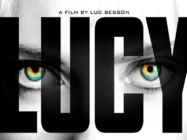
Sissejuhatus Režissöör ja kirjanik: Luc Besson Produtsent: Virginie Silla Ilmumisaasta: 2014 Žanrid: ulme, märul Näitlejad: Scarlett Johansson, Morgan Freeman Lühikokkuvõte sisust Lucy sunnitakse narkomuulaks(CPH4) Kott puruneb ta kõhus-vabastades suure koguse narkootikumi tema süsteemi Telepaatia, telekinees, vaimne ajas rändamine, valu ega muude ebamugavuste mitte tundmine Professor Samuel Norman Surematus või reproduktsioon Teadmiste edasi andmine Konflikt, kulminatsioon Konfliktiks oli Korea maffia boss ning narkoparun, kelle ainsaks eesmärgiks oli toimetada narkootikumid kindlatesse riikidesse. Kuid Lucy tahtis neid kõiki enda kätte ning tänu sellele soovis narkoparun teda tappa. Teose kulminatsioon oli kindlasti lõpp. Teadmatus kas Lucy jääb ellu või mitte. Lõpplahendus Superarvuti 100% aju võimsuse kasutamine
Viiuldaja katusel Gerli Reilson Helilooja- Jerry Bock Lavastaja- Jerome Robbins(originaali lavastaja) Lavastaja- Georg Malvius (Rootsi) koreograaf- Adrienne Åbjörn (Rootsi) Osatäitjad Tevje-Mait Malmsten Kaia Oidekivi Golde-Evelin Võigemast või Liina Vahtrik Reigo Tamm Yente-Helgi Sallo Norman Salumäe René Soom Karl-Erik Tamme Mati Vaikmaa Georg Gurjev Kadri Kipper Juuli Lill Anett Schneider Mart Laur Sisukokkuvõte Jutustab loo piimamees Tevjest ja Anatevka värvikast külaelust, inimestevahelistest suhetest, traditsioonidest, rõõmudest ja muredest, armastusest ning pisaraist. Tevje püüab muutuvas ühiskonnas elus hoida rahvuslikke ja usulisi
Kuid kui välja tuli 16IK käsiraamat ei olnud ka seal faktorid välja toodud. Kuigi Cattell on üks väheseid teadlasi kes soovib iseloomujooned faktoritesse jagada, on tema test vigane ja tulemused ebatäpsed. Arvatakse, ta ei üldistanud omadusi piisavalt ja testimiseks jäi neid liiga palju. Iseloomu mudel ,,Suur Viis" Aastal 1961 hakkasid Cattell'i tööst huvituma Tupes ja Christal.Nad tegid uued uuringud kasutades uut tehnikat ning said tulemuseks 5 faktorit. Norman ja Passini avastasid, et kui inimestel paluti uurida võõraid ja tuttavaid, olid tulemused samad. Seetõttu ei tahtnud nad, et Tupes ja Christal kiirustaksid. Norman uuendas Cattell'i nimekirja 1431 sõnani.Seejärel jagas need 75 rühma, vastavalt Tupes'i ja Christali teooriale. Paul Costa ja Robert McRae töötasid välja algselt 3 faktorit ning lõpuks lisasid 2, mille Goldberg oli välja töödanud. Nemad paigutasid ka iga faktori alla 6 omadust, mis seda faktorit iseloomustavad.
Egiptuses,Argentinas,Sri Lankas,Vietnamis,Indoneesias,Hiinas ja Indias.See eksootiline eluring,mil tema proviandiks on armastus,lõpeb tal meeletu põgenemisega ja salapärase kaaslase kaotamisega.Tuge leidnud buda vaimuliku tõekspidamistest,tuleb ta Euroopasse tagasi.Looduse uut õitsengut taas himukalt tunnetav noor naine on uuele eluringile minekuks usutavasti valmis. Gamile tundus,et tal on vaja osta Abu Duvase ´´Diivani`` vana väjaanne.Norman ootas teda,et esitleda talle Clerfayt`d,ühe sõbra poega,kes pidi ta lennukiga Luxorisse viima.Gam startis tunni aja pärast ja Norman pidi järgmisel päeval talle kiirrongiga järele minema.Kreool sõidutas nad hotelli ja kummardas Gami ees.Clerfayt ei teinud kreoolist väljagi ja kui kreool tahtis talle kallale karata pööras Clerfayt selja ja ei proovinudki ennast kaitsta.Nad külastasid normarh Hap Tefa haukambrit ja tagasiteel kostis lask.Clerfayt karjus kreooli ja peatas auto
Lörri läinud pidu Halduskaasus Hannes Remmelgas, Richard-Sven Rivik [email protected] , [email protected] Miina Härma Gümnaasium 9.A klass Juhendaja Urma Linnus Selles kohtujuhtumis on hagejaks Armeenia juurtega 29-aastane ärimees Viktor Dransitov. Viktori advokaat on Jüri Raidla. Kostjaks on Nädalaleht. Nende advokaat on Norman Aas. Nädalalehte esindab kohtus Nädalalehe peatoimetaja. Juhtumiga on seotud: Viktor Dransitov, tema eksmodellist abikaasa Diana, tema kaks teismelist last- 14-aastane Victoria ja 15-aastane Tanel. Juhtumiga on veel seotud erinevad ajakirjanikud, Nädalaleht ja Andmekaitse Inspektsioon. VIKTOR: Esitan kaebuse Andmekaitse Inspektsioonile (AKI), milles palun teha Nädalalehele ettekirjutuse lõpetada minu enda ning mu pereliikmete isikuandmete ebaseaduslik avaldamine ning kohustada
Laenud ja laenamine Hendrik Norman Kalbin Martin Raimla Mis on laen? Laen on võlg mida tõendab dokument millel on alati täpsustatud põhisumma, intress ja tagasimakse kuupäev Laenuandja laenab laenuvõtjale, harilikult teenides kasumit õtab laenu ja peab maksma selle tagasi Laenuvõtja v laenuandjale Intress on rahasumma, mille võlausaldaja saab võlgnikult või hoiustajalt tasuks raha kasutada andmise eest Intressimäär intressi suurus väljendatud protsentides Laenu liigid Laen, kus laenuandjale antakse tagatis -Hüpoteeklaen -Liising Väikelaenud mis on tagatud käändusega või tõestatud sissetuleku alusel -SMS laen -Intressivaba laen -Kiirlaen -Arvelduskrediit -Krediitkaardid -Intressid suuremad kui tagatud laenudel Laenumakse Kõige tüüpilisem on täielikult mahakandev makse, millel iga kuu makstav summa on sama Kuumakse, laenusumma või intressi arvutamine P kuumakse L laenusumma c intressimäär n - ajaperio...
The other two senior noblemen, the earls of Mercia and Northumbria, remained loyal to Edward. Later Edward outlawed Godwin and his family in Flanders. Between 1051 and 1052, Edward increased the number of Normans who advised him at court. Edward's continued favouritism caused problems with his nobles. In 1052 Godwin and his sons returned to England with an army. The army was commanded by his two sons Harold and Tostig. Godwin's lands were returned to him and many of Edward's Norman favourites were exiled. In 1053 Godwin died. His title was taken by Harold who became known as Harold of Wessex. He was the most powerful nobleman in England. It was Harold who subjugated Wales in 1063 and negotiated with the rebellious Northumbrians in 1065. Thereof, shortly before his death, Edward named Harold as his successor even though he may already have promised the crown to a distant cousin, William Duke of Normandy. Edward's greatest achievement was the construction of
some time and well appreciated the need to occupy this isthmus at once. Battle of Hastings · The English army -7,500 men The English army had fought a major battle at Stamford Bridge in Yorkshire less than three weeks earlier, which may have affected its battle worthiness at Hastings. The most formidable defence of the English was the shield wall, in which all the men on the front ranks locked their shields together. · The Norman army -8,400 men William's strategy relied on archers to soften the enemy. The Norman army's power derived from its cavalry -They were heavily armoured, and had a lance and a sword · Normans won the battle. Facing such odds, Harold had no choice but to fight a defensive battle. He was forced to rely on the much-vaunted English shield-wall. The tactic was a great success. Then came the turning point of the battle and the English wall was defeated. So finally the Normans victory
1.Who were the Normans and what did they bring with them? The normans were the people who in the 10th and 11th centuries gave their name to Normandy, a region in France. 2.How long did the Norman period last in the British Isles? 1066-1154 3.How did the Norman Conquest take place and what were the events leading to this? Edward the Confessor died and the throne was seized by his leading aristocrat, Harold Godwinson, who was crowned. Almost immediately, Harold faced two invasions - one from the king of Norway, Harald Hardrada, who was supported by Harold Godwinson's brother Tostig, and the other from William, Duke of Normandy. Harold defeated the Norwegian invasion at the Battle of Stamford Bridge in September 1066, but he was
Jaan Tätte Norman Maaring Robert Pertel Elukäik 24 märts Viljandi 19821984 Tartu Riiklik Ülikool 19851986 Tallinna Pedagoogiline Instituut 1990 Tallinna Riiklik Konservatoorium 19902003 Tallinna Linnateater 2003 Näitekirjanik Margit Tätte Jaan, Kunter Click to edit Master text styles Second level Third level Fourth level Fifth level Looming Näidendid Oma kogemused "Ristumine peateega ehk muinasjutt kuldsest kalakesest" Looming "Tere!" (lavastanud Jaan Tätte) "Ristumine peateega" (lavastanud Jaan Tätte) "Palju õnne argipäevaks!" (Linnateatris lavastanud Andrus Vaarik) "Kaotajad" (Linn...
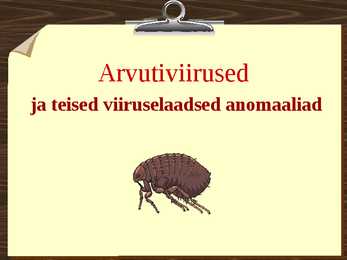
e-posti teel nakatunud interneti- lehekülgede kaudu Kaitse viiruste eest? kontrolli viiruste suhtes kõiki flopikettaid ja CD- plaate suhtu umbusklikult failidesse mis on lisatud e-postile suhtu umbusklikult failidesse, mida levitatakse uudisegruppide (news) ja jututubade (chat) kaudu kasuta kindlasti viirusetõrje tarkvara ehk antiviirust Viirusetõrje tarkvara Norton Antivirus, F- Prot, F-Secure, McAfee ja Norman aitavad avastada enamikku praegu levivatest viirustest ükski antiviirus ei anna täielikku garantiid NB! Uuenda oma viirusetõrjeprogrammi vähemalt korra kuus
moodustasid juudid). Holokausti juudi rahvusest ohvrite mälestamiseks on 1990. aastatest saati tähistatud Holokausti mälestuspäeva. Eesti Vabariigis sai mälestuspäev valitsuse heakskiidu ja esimest korda tähistati seda 27. jaanuaril 2003. Holokausti toimumise kahtluse alla seadmine on kuulutatud kuriteoks Prantsusmaal, Belgias, Sveitsis, Saksamaal, Austrias, Rumeenias, Slovakkias, Tsehhis, Leedus, Poolas ja Iisraelis. Ameerika juudi päritolu kirjanik Norman Finkelstein avaldas 2000. aastal raamatu "The Holocaust Industry" ning esinedes Ameerika meedias väidetega, milles tõstatas küsimuse, sellest et Iisrael kasutab ära II MS eel ja aja toimunud juutide tragöödiat, selleks et Euroopa riikidelt ja Ameerikalt "moraalsele süütundele rõhudes" saavutada järeleandmisi ning soodustingimusi poliitiliste sihtmärkide saavutamisel. 2010. aastal viidi Iisraeli Juudi Diasporaade
Heelium Krista Hendrik 10.04.11 Asukoht perioodilisustabelis... 10.04.11 Nimetus ja avastamine... Avastamine Päikeselt: 1868 Jules Janssen ja Joseph Norman Lockyer Uue elemendi nimetus: Päikese kreekakeelse nimetuse järgi (helios päike). Esinemise Maal avastas 1881 itaalia teadlane L. Palmier Vesuuvi vulkaaniliste gaaside spektrist. 1895 eraldas W. Ramsay heeliumi kleveiidist. 10.04.11 Üldine... Heelium (He) on Maal vähelevinud keemiline element. Keemiliselt on He väärisgaas, ühendeid pole siiani veel ühtegi avastatud. He aatomite vahelised tõmbed on
sites such as Newgrange. Following the arrival of Saint Patrick and other Christian missionaries in the early to mid-5th century A.D., Christianity subsumed the indigenous pagan religion by the year 600. From around 800 A.D., more than a century of Viking invasions brought havoc upon the monastic culture and on the island's various regional dynasties, yet both of these institutions proved strong enough to survive and assimilate the invaders. The coming of Cambro-Norman mercenaries under Richard de Clare, 2nd Earl of Pembroke, nicknamed Strongbow, in 1169 marked the beginning of more than 700 years of direct Norman and, later, English involvement in Ireland. The English crown did not begin asserting full control of the island until after the English Reformation, when questions over the loyalty of Irish vassals provided the initial impetus for a series of military campaigns between 1534 and 1691. This period was also marked by
world´s most famous fortresses, and one of Britain ´s most visited historic sites. Despite a grim reputation for a place of torture and death, there are so many more stories to be told about the Tower. This powerful and enduring symbol of the Norman Conquest has been enjoyed as a royal palace, served as an armoury and for a few years in the 1830s even housed a zoo! An intriguing cast of characters have played their part: including the dastardly jewel-thief Colonel Blood, tragic Lady Jane Gray and maverick zoo keeper Albert Cops. SCOTLAND Capital: Edinburgh Flag: Area: 30414 sq mi (78772 km2)
Most of the rocks are hexagonal, but some have four, five, seven or eight corners. The tallest are 12 metres tall. Snowdonia national park Location: north Wales. The highest mountain is Snowdon which is 1085 metres tall. The national park covers 2140 square kilometres. The park has about 6 million visitors every year. Windsor Castle Location: Berkshire. The original castle was built in the 11th century. It was designed to protect Norman dominance around London. It's the largest inhabited castle in the world. In 1992 there was a fire in the castle about 100 rooms were damaged. Edinburgh castle Location: Edinburgh, Scotland. It's built on the Castle Rock. The castle has been used residentially and militarily. It's Scotlands most visited tourist attraction, it had 1,2 million visitors in 2011. Thanks for listening!
Tööleht.hingamiseludkond. 1.tagab gaasivahetuse oranismi ja välsikeskonna vahel. 2.koosneb:1)hingamisteed(ninaõõs,nina kõrvalurked.neel,kõri hingetoruja bronhid 2)kopsud 3.1minuti jooksul käib kopsutest läbi 5-8 l õhku 4.kehalise pingutuse ajal võib hingatava õhu hulk tõusta 25- 100 l minutis 5.Sisse peab hingama nina kaudu,sest läbi ninaõõne liikudes muutub õhk puhtamaks,soojemaks ja niiskemaks. 6. Hingamine on vajalik sest hapniku abil lõhustatakse rakkudest toitaineid ning saadakse seeläbi eluks vajalik energiat. 7. kopsude valdav osa koosneb imepisikestest õhukanalitest ehk bronhioolidest mis lõppevat alveoolitest. 8.alveoolides imentub hapnik(o2)verre ja organismis moodustunud süsihappegaas(co2)liigub verest alveoolitesseja hingatakse välja. Nina kõrvalurked-sisaldavad õhku,ninaõõs on nende kaudu koljuluuga ühendatud;urgete seinad on limaskestaga vooderdatud Alveoolid on tillukesed kotikujuli...
started during the days of the Industrial Revolution * the flag is of Wales bears a Red Dragon (it is not represented on the Union Jack) Northern Ireland: * the capital city is Belfast * 54% of people regard themselves as Protestants and 42% as Roman Catholics * the flag is called the Saint Patrick's Cross 2) History Prehistoric Britain, Roman Britain, Anglo-Saxon, Danish, Norman invasions (...-1066): Britain was part of the European land mass until the end of the last Ice Age. It became an island by about 6000 BC. From about 3000 to 2000 BC the British Isles were inhabited by a group of people called the Iberians. These Stone Age people lived in limestone caves, they used stone axes and fashioned antlers and bones into leather-working tools. Later groups of people from what are now Germany, the Netherlands and Brittany also settled in Briton.
mittepersonaalne, kuiv, tekstis vähe omadussõnu, empotsioonitu (kaamera-ei-valeta-põhimõte). Ajakirjandus kui SUBJEKTIVISM isiklik erapoolik suhtumine kellessegi või millessegi iga lugu on kirjutatud teatud ,,seisukohast" Ajakirjandus kui STRUKTUREERITUD TEGEVUS uudiste kajastamine on plaanipärane ja ette kavandatud tegevus. 9. Seletage lahti mõiste `diskursus' (loengumaterjal, Fairclough) Norman Fairchlough: diskursusanalüüs näitab teatud tüüpi diskursusele iseloomulikke jooni ja struktuure ning ümberstruktureerivaid tendentse diskursiivseis kordades. Diskursiivse korra mõiste tähistab Fairclough' i kohaselt struktureeritud diskursiivsete praktikate terviklikkust institutsioonis või ühiskonnas ning nende praktikate vahelisi seoseid. Fairclough' i, kes seostab lingvistilist analüüsi sotsiaalse
 annaabi.ee