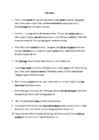
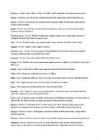
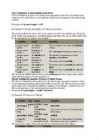
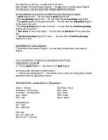
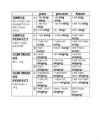
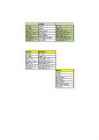
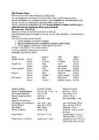
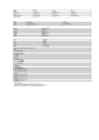
Verb forms 1. When I (turn) turned the radio on earlier today, I (hear) heard a song that was popular when I was in basic school. I (hear, not) had not heard the song in years, and it (bring) brought back many great memories. 2. Last week, I (run) ran into an old classmate of mine. We (see, not) had not seen each other in years. I (enjoy) enjoyed talking to her so much that I (ask) asked her, if she’d like to meet me tomorrow. We are getting together tomorrow evening. 3. When Mary (enter) entered the room, I (recognize, not) did not recognize her because she (lose) had lost so much weight and (grow) grown a long, healthy and beautiful hair. He looked totally different! 4. I like listening (listen) to music when I am sad, it really comforts me. 5. I (visit) have visited so many beautiful places since I (come) came to UK. Before moving here, I (hear, n...
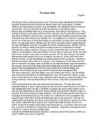
The Most Influential Figures in British History There are many important historical figures, who have helped shape Britain into what it is today. In my opinion Elizabeth I, Queen Victoria and Winston Churchill are the ones who stand out and have had the biggest impact on British history. Firstly, Elizabeth I made a great impression on British history as she kept England from major wars during her reign, the kingdom expanded and she supported culture. The rule of Elizabeth I can be called a peaceful time as England did not enter any huge conflicts. She managed to keep good relations with other great countries. However, the defeat of the Spanish Armada left no one questioning the superiority of the British navy. In addition, the kingdom’s territories grew during her reign, Virginia in America being named after „The Virgin Queen“. Queen Elizabeth I also valued culture. Arts flourished while Elizabeth was i...
Armenian Genocide Tallinn 2011 Contest Introducion..................................................................................................3 1. The Armenian Genocide and its causes..............................................................4 1.1. Armenian Genocide.................................................................................4 1.2. The Armenian Massacre...........................................................................4 1.3. Young Turks and the Young Turk Revolution..................................................5 1.4. Armenian Genocide, 1905-1917 period.........................................................5 1.5. Death marches.......................................................................................5 1.6. Extermination camps...............................................................................6 2. The consequences of Armenian Genocide....
The Snow Child English The Snow Child is a book by Eowyn Ivey. The author was inspired by the Russian fairytale Snegurotska while writing her debut novel. story takes place in Alaska 1920's and it talks about a couple, Jack and Mabel, who decide to make a snow girl out of snow. The next day the snow girl has become a real human being. Before Jack and Mable were living in Alaska they were living in Pennsylvania. They moved to Alaska to get away from the family, because they had lost their first child. It was hard for Mabel to recover there, because there were children around all the time. In Alaska they were living a very isolated life - no neighbours, no friends. In addition, at that time there did not exist such things as food shops, so they had to hunt all their food. Life was quite hard in Alaska and I am not so sure that ...
Animism Anima = hing. Kõigel on hing, kõiki tuleb kohelda hingeliste olenditena ja enda sarnasena. Rituaal usutalituse, tava või kombe kindlakskujunenud kord, tseremoonia või ka kombetalitus ise. Prohvet Kristlus. Usukuulutaja, kes enamasti ilmutuste kaudu kõneleb Jumala nimel, sageli tulevasi sündmusi ette kuulutades. Pühak Kristlus. Isik, kelle elu on seotud eriliste teenetega usu suhtes ja kelle kaudu Jumal avaldub. Inimeste eestkostja Jumala ees. Kanoniseerimine Kristlus. Pühakuks kuulutamine kindlate reeglite alusel, millest kõige tähtsam on imetegude olemasolu kas eluajal või pärast surma. Ordu Kristlus. Kindalte reeglite järgi organiseeritud kinnine vaimulik või sõjalisvaimulik ühing. Patriarh Kristlus. Õigeusu kiriku kõrgeim vaimulik. Vaimulik seisus Kristlus. Kirikliku organisatsiooni töötajaskond, kes pühitsuse läbi saab ühendatud kirikuga ja kelle ülesandeks on rituaalide läbiviimine. Uusu...
Conditionals: II and III II CONDITIONAL • to imagine a different reality • An unreal situation • If I were a parent, I would give candy to my kids every day. • If he won the lottery, he would quit his job. • If I had wings, I would fly to Africa. How to use it? • IF + PAST SIMPLE, + WOULD + VERB • If I were a parent, I would give candy to my kids every day. • If he won the lottery, he would quit his job. • If I had wings, I would fly to Africa. • NB! The verb „be“ is always „were“ with this conditional. • If I were you,... • If he were here,... Wou can also turn it around: The result first and then the condition. • WOULD + VERB+ IF +PAST SIMPLE • Note: There is no comma when the „IF“ is between the two clauses. • I would give candy to my kids every day if I were a parent. • He would quit his job if I won the lottery. • I would fly to Africa if I had wings. III CONDITIONAL • a past regret • different outcome...
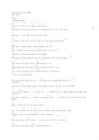
ROLLING IN THE DEEP by, Adele CAPO 3 Cm(Palm Mute) / / / / / / / / / / / / / / / / Cm G There's a fire starting in my heart, A# G A# Reaching a fever pitch and it's bringing me out the dark Cm G Finally, I can see you crystal clear. A# G A# Go ahead and sell me out and I'll lay your ship bare. Cm G See how I leave, with every piece of you A# G A# Don't underestimate the things that I will do. Cm G There's a fire starting in my heart, A# G A# Reaching a fever pitch and it's bringing me out the dark G# A# The scars of your love, remind me of us. Gm G# They keep me thinking that we almost had it all G...
Past Perfect Simple and Continuous Table of Contents Past Perfect Simple ............................................................... 2 When to use the Past Perfect Simple ..................................... 2 Past Perfect Continuous (Progressive) ................................... 3 When to use the Past Perfect Continuous.............................. 3 Comparison of the use of different past tenses ...................... 4 Past Perfect Simple The Past Perfect is had + a past participle. It is the same in all persons. I had worked he had gone Negative I had not slept/hadn’t slept Question Had he studied? When to use the Past Perfect Simple Past Perfect tenses in general refer to: An event in the past which happened before another event in the past, where there is no time expression to make this clear. By the t...
Past Tenses • Lihtminevik (Past Simple / Past Indefinite) – ära toimunud, lõpetatud tegevus • Kestev minevik (Past Progressive / Past Continuous) – minevikus pooleli olnud tegevus • Enneminevik !!! (Past Perfect) – minevik enne minevikku OLI -NUD • Kestev enneminevik (Past Perfect Progressive) – enne minevikku äsja lõppenud või toimumas olnud tegevus Created by Aari Juhanson, MA 2009 Past Simple • Ära toimunud (regulaarne) tegevus: I WORKED yesterday. S/he didn’t WORK last Monday. • Lõpetatud tegevus: I already CALLED them today. (I’m not going to call again!) Which countries did you VISIT? (You’re back …) BUT: Which countries have you VISITED so far? (You’re not back yet or you travel regularly …) • Jutustused, mineviku sündmuste kirjeldus: Once upon a time there LIVED a Garfield who HAD many friends. The first one WAS Odie, … • 2pv; ?/-...
Present Simple Present Continuous I walk I am (I'm) walking you walk you are (you're) walking he walks he is (he's) walking she walks she is (she's) walking it walks it is (it's) walking we walk we are (we're) walking they walk they are (they're) walking Present Perfect Simple Present Perfect Continuous I have (I've) walked I have been walking you have (you've) walked you have been walking he has (he's) walked he has been walking she has (she's) walked she has been walking it has (it's) walked it has been walking we have (we've) walked we have been walking they have (they've) walked they have been walking Past Simple Past Continues I walked ...
Today was one of those days where everything went wrong. I had prepared myself for a job interview for a long time because I wanted that job so much. One day before the interview I set the alarm clock at 7.00am, so that I would have enough time to get ready. The interview started at 9.00am. I woke up in the morning because I heard a door bell and wondered who could come so early. I saw my neighbour standing at the door holding a newspaper. ,,You always come at 8 o'clock. What are you doing here so early?" I asked. She raised her eyebrows, felt really confused and said she had come as usual. I glanced at my watch and understood that my alarm clock hadn't rang. My job interview would start in one hour and I had to hurry on a bus. Half an hour later I was in the bus station and felt relieved because I had still 5 minutes until my bus came. So I waited and looked at the timetable and saw that the bus drove every working day except that day....
http://www.abiks.pri.ee Kaudkõne. Kui otsekõne pealause on minevikus (said, asked), Siis toimuvad kaudkõne kõrvallauses järgmised muutused; OTSEKÕNE KAUDKÕNE I pv. (go, goes) > II pv. (went) do/does + I pv. (eitav lause) > did + I pv. (do/does not go) > (did not go) do/does + I pv. (küsimus) > II pv. (do you go...?) > (if I went) II pv. (went) > had + III pv. (had gone) did + I pv. (did you go...?did not go) > had + III pv.(had/not/gone) have + III pv. (have gone) > had + III pv. (had gone) shall, will > should, would am, is, are > was...
Past tenses /mineviku ajad/ 1. Past Simple /lihtminevik/ Formation/moodustamine: -- Kõikides pööretes/isikutes tegusõna II põhivorm, mis reeglina lõpeb mineviku tunnusega ed (like liked (hääldub [laikt]); hate hated [heitid]). Ebareeglipäraste sõnade puhul tuleb kasutada II põhivormi (vt. irregular verbs; ebareeglipäraste verbide tabel; näit. write wrote; run ran; buy bought jne.) - Küsimuste ja eitava vormi moodustamisel tuleb tegusõna panna algvormi; aga lisatakse mineviku abisõna did (Did you like the film? She did not (didn't) read the newspaper. When did you come home?) Jaatav Eitav Küsiv (kas-küsimus) I liked (went) I did not (didn't) like/go Did I go? (Läksin ma?) You liked (wento) You did not (didn't) like/go Did you like/go? He/she/it liked (went) He/she/it did not like/go ...
Present Perfect Simple Present [has/have + past participle] [VERB] + s/es in third person: You have seen that movie many times. · You speak English. · Have you seen that movie many times? · Do you speak English? · You have not seen that movie many times · You do not speak English. Examples: Examples: · I have seen that movie twenty times. · I play tennis. · I think I have met him once before. · She does not play tennis. · There have been many earthquakes in · Does he play tennis? California. · The train leaves every morning at 8 AM. · People have traveled to the Moon. ...
Present Simple (lihtolevik) Infinitive + He/she/it+-s Signal words: Every day, sometimes, always, often, usually, never + I work. He works. I go. He goes. - I don't work. He doesn't work. I don't go. He doesn't go. ? Do I work? Does he work? Do I go? Does he go? Present Continuous (kestev olevik) To be (am/are/is) + infinitive + -ing Signal words: now, at the moment, look!, listen! + I'm working. He's working. I'm going. He's going. - I'm not working. He isn't working. I'm not going. He isn't going. ? Am I working? Is he working? Am I going? Is he going? Present Perfect (täisolevik) Have/has+ infinitive + -ed / 3rd IRW Signal words: yet, never, ever, already, so far, since, for, recently + I have worked. He has worked. I have gone. He has gone. - I haven't worked. He hasn't worked. I haven't gone. He hasn't gone. ? Have I worked? Has he worked? Have I gone? Has he gone? Past Simple (lihtminevik) Infinitive+ -ed (/ 2nd IRW) Signal ...
Test 1 Form 11 1. What adjective best describes those people? He trusts everybody and believes everything that people tell him. I think he is naive..................................................................... His exam results were fantastic but he says they were OK. I think he is level-headed and modest She always thinks about other people before herself. I think she is generous. My uncle always brings us expensive gifts for holidays. I think he is rich and generous He is never willing to listen to others or accept new ideas. I think he ise narrow-minded. 2. Underline the correct word to complete the sentences. * The children have been as good as silk / gold all morning. * After the divorce Clare felt as free as a bird / bee. * Stories about fairies and dwarfs are as old as ABC / the hills. * You have to be as quiet as a bat / mouse or you wake our baby up. * You should ea...
englisch-hilfen.de LEARNING ENGLISH ONLINE Examples Examples Examples Tense Signal words Use Form affirmative negative interrogative every day something happens repeatedly sometimes how often something happens always I work. I don't work. Do I work? one action follows another often Infinitive He works. He doesn't work. Does he work? Sim...
PAST TENSES Ats A.Tamm Tsirguliina Secondary School 10.Class Past Simple - Lihtminevik Did + II pv ed We liked went to shop I didn't like to go shop Did we like to go shop? Kasutamine: yesterday, then, when, in 1999 etc, last night, last week, last year Past Continuous Kestev minevik Was/were (=olema minevikus + põhitegusõna + ing I was reading a book I wasn't reading a book Was I reading a book? Kasutamine: While, when, as, all morning, all day, all week Past Perfect - Enneminevik Had+ tegusõna III põhivorm (lõpuga ed või ebareeglipäraste sõnade puhul muu) I had asked I had not asked Had I asked? Kasutamine: before, after, already, just, for, since, when Past Perfect Continuous Kestev e...
Past Simple (lihtminevik) -ed / II pv. Kasutus: Ago, yesterday, last. ?/- Did Tegevus: 1. Toimus minevikus ja on lõppenud. ,,I met him yesterday" 2. Used To, mineviku harjumused. ,,I used to play tennis." Past Continius (kestev minevik) was/were + ing Kasutus: When, while, as Tegevus: 1. ajutised sündmused. 2. 2 või enam tegevust ,,While i was reading, he was garding." 3. minevikus katkestatud tegevus ,,I was having a shower, when the phone rang." 4. konktreetne kellaaeg minevikus ,, I was watching TV yesterday at 5!" Present Perfect (täisminevik,olevikuaeg) have/has + III pv. Kasutus: Never, ever, already, yet, before, since, for. Tegevus: 1. tegevused alg. Minevik -> now ,,I have been a teacher for 5 years." 2. mineviku situatsiooni resultaat olevikus ,,I...
PRESENT SIMPLE (lihtolevik) Form: 1st form (+s) Use: 1. Things in general. Nurses look after patients in hospitals. 2. Things that happen all the time or repeatedly. She usually goes away at weekends. 3. Laws of nature (things that are true in general). The sun rises in the east. 4. Timetable events. The train leaves at 6.50 p.m. Negative form: I don't (do not) normally eat my lunch here. He doesn't (does not) like this film at all. Question form: Do you live here? How often does it rain around here? Signal words: always, every day/month, never, normally, often, seldom, sometimes, usually etc. PRESENT CONTINUOUS/PROGRESSIVE (kestev olevik) Form: am/is/are + ing Use: 1. Unfinished actions happening at or around the time of speaking. Listen! Somebody is crying. They are building a new bridge in our town....
Present tenses : 1) Present simple regular actions and routines especially with frequency(kordumine ) adverbs(määrsõna) N: Do you go to school by car every day ? I don't often watch TV. 2)Present continuousbe + verb + ing. Actions happening now N; Look! It's snowing. I'm meeting Jane tonight. You're always losing things. 3)keep + ingto describe habitual actions which may be irritating. N: my uncle keeps making silly jokes. Present perfect: 1) Present perfect simple: have/has + past participle. N: I've been here for ten minutes .The phone has rung ten times today. Look at this cheque,'I've won first prize. They have made a new star wars film. I've just got home. How long have you been here ? Have you ever been to Paris? It's the best book I've ever read. It's the first time I have ever been abroad. 2)Present perfect continious : have/has + been + ing. N:I'v...
TEGUSÕNA AKTIIVI AJAD Lihtolevik Kestev olevik Perfekti olevik Perfekti kestev O [ ma töötan (igal suvel) ] [ ma töötan (praegu) ] [ ma olen (siin) töötanud (alates [ (täna) olen ma (jub 1987. a.) ] töötanud ] O L I, you, we, they I am E work working I, you, we, they have worked I, you, we they have bee V He, she, it He, she, it is He, she, it has He, she, it has b I works working worked ...
PRESENT PRESENT PRESENT PRESENT PAST SIMPLE PAST PAST PERFECT PAST PERFECT SIMPLE CONTINIOUS PERFECT PERFECT CONTINUOUS SIMPLE CONTINUOUS SIMPLE CONTINUOUS Lihtolevik Kestev olevik Täisminevik Kestev Lihtminevik Kestev minevik Enneminevik Kestev täisminevik enneminevik I pv Am/is/are, I pv, Has/have, III Has/have, II pv, -ed Was/were, -ing Had, III pv Had, been, -ing -ing pv/-ed been, -ing *Recurring *Action *(Giving new *Acti...
Fatal walk It was a warm and cloudless Friday evening in summer but Angelina didn't want to go to a party. She went for a walk at a park. She had a great evening and she enjoyed all this incredible nature in the park. Angelina was glad that she hadn't gone to party because she felt herself so relaxed. There were a few people in the park, birds were singing and not so warm evening sun was still shining. I felt a little bit chilly myself and it was getting darker too so I decided to go back home. My way back wasn't very pleasurable. I had always been afraid of those dark unlit side- streets but that walk had been good for me so I wasn't afraid that time. But then I heard screaming from one street. I didn't dare to go there but I peeked around the corner and I saw two men fighting with each other. One man had a gun and he was wearing a black mask. The other man was a typical businessman. I didn't h...
Present Simple I Make Do not make Do I make? (lihtolevik) He/she/it Speaks Does not speak Does they go? We/you/they Do not go Do not go Present Continuous I am speaking Am not speaking Am I speaking? (kestev olevik) He/she/it is going Is not going Is he going? We/you/they are making Are not making Are you making? Present Perfect I Have asked Have not asked Have I asked? (täisminevik) He/she/it Has gone Has not gone Has she gone? We/you/they Have made Have not made Have they made? Present Perfect I have been asking Have not been asking Have I been asking? Continuous (kestev He/she/it has been going Has not been going Has he been go...
Top Gear It all started when BBC presented us with an idea. Every one of us had to build a British motorhome of the future, which would be practical but still look cool. Three things the motorhome had to have were sleeping accommodation, cooking facilities and a bog. We met up at Fleet to take a look at each others brilliant come ups before the challanges. As usual I came in with quite an entrance. My motorhome was by far the tallest ever built. It had three stories and looked extremely cool. After walking Hammond through my surperb motorhome I couldn't help but laughing at his. It was a hidious Land Rover which appeared from far to be covered with bricks. The ,,stone effect" was in Richards mind the Land Rover style.It literally had a bog next to the driver's seat. After having a great laugh once more over Hammonds brilliant motorhome, James May came in what appeared to be a roc...
First Conditional: A real possibility in the future A First Conditional sentence is for future actions dependent on the result of another future action or event, where there is a reasonable possibility of the conditions for the action being satisfied. Formation: if + present simple, + will For example: If she gets good grades, she will go to university. We are talking about the future, but we use a present tense for the condition and will for the result. In this case, the person is sure about going to university. We can use other modal verbs in the result part of the sentence. For example: I Condition Result Possibility F she gets good she will go to If the condition is met, then she definitely If grades, university. will go he gets good he may go to If He is not sure about g...
Kui saatelause on olevikus , siis jääb öeldu ka olevikku . Näit: He says:"Everybody speaks English" -> he says (that) everybody speaks English. KUI ON SAYS , SIIS EI LÄHE ÜHE VÕRRA MINEVIKU POOLE! Kui aga saatelause on minevikus, siis läheb lause ühe võrra mineviku poole! "I speak English well" -> He said (that) he spoke English well. "They are speaking English now - > He said (that) they were speaking English then . "They spoke English to their guests last week -> He said (that) they had spoken English to their guests last week "They were speaking English when I arrived" -> he said (that) they had been speaking English when he arrived . "I have learnt 20 new words today" -> he said (that) she had learnt 20 new words that day " I have been learning English for 2 years -> she said (that) she had been learning English for 2 years ENNEMINEVIK JÄÄB SAMAKS! "I hava learnt a few words of English -> he said (that) she had learnt a few words...
past present future SIMPLE + I did sing I do sing I will sing do + base verb I sang I sing (except future: I did not I do not sing I will not sing will + base sing verb) ? Did I sing? Do I sing? Will I sing? SIMPLE + I had sung I have sung I will have sung PERFECT I had not I have not I will not have have + past sung sung sung participle ? Had I Have I sung? Will I have sung? sung? CONTINUO + I was Iam singing I will be singing singing US Iwas not I am not I will not be be + -ing singing singing ...
active I (-es) writes is + III II (-ed) wrote was + III has + III has written has been + III is/was + ing is writing is/was being + III had + III had written had been + III will have + III will have written will have been +III will/can + I will write will/can be + III active passive I (-es) is + III II (-ed) was + III has + III has been + III is/was + ing is/was being + III had + III had been + III will have + III will have been +III will/can + I will/can be + III active writes wrote has written is writing ...
If you have created something, then try to be open minded Teacher: O'Mahony V.PG 11A 09.03.2009 This written essay here is talking about my thoughts and facts of life, what is around us. First I thought that why is always easier to create something but to destroy is much harder. Exactly there have been so many wars in history. Everybody wanted to own a lot of countries and others had to fight for their created country. Also they started to teach young people to kill and protect their country with killing enemies. Also government tried to keep a low profile, if there were some wars in state. These are my thoughts of creating and keeping something. In the old times were many wars. Some states predominated over other weaker countries or states. Weaker countries had created their own and loved country and they wanted to live like that for a long time. But also stronger countries wanted to broaden their boards and...
CONDITIONALS ZERO CONDITIONAL If you don't water flowers, they die. If you have a headache, stop watching TV. If clause: Main clause: PRESENT SIMPLE PRESENT SIMPLE or IMPERATIVE With zero conditional we express a general truth or we give advice. FIRST CONDITIONAL If the weather is nice, we will go for a walk. If you don't apologize, she will never trust you again. If clause: Main clause: PRESENT SIMPLE FUTURE SIMPLE The first conditional refers to the present and future. It expresses a possible condition and its probable result in the future. SECOND CONDITIONAL Jack wants to buy a house but he can't do this because he doesn't have any money. If I had a lo t o f m o ne y, I would buy a b ig h o us e . SECOND CONDITIONAL Susan wants to phone...
Causative form. (Laskma midagi teha kellegi poolt) have/ get something done by somebody Pr. Simple: I have my jacket cleaned Ps. Simple: I had my jacket cleaned Fut. Simple: I will have my jacket cleaned Pr. continius: I am having my jacket cleaned Ps. continius: I was having my jacket cleaned Pr. perfect: I have had my jacket cleaned Ps. perfect: I had had my jacket cleaned Pr. perfect continius: I have been having my jacket cleaned Ps. perfect continius: I had been having my jacket cleaned be going to: I am going to have my jacket cleaned must: I must have my jacket cleaned (Pr- present, Ps-past, Fut-future)
Windows are not made of wood. Simple Present · · New York is a small city. It is not important that this fact is untrue. [VERB] + s/es in third person USE 3 Scheduled Events in the Near Examples: Future · You speak English. · Do you speak English? · You do not speak English. USE 1 Repeated Actions Examples: · The train leaves tonight at 6 PM. · The bus does not arrive at 11 AM, it arrives at 11 PM. ...
Russian Language 2. Translation. "Stalin's Grandson" Theatre director Alexandr Burdonsky only rarely gives interviews about his family history and about what happened to him after Stalin's death: "I was fifteen years old when the 20 th Congress took place and Khrushchev gave his secret speech about the cult of personality and its consequences and about all the people who had suffered under Stalin. The speech was no revelation for me. Many of my mother's friends had spent time in prison camps. She herself was constantly under threat of arrest. I knew about all this and I had the same attitude as any other normal person to it. But after Khrushchev's speech many people abandoned us. For them we were only Stalin's relatives. Nobody came to visit us. The headmistress of our school began to pick on my sister and me. We had to move to another school. Later, thank goodness, I met somebody who behaved differently towards me. I was studying drama...
I will never fotget the day... I will never forget the day when i was in the country, at my grandmother's, i was listening to the sounds of nature. Everything was quiet, as if everything was standing still. There was a gentle breeze, and the sough in the branches made the morning almost perfect. You could hear birds from further away. I was alone. I had time to enjoy the moment. I was restless and couldn't stand still, so i got up and went to do my usual affairs. To this day i still think and wish i could sit outside early in the morning and listen to the nature. Time has passed by so much, that now i spend much of my free time at the computer, and do not fall asleep until 3 in the morning, and so i do not have the time to go outside in the early mornings. Life has a habit of presenting us with obstacles which are not easy to surpass. Also, we end up in situations where we feel rage, anger, sadness and other feelings. Yet we remember t...
The Most Exciting Holiday of My Life About a year ago I went to Spain to spend a week of my summer holiday there. I was there with my family and with aunt and her husband. We were in a nice hotel near the beach. The second day I wanted to go shopping in the city but my parents disagreed. They suggested that we should go sightseeing. At last we found that we could go walk in the beach where also were many shops. But it was miles away, so we had to rent a car. We could rent a car from our hotel's reception. Unfortunately we were told that all cars were hired out. Then my parents suggested to spend the day swimming in a hotel pool, but I didn't feel spending my day like this. We found a place to hire cars near the hotel. The only available car was Citroën C1. This was really small, but our only choice. We fitted ourselves very uncomfortably in this little car and drove to that ci...
PAST TENSES Past Simple Used to talk about a completed past action which happened at a completed time in the past. We went to Tallinn yesterday. I saw him a long time ago. We met last week. Used to talk about a series of events that happened one after another. He walked to school, took off his coat, went to class and fell asleep. Used to report what people said. He said that he was tired. He asked to go home. Used after "It's time" (even though we're talking about now) It's time we talked about the past (now). After "I'd rather" (even though we're talking about now) I'd rather you drove (now). (But "I'd rather drive" if talking about yourself) After "I wish" (even though we're talking about now) I wish I had a million dollars (now). After "If only" (even talking though we're talking about now= ...
The Project Gutenberg EBook of Pride and Prejudice, by Jane Austen This eBook is for the use of anyone anywhere at no cost and with almost no restrictions whatsoever. You may copy it, give it away or re-use it under the terms of the Project Gutenberg License included with this eBook or online at www.gutenberg.org Title: Pride and Prejudice Author: Jane Austen Release Date: August 26, 2008 [EBook #1342] [Last updated: August 11, 2011] Language: English Character set encoding: ASCII *** START OF THIS PROJECT GUTENBERG EBOOK PRIDE AND PREJUDICE *** Produced by Anonymous Volunteers, and David Widger PRIDE AND PREJUDICE By Jane Austen Contents Chapter 1 Chapter 22 Chapter 2 Chapter 23 Chapter 43 Chapter 3 Chapter 24 Chapter 44 ...
Conditionals Sentences with if are used to express possibilities. 0 Zero conditional If-clause present (past) simple Main clause present (past) simple Sometimes sentences with if express certainty rather than possibility. The zero conditional is used to talk about sth. that is always true (such as a scientific fact), or that was always true in the past. In this type of conditional we can use when instead of if. E.g., If/When you mix blue and red, you get purple. If/When you don't water flowers, they die. (present simple in both parts of the sentence) If/When I asked her to come with us, she always said no. (past simple in both parts of the sentence) 1 First conditional If-clause present simple; Main clause future tense (or: can, must, may, etc., + bare infinitive) Used to talk about the consequences of a possible action (a real or very probable situation in the present or ...
Conditionals Table of Contents Conditionals ......................................................................... 2 A. Real Conditionals ............................................................. 2 B. Unreal Conditionals ......................................................... 3 Linking words used in Conditionals ...................................... 4 Conditionals Conditions deal with imagined situations: some are possible, some are unlikely, some are impossible. A. Real Conditionals Real Conditionals refer to situations that are true, have happened, generally happen or are likely to happen. The First Conditional expresses a possible condition and a probable result: If I have time, I will help you. In the if-clause we use the Present Simple, in the main clause will + the verb. We can also use the Present Continuous or Perfect in the if-clause and...
Why I came to study English Why I came to study English? Seems like a simple question, but it certainly made me think about it. Some of my friends have even said that majoring in English seems so boring and they constantly bombard me with questions about my future. That made me think about how exactly did I end up studying English? First of all, as a kid, I was so sure I would be a hairdresser or a teacher or a cook in the future. I am sure that almost every kid thinks the same, when all they have for inspiration are cartoons and toys to play with. When I started school, I was very interested in mathematics and other subjects that required logical thinking, because apparently I was smart in that area at the time. Up until 6th grade I was the best student in our class, winning mathematic competitions left and right and not only that. By that time I had also found out that I loved to write, specially po...
International Teachers`Day In many countries, Teachers' Days are intended to be special days for the appreciation of teachers; World Teachers' Day is celebrated across the world on October 5. I was a third A grade teacher and My assignment was to teach them the Estonian and math. The first lesson was the Estonian, and we read poems and talked about the modern school of boys and girls. The second lesson I spent with the students of the Eleventh A. I will provide them with the necessary information, which had previously been told to me. Next, we talked about the how the gymnasium student must behave and interact. I was trying to talk about them as much as possible, however, that although they were not interested. The third lesson, I was once again a third-class and Now I had an lesson of Mathematics. Students had Midterm to check their knowledge of aggregation and separation. On top of work they had t...
CONDITIONALS · Type 0 Present Simple if + I, I o If you boil water, it evaporates.(Loodusseadus) · Type 1 if + I , will + I o If you study more, you will get better marks. (Kui õpid rohkem, saad paremaid hindeid.) · Type 2 if II, would + I o do If you studied more, you would get better marks. (Kui õpiksid, saaksid) · Type 3 if had + III, would have + III o if I had studied more, I wouldn't have had that many mistakes. o If you had studied more, you would have got better marks. (Kui oleksid õppinud, oleksid saanud) · Kasutusel ka variant kus kõik tüübid segi, sellisel juhul tõlgi endajaoks lause ära ja mõtle loogiliselt. If-Clause Main Clause SUPPOSE/SUPPOSING (peaaegu sama, mis if) Type 2 Type 1 ...
Conditionals TYPE I If - osalause Peamine osalause Present Simple will + I põhivorm If I study, I will pass the exams. I will pass the exams, If I study. TYPE II If - osalause Peamine osalause Past Simple would/might/could + I põhivorm If I studied, I would pass the exams. If I studied, I could pass the exams. If I studied, I might pass the exams. TYPE III If - osalause Peamine osalause Past Perfect would/might/could + have + III põhivorm/-ed If I had studied, I would have passed the exams. If I had studied, I could have passed the exams. If I had studied, I might have passed the exams. If I had earned some money, I would have bought a car.
The Broken Rainbow vigade parandus It rained so hard that I couldn’t see anything. Then suddenly, when the rain stopped, I looked out the window. I saw a rainbow, but this rainbow was different – the colours were all wrong! Then I looked around and noticed that all of the colors were different! The colors were like black, grey and white. I wasn’t able to understand what was going on. Then I saw a big wave coming. I thought that I was going to die. I started to run. I ran to the forest. There were also everything wrong. The trees were black and their leaves were brown and white, instead of green. I wasn’t able to understand anything. I saw things that could not be possible and thing that I had never seen before. I got out of the woods. I reached the town gates. They were locked. I was very confused and the best idea that came to my head was to climb over the gate. And so I did. I got safely to the other side of the gate. Al...
1.- Choose the most suitable verb form in each sentence. a) If only Peter doesn't live / didn't live / wouldn't live so far away from the town centre. We'll have to take a taxi. b) I feel rather cold. I wish I brought / had brought my pullover with me. c) What a pity. I wish we don't have to / didn't have to / wouldn't have to leave. d) If only you tell / told / had told me about the test. I haven't done any revision. e) I wish the people next door hadn't made / wouldn't make / couldn't make so much noise. I can't hear myself think! f) Darling, I love you so much! I wish we are / had been / would be / could be together always! g) I'm sorry I missed your birthday party. I really wish I come / came / had come / would come. h) I like my new boss but I wish she gave / would give / could give me some more responsibility. i) Having a lovely time in Brighton. I wish you are / were / had been ...
The Passive Voice Passive voice is used, when the focus is on the action. It is not important or not known, hovewer, who or what is performing the action. Passiivi kasutatakse siis, kui tegevust teostav isik on teadmata või tema mainimine ei ole oluline, või siis, kui tähelepanu on pööratud sellele, mida tehakse. Passiivi ajavormid moodustatakse abiverbi be pöördelistest vormidest vastavas ajas ja põhiverbi mineviku kesksõnast (III pv-past participle). BE vastav aeg+ Verbi III pv Tegevuse sooritaja näitamiseks kasutatakse eessõna by. Kui aktiivlause aluseks on asesõna (I, you, he, we, you, they, somebody...), siis jäetakse by- fraas ära. Aktiivlause muutmine passiivlauseks: 1. Leiame sihitise ja muudame ta aluseks. 2. Määrame öeldise ajavormi ja asendame ta passiivi vastava ajaga 3. Leiame aluse ja muudame ta eessõna by abil sihitiseks. Example: Jane baked a cake.-active sentence A cake was baked by Jane.-passive senten...
Active Present Past Future Simple I work II (-ed) Will + I usually Don’t work Didn’t work Will not work Continuous am/is/are + V-ing Was/were + V-ing Will+be+V-ing Продолжитель. Isn’t working now Wasn’t working Won’t be working Perfect Have/has + III Had + III ...
Simple Continuous/Progressive Perfect Perfect Continuous Present Tegusõna algvorm be + -ing have/has + 3.v have/has been + -ing I work. He works. I am working. I have worked. I have been working. Past 2.v was/were + -ing had + 3.v had been + -ing I worked. I was working. I had worked. I had been working. Future will + 1.v will be + -ing will have + 3.v will have been + -ing I will work. I will be working. I will have worked. I will have been working. Future in the Past would + 1.v would be + -ing would have + 3.v ...
 annaabi.ee