Leidsid 33 sarnast õppematerjali, mis on seotud failiga "ALLERGIES". Need materjalid aitavad sul teemat sügavamalt mõista.
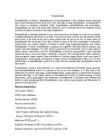
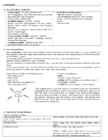
allergies, cause, dust, mite, immune, eyes, nose, effects, hypersensitivity, disorder, occur, person, reacts, causes, include, animal, milk, eggs, latex, penicillin, mild, fever, such, asthma, attack, vomiting, upset, seasonal, real, there, weird, exercise, money, medicine, however, best, method, effective, pathAllergies Ülle-Mai Kesamaa 10th grade 2015 Content 1. What are Allergies? 2. Types of allergies. 3. Food allergies 4. Seasonal allergies 5. Pet allergies 6. Other allergies 7. Sources What are allergies? Allergic diseases are a number of conditions caused by hypersensitivity of the immune system to something in the environment that usually causes little problem in most people. Types of allergies There are 4 different types of allergies: I. Food Allergies II. Seasonal Allergies III.Pet Allergies IV.Other <- the ones that don’t fit in any of the above. Food allergies ★ affect nearly everyone at some point ★ is an abnormal response to a food that is triggered by the immune system. ★ Food allergy and food intolerance is not the same thing! ★ The most common food allergies are
It causes a lot of pain and even 1 blindness to the animal, also considerable financial losses in the herds because of the decreased weight gain, milk discard and costs of therapy (Postma et al., 2007). IBK can occur without clinical signs and bacteria can be cultured on the healthy cattle (Angelos, 2015). Problem is the resistance of Moraxella bovis in bovine herds and the establishment of biofilms in the nasal cavity and eyes of ruminants without any sings of infection (Ely et al., 2017). Pathogenesis Moraxella bovis is a gram-negative bacillus causes IBK in cattle. The occurrence and clinical signs depend on environment, season concurrent pathogens, host immune system and Moraxella bovis strain. The disease is highly contagious and can easily spread in the farm. Moraxella bovis is not capable to move but can cause the destruction of red blood cells (M.H. Brown et al. 1998)
ALCOHOL Alcohol is a widely used substance for both science and in technology. Its name comes from an Arabic word al-kuhl meaning " a powder for painting the eyes". The term was later applied to all compounds that contain alcoholic spirits. To most people alcohol is considerd a downer that reduces activity in the nervous system. Some of the things alcohol effects you is, the alcohol intoxicated person exhibits lose muscle tone, loss of fine moter coordination,and often has a staggering "drunken" gait. The eyes may appear somewhat "glossy" and pupils may be slow to respond to stimulus. At high doses pupils may become constricted. At intoxing doses, alcohol can decrease heart rate, lower blood pressure and respiration rate, and result in decreased reflex and slower reaction times. Skin may be cool to touch but to the user may feel
Formaldehyde Formaldehyde is a colorless, flammable gas at room temperature. It has a pungent, distinct odor and may cause a burning sensation to the eyes, nose, and lungs at high concentrations. Formaldehyde is also known as methanal, methylene oxide, oxymethylene, methylaldehyde, and oxomethane. Formaldehyde can react with many other chemicals, and it will break down into methanol (wood alcohol) and carbon monoxide at very high temperatures. Formaldehyde is naturally produced in very small amounts in our bodies as a part of our normal, everyday metabolism and causes us no harm. It can also be found in the air that we breathe at home
medicines that were used to cure it years ago. The most infectious disease in the Middle Ages was plague, now AIDS has replaced it. It is a serious problem and kills millions of people every year. This is a disease that cannot be cured yet but scientists and doctors are working on this problem. Not all the diseases are infectious. A very widely spread present-day trouble is allergy. Allergy means that people are over-sensitive to certain things, such as some kind of food, medicines, dust etc. Many people suffer from heart diseases. It is not rare that a person has a heart attack or a stroke. These troubles and neuroses are often caused by stress and by the quick tempo of our life. Cancer is still a major problem, in many cases not curable. It is a disease that causes cells in the body to grow uncontrollably. There are about 100 different kinds of cancer. In winter we have coughs and colds. This is because of the low temperature, which
symptoms. So once you start smoking it is very hard to quit. But why is smoking so harmful? Cigarettes have tar in them which contains many chemicals. These deposit in the lungs and can get into the blood vessels and are carried to other parts of the body. Cigarette smoke contains over 4,000 chemicals, including over 50 known carcinogens (causes of cancer) and other poisons. In addition to different kinds of cancer (mouth, nose, throat, larynx, gullet, pancreas, bladder, cervix, blood, and kidney) it also may cause heart diseases, rheumatoid arthritis, fasten your ageing and have impact on your fertility. There are also other conditions where smoking often causes worse symptoms. For example: asthma, flu, chest infections, tuberculosis, chronic rhinitis, diabetic retinopathy, hyperthyroidism, multiple sclerosis, optic neuritis, and Crohn's disease. What makes matters worse is the fact that smoking doesn't harm
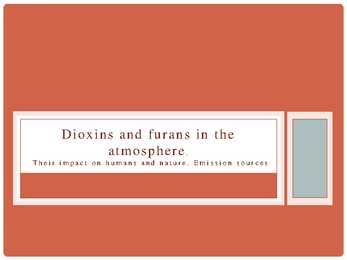
They are found in all environmental compartments, are persistent and, being fat soluble, they tend to accumulate in higher animals including humans. Their resistance to degradation and semivolatility means that they may be transported over long distances and give rise to transnational exchanges of pollutants. In addition, dioxins which were released into the environment many years ago are still contributing to current exposure. Even very small dioxin concentrations can cause negative effects on the environment and on human health, in particular on the most vulnerable groups like children. Human health effects include impairment of the immune system, the nervous system, the hormonal system and the reproductive functions. Dioxins are also suspected of causing cancer. How Are We Exposed to Dioxins? Although formation of dioxins is local, environmental distribution is global. Dioxins are found throughout the world in the environment. The highest levels
Cigarettes and Alcohol Cigarettes and alcohol are two other kinds of legal drugs. (In Estonia, adults 18 can buy cigarettes and alcohol.) But smoking and excessive drinking are not healthy for adults and off limits for kids. Nicotine is the drug in tobacco leaves. Whether someone smokes, chews, or sniffs tobacco, he or she is delivering nicotine to the brain. Each cigarette contains about 10 milligrams of nicotine. Nicotine is what keeps people smoking despite its harmful effects. Because the smoker inhales only some of the smoke from a cigarette and not all of each puff is absorbed in the lungs, a smoker gets about 1 to 2 milligrams of the drug from each cigarette. A drop of pure nicotine would kill a person-in fact, nicotine can be used as a pesticide on crops. You might hear cigarettes referred to as smokes, cigs, or butts. Smokeless tobacco is often called chew, dip, spit tobacco, or snuff. How Many Teens Use It?
all cases. I will divide the subject into illnesses caused by lifestyle, and illnesses caused by other factors such as genetic factors. First of all, a person's lifestyle can be a major factor in their wellbeing, both physical and mental. People who eat too much fast, fatty, or sugary foods without doing enough physical activity, may put on weight. This has serious effects and can lead to heart disease. Similarly, people who smoke and drink too much run the risk of getting cancers and heart disease. However, by avoiding these things and doing simple things such as walking short distances instead of driving, eating five portions of fresh fruit and vegetables a day, and taking 20 minutes' exercise three times a week reduces this risk and can prevent disease. As regards genetic factors, the situation is not so clear
Consult a doctor before doing anything in this book. PUBLISHER'S DISCLAIMER The material in this book is for informational purposes only. As each individual situation is unique, you should use proper discretion, in consultation with a health care practitioner, before undertaking the diet, exercises, and techniques described in this book. The author and publisher expressly disclaim responsibility for any adverse effects that may result from the use or application of the information contained in this book. ON THE SHOULDERS OF GIANTS I am not the expert. I'm the guide and explorer. If you nd anything amazing in this book, it's thanks to the brilliant minds who helped as resources, critics, contributors, proofreaders, and references. If you nd anything ridiculous in this book, it's because I didn't heed their advice.
producing methane and carbon dioxide as a by-product. Another type of biogas which includes hydrogen, nitrogen, and carbon monoxide can be obtained through the gasification of biomass such as wood or rice husks, a technique which is used to manufacture gas industrially. The gases produced through anaerobic fermentation or gasification are combustible in addition to having a strong smell which makes them stand out to the human nose. Methane leaks from landfills are an ongoing problem, as is the production of biogas in poorly maintained compost piles, manure lagoons, and outhouses. Spontaneous fires and explosions caused by build-ups of gas have been recorded in many regions of the world, illustrating a major problem which needs to be confronted by waste management companies. When this gas is trapped, however, it can be made useful, instead of just being a nuisance.
disease that spreads very quickly among birds and can distressing (= distressful) experience, ahastust sometimes kill them. People can also catch the disease. tekitav, vilets linnugripp 24.elated (at/by) adj joyful, extremely happy: She was 8. bacteria n singular bacterium; very small living elated at the prospect of a holiday. ülevas meeleolus things, some of which cause illness or disease: a 25.erode v - [i'rd] to gradually reduce something such bacterial infection as someone's power or confidence: Our personal 9. bedrock n - the basic ideas, features, or facts on which freedom is being gradually eroded away. nõrgenema, something is based: Marriage and children are the vähenema bedrock of family life. (piltl)alus(kalju) 26
Stress What is stress? Physiologists define stress as how the body reacts to a stressor, real or imagined, a stimulus (erguti) that causes stress. Acute (terav) stressors affect an organism in the short term; chronic stressors over the longer term. The term stress was first employed in a biological context by the endocrinologist Hans Selye in the 1930s The effects of stress: Alarm is the first stage. When the threat or stressor is identified or realized, the body's stress response is a state of alarm. During this stage adrenaline will be produced in order to bring about the fight-or-flight response (võitle või põgene) Resistance is the second stage. If the stressor persists (püsib), it becomes necessary to attempt some means of coping (toimetulemisega) with the stress. Although the body begins to try to
by many variable that range from climatial to mankind. Bibliography Ascher, J., Sartori, G., Graefe, U., Thornton, B., Ceccherini, M. T., Pietramellara, G., & Egli, M. (2012). Are humus forms, mesofauna and microflora in subalpine forest soils sensitive to thermal conditions? Biology and Fertility of Soils, 48(6), 709725. doi:10.1007/s00374-012-0670-9 Barabasz, W., Albiska, D., Jakowska, M., Lipiec, J., 2002 - Biological effects of mineral nitrogen fertilization on soil microorganisms, Polish Journal of Environmental Studies, vol. 11, No. 3, p. 193-198. Canbolat, M. Y., Bilen, S., Çakmakçý, R., Þahin, F., & Aydýn, A. (2005). Effect of plant growth-promoting bacteria and soil compaction on barley seedling growth, nutrient uptake, soil properties and rhizosphere microflora. Biology and Fertility of Soils, 42(4), 350357. doi:10.1007/s00374-005-0034-9 Halász, J. L., Kotroczo, Z., Krausz, E
What is MRSA, and why is it sometimes referred to as a "superbug"? · MRSA in hospitals. MRSA infection is caused by Staphylococcus aureus bacteria - often called "staph." Many years ago, a strain of staph emerged in hospitals that was resistant to the broad-spectrum antibiotics commonly used to treat it. Dubbed methicillin-resistant Staphylococcus aureus (MRSA), it has been called a "superbug" by the media because of its multiple drug resistance. MRSA can cause serious, sometimes fatal, infections that resist treatment with all but a few drugs - for example, vancomycin, linezolid or daptomycin. Some extremely rare strains of MRSA that are resistant even to vancomycin are starting to turn up in some hospitals. · MRSA in the community. In the 1990s, a type of MRSA began showing up outside hospital settings - in the wider community. These strains aren't the same as those
Content of oxygen in air of organism’s adaption mechanisms. Air ionization Building occupants complain of symptoms Heat exchange between associated with acute discomfort, e.g., the environment and human headache; eye, nose, or throat irritation; dry cough; dry or itchy skin; dizziness and nausea; difficulty in concentrating; fatigue; and sensitivity to odors. Fatigue,
1 antibiotic resistance (gene) introduced and survivors have plasmid; 2 fluorescent marker (gene) introduced and glowing bacteria have plasmid; 3 identify bacteria producing insulin using antibodies; 2 [6] 8. referring to pig insulin: ethical / religious, reasons; incompatibility / lack of tolerance / immune response; ora not exactly the same as / less effective than, human insulin; ora referring to human insulin from bacteria: engineered insulin is cheaper; ora greater supply of engineered insulin; ora 1 [1] 9. allow max 5 for following: transcription; DNA unzips / H bonds break;
( For example panic- when someone shouts FIRE! in a tightly packed auditorium, the resulting stampede may claim many more vitims than the fire actually itself would have) Dreams as behaviour: Dreams as conscious, mental experiences are essentially private, they go on ,,inside" the individual. Two kinds of sleep: quiet sleep and active sleep. · Quiet sleep: both breathing and heart rate are slow and regular while the eyes are motionless. · Active sleep: pattern different- breathing and heart rate accelerate and most characteristic of all- eyes move back and forth behind closed eyelids in quick irregular darts. (total of 90 minutes devoted to REM during sleep ) · Hypothesis: the direction of the eye movements observed during a given REM periods is appropriate to what the subject recalls having seen while dreaming
by the left hemisphere and the left hand by the right. So the patient was asked to solve a visual constructional task with blocks. He could solve it with his left hand, governed by the right hemisphere, but not with his right hand. This research makes it possible to localize in one half brain basic mental processes like learning and memory. In the future, we can expect deeper insights into the mechanics of how the brain works. Using one or more examples, explain effects of neurotransmission on human behavior. Acetylcholine is believed to play a role in memory formation. Martinez and Kesner carried out and experiment with the aim of determining the role of the neurotransmitter acetylcholine on memory. Rats were trained to go through a maze. Once they were able to do this two different groups of rats were injected with chemicals that either increased or decreased the activity of acetylcholine in the brain.
tall. Several herbicides are currently approved for weed control in sunflowers. Information on chemical weed control in sunflowers is available at most county extension offices. G. Diseases: The most serious diseases of sunflower are caused by fungi. The major diseases include rust, downy mildew, verticillium wilt, sclerotinia stalk and head rot, phoma black stem and leaf spot. The symptoms of these diseases are given in Table 3. The severity of these disease effects on total crop yield might be ranked: 1) sclerotinia, 2) verticillium, 3) rust (recently more severe), 4) phoma, and 5) downy mildew. Resistance to rust, downy mildew, and verticillium wilt has been incorporated into improved sunflower germplasm. Table 3: Major sunflower diseases and symptoms. Downy mildew Cottony fungus on underside of leaves. Dwarfing, Plasmopara halstedi contrasting discoloration of yellow-green and green.
the influence process works is inte- Science and Practice, gra ted throughout. For instance, brain imaging research is presented, showing here are 5 good reasons! how the "Expensive = Good" heuristic o Updated coverage of social influence leads people to perceive more costly effects in popular culture, such as the items as better than (identical) less contagion of obesity among the young costly ones. and the contagion of violence in such tragedies as the Virginia Tech and North- o Enhanced coverage of "how to say no." New evidence is presented to ern Illinois mass killings.
density rural areas which results in spreading of city over more and more rural land. Urban sprawl results in land degradation, increased traffic, environmental issues and health issues. FIND OUT 5 WAYS HOW TO FIX URBAN SPRAWL. 10. Genetic Engineering: Genetic modification of food using biotechnology is called genetic engineering. Genetic modification of food results in increased toxins and diseases as genes from an allergic plant can transfer to target plant. Genetically modified crops can cause serious environmental problems as an engineered gene may prove toxic to wildlife. Another drawback is that increased use of toxins to make insect resistant plant can cause resultant organisms to become resistant to antibiotics. FIND OUT 5 REASONS TO AVOID GM FOOD. If humans continue moving forward in such a harmful way towards the future, then there will be no future to consider. Although it’s true that we cannot physically stop our ozone layer from thinning there are
demand. Furthermore, responsible use of synthetic chemicals is the best and safest means of ensuring that products remain fresh during packaging, distribution and storage, through to purchase and use by our customers. Our approach to the use of chemicals in consumer products In some parts of the world, notably Western Europe, customers are concerned with some types of synthetic chemicals in consumer products. Some chemicals are suspected of causing allergies or building up in the environment with unknown long- term effects. The Body Shop has very stringent criteria when it comes to chemicals, and we are committed to follow best practice and be transparent about our approach to their use. In 2003 and 2004, Friends of the Earth's chemicals league table rated us first among cosmetics retailers in the UK. Following feedback from Friends of the Earth, we also published a set of principles, which will guide our efforts to be responsive to
about 3% of the muscle weight, but the range Muscle Structure can be as much as 1–13% (U.S. Department of Agriculture 2008). In skeletal muscle, Skeletal muscle has a very complex organi- lipid plays roles in energy storage, membrane zation, in part to allow muscle to efficiently structure, and in various other processes in transmit force originating in the myofibrils to the organ, including immune responses and the entire muscle and ultimately, to the limb cellular recognition pathways. or structure that is moved. A relatively thick The two major types of lipid found in sheath of connective tissue, the epimysium, skeletal muscle are triglycerides and phos- encloses the entire muscle. In most muscles, pholipids. Triglycerides make up the greatest the epimysium is continuous, with tendons
waiting lists or lack of professionals willing to treat NHS patients and leading to people seeking private treatment in cheaper countries overseas. 4. Diseases In humans, disease is often used more broadly to refer to any condition thatcauses discomfort, dysfunction, distress or death to the person affected. In broader sense, it sometimes includes injuries, disabilities, disorders, syndromes and infections. Many different factors may cause disease. Examples of such are genetic defects or nutritional deficiencies. The reasons that may cause disease can be broadly categorized into the following categories like social, psychological, chemical and biological. Some of them may fall into more than one category. Some diseases are contagious or infectious. Infectious diseases can be transmitted by any of a variety of mechanisms, including aerosols produced by coughs and sneezes, bybites of insects or other carriers of the
Hmm. That's a very interesting question 11 didn't / didn't use to 4 subterfuge 8 surge ... Well, physically, I take after my mum, 12 say 13 don't / won't Challenge! Students' own answers I suppose. Our facial features are pretty similar same eyes, same-shaped 14 borrowed forehead. I've seen photos of her when 1E Phrasal verbs page 8 5 (possible answers) she was my age and apart from the 1 1 go ahead 5 come to
They are now called Amber and Light Amber. The Amber effect is due to the extension gene (also called red factor) which controls the production of red and black pigment. The dominant version of the gene produces normal black pigment in the coat while the recessive version produces red pigment. The name comes from the effect of black or brown pigment not being extended throughout the whole coat, but being restricted to the skin of the extremities and to the eyes (for example in bay horses). This Norwegian Forest Cat was bred by Yve Hamilton Bruce from a silver mackerel tabby female (imported from Denmark) and a classic red tabby and white male. The result was 1 silver tabbies and 2 silver tabbies with white. At just over 3 months old, this silver and white tabby male developed a large patch of bright red hair on his back which continued to spread. Eventually the whole fur will become amber. The effect of amber during the colour-change
chronic paranoid delusions, a pathological propensity to commit murder and acts of extreme violence and cruelty against his perceived “enemies” – his own unconsciousness projected outward. Criminally insane, with a few brief lucid intervals. Fear, greed, and the desire for power are the psychological motivating forces not only behind warfare and violence between nations, tribes, religions, and ideologies, but also the cause of incessant conflict in personal relationships. They bring about a distortion in your perception of other people and yourself. Through them, you misinterpret every situation, leading to misguided action designed to rid you of fear and satisfy your need for more, a bottomless hole that can never be filled. It is important to realize, however, that fear, greed, and the desire for power are not the dysfunction that we are speaking of but are themselves
Water pollution Attention for water pollution exploded in the 1980s. The oil spill of the Exxon Valdez showed many around the world just how horrible the effects of water pollution could be. However, even the Exxon Valdez spill barely touched the surface of the problem of water pollution. The ship spilt only 5% of the oil spilt that year, and oil is just one of many pollutants that people dump into the water every year. Every year, 14 billions pounds of sewage, sludge, and garbage are dumped into the world's oceans. 19 trillion gallons of waste also enter the water annually. The problem of ocean pollution affects every nation around the world
capabilities. As a result, more advanced AI systems are moving out of the lab and into the real world. [12] Self-driving drones and cars are becoming more and more relevant every day. [15] Amazon is doing the first step towards a fully autonomous air delivery system, where the control system delivers the drone to the desired state. The only thing stopping them right now is keeping it legal, as there is no real protection against hackers, who can cause a malfunction to happen. Resulting in a drone falling and potentially harming an innocent bystander.[16] Furthermore, Tesla has recently released a new car with an autopilot feature [17]. They also announced a car with full self-driving capabilities is plausible in a not so distant future. And it is all possible due to the fact that big data is easily accessed through the internet connection for updates to be carried out.
allusion, anachronism, dexterity scientific (17th-18th nucleus, formula, vertebra, corpuscle, atomic,carnivorous, incubate, aqueous, centuries) molecule The plurals of nucleus, verterbra, corpus, etc. Latin abbreviations in English i.e. = id est that is to say viz = namely etc = et cetera Latin adjectives for English nouns nose – nasal sun – solar son – filial mother – maternal mouth – oralmoon – lunar daughter – filial father – paternal stone – lithic 5. Greek borrowings The Greek language has contributed 50,000 words to the world. Christianity: New Testament in Greek. Catholic Church – Scclesiastical Latin. Examples: abbot, angel, apostle, bishop; school, cylinder, cycle, criterion, dialogue, cardiac, phonetic, gymnasium,
SISUKORD ENERGY STORY................................................................................................................4 USES OF ENERGY............................................................................................................. 4 2.1 Uses of energy in homes...............................................................................................5 2.2 Types of energy used in homes.................................................................................... 6 2.3 Energy use in different types of homes........................................................................ 6 2.4 Commercial Energy Use...............................................................................................9 2.5 Industrial and Manufacturing Energy Use..................................................................11 2.6 Transportation Energy Use.........................................................................................12 RENE
Stepper Motors 161 DC Motors 180 Brushless DC Motors 184 Tradeoffs between Motors 198 Motor Torque 201 vi Contents 8 EMI 203 Ground Loops 203 ESD 208 9 High-Precision Applications 213 Input Offset Voltage 215 Input Resistance 216 Frequency Characteristics 217 Temperature Effects in Resistors 218 Voltage References 219 Temperature Effects in General 221 Noise and Grounding 222 Supply-Based References 227 10 Standard Interfaces 229 IEEE 1451.2 229 4-20 ma Current Loop 231 Appendix A: Opamp Basics 233 Four Opamp Configurations 233 General Opamp Design Equations 237 Reversing the Inputs 238 Comparators 239
 annaabi.ee