 50 punkti
Autor soovib selle materjali allalaadimise eest saada 50 punkti.
50 punkti
Autor soovib selle materjali allalaadimise eest saada 50 punkti.
 ~ 15 lehte
Lehekülgede arv dokumendis
~ 15 lehte
Lehekülgede arv dokumendis
 2016-04-28
Kuupäev, millal dokument üles laeti
2016-04-28
Kuupäev, millal dokument üles laeti
 1 laadimist
Kokku alla laetud
1 laadimist
Kokku alla laetud
 0 arvamust
Teiste kasutajate poolt lisatud kommentaarid
0 arvamust
Teiste kasutajate poolt lisatud kommentaarid
 monsteeer
Õppematerjali autor
monsteeer
Õppematerjali autor
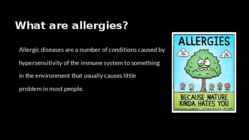
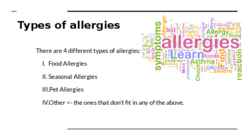
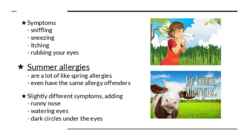
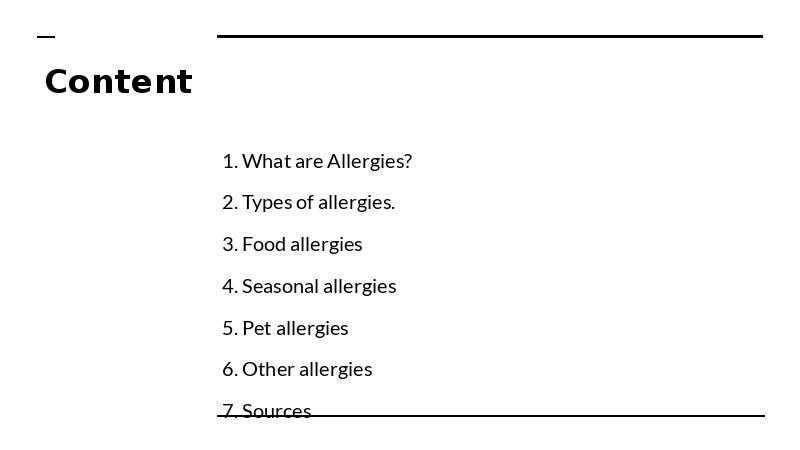
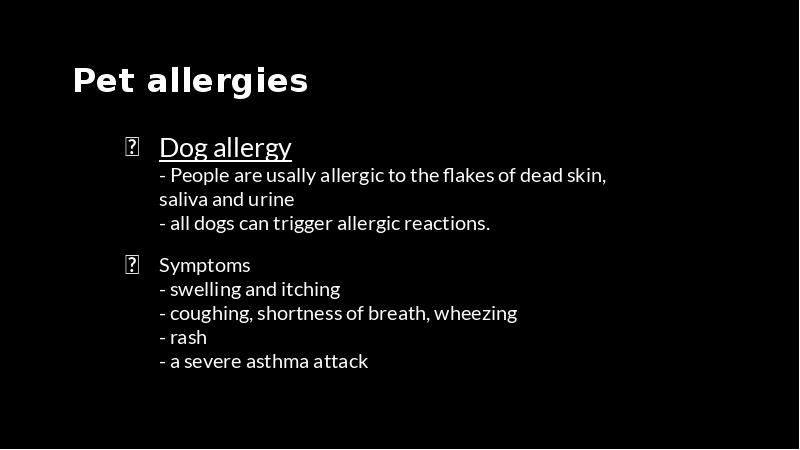
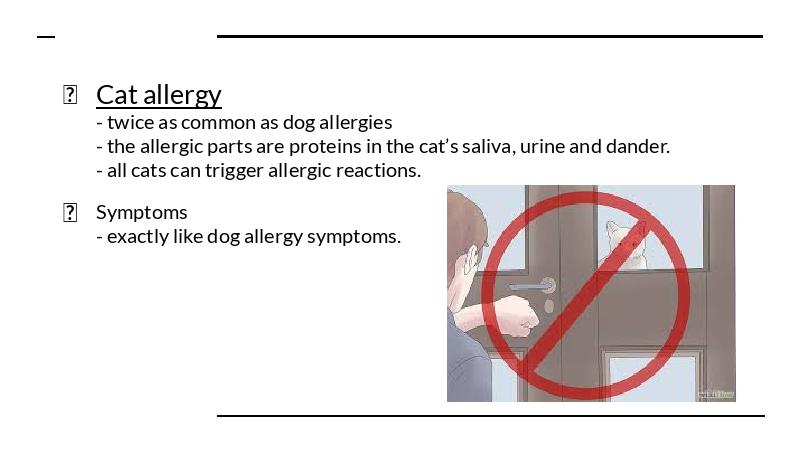
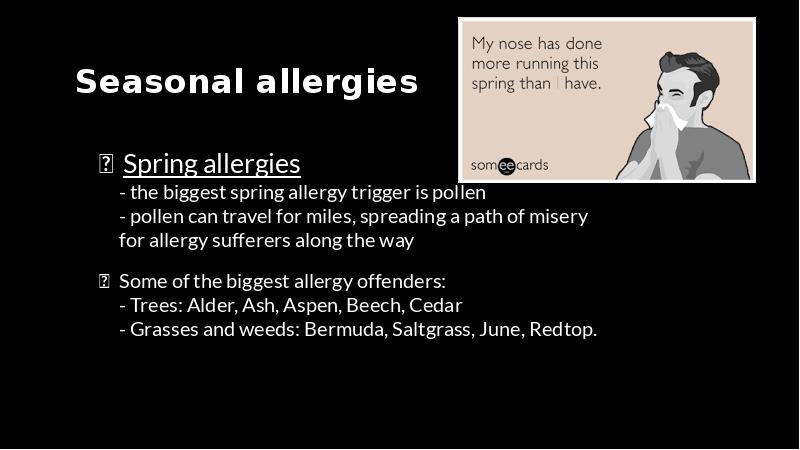
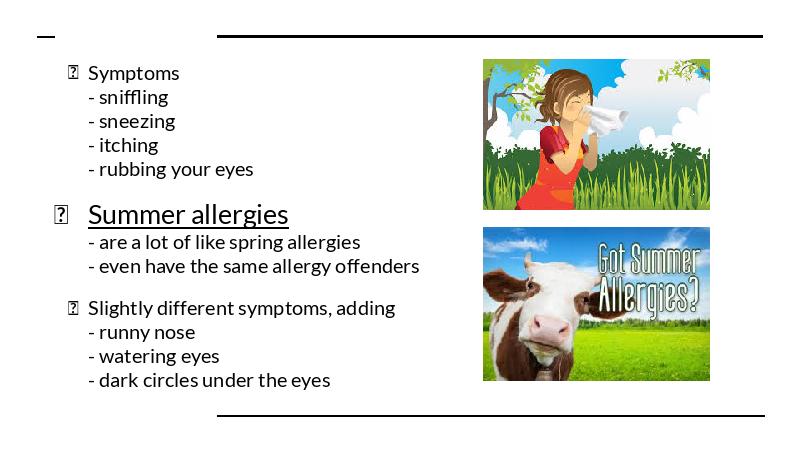
ALLERGIES An allergy is a hypersensitivity disorder of the immune system. Reactions occur when a person's immune system reacts to normally harmless substances in the environment. A substance that causes a reaction is called an allergen The most common allergens include dust mites, molds, pollens, animal dander, cockroaches, peanuts, milk, eggs, latex, and penicillin. The dust mite is the most common cause of allergies. Mild allergies like hay fever are very common in the human population and cause symptoms such as red eyes, itchiness, and runny nose, eczema, hives, or an asthma attack. Food Allergies-what can cause effects like vomiting, stomach upset and hives. Seasonal Allergies what can cause as an example effects like sniffling and sneezing Pet Allergies what cause coughing red itchy eyes runny nose and sneezing As an example from real life there are some people who also have
ALCOHOL Alcohol is a widely used substance for both science and in technology. Its name comes from an Arabic word al-kuhl meaning " a powder for painting the eyes". The term was later applied to all compounds that contain alcoholic spirits. To most people alcohol is considerd a downer that reduces activity in the nervous system. Some of the things alcohol effects you is, the alcohol intoxicated person exhibits lose muscle tone, loss of fine moter coordination,and often has a staggering "drunken" gait. The eyes may appear somewhat "glossy" and pupils may be slow to respond to stimulus. At high doses pupils may become constricted. At intoxing doses, alcohol can decrease heart rate, lower blood pressure and respiration rate, and result in decreased reflex and slower reaction times. Skin may be cool to touch but to the user may feel warm or normal, profuse sweating may accompany alcohol use. Loose muscle tone, lose of fine motor coordination,odor of alcohol on the breath,a
school Addiction and drugs summary name form year Table of contents Smoking...............................................................................................page 3 Narcotics............................................................................................................................page 4 1. Marijuana..............................................................................page 4 2. Ecstasy.................................................................................page 5 3. Heroin.................................................................................p
The sunflower (Helianthus annuus) is an annual(iga aastane) plant in the family Asteraceae, with a large flower head (inflorescence(õiekobar, õisik, õitseaeg, õidumine)). The stem(tüvi) of the flower can grow up to 3 metres tall, with the flower head reaching 30 cm in diameter. The term "sunflower" is also used to refer(nimetama, viitama, üle andma) to all plants of the genus(perekond, sugu) Helianthus, many of which are perennial(alaline, aastaringne) plants. What is usually called the flower is actually a head (formally(ametlikult) composite(liit-, komposiit- ; korvõieline, komposiit) flower) of numerous flowers (florets) crowded(täistuubitud, tunglev, rahvarohke) together. The outer flowers are the ray florets(pähik (õisiku osa) and can be yellow, maroon, orange, or other colors, and are sterile(steriilne, viljatu). The florets inside the circular head are called disc florets. Sunflower head displaying florets in spirals of 34 and 55 around the outside The florets wi
PRAISE FOR The 4-Hour Workweek "This is a whole new ball game. Highly recommended." --Dr. Stewart D. Friedman, adviser to Jack Welch and former director of the Work/Life Integration Program at the Wharton School, University of Pennsylvania "It's about time this book was written. It is a long-overdue manifesto for the mobile lifestyle, and Tim Ferriss is the ideal ambassador. This will be huge." --Jack Can eld, cocreator of Chicken Soup for the Soul®, 100+ million copies sold "Stunning and amazing. From mini-retirements to outsourcing your life, it's all here. Whether you're a wage slave or a Fortune 500 CEO, this book will change your life!" --Phil Town, New York Times bestselling author of Rule #1 "The 4-Hour Workweek is a new way of solving a very old problem: just how can we work to live and prevent our lives from being all about work? A world of in nite options awaits those who would read this book an
Jüri Gümnaasium THE GREAT PLAGUE IN LONDON Research paper Ervin Sagor 10.h Supervisor: Kristel Kriisa Jüri 2011 TABLE OF CONTENTS INTRODUCTION The history of England has always been fascinating for me and plague was one the most horrifying diseases in human history with millions of deaths across the world. That is why I chose the Great Plague as the topic of my research. The purpose of my study is to educate myself and gain more knowledge on the history and find out how people lived in England in the seventeenth century. For a start, I will give a short review what the bubonic plague is. Then I tell about Black Death in England before the Great Plague, city life before and during the plague. Secondly, I will examine how the plague reached Great Britain. After that I will describe how people dealt wit
4 disapprove of Leo Why not? What's the big fuss 5 long run about GM food? 6 to disagree Rosie It's unknown territory. We don't know enough about what effects it may have on the human body. You 4 know, they talk about how GM food 1 h 2 e 3 d 4 a could affect our digestion, cause 5 b 6 c 7 f 8 g allergies, that sort of thing. 5 1 unfriendly Leo There's a lot of controversy around it, but no actual evidence to 2 incorrect prove that GM food does us any harm. 3 completely Rosie I don't agree with that 4 totally argument, I'm afraid. There may be no 5 perfectly evidence right now, but it's the long- 6 wrong term effects that I'm concerned about
Formaldehyde Formaldehyde is a colorless, flammable gas at room temperature. It has a pungent, distinct odor and may cause a burning sensation to the eyes, nose, and lungs at high concentrations. Formaldehyde is also known as methanal, methylene oxide, oxymethylene, methylaldehyde, and oxomethane. Formaldehyde can react with many other chemicals, and it will break down into methanol (wood alcohol) and carbon monoxide at very high temperatures. Formaldehyde is naturally produced in very small amounts in our bodies as a part of our normal, everyday metabolism and causes us no harm. It can also be found in the air that we breathe at home and at work, in the food we eat, and in some products that we put on our skin. A major source of formaldehyde that we breathe every day is found in smog in the lower atmosphere. Automobile exhaust from cars without catalytic converters or those using oxygenated gasoline also contain formaldehyde. At home, forma
 annaabi.ee




























Kõik kommentaarid