Leidsid 33 sarnast õppematerjali, mis on seotud failiga "Tegusõna BE". Need materjalid aitavad sul teemat sügavamalt mõista.
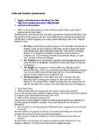
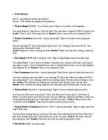
pretty, tegusõna, ainsus, mitmus, lazy, olevikus, strong, cheap, happy, rich, küsiv, järjekorra- Pühad at Christmas - At the moment - At present - At lunch time At last / least Lõpuks / vähemalt From ...to / From ... till Kuskilt For kui kauaks ( We went for holidays ten days) By mitte hiljem kui P.S. Ajamäärsõnu ei kasutata selliste sõnadega nagu : today , tomorrow, tonight, yesterday, this...(day) , last..., next..., every..., all..., some ..., each..., one ..., any...! Tegusõna BE Tegusõnal BE on olevikus kolm vormi: I am He, she, it is We, you, they are Ainsus 1. isik I am young 2. isik You are strong 3. isik He is cleaver She is pretty It is cheap Mitmus 1. isik We are happy 2. isik You are kind 3. isik They are rich Küsiv vorm (mida eesti keelde tõlgitakse kas-küsimuse abil) moodustatakse sõnade järjekorra muutmise teel: He is lazy. Is he lazy? She is pretty. Is she pretty? Lihtminevikus kasutatakse ainsuses vormis was, mitmuses aga vormi were.
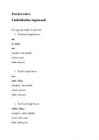
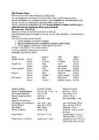
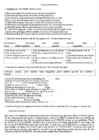
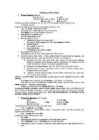
Inglis keele grammatika reeglid. Tegusõna BE Tegusõnal Be on olevikus kolm kolm vormi: I am He, she, it is we, you, they are a 1.isik I am young. Ma olen noor. I 2.isik you are strong. Sa oled/Te olete tugev. N 3.isik Hi is clever. Ta (meessoost) on tark. S She is pretty. Ta (naissoost) on ilus. u It is cheap. See on odav. S M 1.isik We are happy. Me oleme õnnelikud. I 2.isik You are kind. Te olete lahked. T 3.isik They are rich. Nad on rikkad. M U S Kõnekeeles eelistatakse BE lühivorme: I am = I'm he is = he's she is = she's it is = it's we are = we're You are = you're they are = they're KÜSIV VORM moodustatakse sõnade järjekorra muutmise teel: He is lazy. Ta on laisk. Is he lazy? Kas ta on laisk?
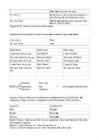
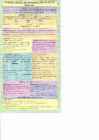
I Am I am Young. (ma olen noor) He, she, it Is He is clever. (Ta on tark) It is cheap(see on odav) She is pretty (ta [naissoost] on ilust) We, you, they Are We are happy(Me oleme õnnelikud) They are rich.( Nad on rikkad) Tegusõnal BE (olema) on olevikus kolm vormi. Lihtminevikus kasutatakse ainsuse vormi was, mitmuses aga vormi were I, he, she, it Was We, you, they were Jaatav lause Küsiv lause Eitav lause I was there. Ma olin seal Was I there? I was not there. You were there Te olite seal Were you there? You were not there. He was there
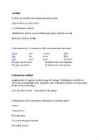
Tegusõna be 1. I MINA MY MINU YOU SINA YOUR SINU HE TEMA (M) HIS TEMA (M) SHE TEMA (N) HER TEMA (N) IT SEE ITS SELLE WE MEIE OUR MEIE YOU TEIE YOUR TEIE THEY NEMAD THEIR NENDE 2. I am strong Ma olen tugev You are young Sa oled/ Te olete noor He is happy Ta (meessoost) on õnnelik She is clever Ta (naissoost) on kaval It is cheap See on odav We are old Me oleme vanad You are rich Te olete rikkad They are kind Nad on lahked 3. Kõnekeeles eelistatakse BE lühivorme: I am = I'm we are = we're
Mona is always crying. · Varsti toimuvat tegevust, mis on enne kokku lepitud, ette kavatsetud. We are meeting tonight. We are going to the theatre. Pane tähele! Kestvat olevikku kasutatakse tegevusverbides (I am dancing, you are eating etc.). Mõned verbid on mitte tegevusverbid, näiteks ei saa öelda I am liking või you are knowing, vaid I like ja you know. Järgmiseid verbe ei kasutata tavaliselt kestvas olevikus. like love hate want need prefer know realise suppose mean understand believe remember belong contain consist depend seem Past Simple Lihtmineviku moodustamine Jaatav vorm Eitav vorm Küsiv vorm I asked I did not ask Did I ask?
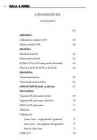
ARTIKKEL Umbmäärane artikkel A/AN 60 Määrav artikkel THE 60 ASESÕNA Isikulised asesõnad 62 Omastavad asesõnad 62 SOME, ANY ja NO ning nende liitvormid 62 MANY ja MUCH; FEW ja LITTLE 64 NIMISÕNA Nimisõnade mitmus 65 Nimisõnade omastav kääne 66 OMADUSSÕNA kesk- ja ülivõrre 67 TEGUSÕNA Tegusõna BE pööramine (olevik) 69 Tegusõna BE pööramine (minevik) 70 HAVE GOT pööramine 71 Üldolevik 73 Üldminevik
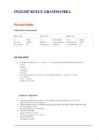
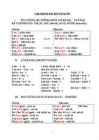
GRAMMAR REVISION I. TEGUSÕNA BE PÖÖRAMINE (VERB BE) OLEMA! BE VORMID ON: AM, IS, ARE (olevik), WAS, WERE (minevik). Olevik Minevik I am mina olen I was mina olin You are sina oled You were sina olid He is tema (m.) on ainsus He/ She/ It was tema/ see oli She is tema (n.) on It is see on We are meie oleme mitmus We were me olime You are teie olete You were te olite They are nemad on They were nemad olid II. LÜHENDID (SHORT FORMS) I am = I ´ m I (you/ they) have = I ´ ve You are = You ´ re she (he/ it) has = she ´ s He is = he ´ s is not = isn ´ t I will = I ´ll She is = she ´ s are not = aren ´ t will not = won ´t
Future Perfect in the Past would have + III pv would have been + III pv ( I should have been + III pv) Conditional Sentens (tingimuslaused) Tingimuslaused koosnevad kahest osast: If (tingimus), (tingimus realiseerub) kõrvallause pealause. Type 1 reaalne tingimus olvikus või tulevikus. Tingimus (if), Tulemus Verb lihtolevikus, kestvas olevikus või Verb lihtolvikus või lihttulevikus täisminevikus (do, is, doing, have done) If she phones me, you will answer the phone. If he isn´t going, I will go there myself. If she has given a promise, she has to keep it. Type 2- ebareaalne tingimus olevikus või tulevikus Tingimus (if) Tulemus Verb lihtminevikus (did). would/should+verb NB
Ennetulevik Future perfect Tulevikus toimuma hakkav tegevus. Tomorrow, next week, next year, in 2020. Will + 3. pv Two more years and I hope I will pass my exams. I will go swimming with my sister next week. Will you help me with my homework tomorrow. Üldminevik Past tense Üldminevik väljendab inglise keeles minevikus aset leidnud lõpetatud tegevust. Kasutatakse väljendeid: yesterday, two minutes ago, last Friday, five years ago. Reeglipärastele verbidele liidetakse tegusõna vormile ed. to watch he watched ta vaatas to listen he listened ta kuulas to walk he walked ta kõndis Üksiku rõhulise tähe järel muutub üksik lõpukaashäälik kahekordseks (p, b, t, d, g, m, n) to stop he stopped ta peatus to plan he planned ta planeeris Mittehääldav e kaob lõpu ed ees. to arrive he arrived ta saabus
Ennetulevik Future perfect Tulevikus toimuma hakkav tegevus. Tomorrow, next week, next year, in 2020. Will + 3. pv Two more years and I hope I will pass my exams. I will go swimming with my sister next week. Will you help me with my homework tomorrow. Üldminevik Past tense Üldminevik väljendab inglise keeles minevikus aset leidnud lõpetatud tegevust. Kasutatakse väljendeid: yesterday, two minutes ago, last Friday, five years ago. Reeglipärastele verbidele liidetakse tegusõna vormile ed. to watch he watched ta vaatas to listen he listened ta kuulas to walk he walked ta kõndis Üksiku rõhulise tähe järel muutub üksik lõpukaashäälik kahekordseks (p, b, t, d, g, m, n) to stop he stopped ta peatus to plan he planned ta planeeris Mittehääldav e kaob lõpu ed ees. to arrive he arrived ta saabus
Exercise 4 Underline the nouns that should be capitalized. Circle the nouns that should not be capitalized. 1 Robert louis Stevenson wrote treasure island. 2 The Capital of illinois is Springfield. 3 My Friends and I prefer Glittergums toothpaste. 4 Their Family visited Yellowstone national Park. 5 Juan and maria attend kennedy Middle school. 6 We had a Surprise Party for aunt Helen. 7 Spring and Fall are my favorite Seasons. 8 The Manager scolded his lazy Employees. 20 Singular Nouns Nouns can be singular or plural. When you are talking about one person, animal, place, or thing, use a singular noun. an owl a ship a train a woman Word File These are also singular nouns:
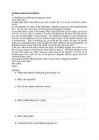
........................................................................ 1.2 Read the text and strike though words that don't suit. She stood and watched on/the darkening autumn sky. It was cold. So cold, that the little girl could/might not even cry. She was/is scared, but having no other choice, she stood/stands still until it started to rain. Then, finally, a/an older woman spotted the shaking creature, and called her in for/due to a cup of hot chocolate. The little girl had been/was really happy and followed the kind woman. They became good friends and in/at the evening the woman said that/if the girl could stay as long as she wanted/had wanted. And so it was decided that the girl would/will/is going to/was going to stay with her new stepmother. Happy end 1.3 Fill in missing prepositions where necessary. 1) The party was ..... Saturday. 2) What are you doing ..... Tuesday? 3) ..... teachers were not amazed by his pranks. 4) Are you going ..... the ball? 5) ....
Grammar Present Simple (Lihtolevik) and Present Continuous (Kestev olevik) PRESENT SIMPLE - LIHTOLEVIK Lihtolevik väljendab: 1) Harjumuspärast tegevust või seisundit olevikus. What time do you usually get up? 2) Üldtuntud tõdesid ja fakte. It always rains in October. 3) Oskusi ja võimeid. She speaks English well. Juhul kui tegusõna lõpeb häälikuga `s` või ühenditega sh`, `ch`, lisatakse ainsuse kolmandas pöördes tegusõna lõppu ` ES` (switch switches). Täpselt sama reegel kehtib tegusõnade kohta, mis lõpevad häälikuga `o` (go goes). Erandina tuleks välja tuua tegusõna `have`, mille ainsuse kolmas pööre on has. He/She has a nice car. Does he/she have a nice car? He/She does not have a nice car. Juhul kui küsimus algab küsisõnaga (when, where, how, why, what), järgneb küsisõnale alati abitegusõna DO või DOES. Jaatav lause Küsiv lause Eitav lause
Prepositsiooni with kasutatakse tööriista, materjali ja koostisosade ees, mida tegija kasutas: The pasta sauce was made by Tony. It was made with fresh tomatoes from the garden. Kui me tahame teada, kes või mis oli tegija, saame moodustada passiivi küsimuse Who/ What ... by?: Who was the book written by? Passiivi moodustatakse be (is/ was jne) + mineviku kesksõna (past participle) ehk III põhivorm (done/ cleaned/ seen jne). Aktiivilause sihitisest saab passiivilause alus. Aktiivilause tegusõna jääb samasse ajavormi, kuid muutub passiivseks. Aktiivilause alus ehk tegija jäetakse ära või pannakse lause lõppu prepositsiooni by järele: Present simple passive am/ is/ are + III pv (cleaned/ seen jne) Many accidents are caused by careless driving. Present simple active: Somebody cleans this room every day. passive: This room is cleaned every day. Past simple passive was/ were + III pv (cleaned/ seen jne) We were woken up by a loud noise during the night.
You aren't going to eat are you going to eat? He/she/it is going to eat He/she/it isn't going to eat is he/she/it going to eat? We are going to eat we aren't going to eat are we going to eat? You are going to eat you aren't going to eat are you going to eat? They are going to eat they aren't going to eat are they going to eat? Plural of nouns nimisõnade mitmus - s a window windows a student students a key keys, a roof roofs -es sõna lõpulisetele ch, sh, s, ss, x, o A watch- watches, a bush- bushes, a bus buses, a class classes, a fox foxes, a potato potatoes, a tomato- tomatoes, a book books, a key keys, a box boxes, miss misses, wash-washes, mix-mixes, go-goes, do-does. -ies consonant +-y a country countries, a diary- diaries, a boy boys, a dictionary dictionaries, try tries, play-plaies
You know how I detest it, unless I am particularly acquainted with my partner. At such an assembly as this it would be insupportable. Your sisters are engaged, and there is not another woman in the room whom it would not be a punishment to me to stand up with." "I would not be so fastidious as you are," cried Mr. Bingley, "for a kingdom! Upon my honour, I never met with so many pleasant girls in my life as I have this evening; and there are several of them you see uncommonly pretty." "You are dancing with the only handsome girl in the room," said Mr. Darcy, looking at the eldest Miss Bennet. "Oh! She is the most beautiful creature I ever beheld! But there is one of her sisters sitting down just behind you, who is very pretty, and I dare say very agreeable. Do let me ask my partner to introduce you." "Which do you mean?" and turning round he looked for a moment at Elizabeth, till
loyal and fair man, who expressed his disgust for "false pearls" by keeping distance. Even though he so tended to escape from those worthy of his sympathy, too. Still, everything wonderful fascinated him deeply, as a pure soul he didn't lie about his feelings. · Mr. Wickham hid an irresponsible, ungrateful and advantage-taking persona under the mask of a gentleman. A pretty face with a rotten heart, but nothing extraordinary... · Mr. Bingley was one positive character all the way. Nobody could've believed bad things of him. As an extremely good-hearted and quite a romantic soul, he was kind of naive and that bought up a lot of misunderstandings. A person everyone seemed easy to sympathize with. · The Bennet sisters Two of the eldest were close to the heart from the
Examples: When does the train arrive? We should call the ambulance. Example: I need a new laptop. Hand me a pencil, please. • with adjectives like rich, poor, or unemployed to talk about with professions. groups of people. Example: He is a postman. Example: Do you think the rich should pay more taxes? to show the person / thing is one of a group.
g) I don't like people who are noisy and aggressive/courageous/sociable. h) Thanks for bringing us a present. It was very adorable/grateful/thoughtful of you. i) Teresa never gets angry with the children. She is very brave/patient/pleasant. j) Tom always pays for everyone when we go out. He's so cheerful/generous/honest. 2. Match the words in the box with the descriptions (a-l). Use each word once only. bad-tempered determined lazy reliable cheerful frank mean selfish considerate honest punctual sympathetic a) You always arrive on time e) You don't think about the needs of others i) You think about the needs of b) You are always happy f) You have a strong wish to get what you others c) You do what you say you will do want j) You tell the truth and obey the law
other systems like, well, group housing. Ms. Berger and Ms. Hazard had had collective living experiences before, in upstate New York and Oregon, and they connected over what they had learned there, as well as over the creeping dread both were feeling about returning home to New York City. "If we could envision it," Ms. Berger said, "we thought we could build it." Energetic, cheerful and outgoing, they seemed very nicely matched, in this reporter's opinion anyway, and a pretty terrific catch for just about anyone. But early last week, they still had no firm prospects and, more important, no house. The two were barely sleeping, they said; the reporter fretted over them. Meanwhile, in Philadelphia, a similar scenario was being enacted. There, three roommates already had their house, a funky Victorian in the Cedar Park neighborhood, but needed five more. Their advertisement on Craigslist ran to two pages when printed out and contained all
Kirjapraktika Portfoolio 2013 1. Poems Sea Warm, Cool Moving, Waving, Feeding Part of my happy dream Life Life Long, Hard Exiting, Full-filling, Never-ending Funny, Weird, Mad, Painful Trying, Hurting, Haunting Sad, Irrefutable Death 2. Short message
TEGUSÕNA AKTIIVI AJAD Lihtolevik Kestev olevik Perfekti olevik Perfekti kestev O [ ma töötan (igal suvel) ] [ ma töötan (praegu) ] [ ma olen (siin) töötanud (alates [ (täna) olen ma (jub 1987. a.) ] töötanud ] O L I, you, we, they I am E work working I, you, we, they have worked I, you, we they have bee V He, she, it He, she, it is He, she, it has He, she, it has b I works working worked We, you, they are w
[was/were + going to + VERB] I knew you were going to go to the party. I told you he was going to come to the party. I already told Mark that when he arrived, we would go out for dinner. Active= I knew John would finish the work by 5:00 PM. Passive= I knew the work would be finished by 5:00 PM. 17. Gerunds See on nimisõna, mis on tuletatud teguseõnast ning lõppu käib -ing. Reading helps you learn English. He enjoys not working. 18. Infinitives See on tegusõna to vorm. Näiteks: sõnast learn tekib to learn 19. Phrasal Verb See on tegusõna + eessõna või määrsõna, mis loob esimesest lausest teise tähenduse, kasutades sama tegusõna. I ran into my teacher at the movies last night. He ran away when he was 15. 20. Negative question Negatiivsed küsimused sisaldavad enamasti emotsioone ning kõlavad teatud situatsioonides ebaviisakalt. Didn't she like the film? Yes, she did. Aren't they reading now? Yes, they are. Isn't he a student
Eitav,küsiv do (I, you, we, they) he does not work does (he, she, it) does he work? Verbidele, mis lõpevad infinitiivis ss, -sh, -ch, -x või o, lisatakse ainsuse 3. pöördes es he touches, she goes Verbidel, mis lõpevad y-ga, mille ees on konsonant, muutub y->ies carry - he carries Vrdl: play he plays 1. Harjumuspärane, korduv tegevus või seisund olevikus. Tom drinks tea every day. He lives in Brussels. 2. Üldtuntud tõed, loodusseadused The earth goes round the sun. 3. Tulevikus toimuv tegevus a) Sõiduplaanid, planeeritud programmid. The train for Tallinn leaves at 10. The course begins on Monday. b) Tingimuslausetes If you want me, just call c) Ajamääruslausetes I shall speak to him when he comes. 2
MODULE 1 Greeting. Introducing oneself and the others. The alphabet. Spelling. The tenses. How to introduce yourself and others Formal introductions How to respond and reply to an May I introduce myself? I am John introduction Smith. How do you do. Allow me to introduce John Smith to Pleased to meet you. you. Standard introduction Nice to meet you. I'd like you to meet John Smith. Hello. I want you to meet John Smith. I'm so pleased to meet you. This is Jane Smith. I'm Jane Smith. My name's John Smith. Informal introduction Hi. John. Jane. Hello. Titles: Mr Mrs Miss Ms Ms is a modern form of address for women. It replaces the traditional forms of Mrs and Miss. Greetings Good morning/afternoon/evening! 'How are you?' Very often people expect you to s
1.tegevustest mis toimuvad rääkimise käigus (Sam is dancing on the dancefloor) 2.ajutistest tegevustest ja harjumustest (I´m taking care of Sam´s house, while he is in Paris) 3.isiklikest tulevikuplaanidest (We´re traveling to Põlva on Friday) 4.ärritusest, mis tekib teise inimese halvast harjumusest (he is always smoking inside the house) Present Perfect--- Kasutatakse, et rääkida: 1.Mineviku sündmustest, tegevustest, millel on tagajärjed või tulemused olevikus (I have written a book) 2.ühekordsetest või korduvatest sündmustest, mis toimusid minevikus, kuid mille puhul pole oluline, kuna nad aset leidsid (Have you ever swum in valgejärve?) 3.situatsioonidest, mis algasid minevikus ja kestavad siiani ( She has been learning since yesterday). Present Perfect Continuous-Kasutatakse, et rääkida: 1.Kestvatest või korduvatest tegevustest, mis algasid minevikus ja ei ole lõppenud (I´ve been learning a lot reacently, because I want to learn at
t): playt rtg. tt rt t t ng jr.
OLEVIKU AJAVORMID MINEVIKU AJAVORMID
Lihtolevik tThc timplc prcsenrt Lihtminevik (The ,simple past)
Esimene p6hivorm (infinitiiv). Ainsuse 3. p6ilr- Teine pdl.rivorm. Kbnehetkeks lOppenud tegevus,
des lisatakse -(a]s. Harjumuspiirane, korduv tege- mis on seotud nringi kindla ajamaarusega
vus olevikus. I walk i he a)olks er en dor . rr iner ikus. I returned ),esterdq,-. He lelt u/ier lmc:h.
Kestev olevik (Tke pre,sent progressive) Kestev minevik (The pa,st progressitte)
am/is/are + irg-vorm. Kdnehetkel v6i hiiesoleval was/were + iug-vorm. Minevikus teatud
ajaperioo
34. Put enough after, not before, adjectives. This soup isn't hot enough. (NOT This soup isn't enough hot.) She's old enough to walk to school by herself. 35. Don't use a structure with that ... after want or would like. My parents want me to go to university. (NOT My parents want that I go to university.) I'd like everybody to leave. (NOT I'd like that everybody leaves.) 36. After link verbs like be, seem, feel, look, smell, sound, taste, we use adjectives, not adverbs. I feel happy today. (NOT I feel happily today.) This soup tastes strange. (NOT This soup tastes strangely.) 37. Use than after comparatives. My mother is three years older than my father. (NOT My mother is three years older that/as my father.) Petrol is more expensive than diesel. 38. In questions, put the subject immediately after the auxiliary verb. Where are the President and his family staying? (NOT Where are staying the President and his family?) Have all the guests arrived
She was somehow related to the girl. Turner was not a very nice person. She was very calm when she heard about the murder and did not seem to be surprised nor sad, more like confused. The hotel staff wasn't very fond of her and neither were the detectives. She seemed to be clever and hiding something. Basil Blake was a murder suspect with an arrogant attitude towards the police. He was having parties at his house all the time with young women coming over. He was a rich man working in the film business. He did not want to talk to the police very much and the neighbours did not like him at all, he was not really kind to people. Mr and Mrs Bantry were a married couple in their 60's I think. The body was found from their house but the people were sure that they weren't involved in the murder because they were nice people. Mr Bantry was a reliable man who was a retired colonel. He was a calm and clever man. Never did anything unwise. Mrs
The Rich Boy Francis Scott Key Fitzgerald Words 1. Queer. Meaning in Estonian: imelik, veider. Example from book: That is because we are all queer fish, queerer behind our faces and voices... 2. To conceal. Meaning in Estonian: varjama. Example from book: I feel pretty sure that he has some definite and perhaps terrible abnormality which he has agreed to conceal... 3. Misprision. Meaning in Estonian: kuriteo varjamine. Example from book: ...And his protestation of being average and honest and open is his way of reminding himself of his misprision. 4. Cynical. Meaning in Estonian: küüniline. Example from book: They are...cynical where we are thrustful. 5. Refuges
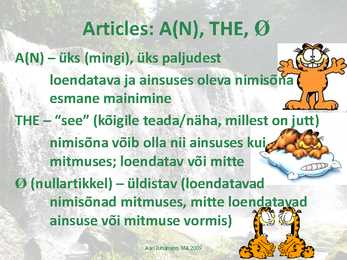
Articles: A(N), THE, Ø A(N) üks (mingi), üks paljudest loendatava ja ainsuses oleva nimisõna esmane mainimine THE "see" (kõigile teada/näha, millest on jutt) nimisõna võib olla nii ainsuses kui mitmuses; loendatav või mitte Ø (nullartikkel) üldistav (loendatavad nimisõnad mitmuses, mitte loendatavad ainsuse või mitmuse vormis) Aari Juhanson, MA 2009 A(N) Loendatavate, ainsuses olevate ja esmakordselt mainitavate nimisõnade/omadus- ja nimisõnade ees · Uus info: A (young) man in a streetcar smiled at me. · Ametid: She always wanted to be a dancer. · Kindlad väljendid: a couple of; be in a hurry; etc Aari Juhanson, MA 2009 A(N) set phrases They left a couple of days ago and all of a sudden I realized that it had been a long time since they last called. We usually have a good time together and, unless we are in a hu
1 I take after my mum 2 1 disorientated 5 withdrawn 7 granted 12 Although 2 the spitting image 2 distraught 6 preoccupied 3 a strong family resemblance 4 1 F 2 T 3 F 4 F 5 T 3 bewildered 7 circumspect between 4 overwhelmed 5 1 ignore 4 lot of my dad's traits 3 1 f hindsight 4 c evocative 5 comes to, more in common 2 broadened out
KESTEV OLEVIK Present Continuous Kestev olevik väljendab tegevust mis toimub praegu. ,,be" olevikus + põhitegusõna / I am;he, she, it is;we, you they are / -ing vorm Küsiv vorm moodustatakse sõnajärje muutumise teel ja eitav vorm not lisamisega peale BE vormi: N: Jaatav- He is reading. Küsiv- Is he reading? Eitav- He is not (isn't) reading. Märksõnad: now (paregu)
 annaabi.ee