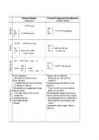
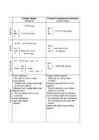
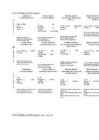
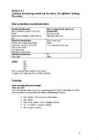
Leidsid 33 sarnast õppematerjali, mis on seotud failiga "Tegusõna BE. Lihtminevik was-were". Need materjalid aitavad sul teemat sügavamalt mõista.
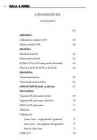
there, tegusõna, põhivorm, minevik, finish, olevik, olevikus, finished, belong, clever, cheap, pretty, naissoost, ilust, happy, rich, mitmuses, jaatav, küsiv, eitav, olite, tegusõnadel, algvorm, arrived, gone, clockIsikulised asesõnad 62 Omastavad asesõnad 62 SOME, ANY ja NO ning nende liitvormid 62 MANY ja MUCH; FEW ja LITTLE 64 NIMISÕNA Nimisõnade mitmus 65 Nimisõnade omastav kääne 66 OMADUSSÕNA kesk- ja ülivõrre 67 TEGUSÕNA Tegusõna BE pööramine (olevik) 69 Tegusõna BE pööramine (minevik) 70 HAVE GOT pööramine 71 Üldolevik 73 Üldminevik Jaatav lause - reeglipärased tegusõnad 74 Jaatav lause - ebareeglipärased tegusõnad 75 Eitav ja küsiv lause 77
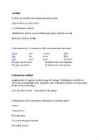
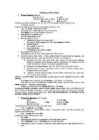
NB! ERANDID! · Verbidel, mis lõppevad ega kaob, ing lisamisel e ära. take taking make making · Lühikeste silpidega verbidel kahekordistub kaashäälik. get getting swim swimming · Yga lõppevatel verbidel, y ei kao ära. study studying cry crying · . die / tie / lie muutuvad dying / tying / lying Kestev olevik väljendab: · Tegevust või muutust, mis toimub antud hetkel ega pole veel lõppenud. I am making a cake at the moment. I can´t help you right now, I am working. · Tegevust, mis toimub mingil aja perioodil. He wants to buy a car that is why he is taking driving lessons. · Sageli korduvat tegevust (eriti koos always, continually), mis väljendab kõneleja emotsionaalset hinnangut. Mona is always crying.
SHE TEMA (N) HER TEMA (N) IT SEE ITS SELLE WE MEIE OUR MEIE YOU TEIE YOUR TEIE THEY NEMAD THEIR NENDE 2. I am strong Ma olen tugev You are young Sa oled/ Te olete noor He is happy Ta (meessoost) on õnnelik She is clever Ta (naissoost) on kaval It is cheap See on odav We are old Me oleme vanad You are rich Te olete rikkad They are kind Nad on lahked 3. Kõnekeeles eelistatakse BE lühivorme: I am = I'm we are = we're he is = he's you are = you're she is = she's they are = they're It is = It's 4
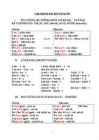
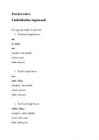
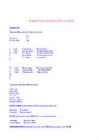
GRAMMAR REVISION I. TEGUSÕNA BE PÖÖRAMINE (VERB BE) OLEMA! BE VORMID ON: AM, IS, ARE (olevik), WAS, WERE (minevik). Olevik Minevik I am mina olen I was mina olin You are sina oled You were sina olid He is tema (m.) on ainsus He/ She/ It was tema/ see oli She is tema (n.) on It is see on We are meie oleme mitmus We were me olime You are teie olete You were te olite They are nemad on They were nemad olid II. LÜHENDID (SHORT FORMS)
3. Present Continuous [am/is/are + present participle]. Tegevus toimub/ei toimu praegusel hetkel. You are watching TV. You are learning English now. I am studying to become a doctor. I am meeting some friends after work. Active= Right now, Tom is writing the letter. Passive= Right now, the letter is being written by Tom. 4. Past Simple [VERB+ed] or irregular verbs. Tegevus algas/lõppes minevikus täpsel ajal. . You called Debbie. I saw a movie yesterday. I finished work, walked to the beach, and found a nice place to swim. I lived in Brazil for two years. I studied French when I was a child. Active = Tom repaired the car. Passive= The car was repaired by Tom. 5. Past Continuous [was/were + present participle]. Pikalt kestev tegevus katkestati minevikus. You were studying when she called. I was watching TV when she called. Last night at 6 PM, I was eating dinner. I was studying while he was making dinner. She was always coming to class late
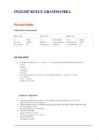
- Pühad at Christmas - At the moment - At present - At lunch time At last / least Lõpuks / vähemalt From ...to / From ... till Kuskilt For kui kauaks ( We went for holidays ten days) By mitte hiljem kui P.S. Ajamäärsõnu ei kasutata selliste sõnadega nagu : today , tomorrow, tonight, yesterday, this...(day) , last..., next..., every..., all..., some ..., each..., one ..., any...! Tegusõna BE Tegusõnal BE on olevikus kolm vormi: I am He, she, it is We, you, they are Ainsus 1. isik I am young 2. isik You are strong 3. isik He is cleaver She is pretty It is cheap Mitmus 1. isik We are happy 2. isik You are kind 3. isik They are rich Küsiv vorm (mida eesti keelde tõlgitakse kas-küsimuse abil) moodustatakse sõnade järjekorra muutmise teel: He is lazy. Is he lazy? She is pretty. Is she pretty? Lihtminevikus kasutatakse ainsuses vormis was, mitmuses aga vormi were.
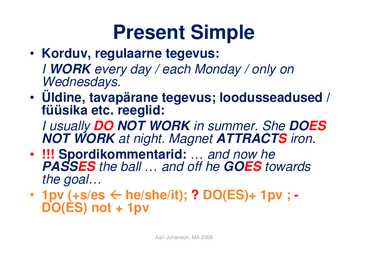
Eitav,küsiv do (I, you, we, they) he does not work does (he, she, it) does he work? Verbidele, mis lõpevad infinitiivis ss, -sh, -ch, -x või o, lisatakse ainsuse 3. pöördes es he touches, she goes Verbidel, mis lõpevad y-ga, mille ees on konsonant, muutub y->ies carry - he carries Vrdl: play he plays 1. Harjumuspärane, korduv tegevus või seisund olevikus. Tom drinks tea every day. He lives in Brussels. 2. Üldtuntud tõed, loodusseadused The earth goes round the sun. 3. Tulevikus toimuv tegevus a) Sõiduplaanid, planeeritud programmid. The train for Tallinn leaves at 10. The course begins on Monday. b) Tingimuslausetes If you want me, just call c) Ajamääruslausetes I shall speak to him when he comes. 2
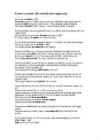
Inglis keele grammatika reeglid. Tegusõna BE Tegusõnal Be on olevikus kolm kolm vormi: I am He, she, it is we, you, they are a 1.isik I am young. Ma olen noor. I 2.isik you are strong. Sa oled/Te olete tugev. N 3.isik Hi is clever. Ta (meessoost) on tark. S She is pretty. Ta (naissoost) on ilus. u It is cheap. See on odav. S M 1.isik We are happy. Me oleme õnnelikud. I 2.isik You are kind. Te olete lahked. T 3.isik They are rich. Nad on rikkad. M U S Kõnekeeles eelistatakse BE lühivorme: I am = I'm he is = he's she is = she's it is = it's we are = we're You are = you're they are = they're
Prepositsiooni with kasutatakse tööriista, materjali ja koostisosade ees, mida tegija kasutas: The pasta sauce was made by Tony. It was made with fresh tomatoes from the garden. Kui me tahame teada, kes või mis oli tegija, saame moodustada passiivi küsimuse Who/ What ... by?: Who was the book written by? Passiivi moodustatakse be (is/ was jne) + mineviku kesksõna (past participle) ehk III põhivorm (done/ cleaned/ seen jne). Aktiivilause sihitisest saab passiivilause alus. Aktiivilause tegusõna jääb samasse ajavormi, kuid muutub passiivseks. Aktiivilause alus ehk tegija jäetakse ära või pannakse lause lõppu prepositsiooni by järele: Present simple passive am/ is/ are + III pv (cleaned/ seen jne) Many accidents are caused by careless driving. Present simple active: Somebody cleans this room every day. passive: This room is cleaned every day. Past simple passive was/ were + III pv (cleaned/ seen jne) We were woken up by a loud noise during the night.
......................................................................................................3 Lihtolevik The present simple..................................................................................... 3 Lihtminevik The past simple....................................................................................... 3 Lihttulevik The future simple...................................................................................... 3 Kestev olevik The present continuous......................................................................... 3 Kestev minevik The past continuous........................................................................... 4 Kestev tulevik The future conrinuous..........................................................................4 Täisminevik The present perfect..................................................................................4
INGLISE KEEL Sisukord Sisukord 2 Ajavormid Tense vorms 3 Lihtolevik The present simple 3 Lihtminevik The past simple 3 Lihttulevik The future simple 3 Kestev olevik The present continuous 3 Kestev minevik The past continuous 4 Kestev tulevik The future conrinuous 4 Täisminevik The present perfect 4 Enneminevik The past perfect 4 Ennetulevik Future perfect 5 Üldminevik Past tense 5 Üldtulevik Future indefinite 5 Artiklid ja eessõnad 7 Eessõnad 7
· She worked at the movie theater after school. · They never went to school, they always skipped class. Examples: USE 5 Past Facts or Generalizations · I finished work, walked to the beach, and found a nice place to swim. · He arrived from the airport at 8:00, checked into the hotel at 9:00, and met the others at 10:00. Examples: · Did you add flour, pour in the milk, and then add the eggs? · She was shy as a child, but now she is very outgoing.
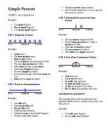
AJAD Simple Present: (olevik. Kui midagi toimub iga päev. every day.) EXAMPLES: I play tennis. She does not play tennis. The train leaves every morning at 8 am. The train does not leave at 9am. She always forgets her purse. (Ta alati unustab oma koti) He never forgets his wallet. Every twelve months, the Earth circles the sun. The sun does not circle the Earth. Past Simple: (midagi on tehtud. Tegusõna tuleb panna minevikku ehk II põhivormi. Seda aega tuleb kasutada siis, kui lause väljendab tegevust, mis minevikus tehti ja ka ära lõpetati!) EXAMPLES: I saw a movie yesterday. (Ma nägin eile filmi. Nägin filmi lõpuni.) I didn't see a movie yesterday. Last year, I traveled to Japan. (Sõitsin Jaapanini välja, mitte ei jäänud reisi peal kuhugi toppama) Last year, I didn't travel to Japan. She washed her car. (Ta pesi auto ära
Do I vorm (Do ... play ... ?) KÜSILAUSE Am he Is I vorm+ing (playing) Does she I vorm Are it (Does ... play ... ?) Korduv tegevus: Praegu toimuv tegevus: We have art twice a week. What are you doing there, Püsiv olukord: children? Children start school at the age Praeguse perioodi vältel toimuv of seven in Estonia. tegevus: Sõiduplaanide ja ajagraafikutega They're building a new railway KASUTAMINE seotud tulevik: station in our town.
Do I vorm (Do ... play ... ?) KÜSILAUSE Am he Is I vorm+ing (playing) Does she I vorm Are it (Does ... play ... ?) Korduv tegevus: Praegu toimuv tegevus: We have art twice a week. What are you doing there, Püsiv olukord: children? Children start school at the age Praeguse perioodi vältel toimuv of seven in Estonia. tegevus: Sõiduplaanide ja ajagraafikutega They're building a new railway KASUTAMINE seotud tulevik: station in our town.
Do I vorm (Do ... play ... ?) KÜSILAUSE Am he Is I vorm+ing (playing) Does she I vorm Are it (Does ... play ... ?) Korduv tegevus: Praegu toimuv tegevus: We have art twice a week. What are you doing there, Püsiv olukord: children? Children start school at the age Praeguse perioodi vältel toimuv of seven in Estonia. tegevus: Sõiduplaanide ja ajagraafikutega They're building a new railway KASUTAMINE seotud tulevik: station in our town.
TEGUSÕNA AKTIIVI AJAD Lihtolevik Kestev olevik Perfekti olevik Perfekti kestev O [ ma töötan (igal suvel) ] [ ma töötan (praegu) ] [ ma olen (siin) töötanud (alates [ (täna) olen ma (jub 1987. a.) ] töötanud ] O L I, you, we, they I am
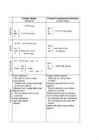
Continuous N: He is not speaking. moment of speaking just now, Q: Is he speaking? Listen!, Look!, · action taking place only for a now, right now limited period of time · action arranged for the future Past Simple A: He spoke. · Finished action in the past yesterday, 2 N: He did not speak. minutes ago, in Q: Did he speak? · actions taking place one after 1990, last Friday another Past A: He was speaking. · action going on at a certain when, while Continuous N: He was not time in the past yesterday at 5 speaking.
4Use a capital letter for festivals, holidays, days of the week, months of the year: New Year's Day, Christmas, Labor Day, Mother's Day, Sunday, Monday, Friday, January, May, July, October Exercise 1 Circle the letters that should be CAPITALS. Then write the correct letter in the space above them. 1 peter and i are good friends. we are going to chicago during our summer 2 vacation. 3 there is an interesting football game on sunday. 4 jason lives on thomson avenue. 5 january is the first month of the year. Exercise 2 Look at the signs on the left. Can you find the mistakes? Write the names correctly. hopkins hotel lincoln school orchard street newton road botanic gardens national library shea stadium 3 Nouns Common Nouns
I have been WORKing on this project since morning! (I'm sick & tired of it!) · Äsja lõppenud tegevuse nähtavate tagajärgede kirjeldus: It has been RAINing. (Ground still wet.) S/he has been CRYing. (Eyes red) · have/has (s/he, it) BEEN + 1pv-ing Aari Juhanson, MA 2008 Non-progressive verbs Senses Emotions Mind Possession Existence ache** amaze = astonish believe belong appear* feel** appreciate desire = want* depend* be* hear* care* (dis)agree have* consist of hurt** (dis)like doubt* own contain know envy feel* possess cost* see* fear forget* # remember* exist
118. vaba, mahajäetud ja saastatud maa - vacant, derelict and contaminated land 119. tasakaaluhind - clearing price 120. laiaulatuslik väljaehitamine - large-scale building 121. alternatiivkulu/loobumiskulu - opportunity cost 122. taastuvenergia allikad - renewable energy sources 123. tarbjakulutuste järk kasv - gradual growth of consumer costs Passive 1.Sein kaeti värviga The wall is being painted 2.See töö on kella viieks lõpetatud This work will have been finished by five o´clock 3.Meie teste parandatakse ikka veel Our tests are being checked on 4.Liiklusmärki ei olnud märgatud The traffic sign was not taken notice of 5.Sõnaraamatut otsiti parajasti The dictionary is being looked for 6.Selle probleemiga tegeletakse hiljem This problem will be dealt with later 7.Anne tänaval ehitati parajasti uut maja A new house is being built in Anne street 8.Oodatakse kirjakandjat The postman is being waited for 9.Seda olukorda kasutati ära
Past tenses /mineviku ajad/ 1. Past Simple /lihtminevik/ Formation/moodustamine: -- Kõikides pööretes/isikutes tegusõna II põhivorm, mis reeglina lõpeb mineviku tunnusega ed (like liked (hääldub [laikt]); hate hated [heitid]). Ebareeglipäraste sõnade puhul tuleb kasutada II põhivormi (vt. irregular verbs; ebareeglipäraste verbide tabel; näit. write wrote; run ran; buy bought jne.) - Küsimuste ja eitava vormi moodustamisel tuleb tegusõna panna algvormi; aga lisatakse mineviku abisõna did (Did you like the film? She did not (didn't) read the newspaper. When did you come home?) Jaatav Eitav Küsiv (kas-küsimus) I liked (went) I did not (didn't) like/go Did I go? (Läksin ma?) You liked (wento) You did not (didn't) like/go Did you like/go?
english-4u.de/a_an_some_ex6.htm eagles We us the • when we talk about a specific thing. • when it is clear which thing or person we mean. A – AN - THE • when there is only one of something. Examples: What is the highest building in the world? Washington is the capital of the United States.
I don't know what the word means. Look it up in a dictionary. 10 ____________________________________________________________________________________________ No, I don't like the Spice Girls. Marks: /10 Words, words, words 4 Complete these sentences using the correct form of the words below. There is one extra word which you do not need to use. aggressive nervous dull funny easy-going ambitious expensive usual experienced successful practical 1 She told a very ________________________ joke and everyone laughed. 2 She's a very ________________________ person. She will do anything to become famous. 3 They didn't give him the job because he was ________________________. He had never done anything like that before.
" "You mistake me, my dear. I have a high respect for your nerves. They are my old friends. I have heard you mention them with consideration these last twenty years at least." "Ah, you do not know what I suffer." "But I hope you will get over it, and live to see many young men of four thousand a year come into the neighbourhood." "It will be no use to us, if twenty such should come, since you will not visit them." "Depend upon it, my dear, that when there are twenty, I will visit them all." Mr. Bennet was so odd a mixture of quick parts, sarcastic humour, reserve, and caprice, that the experience of three-and-twenty years had been insufficient to make his wife understand his character. Her mind was less difficult to develop. She was a woman of mean understanding, little information, and uncertain temper. When she was discontented, she fancied herself nervous. The business of her life was to get her daughters married; its solace
( 5 points ) e.g. The residents were made...D....their homes by the authorities. A leave B leaving C left D to leave 1) Ann is my best friend! We........each other for years A know B knew C knows D have known 2) Nicky........to San Francisco when the accident happened. A flies B has flown C was flying D has been flying 3) Why don`t you let her........her story? A finish B to finish C finishing D have finished 4) Tim........in a cafe at present, but he has already applied for a new job A work B have worked C is working D worked 5) My father........already worked for two years before he went to University. A was B had C has D is 3. Change the order of the words to make a correct sentence. ( 5 points ) 1) I wonder / can / you / me / help / if
I work I don't work Do I work no I don't, you don't, he/she/it doesn't You work you don't work do you work? He/she it works he/she/it doesn't works does he/she/it work We work we don't work do we work You work you don't work do you work? They work they don't work do they work? Unit 6 / Present Continuous be- verb-ing / kestev olevik + - ? I am crying I'm not crying am I crying? You are having a party you aren't crying are you crying? He/she/it is crying he/she/it isn't crying is he/she/it crying? We are having a party. We aren't crying are we crying? You are crying you aren't crying are you crying?
for five years = since I left school I've been learning English for five years. (NOT I've been learning English since three years.) We've been waiting for ages, since eight o'clock. 13. Don't separate the verb from the object. VERB OBJECT She speaks English very well . (NOT She speaks very well English.) Andy likes skiing very much. (NOT Andy likes very much skiing.) 14. Don't use the present perfect have/has seen, have/has gone etc with words that name a finished time. I saw him yesterday. (NOT I have seen him yesterday.) They went to Greece last summer. (NOT They have gone ... last summer.) 15. English (the language) normally has no article. You speak very good English. (NOT You speak a very good English.) 16. After look forward to, we use ing, not an infinitive. I look forward to seeing you. (NOT I look forward to see you.) We're looking forward to going on holiday. (NOT ... to go on holiday.) 17. Information is an uncountable noun.
................... ...................................................................................................... ...................................................................................................... ...................................................................................................... ............................................................................................... i) Can Sir Thom be interested only in Anne or is there a slight possibility that he will fall for Mary-Alice instead?* ...................................................................................................... ...................................................................................................... ...................................................................................................... .................................................................................................
The train was late. Tom got up late this morning. NB! hardly means very little, nearly not; hard means very much 7. Many adverbs end in -ly, because many adjectives can be made into adverbs by adding –ly. E.g. quick/quickly, slow/slowly, brave/bravely, careful/carefully, bad/badly: They didn’t go out because it was raining heavily. Colin was disappointed to see how badly his son had done at the exam. NB! At the same time there are some adjectives which end in –ly as well. The most common are friendly, lively, lovely, ugly, silly, cowardly: Nobody has ever been so friendly to me. (adjective) He greeted me in a most friendly manner. (adverb) I don’t like your cowardly behaviour. (adjective) He betrayed me in a most cowardly way. (adverb) 8. Sentence Adverbs are words or phrases like certainly, perhaps, luckily, of course
Words that ADD information · also · and · another · besides first, second, third, ... · furthermore · in addition · moreover The little girl put on her yellow shirt and brown overalls. Chris is on the basketball team this semester at Indiana School for the Deaf. In addition, he is on the soccer team. We will be here for one more week so we can finish up our work. Another reason we are staying longer is because we do not want to miss the Deaf Way conference. First of all, pour a half-cup of milk in the bowl; second, add two eggs; and third, stir the mixture. I admire I. King Jordan because he is the first deaf president of Gallaudet. Besides that, I admire him because he is a great long distance runner. Furthermore, he is a dedicated family man. All in all, there ís not much to dislike about the man, except he is too perfect!
It looks like a science lesson 3 have/'ve caught 7 As she got older, her health and judging by the students' 4 lived deteriorated. expressions, I'd say that they are 5 haven't finished enjoying their lesson. They look 3 She was unlucky because she was 6 have/'ve known interested and it looks as though shipwrecked three times. 7 walked they are working hard. Most of
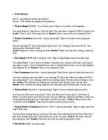
Past Continuous ( Progressive ) -ing vorm Kestev minevik PR talk talking play playing Kestev minevik väljendab tegevust, · Kui sõna lõpeb e- ga mis oli toimumas mingil kindlal ajal Come coming minevikus. Take taking Moodustamine : · Kui sõna lõpeb t- ga "be" minevikus + põhitehusõna / was; were / -ing vorm Sit sitting Put putting
 annaabi.ee