 50 punkti
Autor soovib selle materjali allalaadimise eest saada 50 punkti.
50 punkti
Autor soovib selle materjali allalaadimise eest saada 50 punkti.
 ~ 14 lehte
Lehekülgede arv dokumendis
~ 14 lehte
Lehekülgede arv dokumendis
 2022-01-19
Kuupäev, millal dokument üles laeti
2022-01-19
Kuupäev, millal dokument üles laeti
 0 laadimist
Kokku alla laetud
0 laadimist
Kokku alla laetud
 0 arvamust
Teiste kasutajate poolt lisatud kommentaarid
0 arvamust
Teiste kasutajate poolt lisatud kommentaarid
 annabrita
Õppematerjali autor
annabrita
Õppematerjali autor
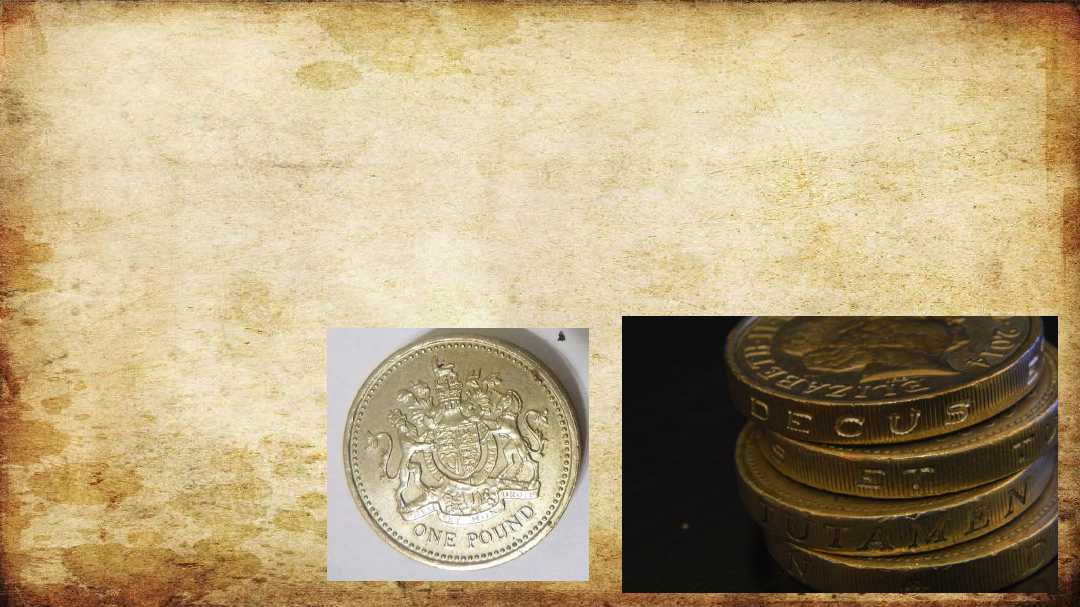
The Romans came to Britain nearly 2000 years ago and changed our country. The Romans lived in Rome, a city in the centre of the country of Italy .One day, some years before Jesus Christ was born, the Romans came to Britain. First invasion - Caesar's first raid In August 55 B.C. (55 years before Jesus was born) the Roman general, emperor Julius Caesar invaded Britain. He took with him two Roman legions. After winning several battles against the Britons in South-East England he returned to France. Second invasion - Caesar's second raid In 54 B.C. Julius Caesar came to Britain again landing at Walmer near Deal in Kent. This time he brought with him five legions (30,000 foot soldiers) and 2,000 cavalrymen (horse riders). This time the Romans crossed the River Thames. After more fighting, the British tribes promised to pay tribute to Rome and were then left in peace for nearly a century.
Roman Britain 1.Ülesanne 1.Roman empire exited,more then 400 years ago. 2.Colchester was the capital of Britannia for some time,soon London or Londinium became the capital 3. Romans speaked Latin. 4. Roman rules Britannia. 5. Julius Ceasar ,Hadrian 6. Romans rules Britain before the Vikings. 2.Ülesanne a–2 b–5 c- 1 d-3 e–4 3.Ülesanne 1–d 2–g 3- i 4–h 5–j 6–a 7–b 8–f 4.Ülesanne 55- Julius Ceasar first came to Britain in the year 55 BC (before Christ ). 400- Britannia became a part of the Roman Empire for more than 400 years. 20- About 20 large towns grew araund the camps of the Roman army.
The foundation stones The Island Britain has a mild climate due to the Gulf Stream which brings warm waters from the Gulf of Mexico. The northern part of the island in average 5'C cooler and it's mountainous or hilly and that's why the south has been more populated.. Britain became an island only 5000 years BC after the Ice Age ended. Britain's prehistory The first evidence of human life on the island are dated back to 250 000 BC. 50 000 BC in a milder Ice Age period Britain became habitable again. People from that time were the ancestors of the modern British. 10 000 BC ige age ended and Britain became inhabited by small
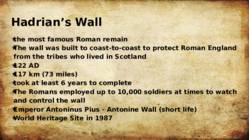
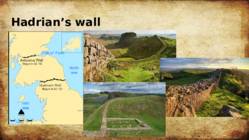
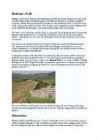
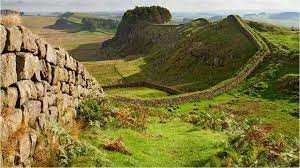
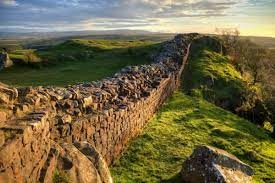
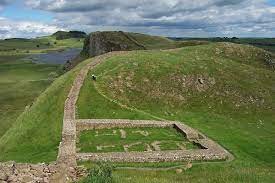
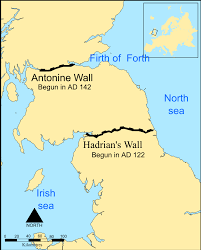
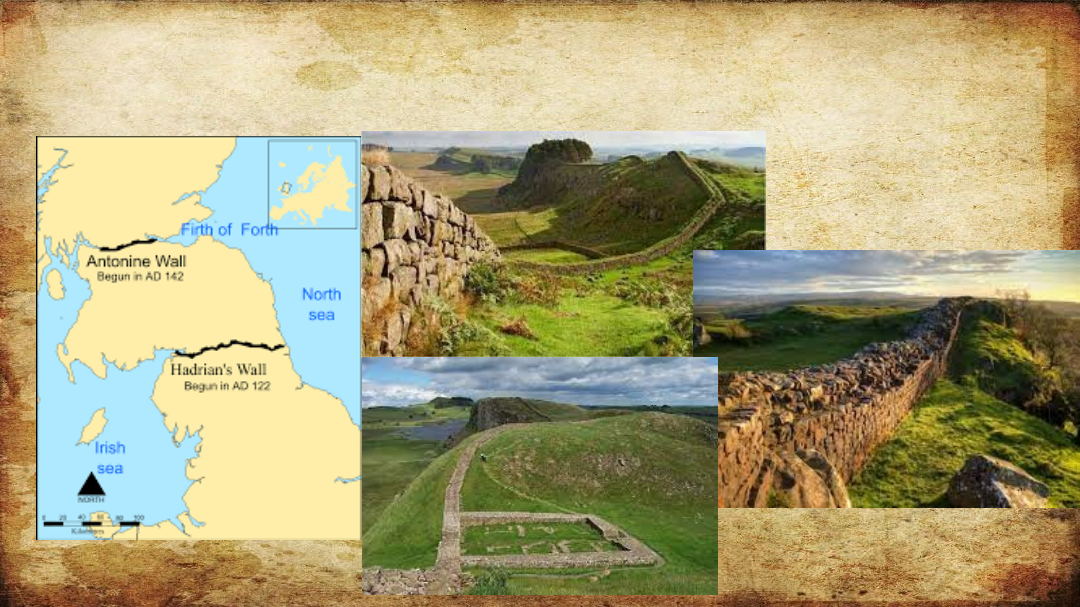
Hadrian's Wall Hadrian's Wall was a stone and turf fortification built by the Roman Empire across the width of Great Britain to prevent military raids by the tribes of Scotland to the north, to improve economic stability and provide peaceful conditions in the Roman province of Britannia to the south, to physically mark the frontier of the Empire, and to separate the unruly Selgovae tribe in the north from the Brigantes in the south and discourage them from uniting. The name is also sometimes used jocularly as a synonym for the border between Scotland and England, although for most of its length the wall follows a line well south of the modern border -- and neither the Scoti tribe nor the English lived in Britain at the time of the wall's construction.
The United Kingdom The United Kingdom consists of England, Scotland, Wales and North Ireland and it is situated in the Atlantic Ocean near the mainland of Europe. The population of the UK is 58.6 million and area is 244,110 sq km. Britain has a temperate humid climate. Its characteristic features are mild winters, warm summer, no temperature extremes, abundant rain all year round and frequent changes of weather. The mild climate is partly due to the warm Gulf Stream and partly to the south westerly winds. Occasional winds from the east in winter may bring cold and dry weather. The distribution of rainfall is influenced by the Atlantic Stream. The mountainous areas of the north and west have more rain than the
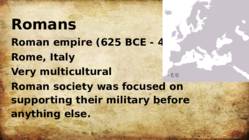
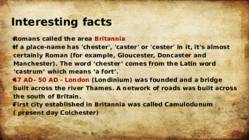
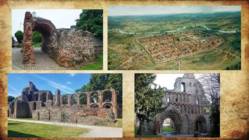
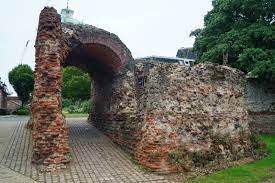
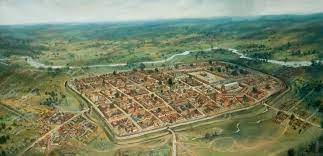
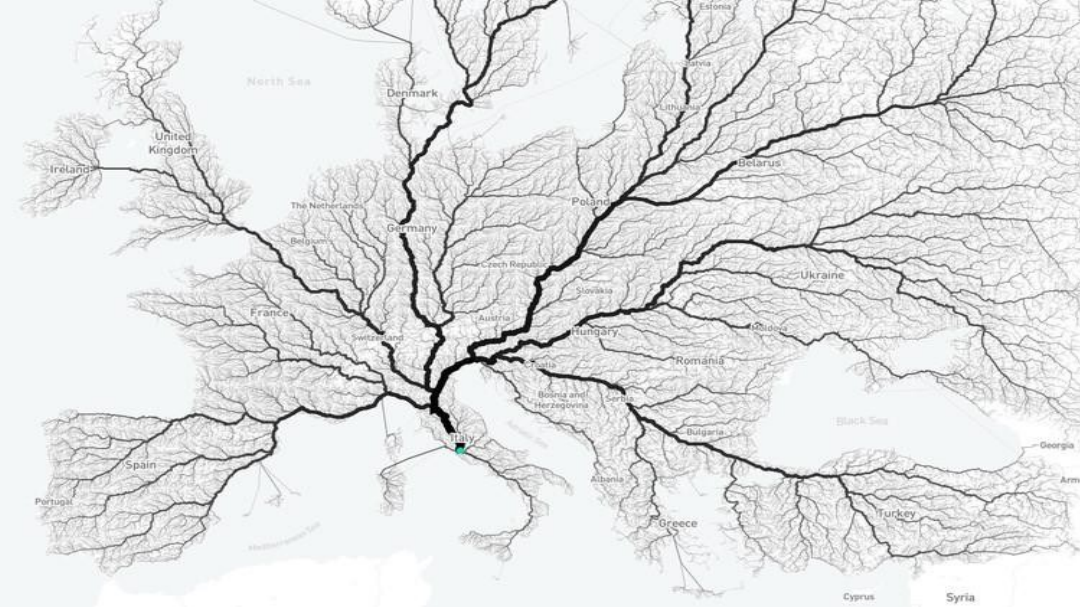
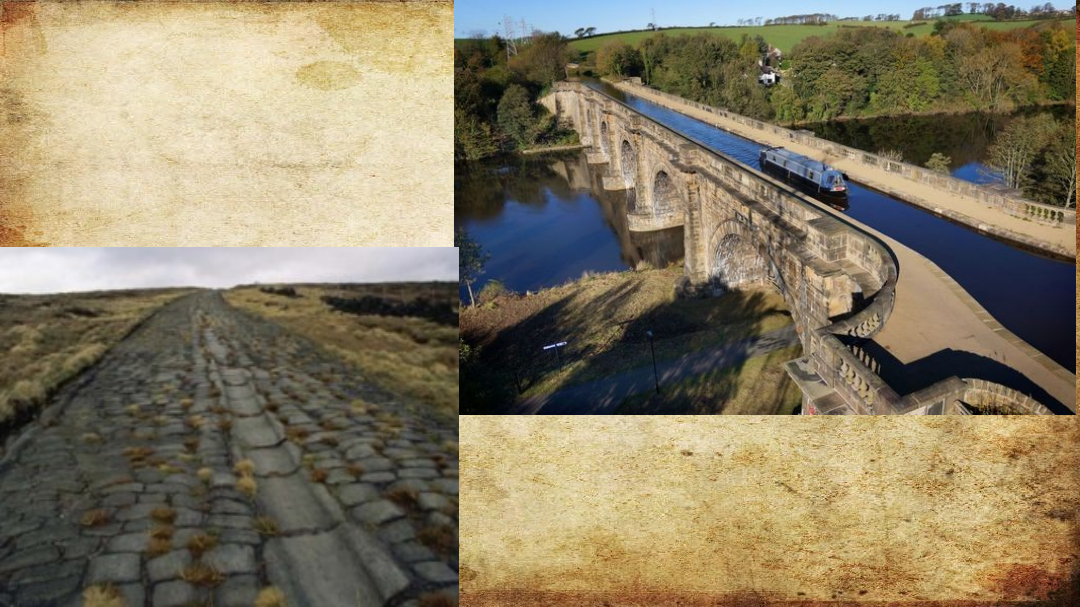
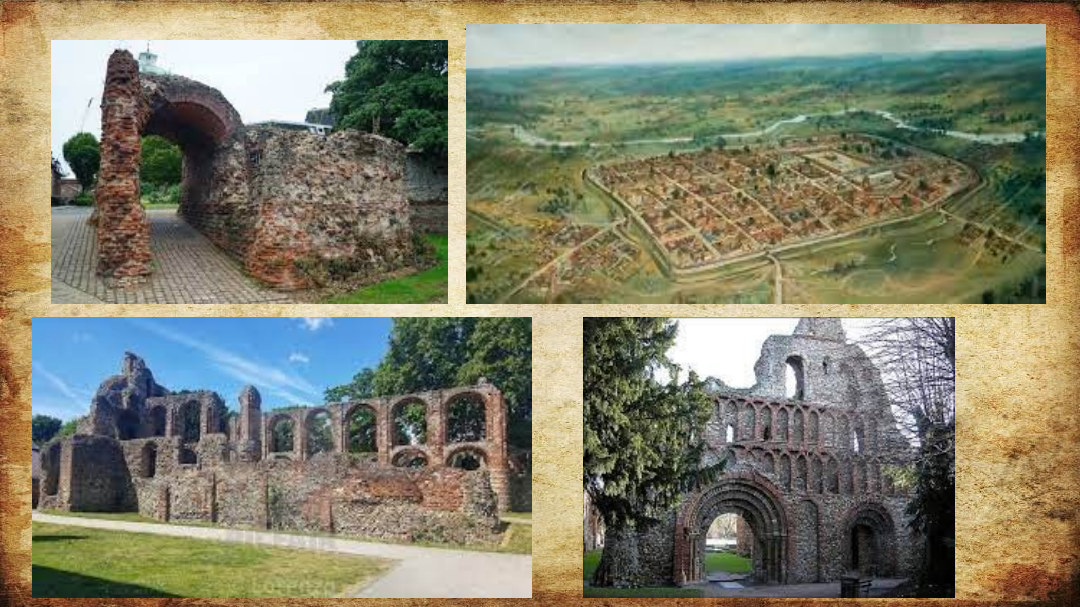
British history Roman Britain Roman Britain was those parts of the island of Great Britain controlled by the Roman Empire between 43 and about 410. The Romans referred to their province as Britannia. Prior to the Roman invasion, Iron Age Britain already had cultural and economic links with Continental Europe, but the invaders introduced new developments in agriculture, urbanization, industry and architecture, leaving a legacy that is still apparent today. Historical records beyond the initial invasion are sparse, although many Roman historians mention the province in passing. Most of the knowledge of the period stems from archaeological investigations and especially epigraphic evidence.
свои знания о стране, являющейся родиной английского языка, ставшего ведущим мировым языком, и парламентаризма, который переняли большинство стран мира. 6 INTRODUCTION Aspects of British History presents a brief outline of the most significant milestones in the long and eventful history of Great Britain, such as the five successful invasions of the island, the birth of Parliament and transformation of an absolute monarchy into a constitutional monarchy, the origin of the English language, the rise and fall of the British Empire. The units contain an informative reading text on an important issue, preceded by preparatory discussion questions and followed by notes offering some additional information, and a vocabulary with relevant language notes. The main reading text is
world's leading industrial metropolises, and now lies at the centre of the Greater Glasgow conurbation which dominates the Scottish Lowlands. Scottish waters consist of a large sector of the North Atlantic and the North Sea, containing the largest oil reserves in the European Union. The Kingdom of Scotland was an independent state until 1 May 1707 when it joined in a political union with the Kingdom of England to create a united Kingdom of Great Britain. This union was the result of the Treaty of Union agreed in 1706 and put into effect by the Acts of Union that were passed by the Parliaments of both countries despite widespread protest across Scotland. Scotland's legal system continues to be separate from those of England, Wales, and Northern Ireland and Scotland still constitutes a distinct jurisdiction in public and in private law. The continued independence of Scots law, the Scottish education system, and the Church of
 annaabi.ee










Kõik kommentaarid