 50 punkti
Autor soovib selle materjali allalaadimise eest saada 50 punkti.
50 punkti
Autor soovib selle materjali allalaadimise eest saada 50 punkti.
 ~ 15 lehte
Lehekülgede arv dokumendis
~ 15 lehte
Lehekülgede arv dokumendis
 2013-04-28
Kuupäev, millal dokument üles laeti
2013-04-28
Kuupäev, millal dokument üles laeti
 8 laadimist
Kokku alla laetud
8 laadimist
Kokku alla laetud
 0 arvamust
Teiste kasutajate poolt lisatud kommentaarid
0 arvamust
Teiste kasutajate poolt lisatud kommentaarid
 Sandra Haar
Õppematerjali autor
Sandra Haar
Õppematerjali autor
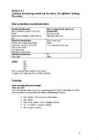
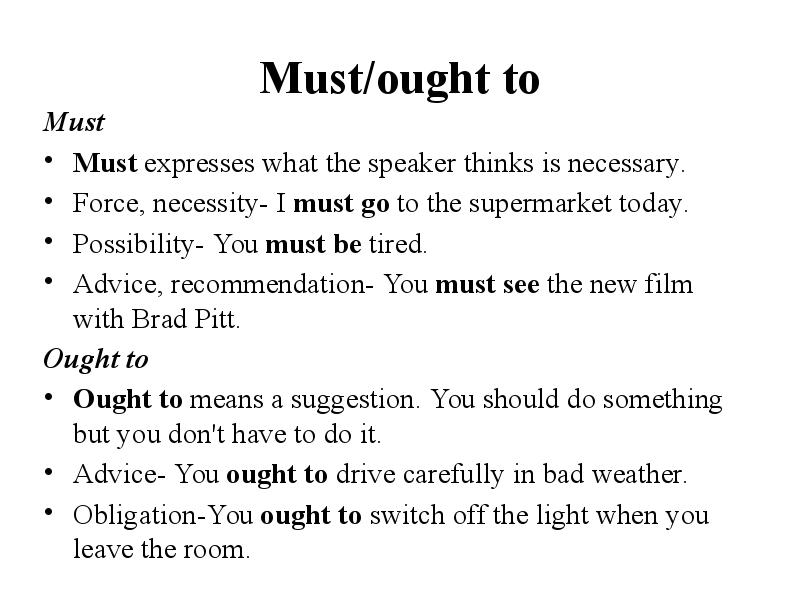
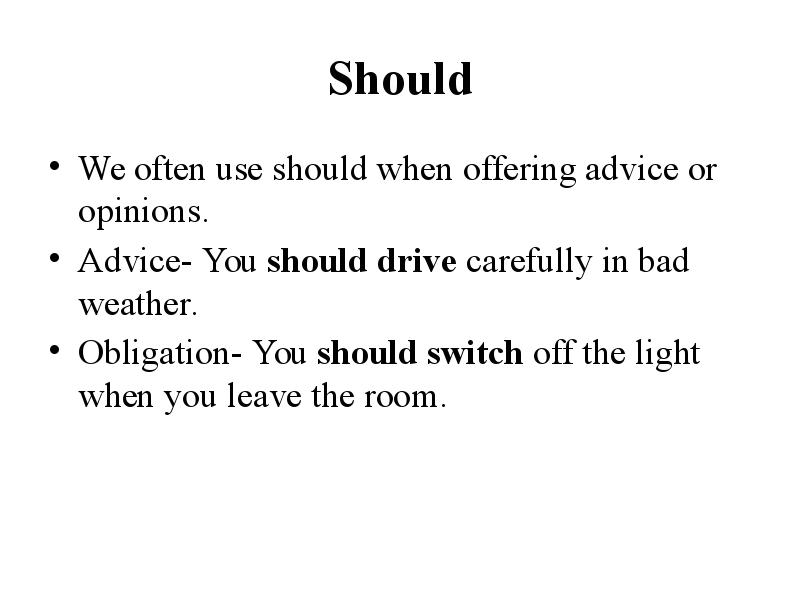
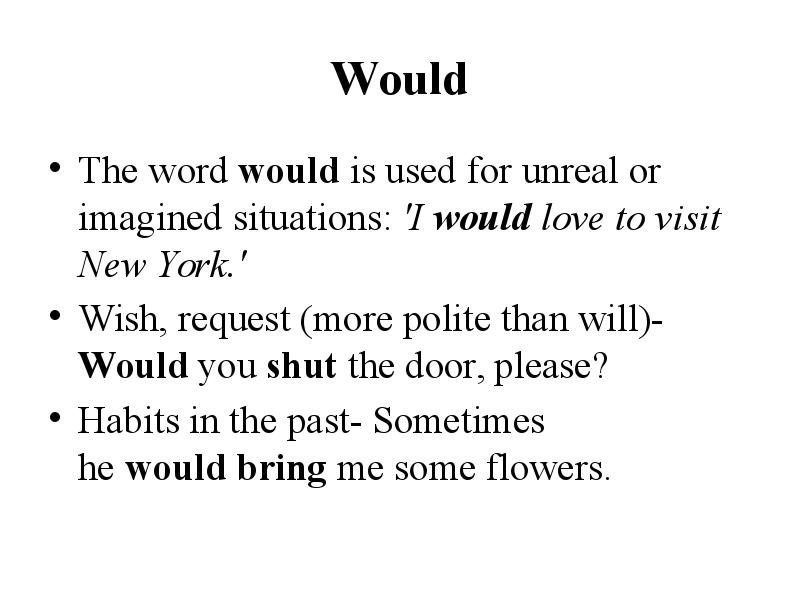
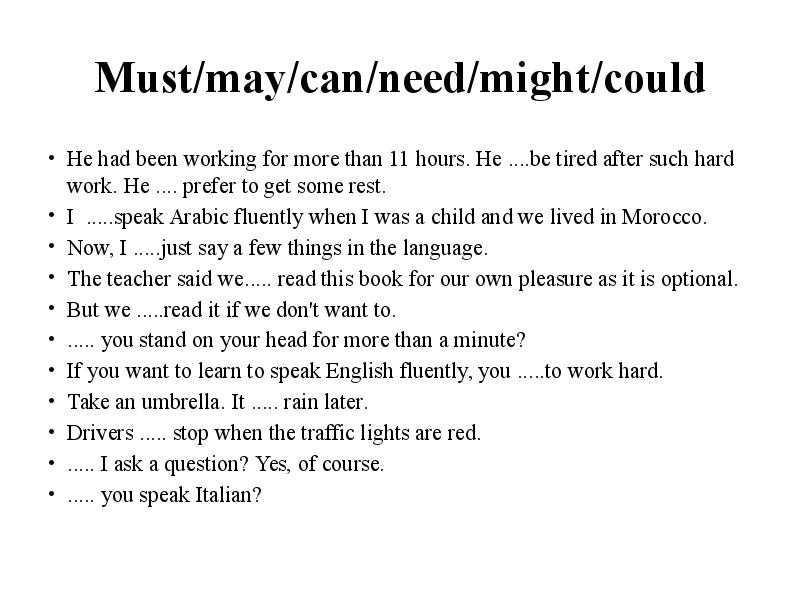
Modal Verbs Table of Contents Introduction ......................................................................... 2 Characteristics of Modal Verbs ............................................. 2 When to use the Modal Verbs ............................................... 3 Expressing permission.......................................................... 3 Expressing obligation ........................................................... 3 Making offers........................................................................ 5 Making requests ................................................................... 6 Expressing possibility/probability......................................... 7
2 out friends I go usually Friday on with 3 office boss out my is of often the 4 always at have Christmas an we office party 5 days don't they faxes these often send 6 morning always in I the am tired 7 have in doesn't lunch usually she office the 8 in I on holiday August never go 19 E-mails, compiling them. Polite expressions. Modals. Writing a letter: THE START: Dear Sir or Madam, Dear Mr Smith, / Mrs Smith, / Miss Smith, Ms Smith Dear Mary, THE REFERENCE With reference to your advertisement in the Times, ....... your letter of 25th April, ......... your phone call today, .............. THE REASON FOR WRITING I am writing to enquire about ........................ apologize for ............................... confirm .................................
Golden Grammar rules 1. Don't use an with own. Sue needs her own room. (NOT Sue needs an own room.) I'd like a phone line of my own. (NOT ... an own phone line.) 2. Use or rather to correct yourself. She's German or rather, Austrian. (NOT She's German or better, Austrian.) I'll see you on Friday or rather, Saturday. 3. Use the simple present play(s), rain(s) etc to talk about habits and repeated actions. I play tennis every Saturday. (NOT I am playing tennis every Saturday.) It usually rains a lot in November. 4. Use will ..., not the present, for offers and promises. I'll cook you supper this evening. (NOT I cook you supper this evening.) I promise I'll phone you tomorrow. (NOT I promise I phone you tomorrow.) 5. Don't drop prepositions with passive verbs. I don't like to be shouted at. (NOT I don't like to be shouted.) This needs to be thought about some more. (NOT This needs to be thought some more.) 6. Don't use a present tense after It's time. It's t
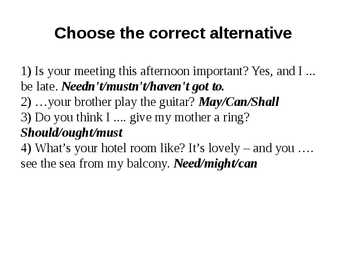
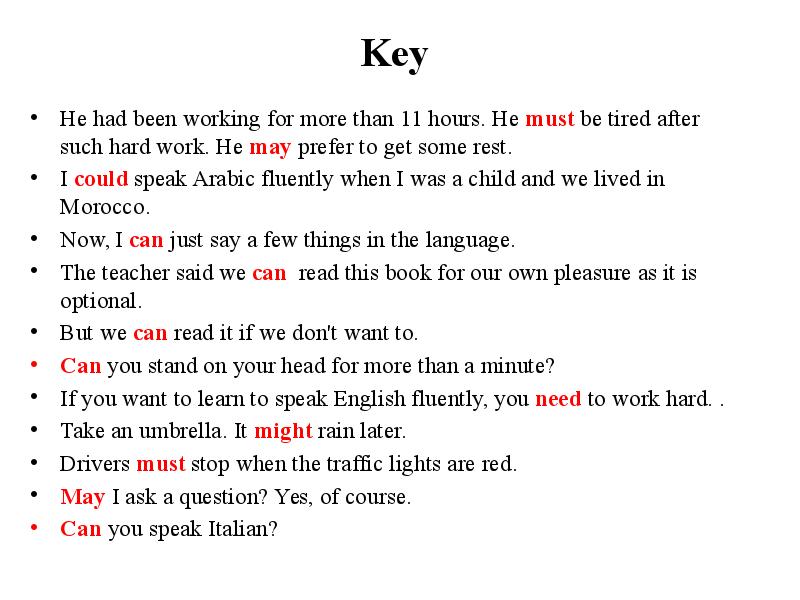
You ________________________________________________________ back by midnight. 10 I don't believe she is from Argentina. (can't) She ________________________________________________________. Marks: /10 Macmillan Publishers Limited 2001. This sheet may be photocopied for use in class. 17 3 Rewrite these sentences correcting the modal verbs. 1 The fires may have start as a result of the hot weather. _____________________________________________________________________________________________ 2 The police found a gun nearby. It must been the weapon used by the murderer. _____________________________________________________________________________________________ 3 You mustn't have closed the window last night because I found it open this morning.
Book 1 BASIC ENGLISH BASIC ENGLISH GRAMMAR GRAMMAR BASIC ENGLISH GRAMMAR Book 1 Book 1 Younger students at beginning to intermediate levels will greatly benefit from this step-by-step approach to English grammar basics. This is the ideal supplement to your language arts program whether your students are native English speakers or beginning English language learners. Skill-specific lessons make it easy to locate and prescribe instant reinforcement or intervention. · Illustrated lessons a
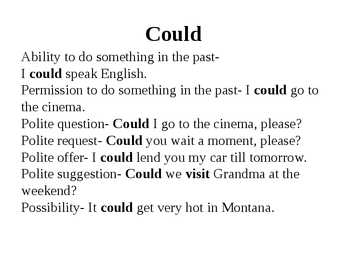
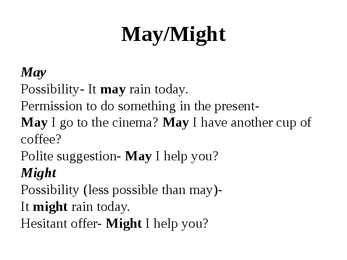
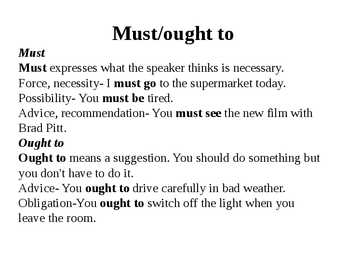
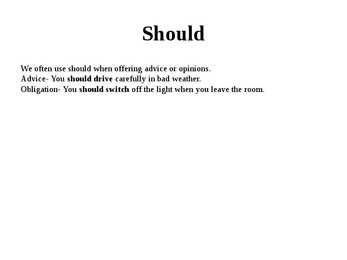
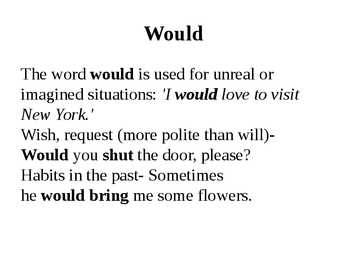
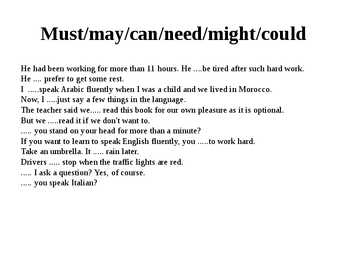
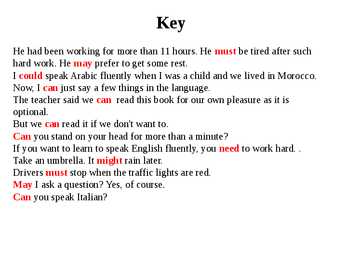
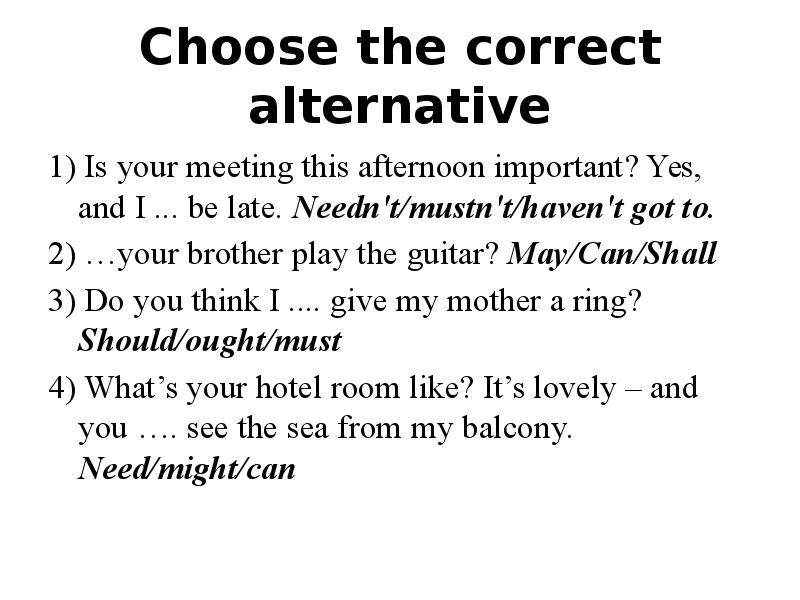
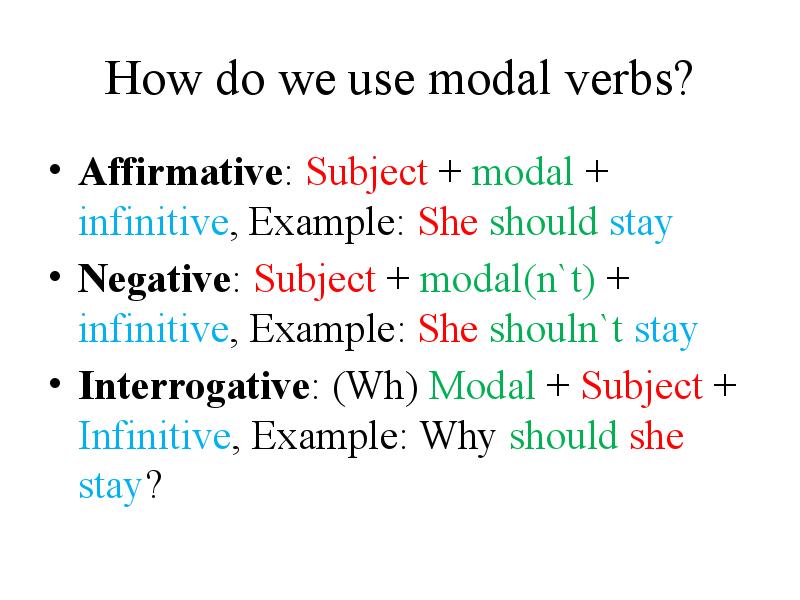
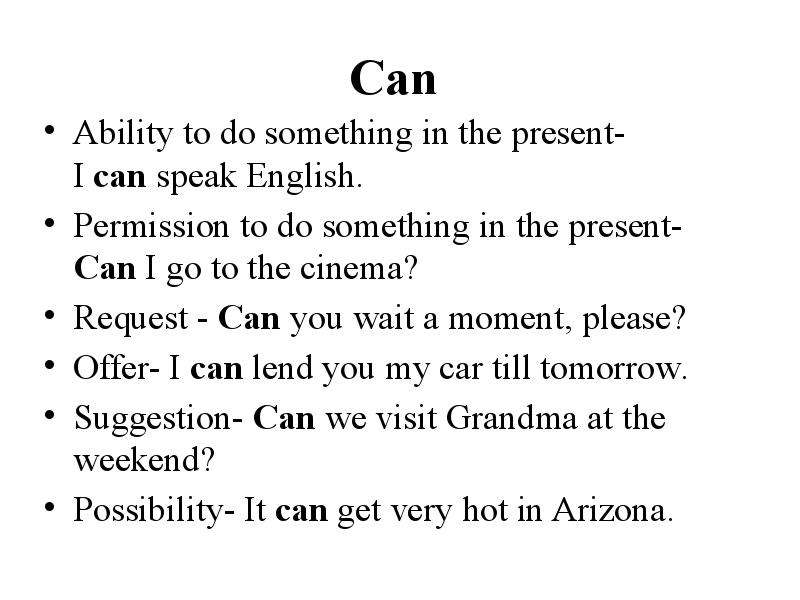
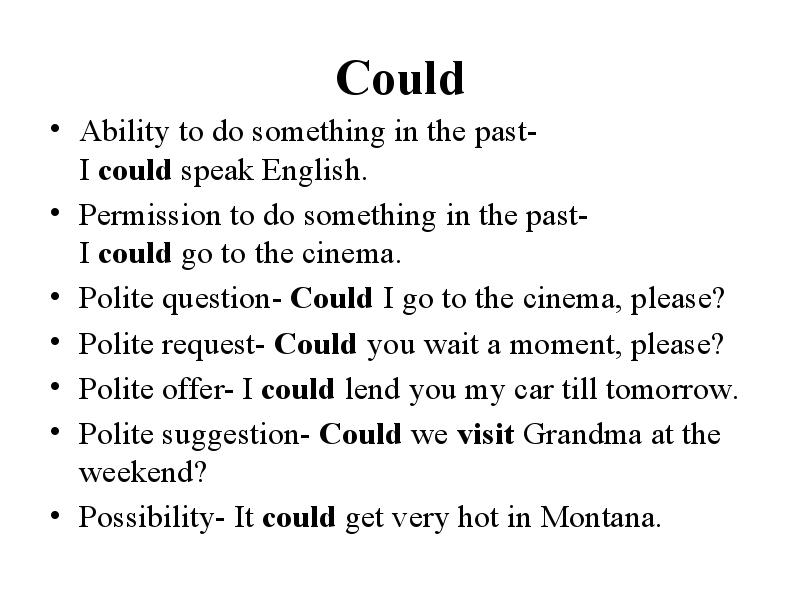
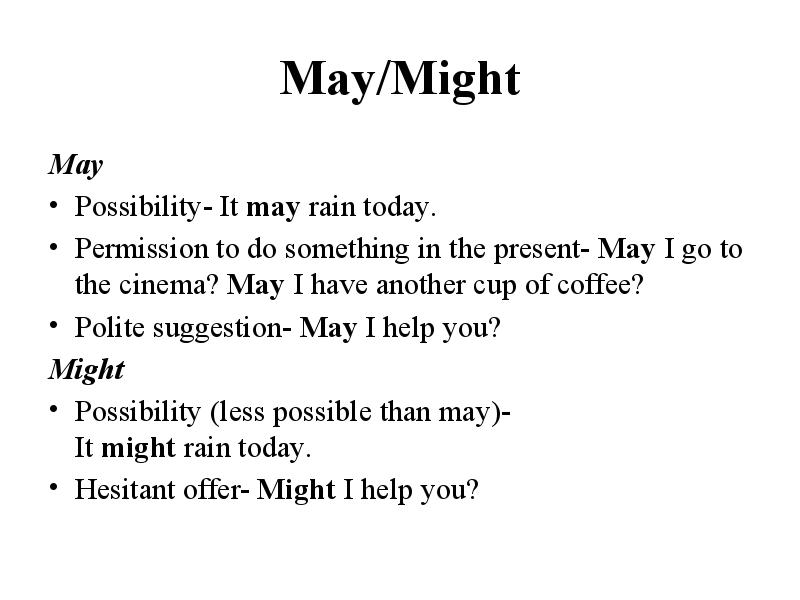
I will have been taught by Mary. Future perf. cont. Mary will have been teaching me. I will have been taught by Mary. Modals (can, could, may might etc) Modaalverbid Modaalverbid on can, could, may, might, must, ought to, shall, should, will, would. Nad väljendavad võimet, luba, soovi jne teha midagi. Kõiki modaale ei saa kasutada inglise keele kõikides aegades, seetõttu on olemas modaalide asemikud (substitutes). Modal Verb Substitute Example must to have to I must talk. = I have to talk. must not not to be allowed to I must not talk = I am not allowed to talk can to be able to I can talk. = I am able to talk.
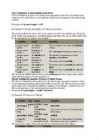
A First Conditional sentence is for future actions dependent on the result of another future action or event, where there is a reasonable possibility of the conditions for the action being satisfied. Formation: if + present simple, + will For example: If she gets good grades, she will go to university. We are talking about the future, but we use a present tense for the condition and will for the result. In this case, the person is sure about going to university. We can use other modal verbs in the result part of the sentence. For example: I Condition Result Possibility F she gets good she will go to If the condition is met, then she definitely If grades, university. will go he gets good he may go to If He is not sure about going to university. grades, university.
Letters Letters FORMAL, INFORMAL, TRANSACTIONAL TASK 1 Read the extracts and answer the questions. · Where are the extracts from? · What is the purpose of each letter? · How do they differ? · Which extracts are examples of formal letters? · How is the reader addressed in a formal letter? · What are the closing remarks for formal letters? · What is the salutation in a friendly letter? · How would you end extracts 1,2,3 ? · How would you begin the extracts 4 and 5? 1. Dear Mr Miller, I received your kind invitation to the reception. Unfortunately, owing to other commitments. I will be unable to attend ... 2. Dear Ralph, l just got your invitation to the company's event. l `m afraid I can't make it because I've a/ready made plans which l can "t change ... 3. Dear Sirs, I am writing to complain about the poor quality of the items which I received from your co
 annaabi.ee








Kõik kommentaarid