 10 punkti
Autor soovib selle materjali allalaadimise eest saada 10 punkti.
10 punkti
Autor soovib selle materjali allalaadimise eest saada 10 punkti.
 ~ 1 leht
Lehekülgede arv dokumendis
~ 1 leht
Lehekülgede arv dokumendis
 2010-05-05
Kuupäev, millal dokument üles laeti
2010-05-05
Kuupäev, millal dokument üles laeti
 22 laadimist
Kokku alla laetud
22 laadimist
Kokku alla laetud
 0 arvamust
Teiste kasutajate poolt lisatud kommentaarid
0 arvamust
Teiste kasutajate poolt lisatud kommentaarid
 pisisanspu
Õppematerjali autor
pisisanspu
Õppematerjali autor
Water pollution Attention for water pollution exploded in the 1980s. The oil spill of the Exxon Valdez showed many around the world just how horrible the effects of water pollution could be. However, even the Exxon Valdez spill barely touched the surface of the problem of water pollution. The ship spilt only 5% of the oil spilt that year, and oil is just one of many pollutants that people dump into the water every year. Every year, 14 billions pounds of sewage, sludge, and garbage are dumped into the world's oceans. 19 trillion gallons of waste also enter the water annually. The problem of ocean pollution affects every nation around the world. This is especially true because water is able to transport pollution from one location to another.
[4] Though acidic rain was discovered in 1852, it was not until the late 1960s that scientists began widely observing and studying the phenomenon. The term "acid rain" was generated in 1972. [5] Canadian Harold Harvey was among the first to research a "dead" lake. Public awareness of acid rain in the U.S increased in the 1970s after the New York Times promulgated reports from the Hubbard Brook Experimental Forest in New Hampshire of the myriad deleterious environmental effects demonstrated to result from it. Occasional pH readings in rain and fog water of well below 2.4 have been reported in industrialized areas.[2] Industrial acid rain is a substantial problem in Europe, China,[8][9] Russia and areas down- wind from them. These areas all burn sulfur-containing coal to generate heat and electricity.[10] The problem of acid rain not only has increased with population and industrial growth, but has become more widespread
4.54.9 Harmful to the eggs of salmon and trout species (salmonids) and to adult fish when levels of Ca 2, Na and Cl are low 4.04.4 Harmful to adult fish of many types which have not been progressively acclimated to low pH 3.53.9 Lethal to salmonids, although acclimated roach can survive for longer 3.03.4 Most fish are killed within hours at these levels Environmental effects Very obvious environmental effect of acid rain is the loss of fish in acid sensitive lakes and streams. Loads of fishes are not able to survive in acidic water. There are 2 ways acid rain effects lakes and streams: chronic and episodic. The first one is long-term process and this acidification is result from years of acidic rainfall. Episodic, on the other hand, is rapid change sudden jump in the acidity of water. Acid deposition may influence forest vegetation and soils
Miina Härma Gymnasium Acid Rain Report Compiler: Teisi Timma 8a Teacher: Esther Linask Tartu 2009 Acid Rain Acid rain is rain consisting of water droplets that are unusually acidic because of atmospheric pollution - most notably the excessive amounts of sulfur and nitrogen released by cars and industrial processes. Acid rain is also called acid deposition because this term includes other forms of acidic precipitation such as snow. Acidic deposition occurs in two ways: wet and dry. Wet deposition is any form of precipitation that removes acids from the atmosphere and deposits them on the Earth's surface. Dry deposition polluting particles and gases stick to the ground via dust and smoke in the absence of precipitation. This form of deposition is dangerous however because precipitation can eventually wash pollutants into streams, lakes, and rivers. Acidity itself is determ
and atmospheric pollution in Manchester, England Though acidic rain was discovered in 1852, it was not until the late 1960s that scientists began widely observing and studying the phenomenon The term "acid rain" was generated in 1972 Canadian Harold Harvey was among the first to research a "dead" lake Public awareness of acid rain in the U.S increased in the 1970s after the New York Times promulgated reports from the Hubbard Brook Experimental Forest in New Hampshire of the myriad deleterious environmental effects demonstrated to result from it Occasional pH readings in rain and fog water of well below 2.4 have been reported in industrialized areas Industrial acid rain is a substantial problem in Europe, China, Russia and areas down- wind from them These areas all burn sulfur-containing coal to generate heat and electricity The problem of acid rain not only has increased with population and industrial growth, but has become more widespread
ENVIRONMENTAL PROBLEMS Our environment is constantly changing. However, as our environment changes, so does the need to become increasingly aware of the problems that surround it. With a massive influx of natural disasters people need to be aware of what types of environmental problems our planet is facing. Current environmental problems make us vulnerable to disasters and tragedies, now and in the future. Unless we address the various issues seriously we are surely doomed for disaster. Current environmental problems require urgent attention. 1. Pollution: Pollution of air, water and soil require millions of years to recoup. Industry and motor vehicle exhaust are the number one pollutants. Heavy metals, nitrates and plastic are toxins responsible for pollution
These dangerous substances can be either in the form of gases or particles. Air pollution can be found both outdoors and indoors. Pollutants can be trapped inside buildings, causing indoor pollution that lasts for a long time. The sources of air pollution are both natural and human-based. As one might expect, humans have been producing increasing amounts of pollution as time has progressed, and they now account for the majority of pollutants released into the air. Air pollution has been a problem throughout history. Even in Ancient Romepeople complained about smoke put into the atmosphere. The effects of air pollution are diverse and numerous. Air pollution can have serious consequences for the health of human beings, and also severely affects natural ecosystems. Because it is located in the atmosphere, air pollution is able to travel easily. As a result, air pollution is a global problem and has been the subject of global cooperation and conflict.
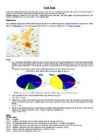
The environment in realtion to mobility/transport in Europe Air pollution is problem all over the world. Through some pollution comes from these natural sources, most pollution is the result of human activity. The biggest causes are the operation of fossil fuel- burning power plants and automobiles that combust fuel. Combined, these two sources are responsible for about 90% of all air pollution in the United States. All kind of pollutions can lead us to serious health problems. For example, air pollution is
 annaabi.ee







Kõik kommentaarid