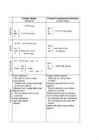
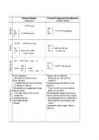
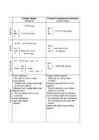
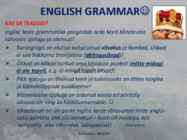
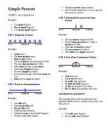
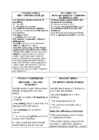
Leidsid 33 sarnast õppematerjali, mis on seotud failiga "Ajavormid". Need materjalid aitavad sul teemat sügavamalt mõista.
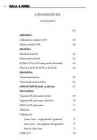
tegusõna, põhivorm, football, tomorrow, lauses, going, reading, eitavas, yesterday, olevik, lihtolevik, reads, doesn, lihtminevik......................................................................................................3 Lihtolevik The present simple..................................................................................... 3 Lihtminevik The past simple....................................................................................... 3 Lihttulevik The future simple...................................................................................... 3 Kestev olevik The present continuous......................................................................... 3 Kestev minevik The past continuous........................................................................... 4 Kestev tulevik The future conrinuous..........................................................................4 Täisminevik The present perfect..................................................................................4
INGLISE KEEL Sisukord Sisukord 2 Ajavormid Tense vorms 3 Lihtolevik The present simple 3 Lihtminevik The past simple 3 Lihttulevik The future simple 3 Kestev olevik The present continuous 3 Kestev minevik The past continuous 4 Kestev tulevik The future conrinuous 4 Täisminevik The present perfect 4 Enneminevik The past perfect 4 Ennetulevik Future perfect 5 Üldminevik Past tense 5 Üldtulevik Future indefinite 5 Artiklid ja eessõnad 7
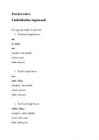
Isikulised asesõnad 62 Omastavad asesõnad 62 SOME, ANY ja NO ning nende liitvormid 62 MANY ja MUCH; FEW ja LITTLE 64 NIMISÕNA Nimisõnade mitmus 65 Nimisõnade omastav kääne 66 OMADUSSÕNA kesk- ja ülivõrre 67 TEGUSÕNA Tegusõna BE pööramine (olevik) 69 Tegusõna BE pööramine (minevik) 70 HAVE GOT pööramine 71 Üldolevik 73 Üldminevik Jaatav lause - reeglipärased tegusõnad 74 Jaatav lause - ebareeglipärased tegusõnad 75 Eitav ja küsiv lause 77
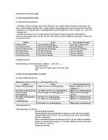
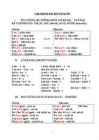
Past tenses /mineviku ajad/ 1. Past Simple /lihtminevik/ Formation/moodustamine: -- Kõikides pööretes/isikutes tegusõna II põhivorm, mis reeglina lõpeb mineviku tunnusega ed (like liked (hääldub [laikt]); hate hated [heitid]). Ebareeglipäraste sõnade puhul tuleb kasutada II põhivormi (vt. irregular verbs; ebareeglipäraste verbide tabel; näit. write wrote; run ran; buy bought jne.) - Küsimuste ja eitava vormi moodustamisel tuleb tegusõna panna algvormi; aga lisatakse mineviku abisõna did (Did you like the film? She did not (didn't) read the newspaper. When did you come home?) Jaatav Eitav Küsiv (kas-küsimus) I liked (went) I did not (didn't) like/go Did I go? (Läksin ma?) You liked (wento) You did not (didn't) like/go Did you like/go?
Use: 1. Unfinished actions happening at or around the time of speaking. Listen! Somebody is crying. They are building a new bridge in our town. 2. Changes happening around now. The population of the world is increasing fast. 3. Arrangements for the future. I am flying to Toronto next Friday. Negative form: We aren't (are not) working at the moment. I am not enjoying this show very much. Question form: Are they playing football in the park right now?Why is she laughing? Signal words: at the moment, now, right now, Listen!, Look! etc. PRESENT PERFECT (täisminevik) Form: have/has + past participle (3. põhivorm) Use: 1. An action in the past, where the fact, not the time, is important. I have been to England four times. 2. An action in the past that has a result now. She has lost her keys. 3. Something that began in the past and still continues now
3. Present Continuous [am/is/are + present participle]. Tegevus toimub/ei toimu praegusel hetkel. You are watching TV. You are learning English now. I am studying to become a doctor. I am meeting some friends after work. Active= Right now, Tom is writing the letter. Passive= Right now, the letter is being written by Tom. 4. Past Simple [VERB+ed] or irregular verbs. Tegevus algas/lõppes minevikus täpsel ajal. . You called Debbie. I saw a movie yesterday. I finished work, walked to the beach, and found a nice place to swim. I lived in Brazil for two years. I studied French when I was a child. Active = Tom repaired the car. Passive= The car was repaired by Tom. 5. Past Continuous [was/were + present participle]. Pikalt kestev tegevus katkestati minevikus. You were studying when she called. I was watching TV when she called. Last night at 6 PM, I was eating dinner. I was studying while he was making dinner. She was always coming to class late
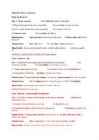
He/She/It does not know this song. We/You/They know this song. We/You/They do not know this song. Interrogative Do I/You know this song? Näited Does He/She/It know this song? Do I listen these songs every day? Do We/You/They know this song? Sometimes I listen these songs. Present Continuous When? Now, at the present moment. Affirmative Negative I am reading. I am not reading. You are reading. You are not reading. He/She/It is reading. He/She/It is not reading. We/You/They are reading. We/You/They are not reading. Interrogative Näited Am I reading? I am reading now. Are you reading? Am I reading at the moment? Is He/She/It reading
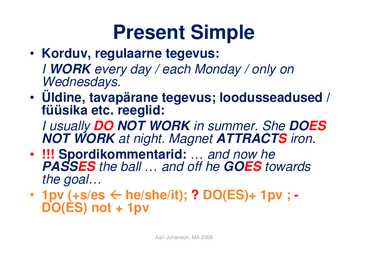
Wednesdays. · Üldine, tavapärane tegevus; loodusseadused / füüsika etc. reeglid: I usually DO NOT WORK in summer. She DOES NOT WORK at night. Magnet ATTRACTS iron. · !!! Spordikommentarid: ... and now he PASSES the ball ... and off he GOES towards the goal... · 1pv (+s/es Å he/she/it); ? DO(ES)+ 1pv ; - DO(ES) not + 1pv Aari Juhanson, MA 2008 Present Progressive · Hetkel toimuv, pooleliolev tegevus: S/he IS TALKing on the phone now. I AM READing an interesting book. · Ajutine, regulaarsele ja tavapärasele vastanduv tegevus (tulevikku viitav): This summer they ARE not GROWing cucumbers as usual. They'RE GROWing tomatoes instead. · !!! Halvakspanu väljendus harjumuspärase tegevuse kohta: He IS always COMPLAINing! · BE (am/is/are) + 1pv-ing Aari Juhanson, MA 2008 Present Perfect ON -NUD · Toimunud tegevus, seos olevikuga: I have WORKed here for 3 years.
· Tegevust mingil ajal. I go to school at 8 o´clock. You have to pay taxes once a month. · Kõigile tuntud fakte. Life passes by quickly. Present Continuous Kestva oleviku moodustamine Jaatav vorm Eitav vorm Küsiv vorm I am speaking I am not speaking Am I speaking? He/she/it is going He/she/it is not going Is he/she/it going? We/you/they are making We/you/they are not making Are we/you/they making? NB! ERANDID! · Verbidel, mis lõppevad ega kaob, ing lisamisel e ära. take taking make making · Lühikeste silpidega verbidel kahekordistub kaashäälik. get getting swim swimming · Yga lõppevatel verbidel, y ei kao ära.
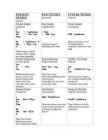
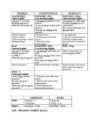
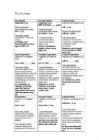
PRESENT PAST TENSES FUTURE TENSES TENSES minevik tulevik olevik Present Simple Past Simple Future Simple lihtolevik Lihtminevik Lihttulevik I You + I põhivorm + II pv We ? , - Do + I pv. ?, - Did + I pv Will + I põhivorm They He + I põhivorm + S Tegevus tulevikus, mis ei She ?,- Does + I pv Lõpetatud tegevus ole ettekavatsetud It (yesterday, last week) (tomorrow, next week, next year) Korduv tegevus, faktid (always, often, usually, every day, normally) Present Continuous Past Continuous GOING-TO Future
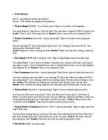
AJAD Simple Present: (olevik. Kui midagi toimub iga päev. every day.) EXAMPLES: I play tennis. She does not play tennis. The train leaves every morning at 8 am. The train does not leave at 9am. She always forgets her purse. (Ta alati unustab oma koti) He never forgets his wallet. Every twelve months, the Earth circles the sun. The sun does not circle the Earth. Past Simple: (midagi on tehtud. Tegusõna tuleb panna minevikku ehk II põhivormi. Seda aega tuleb kasutada siis, kui lause väljendab tegevust, mis minevikus tehti ja ka ära lõpetati!) EXAMPLES: I saw a movie yesterday. (Ma nägin eile filmi. Nägin filmi lõpuni.) I didn't see a movie yesterday. Last year, I traveled to Japan. (Sõitsin Jaapanini välja, mitte ei jäänud reisi peal kuhugi toppama) Last year, I didn't travel to Japan. She washed her car. (Ta pesi auto ära
Future Will infinitive Will + have Will+ base+ ing Will + have without to.. + been+ ing He will leave.. I will have a word You will be I will have been with you. watching working Present Future going to-future will-future Simple Present Progressive Progressive infinitive to be (am, are, is) to be (am, are, is) will + be + 3rd person singular + going to + will + infinitive
d) verbid be, contain, include, belong, fit, need, matter, cost, mean, own, want, owe, have, require, weigh, wish etc. Mõnede seisundiverbidega saab moodustada kestvaid aegu, kui nad väljendavad tegevust, mitte seisundit: Susan looks tired. (=appears) Susan is looking at some photos. (=is studying) I see what you mean. (=understand) I can see some people. (=perceive with my eyes) I´m seeing my doctor tomorrow. (=am meeting) He has a car (=possesses). He´s having lunch now. (=is eating) Ajamäärused usually, sometimes, always, rarely, seldom, never, often, (lauses enne põhiverbi või peale verbi be, abitegusõnu või modaale Susan often goes skiing. Kim is sometimes rude to people. You can always call me if you need help.), every day/week/month/year, on Mondays, in the morning/evening, at the weekend etc. 2. Present Continuous (kestev olevik)
It's the best book I've ever read. It's the first time I have ever been abroad. 2)Present perfect continious : have/has + been + ing. N:I've been living in this flat since 2000. I've been waiting for ages. I'm hot,I've been running. Past tenses: 1)Past simpleI saw John last week.Agatha Christie wrote detective stories.I got up,had breakfast and went to school. 2)Past continious:was/were+ing N: I was still having dinner when my friend called. I was reading a book while my brother was playing his guitar. 3)past perfect:had+past participle/had+been+ing. N: my brother had gone to bed by the time I got home. By midnight, all the guests had left. We were tired because we had been playing volleyball all morning. Future tenses: 1)Future simplewill/shall + infinitive. N:Ppl will live on the moon one day. Are you having a party?I will come! I'll ring you tonight if you want. I'll be really angry if youre late again.
+ have, has + 3.põhivorm lausetes - have, has + not + 3.põhivorm ? have, has + 3.põhivorm Väljendab: Äsja lõppenud tegevust, täna/sel nädalal/sel kuul/sel aastal toimunud tegevust, tegevust, mida on/ei ole kunagi tehtud Spikkrisõnad: today, this week, this year, already, yet, just, never, ever, for, lately Past simple (lihtminevik) Did kasutatakse eitavas ja küsilausetes + 2.põhivorm - did + not + 1.põhivorm ? did + 1.põhivorm Väljendab: Minevikus toimnud tegevust, tegevuse v sündmuse aeg on antud. Tgevust, mis toimus minevikus korduvalt, kuid enam ei toimu Spikkrisõnad: ago, last, yesterday Past continuous (kestev minevik) Was, were kasutatakse kõikides lausetes + be (was, were) + 1.põhivorm ing - be (was, were) + not + 1.põhivorm -ing ? be (was, were) + 1.põhivorm ing
moment of speaking just now, Q: Is he speaking? Listen!, Look!, · action taking place only for a now, right now limited period of time · action arranged for the future Past Simple A: He spoke. · Finished action in the past yesterday, 2 N: He did not speak. minutes ago, in Q: Did he speak? · actions taking place one after 1990, last Friday another Past A: He was speaking. · action going on at a certain when, while Continuous N: He was not time in the past yesterday at 5 speaking.
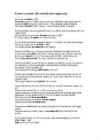
Grammar Present Simple (Lihtolevik) and Present Continuous (Kestev olevik) PRESENT SIMPLE - LIHTOLEVIK Lihtolevik väljendab: 1) Harjumuspärast tegevust või seisundit olevikus. What time do you usually get up? 2) Üldtuntud tõdesid ja fakte. It always rains in October. 3) Oskusi ja võimeid. She speaks English well. Juhul kui tegusõna lõpeb häälikuga `s` või ühenditega sh`, `ch`, lisatakse ainsuse kolmandas pöördes tegusõna lõppu ` ES` (switch switches). Täpselt sama reegel kehtib tegusõnade kohta, mis lõpevad häälikuga `o` (go goes). Erandina tuleks välja tuua tegusõna `have`, mille ainsuse kolmas pööre on has. He/She has a nice car. Does he/she have a nice car? He/She does not have a nice car. Juhul kui küsimus algab küsisõnaga (when, where, how, why, what), järgneb küsisõnale alati abitegusõna DO või DOES. Jaatav lause Küsiv lause Eitav lause
10_ She usually _________________________________ (go) to the gym on Friday evenings. Marks: /10 2 Choose the correct tense (present simple or present continuous) in these sentences. 1 How do you usually start/are you usually starting your day? _____________________________________ 2 What time do you go/are you going to bed at weekends? _____________________________________ 3 This Girlzone CD is belonging/belongs to Alan. _____________________________________ 4 I understand/am understanding English, but not Spanish. _____________________________________ 5 Why does she run/is she running? Because she's late for work. __________________________________ 6 She doesn't enjoy/is not enjoying the film. _____________________________________ 7 This milk is tasting/tastes horrible
4Use a capital letter for the names of places: National Museum, Bronx Zoo, London, Sacramento 4Use a capital letter for festivals, holidays, days of the week, months of the year: New Year's Day, Christmas, Labor Day, Mother's Day, Sunday, Monday, Friday, January, May, July, October Exercise 1 Circle the letters that should be CAPITALS. Then write the correct letter in the space above them. 1 peter and i are good friends. we are going to chicago during our summer 2 vacation. 3 there is an interesting football game on sunday. 4 jason lives on thomson avenue. 5 january is the first month of the year. Exercise 2 Look at the signs on the left. Can you find the mistakes? Write the names correctly. hopkins hotel lincoln school orchard street newton road botanic gardens national library shea stadium 3 Nouns
SIMPLE CONTINUOUS PERFECT I (-s) DO/DOES AM/IS/ARE + ING HAVE/HAS + III pv. I learn English I am learning English I have learned English. I get up at 7 every day. I'm reading a good book at the I've learned 10 words today. He doesn't get up at 7. moment. He hasn't learned any new What time do you get up? He isn't reading anything at the words today. moment. How many words have you What are you reading at the learned today? moment? 1 Korduv tegevus. 1 Praegu toimuv. 1 Äsja lõppenud 2 Püsiv olukord. 2 Praeguse perioodi vältel 2 Täna/sel nädalal toimunud 3 Tulevikus toimuv, seotud toimuv
Children start school at the age Praeguse perioodi vältel toimuv of seven in Estonia. tegevus: Sõiduplaanide ja ajagraafikutega They're building a new railway KASUTAMINE seotud tulevik: station in our town. The train leaves at 9 o'clock Ettekavatsetud tegevus tulevikus, tomorrow. mis on kahepoolselt kokku lepitud: Loodusseadused My grandparents are celebrating Spordiülekanded their wedding anniversary next Juhised month. Pahameelt näitav sageli toimuv tegevus.
Children start school at the age Praeguse perioodi vältel toimuv of seven in Estonia. tegevus: Sõiduplaanide ja ajagraafikutega They're building a new railway KASUTAMINE seotud tulevik: station in our town. The train leaves at 9 o'clock Ettekavatsetud tegevus tulevikus, tomorrow. mis on kahepoolselt kokku lepitud: Loodusseadused My grandparents are celebrating Spordiülekanded their wedding anniversary next Juhised month. Pahameelt näitav sageli toimuv tegevus.
Children start school at the age Praeguse perioodi vältel toimuv of seven in Estonia. tegevus: Sõiduplaanide ja ajagraafikutega They're building a new railway KASUTAMINE seotud tulevik: station in our town. The train leaves at 9 o'clock Ettekavatsetud tegevus tulevikus, tomorrow. mis on kahepoolselt kokku lepitud: Loodusseadused My grandparents are celebrating Spordiülekanded their wedding anniversary next Juhised month. Pahameelt näitav sageli toimuv tegevus.
Pikk ajalugu on lihvinud keelt ja tulemuseks on lihtne loogika ja käändelõppude puudumine! Mitmekesine ajalugu on aidanud kaasa eri päritolu sõnavarale ning ka hääldusmuredele. Väidetavalt on üle poole inglise keele sõnavarast mitte anglo- saksi päritolu, ehk siis laenatud – kontrolli hoolega, kas ‘sympathy’ ikka tähendab ‘sümpaatiat! kaastunne Aari Juhanson, MA 2009 Tenses – Tegusõna ajad • Olevik (Present) • Minevik (Past) • Tulevik (Future) • Kaudne tulevik (Future-in-the-Past) Aari Juhanson, MA 2009 Present Tenses • Lihtolevik (Present Simple / Present Indefinite) – regulaarne, korduv tegevus • Kestev olevik (Present Progressive / Present Continuous) – pooleliolev, ühes tükis tegevus • Täisminevik !!! (Present Perfect) – tehtud, *lõpetamata* tegevus • Kestev täisminevik (Present Perfect
INGLISE KEELE PÕHITÕED C.K 2017 A – AN – SOME Singular: a or an Use some for things you can't count ◦ *a banana *a car *a monkey *a football ◦ *some milk *some water *some coffee ◦ *an egg*an accident *an umbrella *an *some sugar eagle ◦ *some tea *some juice*some money *some butter Plural: some Exercises: 1. http://www.english-4u.de/a_an_some_ex1.htm ◦ *some bananas *some cats *some monkeys *some 2
Passive (=passiiv ehk umbisikuline tegumood) This house was built in 1935. Was built on passiiv. Võrdle isikulist (active) ja umbisikulist tegumoodi (passive): Somebody built this house in 1935. (aktiiv house on lauses sihitis (=object)) This house was built in 1935. (passiiv house on lause aluseks (=subject)) Kui me kasutame isikulist tegumoodi (aktiiv), siis ütleme, mida lause aluseks olev isik (subject) teeb: My grandfather was a builder. He built this house in 1935. It's a big company. It employs two hundred people. Kui kasutame umbisikulist tegumoodi (passiiv), siis ütleme, mis juhtub lause alusega: This house is quite old. It was built in 1935. Two hundred people are employed by the company.
Bad/ ill worse the worst many/ much more the most little smaller/ less the smallest/ least VII. CONDITIONALS (TINGIMUSLAUSED) KASUTATAKSE SIIS, KUI SOOVITAKSE RÄÄKIDA VÕIMALIKEST SÜNDMUSTEST JA OLUKORDADEST JA NENDE TAGAJÄRGEDEST. If _________________, ______________. ___________________ if _____________. ! alati ei pruugi IF-i lauses olla! 2 4 conditionals: Zero cond. käibetõed, sagedased sündmused First cond. üsna tõenäolised sündmused Second cond. ebatõenäolised sündm. Third cond. miski, mis oleks võinud minevikus toimuda, aga ei toimunud. if-clause main clause 0 present simple + present simple 1 present simple + will future 2 past simple + would (could, might) ja I.pv. 3 past perfect + would (could,..
At kellaajad at 6 o´clock - öösel at night - At noon - At weekend - At midnight - Pühad at Christmas - At the moment - At present - At lunch time At last / least Lõpuks / vähemalt From ...to / From ... till Kuskilt For kui kauaks ( We went for holidays ten days) By mitte hiljem kui P.S. Ajamäärsõnu ei kasutata selliste sõnadega nagu : today , tomorrow, tonight, yesterday, this...(day) , last..., next..., every..., all..., some ..., each..., one ..., any...! Tegusõna BE Tegusõnal BE on olevikus kolm vormi: I am He, she, it is We, you, they are Ainsus 1. isik I am young 2. isik You are strong 3. isik He is cleaver She is pretty It is cheap Mitmus 1. isik We are happy 2. isik You are kind 3. isik They are rich Küsiv vorm (mida eesti keelde tõlgitakse kas-küsimuse abil) moodustatakse sõnade järjekorra muutmise teel: He is lazy. Is he lazy
TENSES (Table) Past Simple Present Simple Future Simple Tegusõna 2. pv Tegusõna 1. pv Tegusõna on esitatud kujul [NB! He/She/It _____(e)s] Küsimuse/eituse will + 1. pv moodustamiseks kasut. Küsimuse/eituse did + 1. pv moodustamiseks kasut. Eituste moodustamisel do / does + 1. pv will not = won't Tunnused lauses: Lihtminevik. Keegi tegi Tunnused lauses: Tunnused lauses: midagi
· The bus does not arrive at 11 AM, it arrives at 11 PM. · When do we board the plane? Examples: · The party starts at 8 o'clock. · When does class begin tomorrow? · I play tennis. · She does not play tennis. USE 4 Now (Non-Continuous Verbs) · Does he play tennis? · The train leaves every morning at 8 AM. · The train does not leave at 9 AM. · When does the train usually leave? · She always forgets her purse. · He never forgets his wallet. Examples: · Every twelve months, the Earth circles the Sun. · I am here now.
FUTURE SIMPLE BE GOING TO Will + infinitive (will go) Am/is/are going to + infinitive (is going to rain) 1.A decision at the moment of 1.Future plans made before the speaking: moment of speaking: A: 'I'm cold'. A: 'We've run out of milk.' B: 'I'll close the window'. B: 'I know, I'm going to buy some.' 2.Prediction based on opinion: 2.Prediction based on present I think the Conservatives will win the evidence: next election. Look at those boys playing football! 3.A future fact: They're going to break the window. He will be ten next year. 4.Promises / requests / refusal / willingness: I'll help you with your homework. Will you give me a hand? 5.In the same way as the future
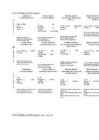
TEGUSÕNA AKTIIVI AJAD Lihtolevik Kestev olevik Perfekti olevik Perfekti kestev O [ ma töötan (igal suvel) ] [ ma töötan (praegu) ] [ ma olen (siin) töötanud (alates [ (täna) olen ma (jub 1987. a.) ] töötanud ] O L I, you, we, they I am
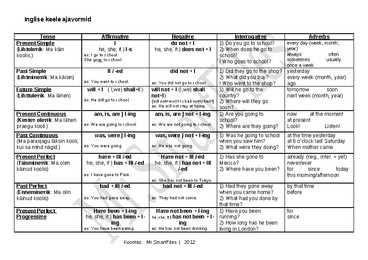
always often She goes to school. ! Who goes to school? sometimes usually once a week Past Simple II / -ed did not + I 1) Did they go to the shop? yesterday (Lihtminevik: Ma käisin) 2) What did you buy? every week (month, year) ex: You went to school. ex: You did not go to school. ! Who went to the shop? ago Future Simple will + I ( I,we} shall+I ) will not + I (I,we} shall 1) Will he go to the tomorrow soon
 annaabi.ee