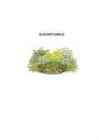
William the Bastard Early life about the bastard William I usually known as William the Conqueror and sometimes William the Bastard, he was the first Norman King of England. William was the son of the unmarried Robert I, Duke of Normandy, by Robert's mistress Herleva. During his childhood and adolescence, members of the Norman aristocracy battled each other, both for control of the child duke and for their own ends. About william the first In 1047 William was able to quash a rebellion and begin to establish his authority over the duchy, a process that
Sin City (2005) Sin city is based on the graphic novel series of the same name. It was directed by Frank Miller, Robert Rodriquez and Quentin Tarantino. Film is based on four Sin City stories: "The Customer is Always Right", "The Hard Goodbye", "The Big Fat Kill" and "That Yellow Bastard". Sin City had a very good actors like Bruce Willis, Mickey Rourke, Clive Owen, Jessica Alba, Rosario Dawson, Jamie King, Brittany Murphy, Benicio Del Toro, Nick Stahl, Elijah Wood, Michael Clarke Duncan. All the film is in black and white with a few colored details. It makes perfect environment and makes you feel like in a comic books. Sin City is shared into four parts and all those parts are wrapped together like one masterpiece. All the film is about are corruption and different
Regan is as ruthless as Goneril and as aggressive in all the same ways. In fact, it is difficult to think of any quality that distinguishes her from her sister. When they are not egging each other on to further acts of cruelty, they jealously compete for the same man, Edmund. Gloucester - A nobleman loyal to King Lear whose rank, earl, is below that of duke. The first thing we learn about Gloucester is that he is an adulterer, having fathered a bastard son, Edmund. His fate is in many ways parallel to that of Lear: he misjudges which of his children to trust. He appears weak and ineffectual in the early acts, when he is unable to prevent Lear from being turned out of his own house, but he later demonstrates that he is also capable of great bravery. Edgar - Gloucester’s older, legitimate son. Edgar plays many different roles, starting out as a
William the Conqueror William I was French. William I (1027 9 September 1087), better known as William the Conqueror, was Duke of Normandy from 1035 and King of England from 1066 to his death. William is also referred to as "William II" in relation to his position as Duke of Normandy. In particular, before his conquest of England, he was known as "William the Bastard because of the illegitimacy of his birth. On his father's death in 1035, William was recognised as heir, with his great uncle serving as regent. In 1042 he began to take more personal control. From 1046 until 1055 he dealt with a series of baronial rebellions. William's political and military successes helped him in negotiations to marry Matilda, daughter of Count Baldwin of Flanders in 1053. When William was 24 years old, he visited England for the first time. When he
labaga võis plaatrüüst läbi lüüa. Kirve vars oli ratsameestel lühike (ka laba oli kergem) ja jalameestel pikk (u. 1 m). Plaatrüü vastu valmistati erinevaid mõõku · -enne olid mõõgad rohkem raie- ja lõikerelvad, siis hiljem olid nad rohkem torkerelvad. · Mõõga kirjeldus rombikujuline ristlõige ja ka küljelt vaadates sarnanevad mõõgad torkerelvale: teramik läheb ühtlaselt peenemaks nagu nt. pistodadel, mis olid peamiselt torkamiseks. · Bastard ehk pooleteisekäemõõk. See oli pikk -- teramiku pikkus oli u. 120-140 cm -- raske raiemõõk, mida sai kasutada nii ühe kui kahe käega, oma raskuse tõttu suutis ta plaatrüü purustada ning oli oma pikkuse tõttu samuti hobuselt hea kasutada. Amb koosnes mitmest osast: 1. kaar, mis algul oli valmistatud puust, hiljem sarvest, loomakõõlustest, pärgamendist, Sellel oli eeliseks loomulikult tugevam löögijõud, kuid miinuseks see, et külma käes võis ta murduda. 2.laad 3
Anglican Communion. He engaged in conflict with Henry II of England over the rights and privileeges of the Church and was murdered by followers of the king in Canterbury Cathedral. · Harold Godwinson- Also known as Harold II was the last Anglo-Saxon king of England. He died at the Battle of Hastings.(+ battles) · William the Conqueror- William I, usually known as William the Conqueror and sometimes as William the Bastard, was the first Norman King of England, reigning from 1066 until his death in 1087. Although Willam's victory was remarkable, the way how he managed to control the nobles was even more. He gave them lands, but scattered them all over England so that he would not have the same faith as French Monarch. He also demanded that each freeman in England would utter the oath of loyalty to him(not to the feudals as they used to).
What he does not know, is that the arrogant creator of Napster, Sean Parker, is trying to put him aside of the company. Many dramas, confusing misleads and people used for his own wellbeing leave Zuckerberg alone with some court cases. With many recommendations, you should divide the truth and the fiction. As far as I have read some additional information from the internet, I must say that there is some overacts in the movie. Zuckerberg is shown as a bastard and Savarin with a broken heart and betrayed by his best friend. In the reality, Savarin did his own mistakes which lead to the consequences and also it is not fair to Zuckerberg, that many people now think that the founder of our favorite website is an arrogant, self- centered fool. But this is the only negative aspect of the film. The amount of real material was just a little bit too poor for me. In conclusion, this is definitely a movie we will hear about for a long time
William the Conqueror (~1028-1087) · Was born in Falaise , Normandy. It's not exactly known when William born but it is is believed to have been born in either 1027 or 1028.He was son of Robert I , the Duke of Normandy. He was known as "William the Bastard" because of the illegitimacy of his birth. · Duke of Normandy from 1035. By his father's will, William succeeded him as Duke of Normandy at age seven. He was knighted by Henry at age 15. By the time William turned 19 he was successfully dealing with threats of rebellion and invasion. · King of England from 1066 to his death. Upon the death of the childless Edward the Confessor, the English throne was fiercely
taedium est caedes igavus on tappev dies irrae, dies illae päev vihkamiseks, päev hukatuseks Optimus amicus mei est mihi kõige parem sõber olen ma ise Hilaris Sarcalogos häid jõule Gauisus Novus Annus head uut aastat Parum depressus väheke depressioonis Meus bardus sentential cruciatus mihi minu lollid mõtted piinavad mind Exosus orbis terrarium vihkan maailma Sententia vado nusquam mõtted viivad eikuhugi infirmus - intorqueo fossor --- sick-twisted bastard bulla ferreus quod vos mos adepto vestri calx õpi raskelt ja sa saavutad oma eesmärgi. Nex est secui fatum surm on osa saatusest Nos es quisnam nos es me oleme, kes me oleme Totus bonus res adeo an terminus tamen nocens res mos permaneo pro umquam head asjad jõuavad lõpuni, kuid pahad asjad kestavad igavesti. Adveho quis postulo advenio tuleb, mis tulema peab
cites infants' breeding as an example for improving the economical conditions, finding the proposal "a fair, cheap and easy method of making these children sound and useful members of the common-wealth" (52). He says that because many women in those times had no any material capabilities to raise children and provide for them. The proposal, in his opinion, will make the babies "beneficial to the public" and "prevent those voluntary abortions, and that horrid practice of women murdering their bastard children. Alas! Too frequent among us, sacrificing the poor innocent babies" as well (54). Children are not representing anything, but a hot commodity there. Especially my attention was struck by the fact that the author incorporates a settlement system, when he calculates the costs for rearing and profit from the sale of poor women' babies. According to Swift, "a child just dropped from its dam may be supported by her milk for a solar year, with the little other nourishment: at most not
lõikerelvad, siis 15. sajandil olid nad rohkem torkerelvad. Sellele viitab nende rombikujuline ristlõige ja ka küljelt vaadates sarnanevad mõõgad torkerelvale: teramik läheb ühtlaselt peenemaks nagu nt. pistodadel, mis olid peamiselt torkamiseks. 14. saj. keskpaigani kasutati nn. löögi-ja-torke mõõku, mis olid mõeldud mõlemaks otstarbeks. Hiljem olid mõõgad peamiselt torkamiseks. 14. saj. leiutati ka hoopis uus mõõgatüüp: nn. bastard ehk pooleteisekäemõõk. See oli pikk, teramiku pikkus oli umbes 120-140 cm, raske raiemõõk, mida sai kasutada nii ühe kui kahe käega, oma raskuse tõttu suutis ta plaatrüü purustada ning oli oma pikkuse tõttu samuti hobuselt hea kasutada. Lahingus oli suur osa vibu- ja ammuküttidel. Neil kahel relval on mõlemal omad eelised, tihti on vaieldud selle üle, kumb oli efektiivsem. Vibu eelis oli kindlasti tema palju suurem laskekiirus: sel
ning Venemaal Peeter I’ni FEODALISM Feodalismi mõiste on kasutusele tulnud hiljem , see on tehniline termin, mis tuleneb sõnast feudum. Feodalism on seotud omandisuhetega. Selle iseloomulikult tunnused ühiskonnatüübina on : seisused jagunevad klassidesse, aadel on ühisonna tipp. Feodalism Nõukogude mõistes on majandustüüp, kus olulisim sõltumatute talupoegade töö mõisnike heaks ilma majandusliku sunnita, vaid kohustuse pärast. Bastard feodalism-> palgaline leping, ehk vasall sai raha itte maad. KESKAJA AJALOO ALLIKAD Kirjalikud allikaid võib jagada: HISTOGRAAFILISED- kroonikad(ajaraamatud, dateeritud sündmuste esitus ajalises järgnevuses), annaalid (lühikesed kirjapanekud aastate kaupa tähtsamatest sündmustest, näiteks Püha Nikulause annaalid.) HAGIOGRAAfILISED- pühakute elulood. Kesksaja levinuim žanr. Ahtosantoorium- elulugude kogumik.
Stinger Zombie · 6 cl cognac · 1,5 cl white rum · 2 cl crème de menthe (white) · 2 cl dark rum · 2 cl lemon juice Suffering bastard · 3 cl orange juice Pour 1 soup spoon Angostura into the glass, · 1 dash lime juice turn it while inclining it in order to coat all the · 0,5 cl crème de noyau inside with the angostura, and drop the excess. Fill the glass with ice and add 6 cl · 0,5 cl Grand Marnier
Üheteralistel kõveratel mõõkadel võib lõiketera jääda nii kaare siseküljele (Põhja- Euroopa pikknuga,jatagan, makhaira), välisküljele (saabel, saska, katana, naginata, tashi) kui ka mõlemale (khopesh, xiphos). Mõõga käepide ja käekaitse Liigitus Ühe käega hoitavaid mõõku nimetatakse ühekäemõõkadeks, kahes käes hoitavaid suuremaid mõõku kahekäemõõkadeks. Lisaks on tarvitatud ka pooleteisekäemõõku ehk värdmõõku (inglise bastard sword), mida saab hoida mõlemal viisil. Tavaliselt kantakse mõõka ohutuse huvides ja nüristumise vältimiseks mõõgatupes, mis ripub mõõgavöö abil enamasti puusal, harvem seljas. Tavapärasest nürimaid kahekäemõõku on kantud ka õlal ilma tupeta. Mõõkade kasutuspõhimõtted on jäänud sajandite vältel üldiselt samaks, kuid kuna mõõkade kuju ja eesmärk on muutunud, erinevad võitlustehnikad suurel määral. Võitluses võidakse
a. the action or fact of adopting or being adopted (adoptive parents - lapsendajad) 15. Affiliation (liitumine/ kuuluvus) - the process officially attaching or connecting sb to an organization; connection to political party, religional group or something else; the man is legally related to the child a. Paternity cases – isaduse tõestamine 16. Illegitimate child (vallaslaps) - a child who is born to parents who are not married to each other a. Bastard, love child 17. Adjudicate (otsust langetama) - to make a formal judgement on a disputed matter a. – settle a little dispute 18. Leave (luba) - time allowed away from work for a holiday or illness a. To grant a leave – give sb the permission 19. Litigate (kohut käima, süüdistust nõudma) - to ask for a disagreement to be discussed in a court of law so that a judgment can be made that must be accepted by both sides in the argument 20
will take the bus with you when the limo breaks down. w The only people who never fail are those who never try. T Kui satud raskesse olukorda ja kõik asjad on sinu vastu, kuni tundub, et sa ei suuda enam minutitki rohkem vastu pidada, ära kunagi loobu, sest see ongi koht, kus kõik muutub paremuse poole. m Come down, get a little real. You ain t no superhero, just a faker with an attitude.. Don't you think so ? D Sunsets . That bastard of a thing that let's you know there's gunna be tomorrow .. Sometimes when I say : '' oh , I'm fine '' .. i wish it's truth . S Proovi ja ebaõnnestu, kuid ära lõpeta proovimist . P
Edard, kes tõusis 1461 troonile Edward VI- na. Vahelduva eduga peetud sõda lõppes 1485 Bosworthi lahinguga. Et rooside sõjas hukkus enamik inglise kõrgaadlist, tugevnes kuningavõim. Bosworthi lahhing 1485: Lancasteri soost pärit Henry Tudor (Henry VII) ja Yorki dünastiast lahku löönud väed võitsid viimast Yorki soost kuningat Richard III. See lahing märgib ka sümboolset lõppu Inglise keskajale. BASTARD FEUDALISM: Termind, mida kasutatakse hiliskeskajal feodaalkorra iseloomustamiseks, põhiliselt Inglismaal. Termin pärineb Inglismaalt, kus kuningad asendasid feodaalide sõjaväekohustuse rahalise maksuga, mille eest palkasid endale palgasõdureid. PÕHJA-EUROOPA SKANDINAAVIA RISTIUSUSTAMINE JA RIIKIDE TEKE: Skandinaavia konungid tülitsesid pidevalt omavahel. Igaüks püüdis saada endale võimalikult rohkem maakondi. Vahel
- 13. sajandil). 2 · Talupoegade sõltuvus. · Teenistuse tasuks teenisvaldus (maapalk). · Vasalliteet. · Võim on killustunud. · Palgasõdurid. Feodalism (Nõukogude mõistes) on majandustüüp, kus olulisim sõltumatute talupoegade töö mõisnike heaks, ilma majandusliku sunnita vaid kohustuse pärast. Kui lugeda feodalsmist, siis vaata enne, mida autor feodalismiks peab, muidu võib möödarääkida üksteisest. Bastard feodalism värdjaslik feodalism ehk palgaline leping vormistati ning vasall sai raha mitte maad. Skandinaavias, v.a Taanis, ja Preisimaal polnud feodaalkorda. Ristirahvas, christianitas, oli määrav, Euroopa mõiste ei omanud tähtsust. 1054 Ida - ja Lääne Rooma vaheline võitlus, kirikujuhid panid üksteist kirikuvande alla. Lõhe katolikukirikus! Lõuna Itaalia kaudu lisandus araabia kultuuri, nt teoste tõlkimine.
leevendab kurguvalu ning soodustab higistamist. Kõige krooniks on taimel rahustav toime, mille tõttu seda kasutatakse unehäirete ja depressiooni leevendamiseks. Meliss põhjustab harva ebameeldivaid kõrvalnähte, kuid seda soovitatakse vältida rasedatel ja rinnaga toitvatel naistel. Melissi ei tohiks tarvitada inimesed, kellel on kilpnäärmeprobleemid või kel esineb glaukoom, sest sel juhul võib taim häirida teatud ravimite toimet. 2.4.2. Piparmünt (Mentha piperita ) Piparmünt on bastard, mille päritolu on vähetuntud. Sellest hoolimata on tal kindel positsioon ravim- ja õlitaimede seas. Münte teatakse 15 erinevat sorti. Farmaatsiatööstuses eelistatakse seda sorti, mis on pärit 18 saj. Inglismaalt Surrey krahvkonnast. Teine tööstuses laialt kasutatav sort on Mentha Spicata, mis on ürgselt pärit Prantsusmaalt ja Põhja-Itaaliast. Seda sorti kasutatakse USAs närimiskummi-, kompveki- ja veinitööstuses. Piparmünt kuulub huulõieliste perekonda, on
Muu oluline informatsioon - Faasseni naistenõges (Nepeta faassenii) on aedades kasvatatav põõsasjas ilutaim, mis õitseb varasuvest kuni sügiseni. Lavendelsinised purpurse südamikuga õied on koondunud pikkadesse õisikutesse. Puhma kõrgus keskmiselt 45 cm. On püsik ja sarnaneb harilikule naistenõgesele. Eestikeelne nimetus on Piparmünt Ladinakeelne nimetus on Mentha piperita Sugukond huulõielised Botaaniline iseloomustus - Piparmünt on bastard ja tal on kindel positsioon ravim- ja õlitaimede seas. Ta on mitmeaastane tugeva aromaatse lõhnaga rohttaim. Ta kasvab 30-60 cm pikkuseks. On vähenõudlik taim. Enamasti on varred ja lehed tumerohelised, kuid võivad sorditi erineda. Teravalt aromaatse lõhnaga taim. Taime tähtsaimaks toimeaineks on mentooli sisaldav eeterlik õli. VARS - Vars on peaaegu paljas, enamasti on ta neljakandiline ja harunenud. LEHT - Lehed on tal vastakad, munajassüstjad, teravsaagjate servadega
See nõupidamine muutus hiljem regulaarseks, kusjuures parlament jagunes Edward III valitsusajal kaheks: ülemkojaks (House of Lords) ja alamkojaks (House of Commons). Ülemkoja moodustasid vaimulikud ja suurfeodaalid, kes olid nimetatud kuninga poolt. Alamkotta saatis iga krahvkond kaks rüütlit ja iga linn kaks kodanikku. Parlamendi nõusolekuta ei tohtinud kuningad makse kehtestada ning aja möödudes hakati seal ka koos kuningaga seadusi vastu võtma. Bastard feudalism termin, mida kasutatakse hiliskeskaja feodaalkorra iseloomustamiseks, põhiliselt Inglismaal. See termin pärineb Inglismaalt, kus kuningad asendasid feodaalide sõjaväekohustuse rahalise maksuga, mille eest palkasid endale palgasõdureid. (värd(jas)feodalism Edward II äärmiselt nõrk Inglise kuningas, keda iseloomustasid ebakompetentsus, poliitiline nääklemine ja sõjaline ebaõnn. Edward II valitsusajal lõi Inglismaast lahku Sotimaa Bannockbumi lahingu järel
See nõupidamine muutus hiljem regulaarseks, kusjuures parlament jagunes Edward III valitsusajal kaheks: ülemkojaks (House of Lords) ja alamkojaks (House of Commons). Ülemkoja moodustasid vaimulikud ja suurfeodaalid, kes olid nimetatud kuninga poolt. Alamkotta saatis iga krahvkond kaks rüütlit ja iga linn kaks kodanikku. Parlamendi nõusolekuta ei tohtinud kuningad makse kehtestada ning aja möödudes hakati seal ka koos kuningaga seadusi vastu võtma. Bastard feudalism termin, mida kasutatakse hiliskeskaja feodaalkorra iseloomustamiseks, põhiliselt Inglismaal. See termin pärineb Inglismaalt, kus kuningad asendasid feodaalide sõjaväekohustuse rahalise maksuga, mille eest palkasid endale palgasõdureid. Edward II äärmiselt nõrk Inglise kuningas, keda iseloomustasid ebakompetentsus, poliitilised tülid ja sõjaline ebaõnn. Edward II valitsusajal lõi Inglismaast lahku Sotimaa Bannockbumi lahingu järel. 1327 eemaldati ta troonilt.
*Anne Boleyn She was the Queen of England, the second wife of Henry VIII. She refused to marry Henry before annulment of his marriage to Catherine. When the Pope refused to grant the annulment, the argument between King Henry and the Roman Catholic Church began. Anne gave in to Henry and soon became pregnant and the two were secretly married. However, because the child was conceived before Anne and Henry were legitimately wed it was considered a bastard. To make its birth legitimate, theire marriage was declared valid. Anne gave birth to a girl, the future Queen Elizabeth I of England. She failed to produce a surviving male heir. She was beheaded as guilty of adultery and high treason. *Jane Seymour She was Queen Consort of England and the third wife of Henry VIII. Henry VIII married her ten days after Anne's execution. Seymour was said to be strict and formal, she was close only to her female relations
juudid on erinevate patoloogiate kandjad. Seda oli oluline rõhutada, sest toonane arstieetika käskis arstil olla terve. Seletusi juutide kehvale tervislikule seisndile oli erinevaid. Nt rõhutati nende diasporaas elamist, kaugel Palestiina kodumaast. ,,Vales" kliimas elamine pidanuks andma tugeva stressi fooni. Juute käsitleti segarassina, eeldusel, et nad on kindlasti nende rahvastega segunenud, kelle hulgas nad on elanud segarasse, bastard-rasse, aga vaadeldi kui nõrku ja alaväärseid (sama põhjus nt natsidel slaavlasi alaväärtustada needki pidanuksid olema kas türklaste või soome- ugrilaste poolt ,,rikutud" indo-euroopa tõusg.) Tartu ülikooli antropoloogidest kirjutas juutide tervise teemal töö B. Blechmann (Ein Beitrag zur Anthropologie der Juden, 1882), kus vaagib juutide kehaehitust ning väidab, et juudid on Vene impeeriumi kehaliselt kõige nõrgem rahvas. S. Freud, olles
KING CLAUDIUS The doors are broke. Noise within Enter LAERTES, armed; Danes following LAERTES Where is this king? Sirs, stand you all without. Danes No, let's come in. LAERTES I pray you, give me leave. Danes We will, we will. They retire without the door LAERTES I thank you: keep the door. O thou vile king, Give me my father! QUEEN GERTRUDE Calmly, good Laertes. 146 LAERTES That drop of blood that's calm proclaims me bastard, Cries cuckold to my father, brands the harlot Even here, between the chaste unsmirched brow Of my true mother. KING CLAUDIUS What is the cause, Laertes, That thy rebellion looks so giant-like? Let him go, Gertrude; do not fear our person: There's such divinity doth hedge a king, That treason can but peep to what it would, Acts little of his will. Tell me, Laertes, Why thou art thus incensed. Let him go, Gertrude. Speak, man. LAERTES Where is my father? KING CLAUDIUS Dead.
by a little-known technicality he comes in second to Fat Freddy Phreak, who has got loose again and entered the race at the last minute. Fat Freddy is only twenty-two. I owe you $5. MacKay makes the general point that a speaker's intentions may be arbi- trarily crazy. Suppose I have formed the insane belief that Keith Donnellan is the illegitimate son of Santa Claus and Margaret Thatcher. Using the descrip- tion referentially, I say "Mrs Thatcher's Christmas bastard wrote a classic article on descriptions." If you know enough about my weird beliefs, you will pick out the right individual and understand what I meant, but no one could correctly describe me as having said that Keith Donnellan wrote the classic paper. It should be questioned whether there is any rightfully separate notion of an "actual referent." The concept of a semantic referent is clear, and the theory of communication requires that of a speaker-referent, but perhaps the
morning. I usually slept straight through the night and thought maybe the strange surroundings were keeping me from sleeping deeply; then Gideon moaned and shifted restlessly and I realized what had disturbed me. The sound he made was pained, his subsequent hiss of breath tormented. "Don't touch me," he whispered harshly. "Get your fucking hands off of me!" I froze, my heart racing. His words sliced through the dark, filled with fury. "You sick bastard." He writhed, his legs kicking at the covers. His back arched on a groan that sounded perversely erotic. "Don't. Ah, Christ...It hurts ." He strained, his body twisting. I couldn't bear it. "Gideon." Because Cary had nightmares sometimes, I knew better than to touch a man in the throes of one. Instead, I knelt on my side of the bed and called his name. "Gideon, wake up." Stilling abruptly, he fell to his back, tense and expectant. His chest heaved with panting breaths
Miks nad peavad tegema haiget, kuigi teavad, et see võib viia inimese rivist välja? Miks Sina pidid sel õhtul rikkuma kõik selle, mis tundus algul nii ilus ja hea? Miks on vaja mängida ühe tüdruku/poisi ilusa, ainulaadse ja täiesti ainukese südamega? Kas sa tõesti usud, et kui sa seda teed, siis haavad paranevad? Jah, sul on õigus, need paranevad, aga kas sa ka kujutad ette, millised armid sa tegid?* When you are sad… I will get you drunk and help you plot revenge against the bastard(s) who made you sad. When you are blue… I’ll try to dislodge whatever is choking you. When you smile… I’ll know you finally got some. When you are scared… I will tease you about it every chance I get. When you are worried… I will tell you horrible stories about how much worse it could be and anything else that comes to mind for you to quit whining. When you are confused… I will use little words to explain it to you – dumb ass. When you are sick… stay away
When you are in the grip of such and ego, complaining, especially about other people, is habitual and, of course, unconscious, which means you don't know what you are doing. Applying negative mental labels to people, either to their face or more commonly when you speak about them to others or even just think about them, is often part of this pattern. Name-calling is the crudest form of such labeling and of the ego's need to be right and triumph over others: “jerk, bastard, bitch” - all definitive pronouncements that you can't argue with. On the next level down on the scale of unconsciousness, you have shouting and screaming, and not much below that, physical violence. Resentment is the emotion that goes with complaining and the mental labeling of people and adds even more energy to the ego. Resentment means to feel bitter, indignant, aggrieved, or offended. You resent other people's
 annaabi.ee