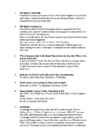
A drawing Stephen did of St. Paul's Cathedral when he was 9 . 3.slaid One of Stephen's teachers took a particular interest in him, who later accompanied his young student on drawing excursions and entered his work in children's art competitions, many of which garnered Stephen awards. The local press became increasingly suspicious as to how a young child could produce such masterful drawings. The media interest soon turned nationwide and the 7 year old Stephen Wiltshire made his first steps to launch his lifelong career. The same year he sold his first work and by the time he turned 8, he received his first commission from the British Prime Minister to create a drawing of Salisbury Cathedral. In February 1987 Stephen appeared in The Foolish Wise Ones. (The show also featured savants with musical and mathematical talents.) During his segment Hugh Casson, a former president of London's Royal Academy of Arts, referred to him as "possibly the best
Megalithic Sites in England Alina Trussova 10b klass Contents Overview Purpose Monuments How they were built Overview Monument Large stones Neolithic-Bronze Age Divided: Menhir Dolmens Tumulus The Megalith Map Purpose Religion Astronomical Stonehenge Burial place West Kennet Long Barrow Stonehenge Wiltshire, England Stone Circles 3100 1100 BC Astronomical Alignment Avebury Henge Avebury, Wiltshire Stone Circles Surround the village 2600 -2400 BC Rollright Stones Little Rollright, Oxfordshire 4000 - 1500 BC 77 stones 3 elements: The King Stone The Whispering Knights dolmen The King's Men West Kennet Long Barrow Wiltshire 3700 - 2000 BC. burial chamber The Hurlers Cornwall 3 Stone circle about 1500 BC Silbury Hill Wiltshire 2,400-2,000BC High: 30 m Wide: 160 m How they were built Questions? Thank you!
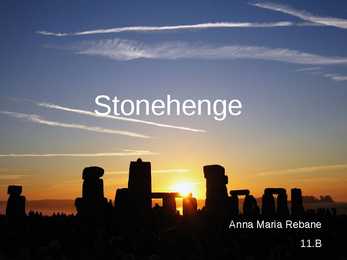
Stonehenge Anna Maria Rebane 11.B Facts about Stonehenge · 5000 year old prehistoric ritual monument · the most famous prehistoric monument in Europe · one of the most ancient and mysterious structures in the world · 3.2 kilometers west of Amesbury and 13 kilometers north of Salisbury · south-western England; in the English county of Wiltshire · built in the late Stone Age (Neolithic) and the Bronze Age The History of Stonehenge · "The Mystery of Stonehenge" · the building began in 3000 BC by semi-nomadic peoples · The first stone to be placed - Heel Stone. · some stones weigh about 45 tons each and are 7m high · the largest stone weights as much as 50 tons · no wheels and no metals · their tools - stones, bones and wood · built in several stages
1.What is Stonehenge? 2. Who were the Celts and the Druids? 3. When did the Romans invade Britain? 4. Why did Julius Ceasar call the land Albion ? 5.Why and who built the Hadrian Wall? 6. When did the Saxons settle in Britain? 7. When did the Vikings first raid Britain? 8. Who were the Normans? 9. When was the Battle of Hastings? 10. Who was William The Conquerer? What is Stonehenge? a prehistoric monument located in the English county of Wiltshire built in several stages from 2800 - 1800 BC. Druids built Stonehenge. Who were the Celts and the Druids? The Celts were a group of peoples that occupied lands stretching from the British Isles to Gallatia. The Druids were the wise ones, the educated class of the Celts. ( lawyers, doctors, teachers, storytellers, and other professional of that culture.) When did the Romans invade Britain? Romans invade Britain in 55 B.C
2. MEENUTAMINE “Oleva eluviisi kohane meenutamine tähendab varem nähtu või kuuldu uuesti elluäratamist” . Fromm väidab, et me peame looma uuesti selle, mida soovime näha, kuid selleks tuleb seda vaadelda piisavalt keskendunult. Ma nõustun ka selle väitega, sest millegi meenutamisel tuleb ennast ettekujutada samas olukorras/ keskkonnas, kus nähtu ennast ilmutas. See aga nõuab täielikku keskendumist. Väga heaks näiteks on ameerika kunstnik Stephen Wiltshire, kes suutis pärast mõnetunnist helikopteriga lendu üle New York´i linna selle mälu järgi täpselt ära joonistada. Lennu ajal tegi ta väikse joonise, mille abil suutishiljem ellu äratada täpse New York´i linnapildi. Järelikult suutis ta kasutada tehnikaid, mis on iseloomulikud oleva eluviisi kohasele meenutamisele. Informatsioon antud kunstnikust pärineb kunagi ammu loetud internetis leiduvast artiklist. 3. LUGEMINE
It is a prehistoric monument located in the English county of Wiltshire, about 2.0 miles (3.2 km) west of Amesbury and 8 miles (13 km) north of Salisbury. One of
Study questions on chapter 1 Stonehenge - is pre-historical moument located in the English county of Wiltshire. 2400 BC 22 000 BC. It is composed of a circular setting of large standing stones. The site and its surroundings were added to the UNESCO's list of World Heritage Sites in 1986 Celtic Invasion It begun about 500 years BC. Celts brought iron with them to Britain (and pagan traditions). But it is belived that there was never an organized Celtic invasion.(Celts were too fragmented to make it happen) Iron Celts brought iron with them into Great Britain which made some big changes
ei saa kindel olla. Meie andmetel hakati seda ehitama 5500 aastat tagasi ehk siis 3500 aastat eKr ja selle ehitusfaasid on jagatud kaheksaks osaks, millest viimasest on märgid 1600 aastast eKr. Need on ka oletused, mis on püstitatud mingitel märkidel, aga kunagi ei saa kindel olla, et need märgid mida meie geniaalsed ajaloolased loevad on õiged. Stonehenge ehitamine Stonehenge on ehitatud keset kriidimadalikku Lõuna-Inglismaale, täpselt selle keskele. Seda ümbritseb suur ja avatud Wiltshire maastik, mis paistab silma oma ajalukku läinud sündmustega ja ka sellega, et sellel maal on tegusid teinud mitmed erinevad rahvad, kes kõik on andnud oma osa Stonehenge-le. Stonehenge on ehitatud suurtest sinaka värvusega kiltkividest, mis on arvatavasti kohale toodud Lõuna-Walesi mägedest. Kivid on pandud püstiselt ringi ning nende peale veel risti samasugused kivid. Kõige keskele püstitati kolmikkivi hobuserauakujuliselt, mida on näha ka
druiidide pühamu ja järelikult on selle rajanud druiidid. Tänapäevaste vahenditega on tehtud kindlaks, et Stonehenge on palju vanem ja selle rajajaks ei saa olla roomlased ega druiidid. Stonehenge on kromlehh ehk mehnir ja dolmen ühes ehitises. Stonehenge asukoht. STONEGENGE EHITAMINE 2 Stonehenge'i ümbritseb avatud Wiltshire maastik, kus on toimunud palju ajalooliselt tähtsaid sündmusi ning elanud hulk rahvaid. Suured sinakad kiltkivid, millest Stonehenge on ehitatud, on kohale toodud Lõuna-Walesist. Transportimiseks kasutati ilmselt merd ja Avoni jõge. Stonehenge'i ümbruses on palju objekte, mis annavad tunnistust suurest poolnomaadide kogukonnast. Poolnomaadid kasvatasid Salisbury ümbruses loomi ja nisu ning nende elus oli
England Sightseeings Stonehenge Is a prehistoric monument located in the English county of Wiltshire, about 3.2 kilometres (2.0 mi) west of Amesbury and 13 kilometres (8.1 mi) north of Salisbury. The dating of cremated remains found that burials took place as early as 3000 B.C, when the first ditches were being built around the monument. One of the most famous prehistoric sites in the world. The site and its surroundings were added to the UNESCO's list of World Heritage Sites in 1986 in a co-listing with Avebury henge monument, and it is also a legally protected Scheduled Ancient Monument
Stonehenge Stonehenge is a prehistoric monument located in the English county of Wiltshire, about 3.2 kilometres (2.0 mi) west of Amesbury and 13 kilometres (8.1 mi) north of Salisbury. One of the most famous prehistoric sites in the world, Stonehenge is composed of earthworks surrounding a circular setting of large standing stones. Archaeologists had believed that the iconic stone monument was erected around 2500 BC, as described in the chronology below. However one recent theory has suggested that the first stones were not erected until 2400-2200 BC,[1]
Ainsana pääses perekonnast esmasündinud tütar, Marie Therese. Marie Antoinette hukati giljotiinil 16. oktoobril 1793, ilma, et oleks tõendust tema süüdiolekus. Ta oli ainult 37. Anne Boleyn Anne Boleyni sünniaasta ei ole teada. On arvatud,et ta sündis kas 1501 või 1502, kuid sünniaastaks on pakutud ka 1507. Tänapäeval on kõige enam toetust leidnud idee, et ta sündis 1499. Ta oli Wiltshire ja Ormondi krahvi Thomas Boleyni ning Elizabeth Howardi tütar. Anne Boleyn kasvas Heveri lossis, Kentis. Tema varajasest elust ei ole palju teada. Küll aga kirjutas ta oma isale kirja, mis on saanud võtmeks tema haridustee osas. Kiri oli prantsuse keeles ja seal oli õeldud, et ta lõpetab oma haridusteed Hollandis. On arvatud, et selle kirjutamise ajal oli ta kolmteist. Prantsusmaal oli ta õukonnas ning kuninganna Mary ja Prantsusmaa kuninganna Claude saatja
· Ajastu sai nime tollaselt toodetud ja kasutatud metalli pronksi järgi · Pronks oli hõlpsam kui kivi sest teda võis valada ja lihvida · Tänu sellele loodigi pronksiajal arvukalt tarbeesemeid ja ehteid · Kaunistused koosnesid enamasti ringidest spiraalidest laienditest joontest jne · Säilinud on ka dolmen- algelisi hauakambreid · Dolmenitest ,oodustatakse keerukad ehitised kroomlehhid. Stonehenge · Stonehenge'i ümbritseb avatud Wiltshire maastik, kus on toimunud palju ajalooliselt tähtsaid sündmusi ning elanud hulk rahvaid. · Suured sinakad kiltkivid, millest Stonehenge on ehitatud, on kohale toodud Lõuna-Walesist. Transportimiseks kasutati ilmselt merd ja Avoni jõge. · Stonehenge'i ümbruses on palju objekte, mis annavad tunnistust suurest poolnomaadide kogukonnast (Woodhenge, Durrington Walls, Cursus ning enam kui 350 muistset kalmet)
Father - Henry VIII Mother - Anne Boleyn Born - 7 September 1533 Greenwich, England Died - 24 March 1603 (aged 69) Burial - Westminster Abbey Anne Boleyn Queen consort of England Mother of Elizabeth I Tenure - 28 May 1533 17 May 1536 Coronation 1 June 1533 Anne Boleyn was Queen of England from 1533 to 1536 as the second wife of Henry VIII of England and the 1st Marquess of Pembroke in her own right for herself and her descendants. House - House of Tudor Father - Thomas Boleyn, 1st Earl of Wiltshire Mother - Lady Elizabeth Howard Born c.1501/1507 Blickling Hall/ Hever Castle, England Died 19 May 1536 (aged 29-35)Tower of London Religion - Anglican, formerly Roman Catholic King of England Henry VIII Reign - 21 April 1509 28 January House - House of Tudor 1547(37 years) Father -Henry VII of England Coronation - 24 June 1509 (aged 17) Issue Mary I of England Predecessor - Henry VII Henry FitzRoy
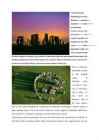
Main Sights England is known for its many world-famous sightseeings and people all around the world come to see them. Some of them are even like symbols of England. The most famous ones are: Stonehenge is one of the greatest national icons of Britain. That prehistoric monument is located in the plain of Salisbury, in the county of Wiltshire in the south-west of England. It is built of 150 enormous stones which are set in a purposive circular pattern. Stonehenge was probably built to mark the longest and shortest day of the year because it lies on the line of the midsummer sunrise and the midsummer sunset. That would have enabled people to keep a record of changing of seasons. Although it is still unclear who built it. Hadrian’s Wall is an ancient wall which was built in 2nd century by Hadrian, the emperor of
kes arvas, et selle "templi" on püstitanud roomlased. 18. sajandil arvas antikvaar ja vabamüürlane William Stukeley, et Stonehenge on kunagine Briti druiidide pühamu ja järelikult on selle rajanud druiidid. Tänapäeva teaduslike vahenditega on tehtud kindlaks, et Stonehenge on tegelikult palju vanem ja selle rajajaks ei saa olla ei roomlased ega druiidid. Stonehenge asub Salisbury tasandiku kriidimadalikul Lõuna-Inglismaal, otse selle südames. Teda ümbritseb avatud Wiltshire maastik, kus on toimunud palju ajalooliselt tähtsaid sündmusi ning seal on elanud mitmeid rahvaid. Suured sinakad kiltkivid, millest Stonehenge on ehitatud, on kohapeale transporditud Lõuna-Walesist. Transportimiseks kasutati ilmselt merd ja Avoni jõge. Stonehenge ümbruses on palju objekte, mis annavad tunnistust suurest poolnomaadide kogukonnast. Ehitamisega tehti algust umbes 5500 aastat tagasi e 3500 aastat e. Kr. Inglise arheoloog Richard
Anglia, Essex, Sussex and Wessex were the main polities of south Britain. More recent scholarship has shown that theories of the 'heptarchy' are not grounded in evidence, and it is far more likely that power fluctuated between many more 'kingdoms'. Other politically important 'kingdoms' across this period include: Hwicce, Magonsaete, Kingdom of Lindsey and Middle Anglia. In the 9th century, the Viking challenge grew to serious proportions. Alfred the Great's victory at Edington, Wiltshire, in 878 brought intermittent peace, but with their possession of Jorvik the Danes gained a solid foothold in England. An important development in the 9th century was the rise of the Kingdom of Wessex; by the end of his reign Alfred was recognised as overlord by several southern kingdoms. Near the end of the 10th century, there was renewed Scandinavian interest in England, with the conquests of Sweyn of Denmark and his son Canute. By 1066 there were three
Andrew and the cross of St. Patrick. The British merchant flag is red with the Union Jack in one corner. On the fourth of July, in 1776 the Declaration of Independence was signed in the Independence Hall. The Liberty Bell was rang to let the people know about the new country. But Britain refused to recognize this fact until1783, when the Americans won the War of Independence. 11) STONEHENGE The Bronze Age stone monument, Stonehenge is set in the middle of Salisbury Plain, in Wiltshire, South-West England. Even now, nearly 4000 years after it was built, large numbers thong to see it, especially on Midsummer Night, the 21st of June when the sun casts its shadow immediately over the Altar Stone in the middle. It was built by the Beaker people who around 2000 BC came from Holland and the Rhineland. Their chief activity appears to have been trading in precious metals. Stonehenge was built in various stages between 1800 and 1500 BC. Its oldest part is
5. Which 5 places attract visitors in Wales and Scotland? Edinburgh, Loch Ness, The Highlands, Snowdonia, Cardiff. 6. Name 6 islands, 5 rivers, 3 lakes, 3 mountains in UK. Isle of Man, Isle of Wight, Isle of Lewis, Island of Mull, Island of Arran, Anglesey Island Severn, Thames, Tweed, Avon, Trent, Dove Ben Nevis, Snowdon, Ben Macdui 7. Stonehenge. Stonehenge was produced by a culture that left no written records. Built on Salisbury Plain, in Wiltshire, England some time between 5,000-4,300 years ago. One of the most famous megaliths in the world, dating from prehistoric times. Stonehenge consists of circles of stone arranged in complex patterns, and their origin is still being explored. Some of the stones come from over 200 miles away in Wales. There is little or no direct evidence revealing the construction techniques used by the Stonehenge builders. It was probably associated with sun-worship and
Eriti tõsiseks läksid need 9.sajandi teisel poolel (867) mil langes Anglia kuningriik. Aastaks 871 oli aga jäänud kogu Inglismaal ainukeseks kuningriigiks Wessex. Northumbria jt kuningriikide langemine (867-871); Eriti tõsiseks läksid viikingitega probleemid 9.sajandi teisel poolel (867) mil langes Anglia kuningriik. Aastaks 871 oli aga jäänud kogu Inglismaal ainukeseks kuningriigiks Wessex. Wessex ja Alfred Suur, 878. a lahing (Edingtonis Wiltshire-s); lepingud Guthrumiga, Danelaw. Alfred Suur – oli Wessexi kuningas. Ainuke kuningas, kes sai liignimeks Suur. Peetakse Inglismaa päästjaks. Kuid ka Wessex hakkas kild-killu haaval minema viikingitele. 878 a – võitis Alfred lahingu viikingitega (Guthrumi vastu). Võit tagas Alfredi kuningaks jäämise. Guthrum nõustus vastu võtma ristiusu, palus Alfredi oma ristiisaks. Lepingud: Viikingitega sõlmiti leping, et Wessex jääb sõltumatuks
EFSA (2003). nitrate/kg for unheated meat products. That All this makes clear that nitrite is a very is a maximum of 300 mg nitrite plus nitrate/ reactive substance that undergoes many reac- kg that may be added to a batter or a piece tions in meat products, and thus its use has of raw ham. A large number of exceptions, to be controlled. such as Wiltshire or dry cured bacon, may have 175 mg residual nitrite/kg plus 250 mg residual nitrate/kg (i.e., 425 mg residual Legislative Requirements nitrite plus nitrate/kg are possible). This Many countries have issued directives or means that well above 500 mg nitrite plus
Pädagogik und Sozialpädagogik, Zeitschrift für Pädagogik Al (5): 641-660. Reyer, J. 2002. Pädagogik Sozialpädagogik - ein Nachruf, Zeitschrift für 45 (4): 531-547. Krull, E. 2001. Sotsiaalpedagoogika Pädagogik 48 (3): 398-413. Rorty, R. 1993. - kas teooria või traditsioon? Philosophy and the Mirror of Nature. Wiltshire: Õpetajate Leht, 23.03. Kuhn, T. S. 1970. The Antony Rowe Ltd, Chippenham. Esmatrükk 1979. Structure of Scientific Revolutions. London: Schaarschuch, A. 1996. Sozialer Arbeit in guter The University of Chicago Press. Esmatrükk 1962. Gesellschaft? Lüders, Chr ja Winkler, M. 1992. Sozialpädagogik - auf dem Gesellschaftliche Modernisierung und die
märtsil 2004 Oxfordi teadusajaloo muuseumis toimunud nn “π-päeval” viie tunni jooksul peast reprodut- seerida 22 514 arvu π komakoha numbrit. Tammetil on ka fenomenaalne loomulik anne võõrkeelte omandamiseks, ta valdab vabalt kahteteist keelt, nende hulgas muuseas ka eesti keelt, mis on tema eriline armastus ja mille ajendil ta võttis ka endale eestipärase nime. Nagu Tammet, nii on staarisei- suse omandanud ka Stephen Wiltshire, kes suudab paarikümneminutilise helikopterilennu järel peast täpselt joonistada tervete linnade panoraame, või nooruke Matt Savage, kes on furoori tekitanud oma fantastilise muu- sikalise mälu ja improviseerimisoskusega. Need kogemused juhtisid Gard- neri järeldusele, et inimese intelligentsus koosneb ühest või mitmest suh- teliselt eraldiseisvast võimest, mis tihti moodustavad keerulise mustri ja on
Enamasti olid need kindlused ja megaliidid (kultusliku tähendusega monumendid), mille hulgas eraldatakse menhireid, dolmeneid ja kromlehhe. Menhir üks suur vertikaalselt maasse püstitatud kivi, mida esineb sageli tervete alleedena. Dolmen kivirahn teiste peal ning see on enamasti kalmehitis (kuulsaim Carnac Prantsusmaal). Kromlehh suurem ansambel, milles kivid on ringis ja üksteise peal st kromlehhi elementideks on menhirid ja dolmenid (kuulsaim - Stonehenge Wiltshire's Inglismaal - u 1500 BC). Iga kivi on individuaalne, ülekaaluka personaalsusega. Need olid esimesed hauaehitised, mille ülesandeks olid matuserituaalid, pööripäevade märkimine maastikul, jumalatega lävimine jne. Samuti kultuseobjektid, ohvripaigad, mis võisid olla ka lihtsalt kokkusaamise kohad. Arheoloogid arvavad, et see püha paik oli ehitatud selleks, et avaldada austust suvisele pööripäevale.
 annaabi.ee