 50 punkti
Autor soovib selle materjali allalaadimise eest saada 50 punkti.
50 punkti
Autor soovib selle materjali allalaadimise eest saada 50 punkti.
 ~ 10 lehte
Lehekülgede arv dokumendis
~ 10 lehte
Lehekülgede arv dokumendis
 2014-11-18
Kuupäev, millal dokument üles laeti
2014-11-18
Kuupäev, millal dokument üles laeti
 2 laadimist
Kokku alla laetud
2 laadimist
Kokku alla laetud
 0 arvamust
Teiste kasutajate poolt lisatud kommentaarid
0 arvamust
Teiste kasutajate poolt lisatud kommentaarid
 vilmar uljas
Õppematerjali autor
vilmar uljas
Õppematerjali autor
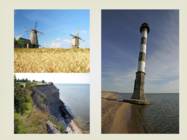
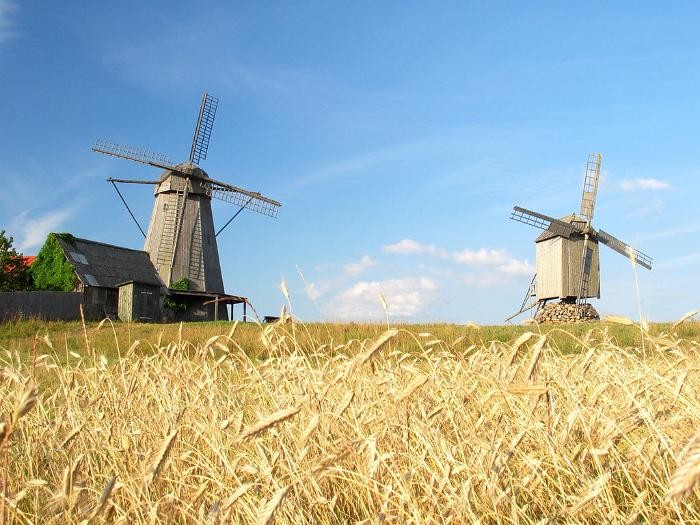
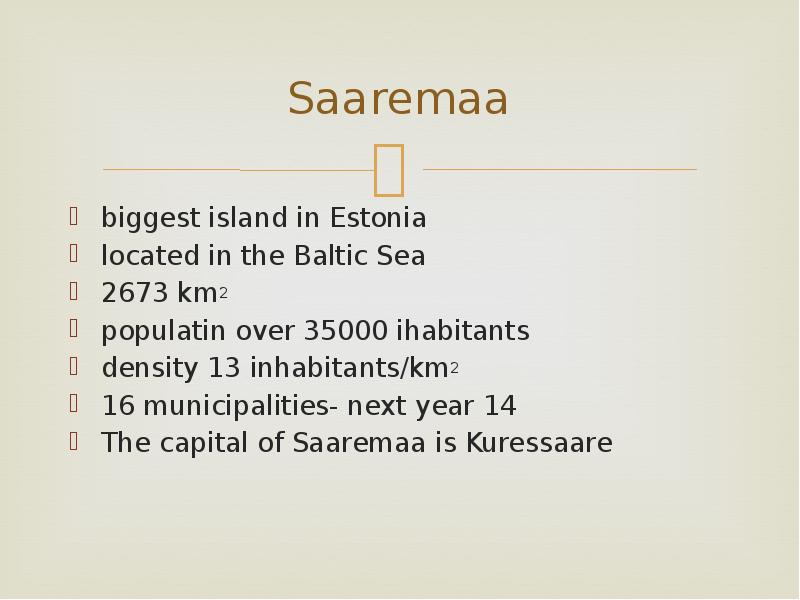
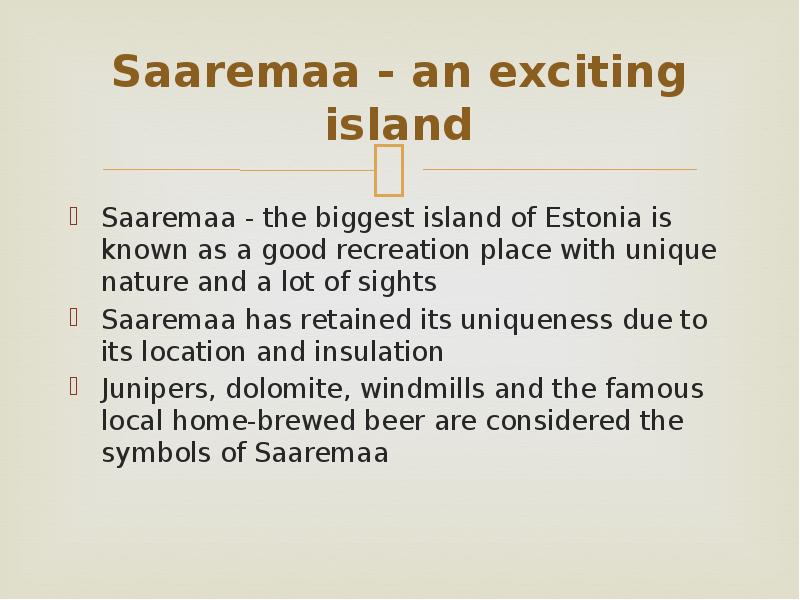
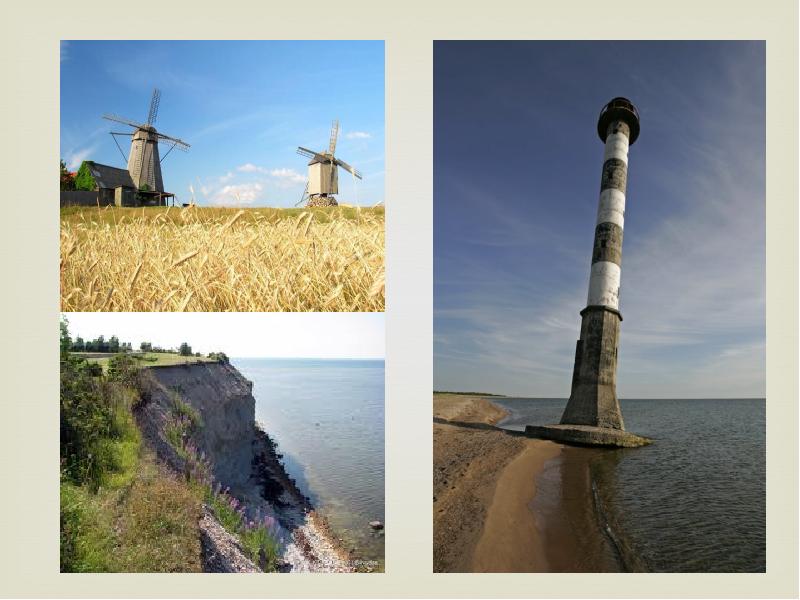
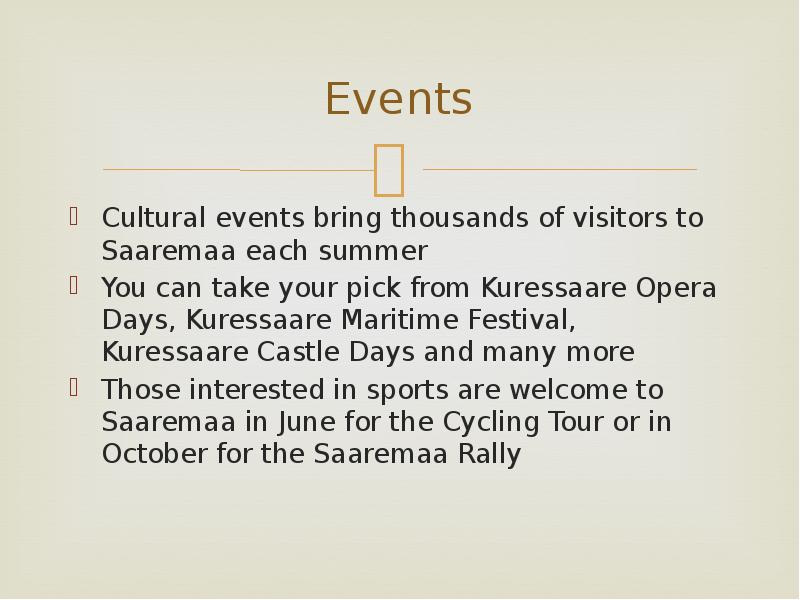
The county of Saaremaa Siiri Tabri Kaia Vask Saaremaa - an exciting island Saaremaa - the biggest island of Estonia is known as a good recreation place with unique nature and a lot of sights. Saaremaa has retained its uniqueness due to its location and insulation. Junipers, dolomite, windmills and the famous local home- brewed beer are considered the symbols of Saaremaa. Rich nature. Because of its mild maritime climate and soil rich in lime, Saaremaa has very rich flora and fauna. In Saaremaa a great number of Roman snails, rare butterflies and beautiful orchids can be found. Each year hundreds of thousands of migratory birds visit Saaremaa and a great number of them are under protection, e.g. barnacle goose and mute swan. Besides Viidumae and Vilsandi Nature Reserves, there are over
The castle of Kuressaare is still standing proudly, but in Lihula only ruins can be seen. The patterns of national dresses and the churches bring memories of secret sign cultures of Medieval Times. Good knowledge of singing and facility of speech of the people of Straitland have given Estonia a big number of writers and poets. Character of the landscape The area of Straitland contains Pärnumaa county and some of the islands such as Saaremaa, Muhu, Kihnu, Ruhnu and Abruka. Straitland is low-lying and flat. It was flooded by the sea for much longer than the rest of mainland Estonia. The climate is maritime and greatly influenced by the Baltic Sea. The area features large bogs, extensive forests, coastal plains, warm and peaceful beaches, the lake Kaali with its mystical meteorite flight and a number of offshore islands. The islanders have their own customs, national costumes and speak their own local dialects. Thousands
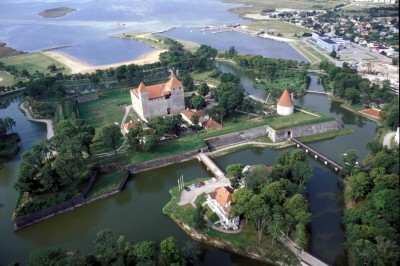
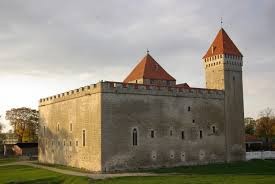
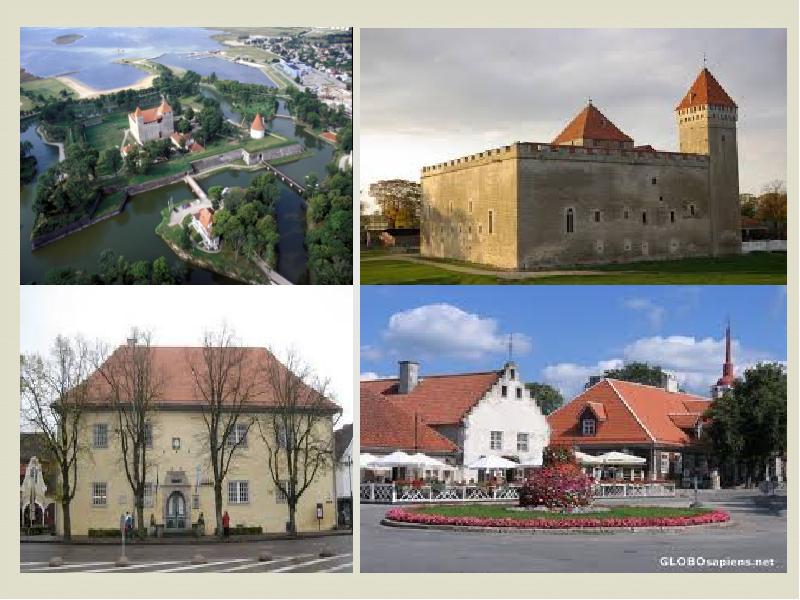
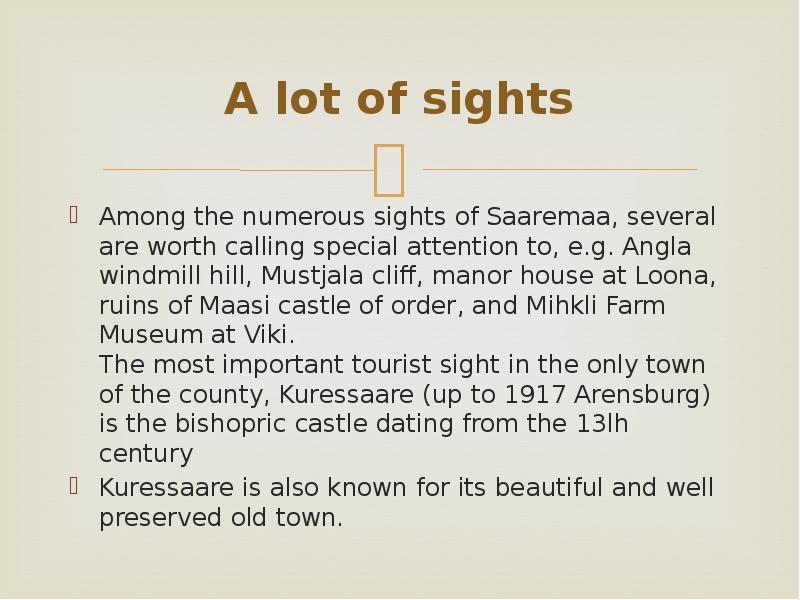
Hiiumaa is a very beautiful place with kind and friendly people. The landscape on one end of the island is completely different from the landscape the other. In many languages the island is called ,,Day island". The best known sight on Hiiumaa is the Kõpu lighthouse. It's located on the Kõpu peninsula. It is the oldest lighthouse in the Baltics and the second or third oldest lighthouse in the world that has had the light continuously burning. The other big island that belongs to Estonia is Saaremaa. Saaremaa is approximately as big as Tenerife in Spain. The island is full of exciting sights and beautiful places. Theres very rich nature with hundred of species of various organisms. The most important sight on Saaremaa is in the town called Kuressaare, which is the only town on the island. The bishopric castle dates from the 13th century and it is unique for the Baltic countries. Kuressaare is also known for its well preserved old town.
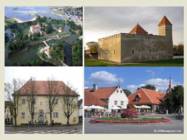
beautiful view opens onto the surrounding area. · Kuressaare Bishop Stronghold is probably the bestpreserved medieval stronghold in all the Baltic States, being erected in the second half of the 13th century. In the center of the building from tooled dolomite bricks is a square courtyard, which is on the second and third floors surrounded by a closed cloister. There is an exposition of the Saaremaa Museum in the Stronghold that introduces the history and local nature of Saaremaa and Kuressaare. · Vilsandi National Park of international importance, belonging to the highest category of the birds' reserves, has been derived from one of the first nature reserves of the Eastern Europe in the Islands of Vaika, established in 1910. In Vilsandi and the islets tens of thousands sea birds halt, feed and nest.
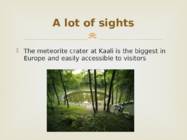
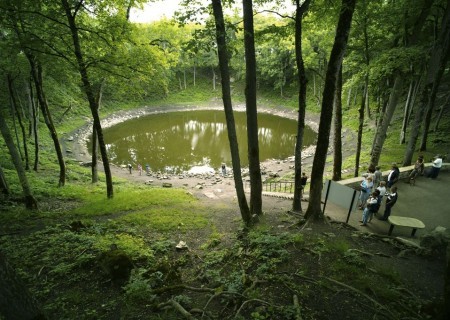
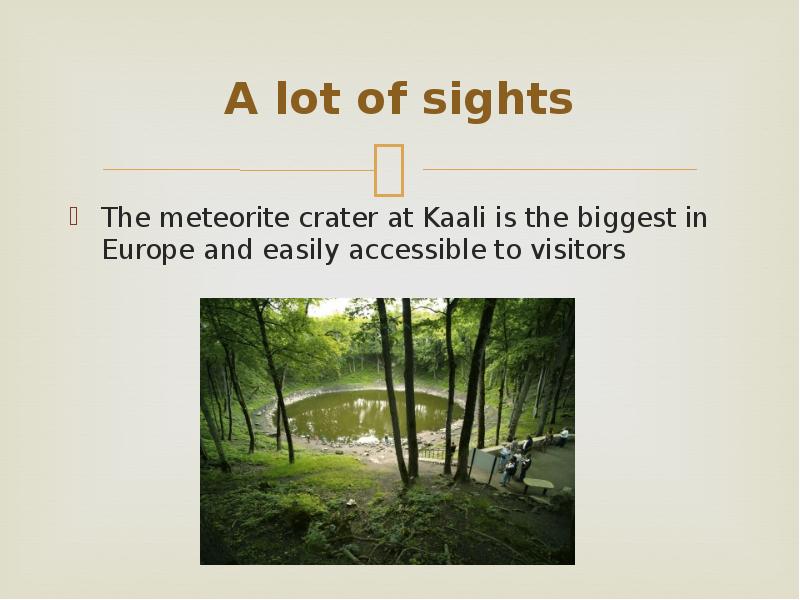
It is one of the oldest lighthouses in the world, having been in continuous use since its completion in 1531. The lighthouse is built at the top of the highest hillock of Hiiumaa island, Tornimägi. The lighthouse marks the Hiiu sandbank and warns ships away from the shoreline. The height of the building itself is 36 metres, and the light is 102.6 metres above sea level, making it the highest coastal light on the Baltic Sea. 10. Kaali crater The meteorite crater field in Kaali, Saaremaa, is the rarest natural monument in Estonia as well as the most impressive crater field of the whole Eurasia. The Kaali meteorite was the last giant meteorite that fell in a densely populated region of the world. Its fall on the inhabited island of Saaremaa evidently caused extensive damage and possibly also numerous victims, it has been compared with an explosion of a small nuclear bomb. The fall of the meteorite was historically remarkable as an event and for its influences on human culture.
Lahemaa National Park is the largest and oldest national park in Estonia. It covers 1119 square km. The park has reserves where any human activity is prohibited except for scientific purposes. It features various landscapes. Soomaa National Park offers real wilderness it covers 370 sq km of a vast lowland is central Estonia. The aim of the park is to protect Estonia's bigger bogs, meadows and forests. The Viidumäe Nature reserve is a small area in Saaremaa rich in rare plants. Some of them are unique in the world like Saaremaa yellow rattlebox. NORTH ESTONIA It consists of 5 counties Harjumaa, Raplamaa, Järvemaa, Lääne Virumaa and IdaVirumaa. The land is arable and the soil is fertile. On the northern coast is the Baltic Glint and Ontika is the highest point of it. Harjumaa is a densely populated region with large areas of summer cottages and gardens, children's camps and picnic spots. Estonia's biggest waterfalls
TALLINN History Tallinn is one of the oldest cities in the Baltic Sea region. Tallinn was first mentioned in written sources of the 1154th, when the Arabian geographer Al Idris took a world map the city 'Kaleveny "/ Kolõvan. Through the years, the city of Tallinn had several names: Lindanisa, Kolõvan, Reval and eventually Tallinn. Tallinn was granted the Lübeck law in 1248 and became the member of the Hanseatic League in 1285. General Data l Country - Estonia l County - Harju County l First appeared on map - 1154 l Town rights - 1248 l Mayor - Edgar Savisaar l Aera - Total 159.2 km2 (61.5 sq mi) l Population - (1 Mar 2012) Total - 416,470 Denisty - 2,614.0/km2(6,766.6/sq mi) Tallinn Coat of arms Flag Top 5 Attractions 1. Kiek in de Kök Visitors to the museum will see examples of Medieval firepower, displays detailing how the city's system of walls and towers developed through the centuries and an exhibit on c
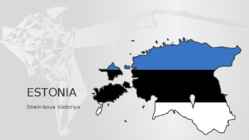
ESTONIA Strelnikova Viktoriya ESTONIA AT A GLANCE • Area: 45 227 square km • Climate: humid-temperate • Number of islands: 1 521. Largest islands are Saaremaa, Hiiumaa and Muhu. • Estonia is a green land, forests cover 55% of the country. • Estonia is a country of thousand of lakes, largest of these are Lake Peipsi and Lake Võrtsjärv. • Highest point: Suur Munamägi (Great Egg Hill), 318 m • The capital of Estonia is Tallinn (439 517 inhabitants (01.01.2016) or approx. 32% of the total population). Other large cities and population (thousands): Tartu - 103 300 Narva - 65 900
 annaabi.ee








Kõik kommentaarid