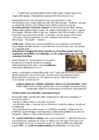
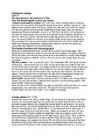
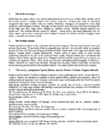
INTERESTING FACTS The name Ottawa comes from the Algonquin word adawe – which means to trade Ottawa is located on the banks of the Ottawa, Rideau and Gatineau Rivers Ottawa is the seventh coldest capital in the world About 25% of Ottawa residents were born outside of Canada Languages spoken include English (50%), French (32%) and a host of some other languages CANADIAN TULIP FESTIVAL Held every May, is one of the most famous festivals in Ottawa THE MAMAN SCULPTURE BY LOUISE BOURGEOIS OTTAWA CITY HALL Built as the headquarters of the former Regional Municipality of Ottawa-Carleton TABARET HALL A hall at the University of Ottawa, founded in 1848 as the College of Bytown CANADIAN PARLIAMENT BUILDINGS THANK YOU FOR 1.04.2014 YOUR TIME!
Barokkooperi algusaastad Claudio Monteverdi - ooper 'Orpheus', avamäng Claudio Monteverdi - ooper 'Orpheus', Orpheuse aaria 'Possente spirto' (Oo jumalad, allilma valitsejad) Barokkajastu instrumentaalmuusika Antonio Vivaldi - Viiulikontsertide tsükkel 'Aastaajad', Kontsert nr. 1 'Kevad', I osa Allegro Antonio Vivaldi - Viiulikontsertide tsükkel 'Aastaajad', Kontsert nr.2 'Suvi', II osa Adagio-Presto Prantsusmaa barokkmuusika Jean-Baptiste Lully - ballett-komöödia 'Le Bourgeois Gentilhomme' (Kodanlasest aadlimees), Türklaste marss Inglismaa barokkmuusika Henry Purcell - muusika näidendile 'Abdelazar' (Mauri kättemaks), Rondo Kõrg- ja hilisbarokkmuusika Johann Sebastian Bach - 'Prelüüd ja fuuga C-duur', kogumikust 'Hästitempereeritud klaviir' Johann Sebastian Bach - 'Tokaata ja fuuga d-moll', orelile (katkend) Johann Sebastian Bach - 'Brandenburgi kontsert' nr.5, I osa Allegro (katkend)
1. Aasta 2. Nimi 3. Kvaliteedimärge ( nt. DOCG, DOC, AOC,jne) ja apellatsiooni nimetus ( nt. Apellation Medoc Controlee) 4. Päritolu 5. Tootja 6. Piirkond 7. Maa Näited: 1. näide: Austraalia vein Brown Brothers 2002 Shiraz 2002 Shiraz Brown Brothers Victoria Austraalia ( siin ei ole märgitud pudelil ei apellatsiooni ega päritolu, seega need jäävad välja) 2. näide Prantsuse vein Chateau La Ribaud 1995 1995 Chateau La Ribaud Cru Bourgeois Appelation Medoc Controlee L.G.E.A. Vignobles J.Audebert Saint-Yzans du Medoc ( Gironde) Prantsusmaa Joogiõpetus 2006 Kaartide kujundus. Joogikaart paigutatakse kas eraldi kaante või toidukaardi vahele, tellitavate roogade ja lõunamenüüde järele. Jookide nimetused peavad olema erinevates keeltes, mille valikul tuleb arvestada oma põhiklientuuri rahvusi
Tutvustus Rikas kaupmees härra Jourdain tahab saada selleks, kes ta pole. Ta püüab tõusta galantide ja kvaliteetinimeste hulka. Kahjuks on sel teel palju takistusi ja tema perekond on kõike muud kui toetaval positsioonil matsid jäävad matsideks. Kuidas härra Jourdainil õnnestus siiski austava mammamushi tiitlini jõuda, saime näha Theatrumi kevadenergiat täis VHK teatrikooli noorte esituses. "Kvaliteetinimene" (Le Bourgeois Gentilhomme, 1670) on viievaatuseline komöödia-ballett, kus mängitakse, lauldakse ja tantsitakse. Näidend saavutas kohe suure menu ja seda peetakse siiamaani üheks Molière'i olulisemaks teoseks. Eestis on seda mängitud nimega "Kodanlasest aadlimees" 1990. aastal Draamateatris, Lembit Petersoni lavastuses. 3 Molière Molière (kodanikunimega Jean-Baptiste Poquelin; 15. jaanuar 1622 17
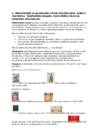
See oli vastureaktsioon modernismile. Selle tekkele aitas kaasa globaalne majandustõus, külma sõja lõpp, rassiküsimused, feminismi esiletõus. Postmodernismi iseloomustab kõrgtehnoloogiline ja tarbimisele suunatud ühiskond. 1980-ndad: postmodernistliku teooria ja kunsti läbimurre Läänes. Philip Johnson. AT&T (Sony) Building. 1984. Feministlikud näited: Mare Tralla Louise Bourgeois (Veneetsia biennaali elutööpreemia) Guerilla Girls 1989 Postkolonialistlik kunstiteooria- legitimeeris mittevalgete kunstnike loomingu Lääne maailmas. Y.Shonibare ,,Kuidas kaks pead korraga minema lüüa" 2006 1980-ndate alguse debati peateemaks oli KONSENSUS. Van Gogh, Picasso ja Pollock said märklauaks angoameerika kunstiteaduses. E.Ahling (Rootsi kunstnik) tõlkis Picasso kubismi ,,realismi" keelde 1993- 94.
Lootus, usk ja armastus, Sõnad: Johann Franck, 1618-1677. kannatus ja alandus Tõlge: Adalbert Hugo Willigerode, olgu ristirahva ilu, 1816-1893. kaunistagu nende elu. Viis: "Minu hing, oh ole rõõmus" (Freu' dich sehr, o meine Seele/ Ainsi que la biche ree) Louis Bourgeois, arvatavasti 1500- 1561. "Trente Quatre Pseaumes de David", Genf, 1551. Sõnad: Johann G. Olearius, 1635- 1711. Tõlge: Martin Lipp, 1854-1923. 6 7
said that "We (the Turks) must not leave a single Armenian alive in our country, we must kill the Armenian name." The next thing that they did was take a vote regarding the extermination of the Armenians. The results were disastrous for the Armenians when they voted that not a single Armenian should be left alive. (Angelfire, 2011) (Wikipedia, 2011) 1.3. Young Turks and the Young Turk Revolution Young Turk Revolution found place in 1908-1909, it was the first bourgeois revolution in Turkey. The Young Turks were a group of intellectuals of different ideological backgrounds who united against the authoritarian regime of Sultan Abdulhamid. (Stjepanovi, 2006) The main revolution struggles took place in the areas of ecclesiastic politics in Jerusalem. With its Armenian and Greek Patriarchates and the Chief Rabbinate, Jerusalem became a central point of the struggles among the Jews, Armenians, and Greeks in the Ottoman Empire. (Matossian, 1994) 1.4
kontsepti. Nii on mõni kunstnik spetsialiseerunud üksnes koopiate loomisele teiste kunstnike töödest, eksponeerides neid oma nime all (Mike Bidlo). Kohaspetsiifiline kunst aga kitsendab väga teadlikult oma huvivaldkonda üheainsa koha või paigaga ja suhestubki üksnes sellega. Postmodernistlikus kunstis on siirus enamasti silmakirjalik, selle tagant tuleb otsida pigem esitamise poliitikaid ja konstruktsioone. Louise Bourgeois. Veneetsia biennaali elutööpreemia 1999. 2 Optiline kunstiliin ja kontseptuaalne kunstiliin. -mida Bourdieu nimetab “puhtaks vaatamiseks”, “puhtaks esteetikaks” -kus oluline oli püüdlemine eriala autonoomia poole - lääne maalikunstis on valguse kujutamisel erakordselt oluline tähtsus -- erinevalt Idamaade kunstist - alates renessansist ja teaduse-tehnika revolutsioonist peetakse modernse ajastu juhtivaks meeleks läänes nägemismeelt
.. Locke (1821, p.229). It can be argued this claim is indeed false as it could only be the case that the minority which first had gold and silver consented to this commodification, leaving many with little alternative but to acquiesce. It should be noted here that Locke was part of a cohort of privilege, belonging to the Royal Society, and throughout his career he held prominent Governmental positions. It could be said that Locke's work is an attempt at moral justification for an elite bourgeois class defending its own sectional interests. Locke argues that the precarious existence, inimical to a state of nature, is what leads to the emergence of civic and political society. The unspoken driver for this is the need to provide a semblance of security, not for the majority, but for the protection of property and resources accumulated by an emergent bourgeoisie. For this to happen Locke asserts that man must transcend from an individual state of
courtly lady. Secular art came in to its own during this period with the rise of cities, foundation of universities, increase in trade, the establishment of a money-based economy and the creation of a bourgeois class who could afford to patronize the arts and commission works resulting in a proliferation of paintings and illuminated manuscripts. Increased literacy and a growing body of secular vernacular
%party members? Indicted late? Office of security. Struggle for/against nationalism. Anti soviet vs anti-Semitic. Tied to Il, raising army, intl Js. Yiddish dying, need preserve culture. Nation wo territory, autonomous rights. From ghetto? P 104. Not enough evidence for show trial. Scared of betrayal. Scare Lithuanians, Ukrainians, still fighting. MBG found file. $ from Joint, build settlements in Crimea, letter in 1944. 48, Cold War 2 yrs, W vs SU nearly fighting. Connection to Joint, CIA, bourgeois J plot. Why didn't use as a show trial? Needed confessions. Heroes of SU, will they actually confess? 49, give up on show trial. Quiet, military trial. Didn't know what happened until 55-56, rehabilitations. Benefits, work for family. These were some of the highest people in the SU. Other anti-fascist committees stopped functioning, while J committee kept receiving letters. People thought, well we've suffered so much country, now country will give us.
His american adventure was a largely faailure. The battleship potemkin: Divided in 5 acts, film based on editing rather than narration. Gropus shots juxtaposed with etreme close-ups, multiple directions of movements, manipulation of time for dramatic purpose. High amount of shots. 86 min long film contained 1375 shots. Psychologial manipulation of time and showing the enemies not as human beings and the victims as humans Luis Bunuel-surrealism and its aftermath Born in spain, in bourgeois family, went to jesuit school, studied agriculture in madrid and met salvador dali. Leaves paris, wants to fight for republicans, wants to fight for homecountry, other forces win. Goes to hollywood, working, loses his job, accused of communism, goes to mexico, becomes a filmmaker. Dies in mexico city as a result of liver disease, liver cancer Bunuel three periods: 1) The surrealist period. Parents money. ,,Le chien andalou" ad ,,L'age d'or" 2) The mexican period. Broke parents
Synchromism. Definition: shapes and volumes of pure color. The style was more directed toward free and pure- colored abstraction. The style name suggests harmonized colors. It is closely related to abstraction. Artists: Morgan Russell, Stanton MacDonald-Wright. Dada. Definition: incongruous effects. It received a short-lived enthusiastic welcome thanks to Stieglitz. Dada was nihilistic as it was anti-esthetic in its creations and in its protest against bourgeois values and despair over WWI. Exemplary artist. Marchel Duchamp (early-C20). He managed to convey everyday American experience in a pseudo-Cubist style. He asserted that the mental activity of the artists was more important than the object created. He condemned the mechanistic environment of modern life. He also produced "ready-mades", which were common manufactured objects intentionally devoid of esthetic interest. Subsidiary artists: Francis Picabia, Man Ray.
Synchromism. Definition: shapes and volumes of pure color. The style was more directed toward free and pure- colored abstraction. The style name suggests harmonized colors. It is closely related to abstraction. Artists: Morgan Russell, Stanton MacDonald-Wright. Dada. Definition: incongruous effects. It received a short-lived enthusiastic welcome thanks to Stieglitz. Dada was nihilistic as it was anti-esthetic in its creations and in its protest against bourgeois values and despair over WWI. Exemplary artist. Marchel Duchamp (early-C20). He managed to convey everyday American experience in a pseudo-Cubist style. He asserted that the mental activity of the artists was more important than the object created. He condemned the mechanistic environment of modern life. He also produced "ready-mades", which were common manufactured objects intentionally devoid of esthetic interest. Subsidiary artists: Francis Picabia, Man Ray.
elements, rooting them in commonplace reality” (1992, 89) 103. And Whalen, talking about to Larkin and Lawrence, affirms that “poets of epiphany and beholding empirical observation, both participate in the twentieth-century inclination toward to poetry of concreteness and attentiveness to the details of the world” (1986, 93). Everett sees in Larkin a certain insolent or thug vein originated, partly, by certain practice of “shocking the bourgeois, but in special reversed form: needling the aesthetic to the reader” (1989, 129). In the case of Larkin, the translator will avoid that tendency so in rows inclined to “poetize” the poetry translations, regarding who their author could be, and will consider the eagerness of Larkin about, in words of Everett, creating “an unobtrusive art”, that never has to be confused with “artlessness” (1989, 132).
By the 1720 publishing industry scatterd through the city. Provincial press also expanded. Thus, emergence of magazines (the Tatler, the Spectator – foundation stones of early georgian cultural attitudes, then Gentleman’s Magazine, Universal Magazine), journals (Connoisseur, Critical review), everywhere newspapers came into being. Publishing explosion released a flood of prints, trade cards, illustrated books. PAPER gave the bourgeois culture its means of expression, out of court constrains now. Increase in letter-writing (time for that, desire to develop relationships). 1714 – 45% of male population could read, 25% of women, by 1760 – 60% of men, 40% of women. Didn’t mean necessarily ability to write. Reading the century’s most popular leisure activity. Expansion in literacy -> demand for reading matter -> advent of magazines and newspapers, growth of professional writers. Libraries (also in country- houses)
Grades of Hierarchy o baron, count, countess, duke, duchess, page, marquise, prince Leisure and pastimes o cards, chess, the chase, conversation, dice, dance, leisure, recreation, tournament, sport Culinary o veal, beef, mutton, venison, brawn, pork, ham, gammon, roast, boil, broil, fry From modern French: o aperitif/apéritif, apresski/après-ski, avant-garde, bidet, bourgeois(ie), brasserie, brassiere/brassière, cafe/café, camouflage, canard, chateau/château, chef, chevalier, coup de grace/grâce, coup'etat/état, croissant, cuisine, debacle/débacle/débâcle, debut/début, dessert, elite/élite, esprit de corps, etiquette, fiance(e)/fiancé(e), fricassee/fricassée, frisson, garage, gourmand, gourmet, hors d'oeuvre, hotel, joie de vivre, liaison, limousine, lingerie, marionette,
but sad; does not mean funny!) Catharsis – the therapeutic effect of tragedies. 17th century in England. Political changes, crisis of humanism. Puritanism, new economic possibilities through colonization. A transformation towards bourgeois society. The number of educated people increased, as did literacy and printing technologies. Changes in the perception of the self and authorship. A politically sober and restricted era. 1642–49 republican revolution (monarchy dethroned very briefly); followed by Cromwell’s dictatorship
aadlikkonna suurus ja positsioon, demograafilised), 4)ideoloogilised (valgustuslik kriitika, „despotism“ (Montesquieu) ja valgustajate seisukohad Vana Korra kohta). Valgustus ei rünnanud vana korda vaid selle kuritarvitamist ja despotismi. Vajalik on institutsioon või seadus, mis kaitseks alamaid kunina eest. Valgustus ründas katolikku ideoloogiat selle ebaratsionaalsuse ja ebatolerantsuse pärast. Prantsuse revolutsioon Kodanluse (bourgeois) mõiste ja tähendus (keskklass, tekkinud majanduskodanlus ja haritlaskodanlus)- kodanlus ehk kolmas seisus. linnakodanikud + 18.saj II poolest majanduskodanlis ja haritlaskodanlus. Majanduskodanlus- tööstus ettevõtete omanikud, ettevõtjad, pankurid, kirjastajad, kompaniide ja manufaktuuride omanikud- isikud, kellel oli väga plaju raha, elasi
mis jäi maestro armastatumaks peatus- ja loomingupaigaks elu lõpuni. Vaid külmad talvekuud veetis ta Milaanos ja Genuas, vaatetornide ja terrassidega "Palazzo Dorias". Esimene aasta uues kodus oli ooperitemaatika otsinguist tulvil. Verdit paelus A. Gutierrezi "Trubaduuri" karakterite ja situatsioonide jõulisus, ta mõtles A. Dumas' (vanem) draamale "Kean", kavandas Shakespeare'i "Kuningas Leari". Ooperiks, mille kallal ta lõpuks tööle asus, osutus hoopis E. Souvestre'i ja E. Bourgeois' unustatud näidendi alusel kirjutatud "Stiffelio". Tundub, et saksa pastori naiivsetest hingepiinadest pajatav lugu köitis helilooja tähelepanu eeskätt uudse kangelase uudsete meeleseisundite poolest. Truudusetule abikaasale andestav jumalasulane, kirikus toimuv tegevustik ja mis kõige hullem, evangeeliumi lugemine ooperilaval kuulutati tsensorite poolt usu mõnitamiseks ning ooperis võeti ette mitmeid Verdi kunstilisi tõekspidamisi moonutavaid muudatusi
võim (kuningas) täidaks seadusi, omamata samas seadusliku initsiatiivi õigust, ning kolmanda võimuna tasakaalustaksid kahte esimest sõltumatud kohtunikud. Jõuka kodanlase perekonnast pärit Voltaire pidas ideaalseks valitsemisviisiks samuti monarhiat. Kõigi inimeste võrdsust taotlevasse demokraatiasse suhtus Voltaire aasivalt: Valgustajate riigiõpetuslikud seisukohad jäid pigem teoreetilisteks konstruktsioonideks Prantsuse revolutsioon Kodanluse (bourgeois) mõiste ja tähendus (kõnekeeles ka pursuid) on rikas sotsiaalne klass kapitalistlikus ühiskonnas. (keskklass, tekkinud majanduskodanlus ja haritlaskodanlus) Majanduskodanlus oli kasvav nähtus ja nad olid tööstusettevõtete omanikud, kaubandusega tegelejad, ettevõtjad ja pankurid, kirjastatad jne. Teiseks olid haritlased ja teenisid elatist arstidena, advokaatidena, ajakirjanikena, professoritena jne. Nende riietud ja eelistused olid linnakodanlikud, aga nad ei olnud kodanikud.
Anna BONFRISCO Identiteedi ja Demokraatia fraktsioon Itaalia Lega Paolo BORCHIA Identiteedi ja Demokraatia fraktsioon Itaalia Lega Biljana BORZAN Sotsiaaldemokraatide ja demokraatide fraktsioon Euroopa Parlamendis Horvaatia Socijaldemokratska partija Hrvatske Marc BOTENGA Euroopa Ühendatud Vasakpoolsete / Põhjamaade Roheliste Vasakpoolsete fraktsioon Belgia Parti du Travail de Belgique Vlad-Marius BOTOŞ Uueneva Euroopa fraktsioon Rumeenia Uniunea Salvați România Geert BOURGEOIS Euroopa Konservatiivide ja Reformistide fraktsioon Belgia Nieuw-Vlaamse Alliantie Gilles BOYER Uueneva Euroopa fraktsioon Prantsusmaa Indépendant Patrick BREYER Roheliste / Euroopa Vabaliidu fraktsioon Saksamaa Piratenpartei Deutschland Milan BRGLEZ Sotsiaaldemokraatide ja demokraatide fraktsioon Euroopa Parlamendis Sloveenia Socialni demokrati Saskia BRICMONT Roheliste / Euroopa Vabaliidu fraktsioon Belgia Ecologistes Confédérés pour l'Organisation de Luttes Originales
As the Estonian farmers were much richer and more independent than those in Russia, they saw the process as an act of violence. The Soviets in 1949 deported more than 20,000 people to Siberia to fulfil 1 Reede 8 June 1990. their plans.1 This number has been disputed; Swedish sources have suggested 80,000 persons based on the asserted data from Soviet Estonia.2 Many prominent writers, artists, composers and other intellectuals were accused of bourgeois nationalism and formalism, a counterpart of the Nazi-German “entartete Kunst” (Degenerate Art). The re-evaluation of the whole body of Estonian literature, arts and culture of the Twentieth century had to be carried through. This repressive Soviet policy reached its peak in 1949-1950. As a result, the most noted authors and artists were either outlawed or expelled from the Soviet Estonian Writers’ Association
ordinatsiooniks küllaldaselt ettevalmistatud olevat, ja minu palve peale lükati see aasta võrra edasi. Otsisin üles Pariisi parima vehklemisõpetaja ja leppisin 291 temaga kokku, et võtan iga päev ühe vehklemistunni, ning tegin seda terve aasta jooksul. Minu solvamise aastapäeval riputasin ma oma preestrikuue varna, riietusin nagu tõeline rüütel ja läksin ballile ühe oma sõbratari tuttava daami juurde, kuhu minu teades pidi tulema ka see ohvitser. See oli Francs-Bourgeois' tänaval, üsna Force'i vangla lähedal. Minu ohvitser oli tõepoolest seal. Astusin tema juurde sel hetkel, kui ta vaatas õrnalt silma ühele naisele ja laulis talle armastuslaulukest. Ma katkestasin teda teise kuplee keskel. «Härra,» ütlesin ma talle, «kas teile on ikka veel vastumeelt, kui ma lähen ühte teatavasse majja Payenne'i tänaval? Ja kas te tahate mulle ikka veel kepihoope anda, kui ma ei kavatse teie soovile alistuda?»
Jules recognizes that this must be cleaned up and drives to the house of his friend and ALLY, Jimmy Dimmick, played by Quentin Tarantino. H e appears to be a middle-class fellow whose connection to the criminal world is never specified. H e is worried about the moral wrath of his wife, Bonnie, who will soon be returning home from the night shift. (Here the filmmaker is creating contrast between the criminal underworld and the bourgeois world in which most of us live. T h e joke is that they are more afraid of Bonnie's irritation than of the danger of the law coming down on them for manslaughter.) Jules and Vincent try to clean themselves up, but are only partially successful. Jules scolds Vincent for getting blood all over the guest towels, another sign that Vincent is careless and disrespectful, traits which we know will get him killed. H e is in danger of turning another ALLY, Jimmy, into an E N E M Y .
 annaabi.ee