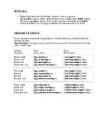
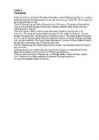
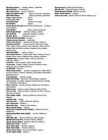
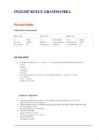
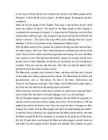
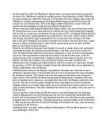
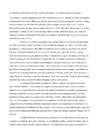
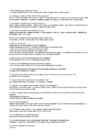
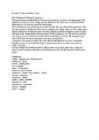
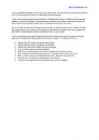
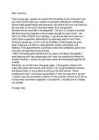
MOODUSTAMINE Passiivi ajavormid moodustatakse be pöördelistes vormidest antud ajas ja lisatakse põhiverbi mineviku kesksõna (Past Participle). Kui tegija on teada ja tahetakse teda ära mainida, siis kasutatakse eessõna by, millele järgneb tegija. Ajavorm Aktiiv Passiiv Tense form Active voice Passive voice Present simple Mary teaches me. I am taught by Mary. Present cont. Mary is teaching me. I am being taught by Mary. Present perf. Mary has taught me. I have been taught by Mary. Present perf. cont. Mary has been teaching me. I have been taught by Mary. Past simple Mary taught me. I was taught by Mary. Past cont. Mary was teaching me. I was being taught by Mary. Past perf
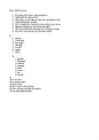
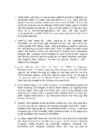
1. Everybody liked Alex`s personal beliefs. 2. Who broke the silence first? 3. How Many sources did you check the information with? 4. Cathy had her ears pierced. 5. Dan hesitated for a moment but then rolled up his sleeve. 6. Nobody wanted to get involved in the fight. 7. The tourists took lots of pictures of this famous temple. 8. My travel story beat all my classmates stories. 2) 1. teaches 2. is teaching 3. has taught 4. teaching 5. to teach 6. taught 7. teach 3) 1. painted 2. shortened 3. repaired 4. wrapped 5. done 6. treated 7. put 8. carried 4) (3) no sea view (6) no parking space (7) slow service (8) pool closed in the morning (9) rude staff and unhelpful receptionist (10) no babysitting facilities
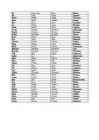
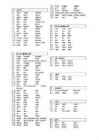
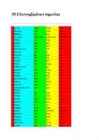
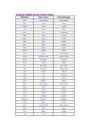
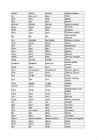
Be Was/were Been Olema Do Did Done Tegema Make Made Made Teostama Beat Beat Beaten Lööma See Saw Seen Vaatama Go Went Gone Minema Read Read Read Lugema Write Wrote Written Kirjutama Teach Taught Taught Õpetama Bring Brought Brought Tooma Tear Tore Torn Kiskuma Pay Paid Paid Maksma Choose Chose Chosen Valima Ring Rung Rung Helisema Steal Stole Stolen Varastama Mistake Mistake Mistaken Viga Become became become Muutuma Fall fell Fallen Kukkuma Light Lit Lit valgustama Blow Blew Blown Puhuma Run Ran Run Jooksma
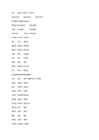
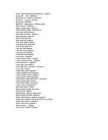
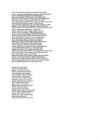
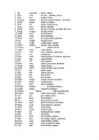
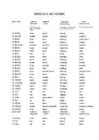
hear heard heard keep kept kept know knew known leave left left lend lent lent let let let lose lost lost make made made meet met met pay paid paid put put put read read (pronounced /red/) read (pronounced /red/) run ran run say said said see saw seen sell sold sold send sent sent sing sang sung sit sat sat sleep slept slept speak spoke spoken stand stood stood swim swam swum take took taken teach taught taught tell told told think thought thought understand understood understood wear wore worn write wrote written
see saw seen nägema sell sold sold müüma send sent sent saatma set set set seadma shine shone shone särama show showed shown näitama shut shut shut sulgema sing sang sung laulma sink sank sunk uppuma , uputama sit sat sat istuma sleep slept slept magama smell smelled/smelt haisema speak spoke spoken rääkima spend spent spent kulutama spill siplled /spilt spilled spilt üle ajama stand stood stood seisma steal stole stolen varastama swim swam swum ujuma take took taken võtma teach taught taught õpetama tear tore torn rebima tell told told ütlema . jutustama think thought thought mõtlema throw threw thrown hetima , loopima understand understood understood aru saama wake woke woken äratama wear wore worn kandma win won won võitma write wrote written kirjutama
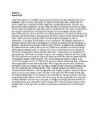
have enjoyed during the year The first Thanksgiving was held in Plymouth in the 17th century. The people of Plymouth had come to America from England. In their native land they had been called Puritans, but they called themselves Pilgrims. When the Pilgrims landed in America they were poorly trained to cope with life in the wilderness. One spring morning an Indian came into the little village of Plymouth . Later, he brought The Indian chief, who gave gifts and offered assistance. The Indians taught the Pilgrims how to hunt, fish and grow food. They also taught them, how to use fish for fertilizer in growing corn, pumpkin and beans. The Pilgrims had a good harvest. Governor William Bradford issued a proclamation establishing a day of Thanksgiving to God. The first Thanksgiving was cooked and served out-of-doors. The celebration lasted for 3 days.It was successful. Thanksgiving Day was established by the United States Congress as a legal federal holiday.
Thatcher was committed to reducing the power of the trades unions. Several unions launched strikes in response to legislation introduced to curb their power, but these actions eventually collapsed, and gradually Thatcher's reforms reduced the power and influence of the unions. Also, though an early backer of decriminalization of male homosexuality, Thatcher, at the 1987 Conservative party conference, issued the statement that "Children who need to be taught to respect traditional moral values are being taught that they have an inalienable right to be gay". She fought for many issues to offer people better and more fair life. One of Thatcher's acts in her last half year in office was to put pressure on US President George H. W. Bush to deploy troops to the Middle East to drive Saddam Hussein's army out of Kuwait. At one point, Thatcher, became publicly concerned with environmental issues in the late 1980s
Kasvama GROW/GREW//GROWN laskma SHOOT/SHOT/SHOT Rippuma HANG/HUNG/HUNG näitama SHOW/SHOWED/SHOWN Saama HAVE/HAD/HAD sulgema SHUT/SHUT/SHUT Laulma SING/SANG/SUNG Vajuma SINK/SANK/SUNK Magama SLEEP/SLEPT/SLEPT Rääkima SPEAK/SPOKE/SPOKEN Kulutama SPEND/SPENT/SPENT Levima SPREAD/SPREAD/SPREAD Seisma STAND/ STOOD/STOOD Varastama STEAL/STOLE/STOLEN Kinni jääma STICK/STUCK/STUCK Streikima STRIKE/STRUCK/STRUCK Ujuma SWIM/SWAM//SWUM Võtma TAKE/ TOOK/TAKEN Õpetama TEACH/TAUGHT/TAUGHT Rebima TEAR/TORE/TORN Jutustama TELL/TOLD/TOLD Mõtlema THINK/THOUGHT//THOUGHT Viskama THROW/THREW/THROWN Ärkama WAKE/WOKE/WOKEN Kandma seljas WEAR/WORE/WORN Võitma WIN/WON/WON Kirjutama WRITE/WROTE/WRITTEN
2.31 teach taught taught 2.32 tell told told 1 en 15 2.33 think thought thought 1.1 write wrote written 2.34 understand understoodunderstood 1.2 take took taken 2.35 wake woke, waked woken, waked 1.3 speak spoke spoken 2.36 win won won 1.4 ride rode ridden 1
Bear bore born(e) - kandma; taluma, sünnitama Tear tore torn rebima, katki rebestama Bite bit bitten - hammustama tell told told - ütlema, jutustama, käskima Blow blew blown - puhuma; lõhkama Think thought thought- mõtlema, arvama Bring brought brought - tooma, esile tooma, ajendama Throw threw thrown - viskama Burst burst burst - lõhkema,puhkema, pakatama Wear wore worn kandma (rõivaid, ehteid, soengut jms) Choose chose chosen - valima Come came come - tulema Deal dealt dealt - tegelema, äri ajama Do did done - tegema Dream dream dreamt(dreamed) dreamt(dreamed) unistama; (unes) nägema Feed fed fed - toitma, söötma, karjatama Fight fought fought - võitlema, kaklema, sõdima Flee fled fled - põgenema, haihtuma, kaduma Fly flew flown ...
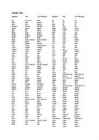
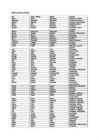
have had had swear swore sworn hear heard heard sweep swept swept hide hid hidden swim swam swum hit hit hit take took taken hold held held teach taught taught hurt hurt hurt tear tore torn keep kept kept tell told told know knew known think thought thought lay laid laid throw threw thrown lead led led understand understood understood
SING SANG SUNG LAULMA SIT SAT SAT ISTUMA SLEEP SLEPT SLEPT MAGAMA SPEAK SPOKE SPOKEN RÄÄKIMA SPEND SPEND SPEND VEETMA, KULUTAMA STAND STOOD STOOD SEISMA STEAL STOLE STOLEN VARASTAMA SWEAR SWORE SWORN VANDUMA SWIM SWAM SWUM UJUMA TAKE TOOK TAKEN VÕTMA TEACH TAUGHT TAUGHT ÕPETAMA TELL TOLD TOLD ÜTLEMA THINK THOUGHT THOUGHT MÕTLEMA, ARVAMA THROW THREW THROWN VISKAMA UNDERSTAND UNDERSTOOD UNDERSTOOD ARU SAAMA, MÕISTMA WAKE WOKE WOKEN ÄRKAMA WEAR WORE WORN KANDMA (nt riideid) WIN WON WON VÕITMA WRITE WROTE WRITTEN KIRJUTAMA
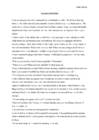
The School I come from The school I come from, is named Anna Haava nimeline Pala school and there learns a little bit less than 100 students, I learned there from 7-9 grade. I started learning English in third grade and if I remember correctly then our teachers name was Reet Ernits but she is not the only who has taught me English So far I have had five teachers (not including my current teacher), who all have been very different but they had one thing in common, they all used I love English books. With my first teacher we wrote down lots of rules about grammar and other stuff like that but I did not understand them so for me it was more like a waste of time. With my second, third and fourth teacher I met in Jõhvi High school and they all were not good teachers because they did not
twice and also had many mistresses. He had 4 children. Picasso created over 6,000 paintings, drawings and sculptures. Today picasso costs milllion pounds. He died of heart failure during an attack of influenza in 1973. Ernest Hemingway Ernest Miller Hemingway was an American novelist, short-story writer, and journalist. He was born in 21 July 1899. He was the second of six children. His family was very strict and religious. His father taught his children a love of nature and the outdoor life. His mother taught him a love of music and art. At the school he wrote for school newspaper. He didn't do to college. He worked for the Star newspaper in Kansas City. Hemingway was fascinated by war. He had wanted to become a soldier but couldn't because he had poor eyesight. He became ana ambulance driver and was sent to Italy, where he was wounded. In the 1930s he became a war correspondent in the World War II
magama sleep slept slept rääkima speak spoke spoken kulutama spend spent spent maha ajama spill spilt spilt levima spread spread spread seisma stand stood stood varastama steal stole stolen pühkima sweep swept swept ujuma swim swam swum võtma take took taken õpetama teach taught taught rebima tear tore torn rääkima tell told told mõtlema think thought thought viskama throw threw thrown aru saama understand understood understood kõigutama upset upset upset ärkama wake woke woken kandma wear wore worn välja võtma withdraw withdrew withdrawn kirjutama write wrote written
(Past Participle). Kui tegija on teada ja tahetakse teda ära mainida, siis kasutatakse eessõna by, millele järgneb tegija. Ajavorm Aktiiv Passiiv Tense form Active voice Passive voice Present simple Mary teaches me. I am taught by Mary. Present cont. Mary is teaching me. I am being taught by Mary. Present perf. Mary has taught me. I have been taught by Mary. Present perf. cont. Mary has been teaching me. I have been taught by Mary. Past simple Mary taught me. I was taught by Mary. Past cont
Sleep,slept,slept-magama Smell,smelt(smelled),-II- -haistma Speak,spoke,spoken-rääkima Spell,spelt(spelled),-II- -veerima Spend,spent,spent-veetma Split,split,split-hargnema Spread,spread,spread-hargnema Spring,sprang,sprung- Stand,stood,stood-seisma Steal,stole,stolen-varastama Stick,stuck,stuck-haarama Sting,stung,stung-pistma Stink,stank(stunk),stunk-haisema Strike,struck,struck-lööma Swear,swore,sworn-vanduma Sweep,swept,swept-pühkima Swim,swam,swum-ujuma Take,took,taken-võtma Teach,taught,taught-õpetama Tear,tore,torn-rebima Tell,told,told-rääkima Think,thought,thought-mõtlema Throw,threw,thrown-viskama Understand,understood,understood-aru saama Wake,woke,woken-ärkama Wear,wore,worn-kandma Win,won,won-võitma Write,wrote,written-kirjutama
set set set shake shook shaken shine shone shone shoot shot shot show showed shown shut shut shut sing sang sung sit sat sat sleep slept slept speak spoke spoken spend spent spent spring sprang sprung stand stood stood steal stole stolen swim swam swum swing swung swung take took taken teach taught taught tear tore torn tell told told think thought thought throw threw thrown understand understood understood wake woke woken wear wore worn
transformed into that what we see today. Aborigines believe that they are constantly living in the Dreaming and that every time they do something they leave an impression on the other reality that is the Dreaming. Aboriginal people were social beings as they lived together in groups. Their camps were comprised of number of gunyas or bark huts but people also lived in caves and in the open air. Some camps consisted of 10 people, some even more than 400 people. When children were born they were taught how to cope with the material and non- material elements of the world. There was a great emphasis on religion; all the children were taught the rhythms of dances in preparation for later participation in sacred and non- sacred rituals. Shortly after a child could walk he began to handle small spears, followed his father and other men to fishing. Little girls followed their mother and were taught all that was necessary for a mother to know.
TOPIC 3 James Watt James Watt was born in Scotland. James was a delicate boy and often suffered from severe headaches. That is why he could not go to school at the age when other children did. His mother taught him to read and his father taught him writing and arithmetic. He had a very good memory and a natural love of work. When his father saw that the boy liked to do things with his hands he brought him some tools from his workshop. For hours James would take his toys to pieces and the built new things from the parts to his own design. One day James noticed that, when the water in the kettle was boiling, the power of the steam moved the lid up
37 (välja)laenama lend lent lent 38 saatma send sent sent 39 kulutama spend spent spent 40 und nägema/unistama dream dreamt/ed dreamt/ed 41 tooma bring brought brought 42 ostma buy bought bought 43 püüdma catch caught caught 44 võitlema fight fought fought 45 õpetama teach taught taught 46 mõtlema think thought thought 47 peksam beat beat beaten 48 lõhkuma breake broke broken 49 valima choos chose chosen 50 sõitma drive drove driven 51 kukkuma fall fell fallen 52 andestama forgive forgave forgiven 53 külmutama freeze froze frozen
I tried to remember where I saw them last. I couldn't think straight, I was overwhelmed with worry. I heard someone banging on the hatch. I opened it with lightning speed and I saw my sister standing there. "Why are you standing there? Come in, quickly!" I demanded. "Where were you? Where are mum and dad?" I asked anxiously. "I was in the toilet and suddenly I felt the house shaking. I called for mummy but nobody was there. I got scared so I crabbed my Teddy and run here, like I am taught to do." "You did good, you were very brave!" I praised her and gave her a comforting hug. I had to find out where my parents were. I taught my sister how to open and close the shelters' hatch and ordered her to stay there and wait for my return. Again, I swallowed the fear and run. I was headed back to the house, when I heard our dog Bingo howling in his kennel. Instantly I was on my way to save him. I took him into my arms and hurried back to the shelter
fishing, shipbuilding, trade and farming. Unfriendly natives were not the Pilgrims' only problem. December was a bad time to start a settlement, especially when so many of them were too sick to do the hard work which founding the settlement required . The minority who were fit enough erected shelters near the beach at Cape Cod for a start, and then set about reconnoitring the hinterland for sustenance. Had it not been for friendlier native Americans who taught them their skills, the Pilgrims might never have survived. The natives acted as guides through the forests and taught the colonists woodcraft, trapping, hunting, how to make maple sugar, moccasins and birch-bark canoes and how to raise crops of maize and tobacco. They also introduced the colonists to the turkey, which was native to North America. This aid, however, came too late for half the colonists, who died during their first punishing
87. Spill Spilt spilt-loksutama, loksuma 88. Spoil spoilt spoilt-rikkuma 89. Spread spread spread- määrima, levima, levitama, katma 90. Stand stood stood-seisma 91. Stick stuck stuck-pistma, torkama, kleepima 92. Sting stung stung-nõelama 93. Strike struck struck-tabama, lööma 94. Swear swore sworn-vanduma 95. Sweep swept swept-pühkima 96. Swim Swam swum-ujuma 97. Take took taken-võtma 98. Teach taught taught-õpetama 99. Tear tore torn-rebima 1. Tell told told-ütlema, käskima, rääkima 2. Think thought thought-mõtlema, arvama 3. Throw threw thrown-viskama 4. Understand understood understood-aru saama 5. Wake woke woken-ärkama, äratama 6. Wear wore worn-kandma 7. Win won won-võitma 8. Write wrote written-kirjutama
standard language Pidgin language A simplified language Mainly employed in trade NOT the native language of any community may be built from words, sounds, or body language from multiple other languages and cultures No particular rules Chinese Pidgin English a pidgin lexically based on English and influenced by Chinese developed in 17th century in China Began to decline during the 19th century, when standard English began to be taught in schools Chinese Pidgin English Some characteristics: Based on a vocabulary of 700 English words Grammar and syntax are simple and positional (grammatical categories are indicated by the position of words in a sentence) Lack of plural personal pronouns Chinese Pidgin English Example sentences: Hab gat rening kum daun (Have got raining come down) “There is rain coming down” Tumoro mai no kan kum (Tomorrow my no
friendship with Anagnos suffered when she was accused of plagiarism[plaigarisam]. Helen had written a story entitled "The Frost King" for Anagnos's birthday. It was a lot like a story Helen had heard once, long before, and perhaps she remembered parts of it without realizing it. Some people said Helen's writing was just too good for someone who couldn't see or hear nature with her own eyes and ears. 7. But Helen had spent most of her childhood outside! Anne had taught Helen many things outside of the classroom. She taught her to touch, smell, and experience nature. She wanted Helen to be curious, ask questions, and to discover the world around her. And, for the rest of her life, Helen loved to smell and touch flowers, to feel the wind on her face...she was curious about everything!
Does this mean that each person can judge the truth of a proposition and there is no basis besides opinion for determining the truth? o Idealism? Does it mean that we cannot talk about a reality which exists outside of human existence? Sophist: · Sophistication · Sophistry (false reasoning) Relativism- no truth only opinions. The problem is that, it does not work for me. Socrates 469-399 BC · Poor (taught for free) · Ugly (in a culture that highly prized physical beauty) Four sources for his life and philosophy: - Xenophon (Conversations with Socrates); - Plato (Dialogues); - Aristophanes (The Clouds); - Aristotle (various references in his philosophical works) · Irony: originally referred to lying, only after Socrates did it come to have the meaning that it has today. Xanthippe- bad temper, Socrates wife
know knew lay laid lead led leave left lend lent let let lie lied lose lost make made meet met pay paid put put read read ride rode ring rang run ran say said see saw sell sold send sent show showed sit sat sleep slept speak spoke spend spent stand stood swim swam take took teach taught tell told think thought throw threw understand understood wear wore win won write wrote
· Deck Officer Watchkeeping Certificate Programme · Engineer Officer Watchkeeping Certificate Programme · Deck Officer Certificate Upgrade Programmes · Engineer Officer Certificate Upgrade Programmes · Personal Survival · Radar Observation & Plotting · Radar Simulator · ARPA Simulator · GMDSS Simulator · Medicine Emergency First Aid · Basic Stability · Other Courses Main specialities taught there are: · navigators (deck officers); · ship's diesel power plants (ship's engineers); · ship's refrigerating plants (refrigerating engineers); · productional fishing and fish breeding; · fish processing technology; · hydrography; · hydrometereology; · port and shipping management. Attending to school: According to person's national exam points (in maths) or if a person has studied something
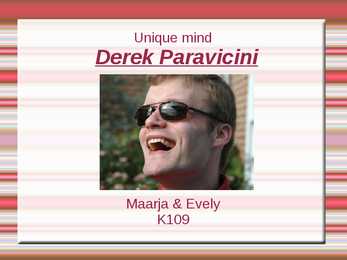
Unique mind Derek Paravicini Maarja & Evely K109 Biography Born: July 26, 1979 (age 31) He was born premature, at 25 weeks. He lost his sight and had severe learning diffuculties. He also has autism. By the age of four, he had taught himself large number of pieces on the piano. At this time, his enormous potential was recognised by Adam Ockelford, then music teacher. Derek's first major concert was at the Barbican Halls in London, when he was just 9 (in 1989). Aged ten he was presented with a Barnardo's Children's Champion Award by Diana, Princess of Wales. In 2009 he was one of the subjects of the NOVA series' episode, "Musical Minds". Official website: http://www.sonustech
INTERVIEW: DIFFERENCES BETWEEN TEACHING IN CHINA AND IN ESTONIA According to a Chinese language lecturer of a University in Estonia, teaching in China and teaching in Estonia does have some differences. The lecturer received a BA from Shanghai Teachers' Collage and MA in Education from Boston University. She has taught overseas students for 3 years in Guangxi University in China before coming to Estonia in 2013. Since then she has taught in various universities in Tallinn. In her opinion the main differences that affect the teaching of Chinese in China and Estonia are the purpose of teaching, the authority that the teacher has, and the language environment of the country. In Estonia one of the main purposes of teaching Chinese is to increase the knowledge of China and Chinese culture in addition to the teaching the language. In China on the other hand
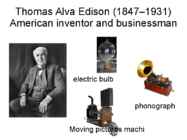
Thomas Alva Edison (1847–1931) American inventor and businessman electric bulb phonograph Moving pictures machi Childhood - born in Ohio in February of 1847 -self-taught -experimenting, built his own chemical laboratory -telegraph operator Over 1000 inventions The greatest invention are the phonograph in 1877 He also imroved the telephone system that had been invented by Be 1878 Edison worked to discover a way of improving the electric light bulb invented in England by Sir Joseph Swan Henry Ford - the first electric car.
stink stank, stunk stunk strew strewed strewn, strewed stride strode stridden strike struck struck, stricken string strung strung strive strove striven. swear swore sworn sweep swept swept swell swelled swollen, swelled swim swam swum swing swung swung take took taken teach taught taught tear tore torn tell told told think thought thought thrive throve, thrived thriven, thrived throw threw thrown thrust thrust thrust tread trod trodden understand understood understood undertake undertook undertaken undo undid undone upset upset upset
TO STICK stick stuck sticking stuck TO STRIKE strike struck striking struck TO SWEAR swear swore swearing sworn TO SWEEP sweep swept sweeping swept TO SWIM swim swam swimming swum TO SWING swing swung swinging swung TO TAKE take took taking taken TO TEACH teach taught teaching taught TO TEAR tear tore tearing torn TO TELL tell told telling told TO THINK think thought thinking thought TO THROW throw threw throwing thrown TO UNDERSTAND understand understood understanding understood TO WAKE wake woke waking woken TO WEAR wear wore wearing worn
strive strove striven Püüdlema, taotlema swear swore sworn vanduma sweep swept swept pühkima swell swelled swelled/swollen Paisuma, paistetama swim swam swum Ujuma swing swung swung Kiikuma, õõtsima take took taken Võtma teach taught taught õpetama tear tore torn Kiskuma, rebima tell told told ütlema think thought thought Mõtlema thrive thrived/throve thrived Arenema throw threw thrown Viskama thrust thrust thrust torkama tread trod trodden astuma, sammuma understand understood understood Aru saama, mõistma
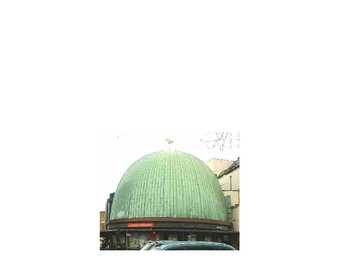
Madame Tussauds is a major tourist attraction in London, displaying waxworks of historical and royal figures, film stars, sports stars and infamous murderers. Madame Tussauds is owned and operated by Merlin Entertainments. History Marie Tussaud was born as Marie Tussaud Grosholtz in 1761 in Strasbourg, France. Her mother worked as a housekeeper for Dr. Philippe Curtius in Bern, Switzerland, who was a physician skilled in wax modelling. Curtius taught Tussaud the art of wax modelling. Tussaud created her first wax figure, of Voltaire, in 1777ing. WAX FIGURES Russian President Putin Jack Sparrow - Johnny Depp Russian poet Pushkin Selena Gomes Marie Tussaud (Founder of the museum) Arnold Schwarzenegger T-800 Religious leaders in Madame Tussauds London Steve Jobs Bill Gates con Thanks for watching!
Stanford university Made by Kelli Kadak 11K 30.10.2012 Stanford university · Stanford is recognized as one of the world's leading universities. students have opportunities to participate in a remarkable range of activities. Through academic courses taught by renowned professors, research and public service opportunities, and an extraordinary breadth of extracurricular activities -- Stanford University prepares students to take on the great challenges of the day and become the next generation of leaders. Stanford university history In 1891, Stanford University opened its doors after six years of planning and building. · The university's first president was David Starr Jordan. · The official name is Leland Stanford Junior
characters is a boy named Albert, who'se father bought him a horse and Albert got to train it. Albert and the horse became very close friends. But when the war approached, they had to sell the horse in order to pay the bills. The horse, named Joey, travelled long distances and met many people. Everyone who saw Joey, wanted it to themselves. Finally, when the war was nearing it's end, Albert and Joey were reunited. I liked the movie because it told a compelling story about friendship and it taught us never to give up hope. The chances for Albert to see Joey again were very thin but luckily Joey was able to come back to it's true owner. I also liked the acting many of the actors did. It was top notch.
13. According to Parmenides, what is motion and why it is only apparent? According to Parmenides, motion as we know it, does not exist. Motion is illuminating and darkening. Coming to be is nothing more than coming to be visible. 14. What is the great philosophical discovery that Parmenides did? What are the contradictions that his discovery awakens? He discovered that things are. The contradiction between oneness and multiplicity. 15. Who were the Sophists? Sophists taught people how to speak well and how to convince people. They claimed that they were philosophers but actually they weren’t, because they didn’t care about the truth. 16. Why Sophists were important in the context of Greek incipient democracy? Because they taught how to speak well and to convince others. 17. Why Sophists are not real philosophers? Because for them the truth does not matter. 18. Who said the phrase: “man is the measure of all things”? What does this phrase mean?
the world. Some of the languages are more widely spread than others like English, German and Mandarin language. It is important to learn languages because people travel a lot and then the communication is easier. In the world there are so many languages and it is impossible that we could speak them all. That's why there are some dominant languages. I think one of the most spoken languages is English, because so many people in the world can speak it. Some foreign languages are taught in very young age children. For example in Estonian children learn in school German, Russian and English. Main is English. Main reason why English is so widely spread is because many young people learn English. So when you travel, English is main language you should speak. And it´s good when there are some languages which most of the people can speak because the communication is wide on easy. But most of all I think that the most important is to know your mother tongue. We should
Adam Gontier is the lead singer, guitarist, and the main songwriter of Groundswell, what was later renamed and is now known as Three Days Grace. Adam is well known to have a voice range from high tenor to medium low bass. Adam Gontier was born in Peterborough, Ontario, Canada in May 21 1978 into music loving family. Adam's mother was the one, who got him interested in music and taught him to play the guitar. In 2005, Adam went to a rehabilitation centre, where many of the songs for their second album 'One-X' were written. Their first album is called 'Three Days Grace', and their third and the newest album is called 'Life Starts Now'. After the rehabilitation, Adam is still sober, and a film called ''Behind The Pain'' was released in 2007 and it's about Adam's addiction. Adam has also coworked with many other famous band's and artists. (Apocalyptica, Flyleaf and so on.)
One year she forgot everything, except the beginning and the end, so she improvised everything in between. I was really proud of her, cause at first I thought she’s gonna freek out and run away. But she didn’t. Kids, they’re fierce. If they don’t remember anything, they’ll make it up. They’re more afraid to just stand and watch the silent crowd than to be wrong. Ken says that kids are not afrayd to be wrong. But by the time they start going to school, they are taught to be scared of being wrong. In school, the most important subjects - math, languages and humanities – are those where you don’t have enough space to be wrong in. But subjects, where you could make your wrong decisions to work for you, are in the bottom and most of the teachers, don’t care about them that much. Subjects like art, singing, dancing and so on. There’s still one thing that I don’t agree with Ken. He says that there’s no
Letter of application for a language course I study humanities at Pelgulinna Gymnasium, studying humanities at my school requires fluency in English. I love studying in English, hence, I would like to attend a university, where all the courses are taught in English. Therefore I would like to attend this university because of the English-speaking environment. I feel that this is an amazing opportunity which will surely turn out to be an enriching experience for me. I have great expectations from studying abroad because of the element of internationalism. I think that a larger view on the world could give the chance to be more productive in my whole life. Living abroad could give the chance to prepare better for my future career.
The Best Grandfather My grandfather was good-humoured and warm man. He was always sweet and kind to me. I think he should be as a rolemodel to every man in the world. He was the person who taught me to play piano, to make pancakes and I even learned from him how to swim. My grandfather was always there for me and gave me the perfect advice that I needed. He was there with me at every event that was important for me, for example he was there listening to my every piano concert although I know that these were always very boring for him. I remember him sitting on the couch, listening to the radio and thoughtfully, quiatly solving the crossword
Wa l t e r Scott Walter Scott Scottish novelist and poet One of the greatest historical 1771-1832 novelists. Scott wrote twenty-seven historical novels. Early Life o Was born August 15 1771 o Caught polio and survived. o Sent to Sandyknowe , his grandparents farm. o Taught to read and influenced by his aunt Jenny. o Given private tutoring by James Mitchell. o attended grammar school and met James Ballantyne. o At age 12, started studying at the University of Edinburgh. o Began an apprenticeship with his fathers office. o Later became a lawyer in Edinburgh. Literary Career launched Began to write at 25 by translating works from German. Became an ardent volunteer in yeomanry where he met Margaret Charlotte Charpentier in 1791 Had five children together
is, in general terms, therefore better done after the text has been presented. (Cranmer 1986:60) Another important reason is that it is possible at this stage to exploit the new lexis in its own right, not just as a means comprehension, If we are to bring new vocabulary into active use and not just passive understanding, it is not sufficient for us just to teach it. It should be done in a way, so that teachers should be sure that it is learnt and used. If the words are taught after the target text, then the meaning of the words will be more understandable. In this case, the `matching' is the best thing to learn new words. The definition will be given to a learner and he/she has to find the word with the identical meaning in the text. What should be added to the topic, I believe, not hundred percent of new words will be learnt by students. However, this is a great practice for them, to be able to find associations,
Joanne left Chepstow for Exeter University, where she earned a French and Classics degree, her course including one year in Paris. As a postgraduate she moved to London and worked as a researcher at Amnesty International among other jobs. She started writing the Harry Potter series during a delayed Manchester to London King's Cross train journey, and during the next five years, outlined the plots for each book and began writing the first novel. Jo then moved to northern Portugal, where she taught English as a foreign language. She married in October 1992 and gave birth to a daughter Jessica in 1993. When the marriage ended, she and Jessica returned to the UK to live in Edinburgh. Her books She got a idea to write about it is in King Cross train station. Harry Potter is a series of seven fantasy novels written by British author J. K. Rowling. The books chronicle the adventures of the adolescent wizard Harry Potter and his best friends Ron Weasley and
Russian 2nd year translation. Prose. The Childhood of Mikhail Lomonosov The great Russian scholar Mikhail Vasil'evich Lomonosov was born in the beginning of the eighteenth century in a little village near the White Sea. His father was a fisherman and he often took his son with him when he went fishing. When Lomonosov was a little boy he wanted to study. This was difficult because books were rare and expensive and because there was no school in the village. However, the village priest taught Lomonosov to read and write. After that, Mikhail Lomonosov began to look for books. One man in the village had an arithmetic book. When Lomonosov saw this book, he ased the man to give it to him. He read it so often that soon he knew it by heart. He managed to get more books from his friends and spent many days reading them. Lomonosov was already nineteen years old when he decided to go to school. Though he already knew much, he needed the help of experienced teachers in order to continue his
http://www.abiks.pri.ee There is big different between home school and state school. The way how there are taught is different too. There are arguments both for an advantage and disadvantage. Firstly in home school parents have the freedom to decide what to teach. Furthermore they have the freedom to decide how to teach. Secondly parents can teach their children more than just facts and when children learning what interests them, it motivates them to learn even more. But on the other hand home schooling isn't the best way. In state schools are more children and they
Dear listeners, From young age, people are taught that friendship is very important and you have to look after your mates. But people understand it differently. Some make good friends with everyone, but others find one true friend to be nice with. Is this one friend then better than thousands? My best friends were left in kindergarten. The four of us were invincible. We did everything together and we were enough for each other we didn't let other children to our games. In games as well as in learning, I had 3 great supporters and everything was easy and fun with them. Everyone grows up, so did I and my buddies. Unfortunately we grew apart, because it is hard to meet between all the schoolwork and hobbies. Few appointments at primary school are completely gone now and all of us have found new friends. I didn't find really great friends from my class until about third grade. I went dancing with two classmates and I was conn...
 annaabi.ee