 5 punkti
Autor soovib selle materjali allalaadimise eest saada 5 punkti.
5 punkti
Autor soovib selle materjali allalaadimise eest saada 5 punkti.
 ~ 14 lehte
Lehekülgede arv dokumendis
~ 14 lehte
Lehekülgede arv dokumendis
 2013-12-15
Kuupäev, millal dokument üles laeti
2013-12-15
Kuupäev, millal dokument üles laeti
 7 laadimist
Kokku alla laetud
7 laadimist
Kokku alla laetud
 1 arvamus
Teiste kasutajate poolt lisatud kommentaarid
1 arvamus
Teiste kasutajate poolt lisatud kommentaarid
 A C
Õppematerjali autor
A C
Õppematerjali autor
THE LONDON EYE AND MADAME TUSSAUDS Getri Tomson, Marta Tolli Maris Selmet, Patrick Barbo THE LONDON EYE THE LONDON EYE HISTORY London Eye was opened in March 2000. Since 2000 The London Eye has become an iconic landmark and a symbol of modern Britain. Back in 2000, the London Eye was known as the Millennium Wheel. INTERESTING FACTS Passengers in the London Eye's capsules can see up to 40 kilometeres in all directions. The London Eye is the vision of David Marks and Julia Barfield, a husband and wife architect team. It took 7 years and the skills of hundreds of people from 5 countries to make The London Eye a reality. At 135m high, The London Eye is the world's tallest cantilevered observation wheel. Each of the 32 capsules weighs 10 tonnes THE LONDON EYE’S
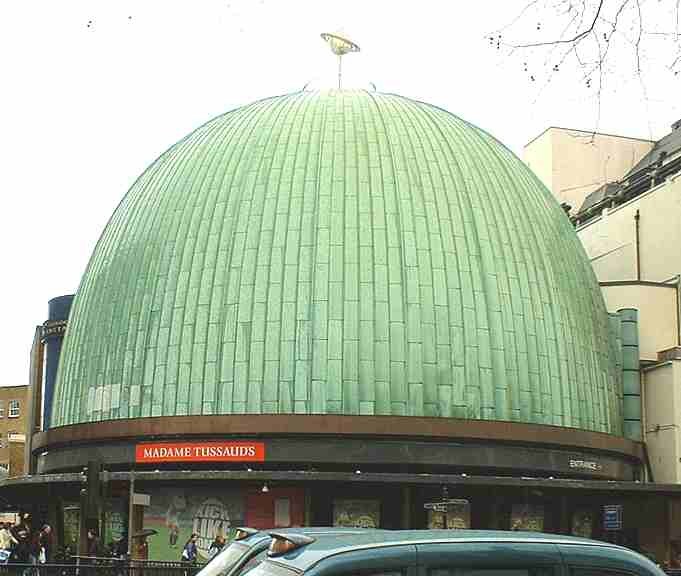
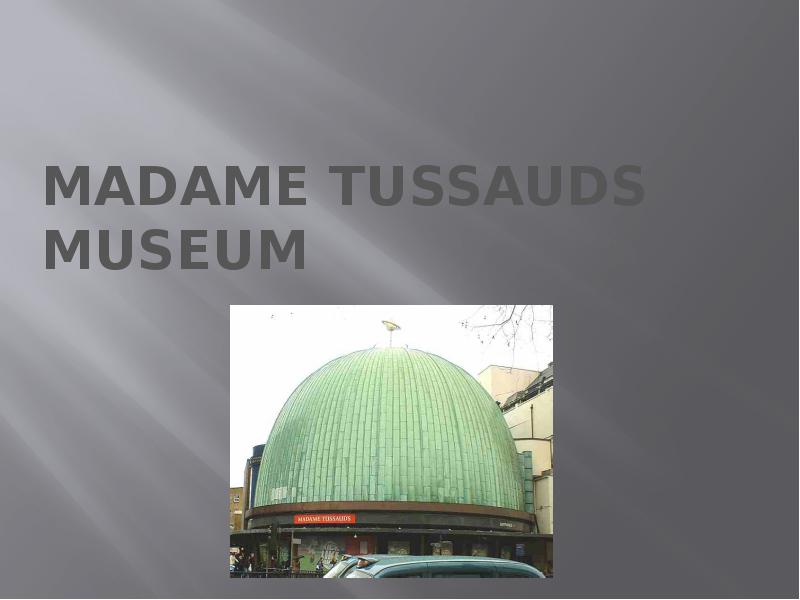
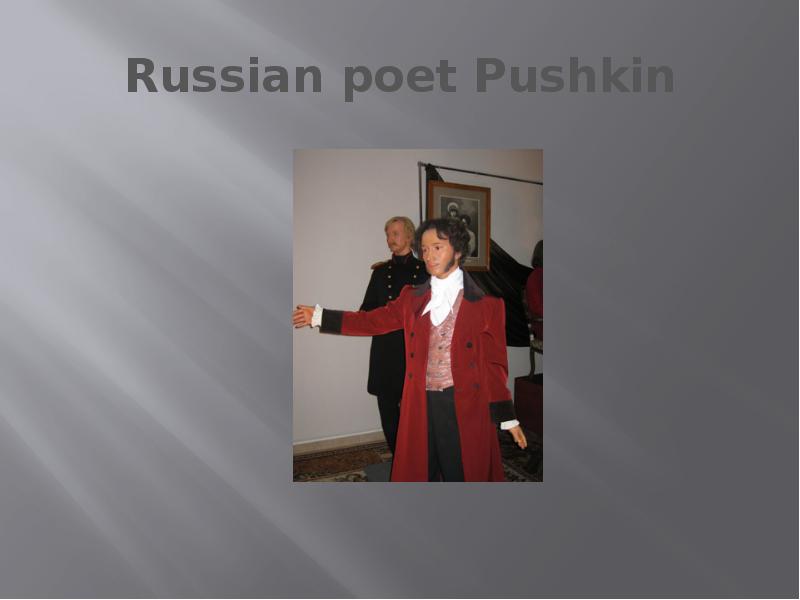
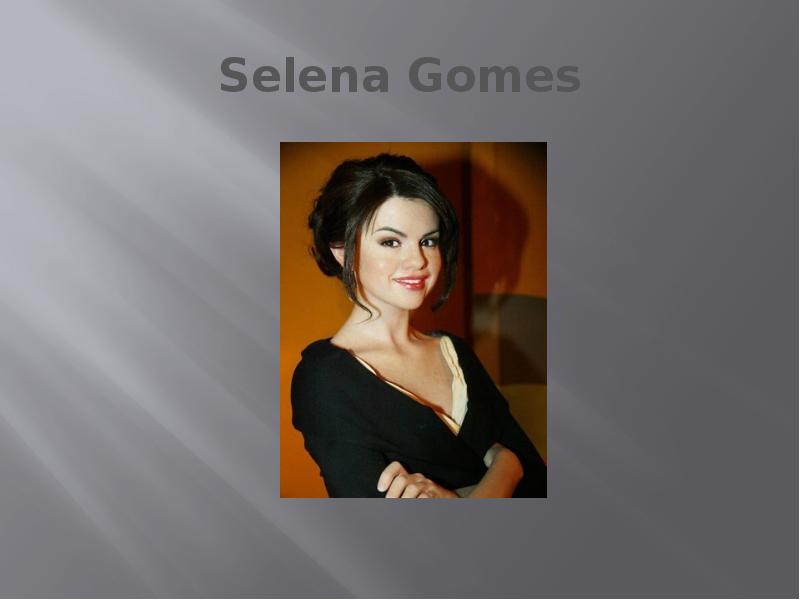
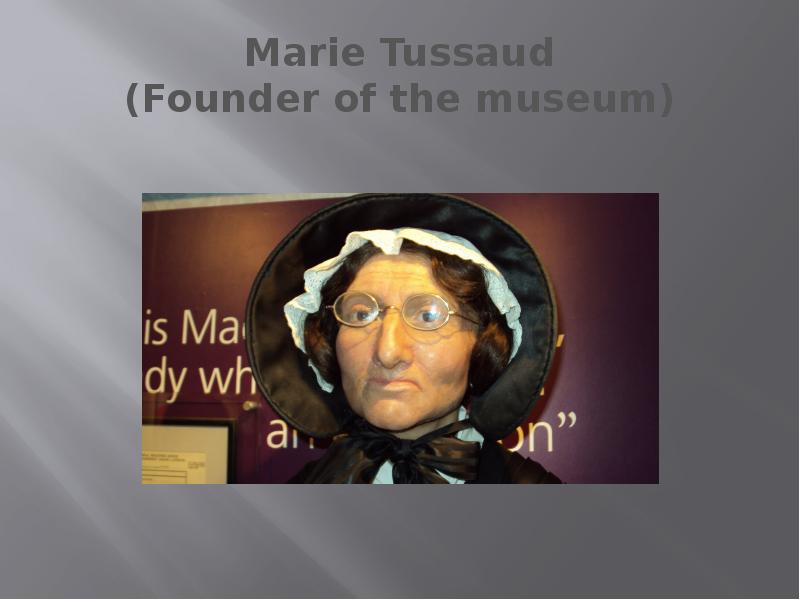
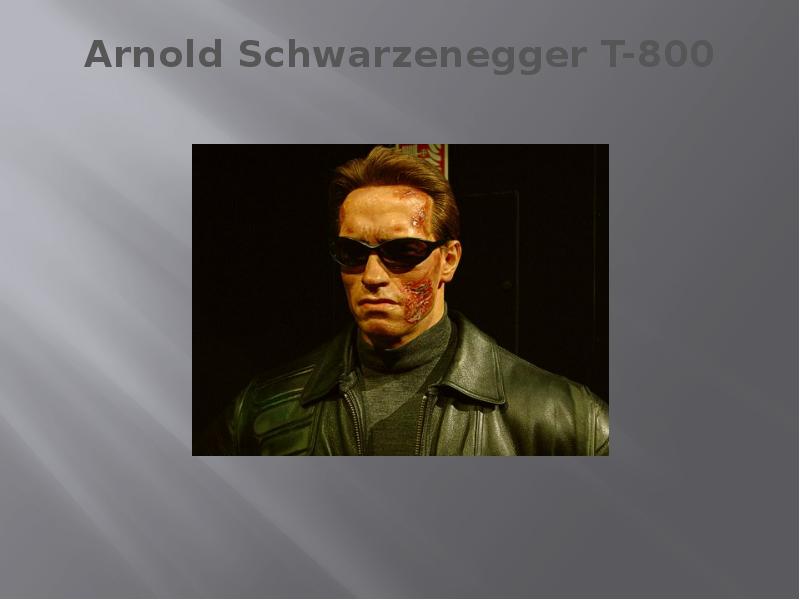
situated on the River Thames. The cathedral is one of London's most visited sights. THE NATIONAL GALLERY: The National Gallery in London, founded in 1824, houses a rich collection of over 2,300 paintings dating from the mid-13th century to 1900 in its home on Trafalgar Square. The gallery is a non-departmental public body; its collection belongs to the public of the United Kingdom and entry to the main collection (though not some special exhibitions) is free of charge. MADAME TUSSAUD'S: Madame Tussauds is a wax museum in London with branches in a number of major cities. It was set up by wax sculptor Marie Tussaud. It was formerly spelt "Madame Tussaud's", but the apostrophe is no longer used. TRAFALGAR SQUARE: Trafalgar Square is a square in central London, England. With its position in the heart of London, it is a tourist attraction; and one of the most famous squares in the United Kingdom and the world. At its centre is Nelson's Column, which is guarded by four lion statues at its base
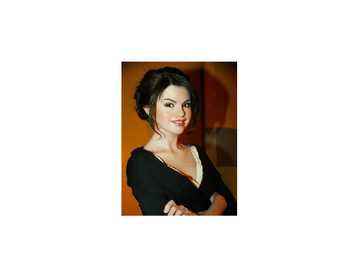
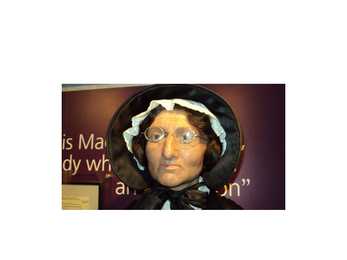
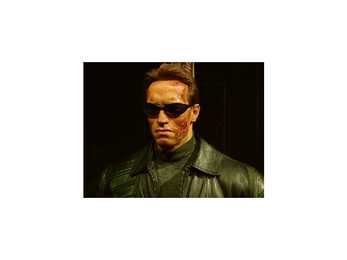
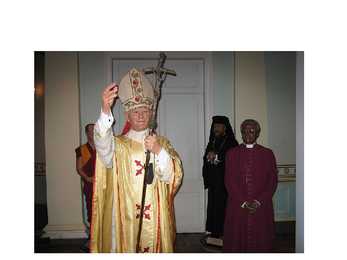
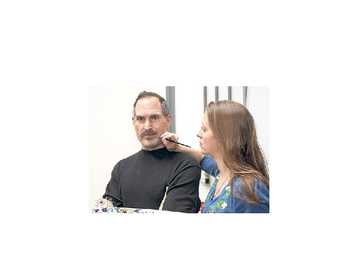
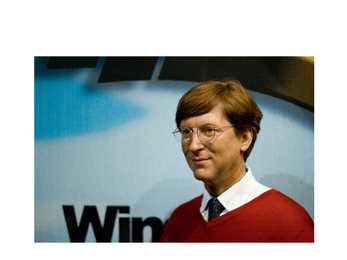
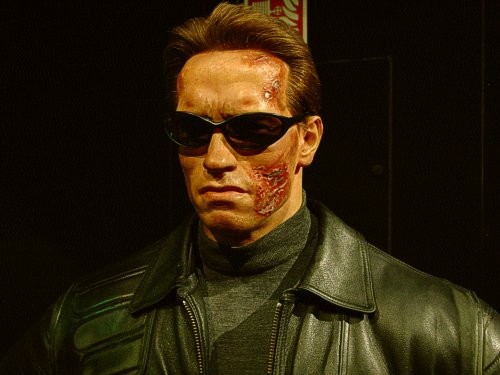
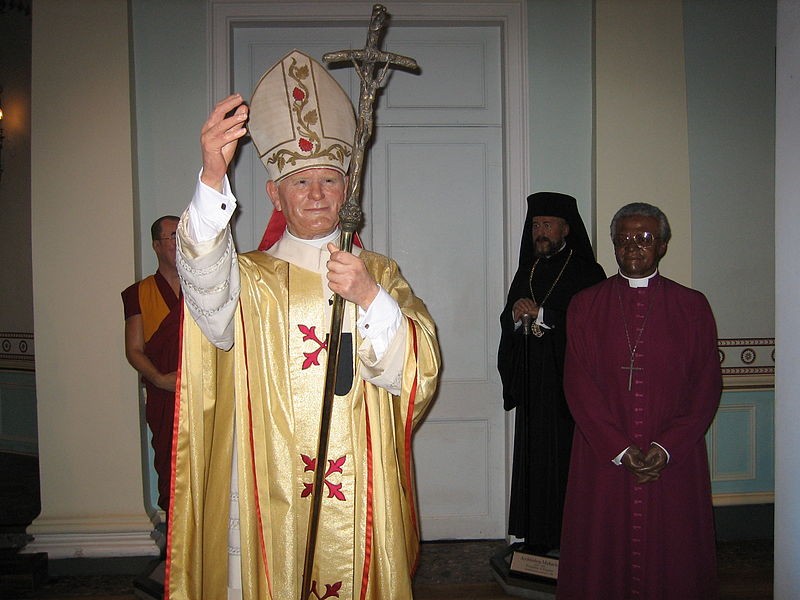
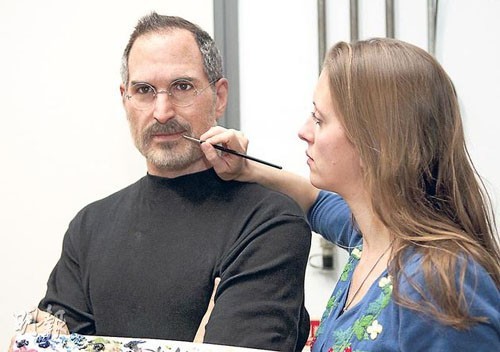
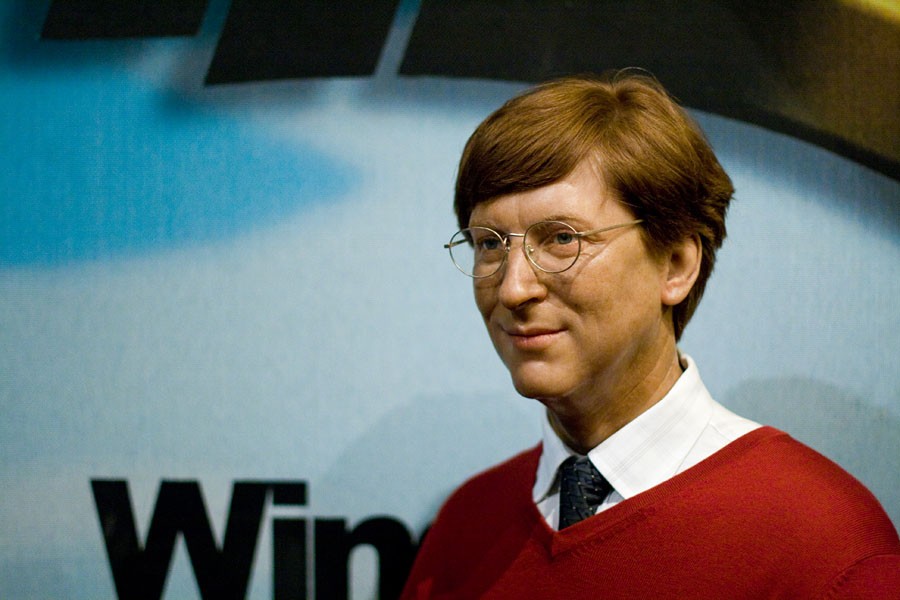
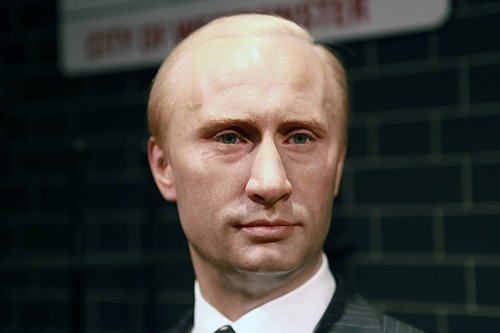
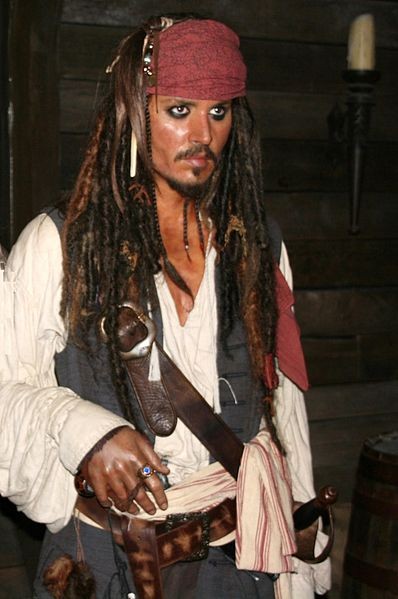
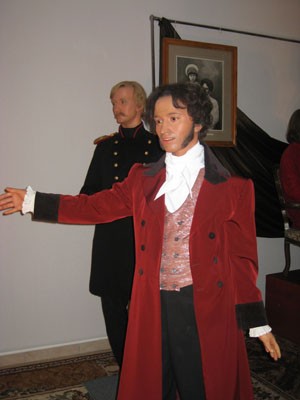
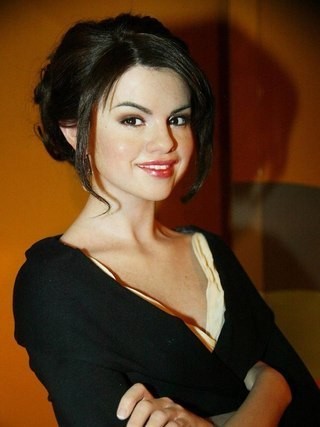
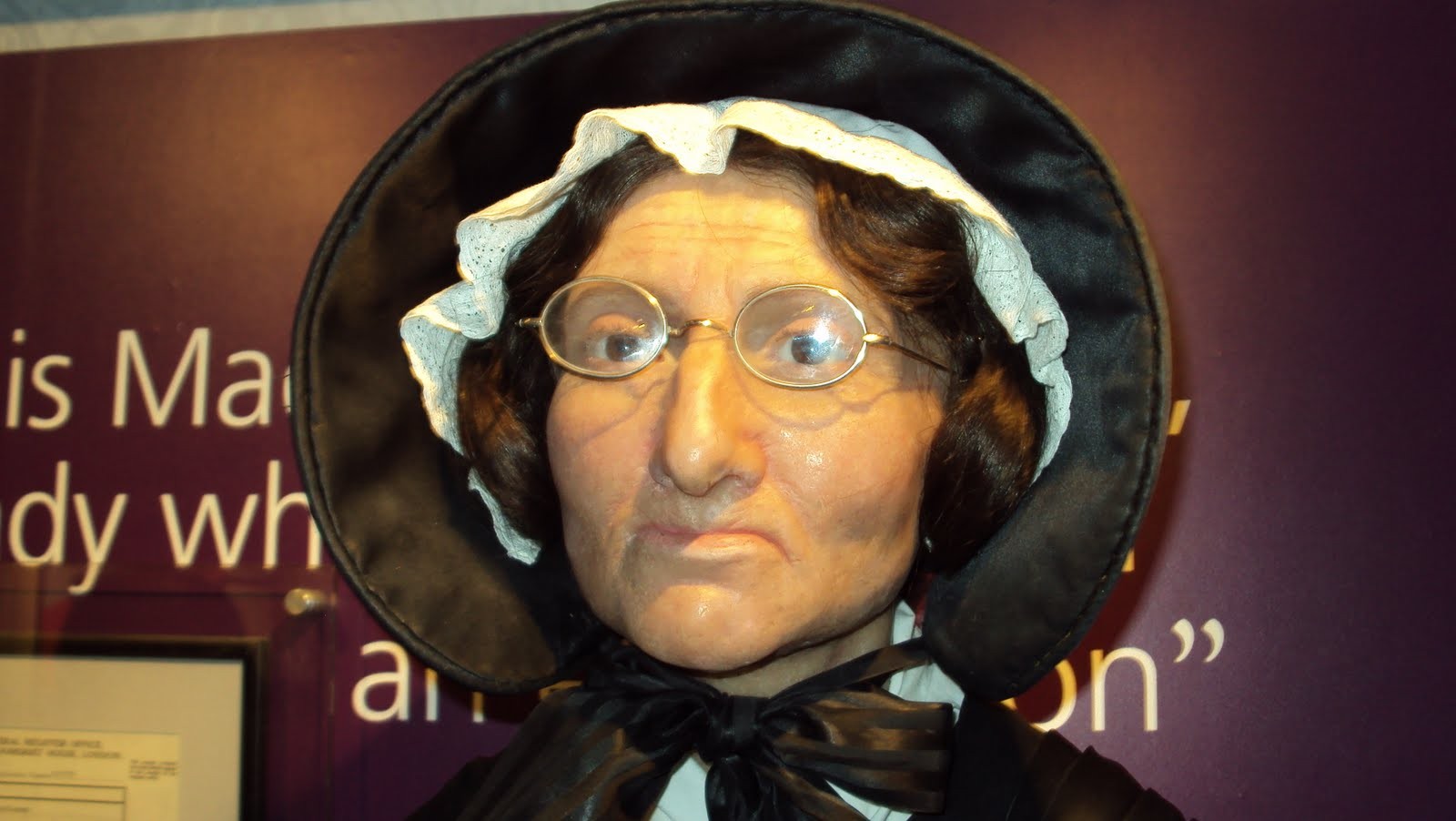
medieval royal Palace of Westminster. It was built in approximately 1365 to house the treasures of Edward III and its alternative name was the "King's Privy Wardrobe". It displays a fascinating exhibition about the history of Parliament `Parliament Past and Present', and the second floor includes panels telling the story of this small but important building. · Madam Tussauds is a wax museum in London with branches in a number of major cities. It was founded by wax sculptor Marie Tussaud and was formerly known as "Madame Tussaud's". It displays waxworks of historical and royal figures, film stars, sports stars and famous murderers.
other occasions have graced this spiritual centre. Built of Portland stone with a Dome that rises to 365 feet and with Great Paul, the largest bell in England, this has to be one of biggest sight sees in London. Globe Theatre the theatre, which is known for an absent roof, stands on the north-western coast of the Thames river. The Globe uses only natural light and the minimum of scenery. 7. Museums British Museum a museum dedicated to human history and culture. It has a collection of more than 13 million artifacts, which are amongst the largest and most comprehensive in the world and originate from all over the world. Established in 1753 and opened to the public six years later. Notable artifacts include: the Rosetta Stone, Elgin Marbles, a statue from Easter Island, and numerous death masks from the pharaohs of Egypt. Cutty Sark the Cutty Sark is a clipper ship, built in the 19 th century
A.L. Webber is knighted, started writing musicals in 1965, owns 7 theatres and has written 13 musicals. The story is based on a book. The musical was first staged at Sydmonton, at the home of A.L Webber. The main actors were Sarah Brightman and Michael Crawford. There have been 65 000 performances and over 80 million people have seen it. There was a film made in 2004. The play consists of 2 acts. The main characters are The Phantom and Christine, then Raoul, Carlotta, Madame Giry. It has won over 50 awards. The opera house has 17 floors, is above an underground lake, was built in 1861-1875 in a neo-baroque style, golden ornamental decorations, statues, columns and bronze busts of composers Siret: "Prince Albert" Born in 1819 in Germany. He had unhappy childhood (parents divorced when he was little), mother left them, met Victoria at age 17, they were introduced by Uncle Leopold, they fell in love. They got married and got 9 children, 40 grandchildren
Delaunay continued to work in a mostly abstract style. During the 1937 World Fair in Paris, Delaunay participated in the design of the railway and air travel pavilions. When World War II erupted, the Delaunays moved to the Auvergne, in an effort to avoid the invading German forces. Suffering from cancer, Delaunay was unable to endure being moved around, and his health deteriorated. He died from cancer on 25 October 1941 in Montpellier. The Aichi Prefectural Museum of Art (Japan), the Albright-Knox Art Gallery (Buffalo, New York), the Art Institute of Chicago, the Berkeley Art Museum, the Bilbao Fine Arts Museum (Spain), National Museum of Serbia in Belgrade, the Fine Arts Museums of San Francisco, the Guggenheim Museum (New York City), the Honolulu Academy of Arts, Kunstmuseum Basel (Switzerland), the Museum of Modern Art (New York City), the National Gallery of Victoria (Australia), the National Galleries of Scotland, the New Art Gallery (Walsall,
It is also set into the small coat of arms of Tallinn. Great coat of arms - three lions, a knight, and Danish queen; leaves around Old Thomas - quardian of Tallinn, put on top of the spire of Tallinn Town Hall in 1530; boy that excelled springtime contests thrown by Baltic German elite, because of his low-born status was unable to receive a prize, therefore was granted the position of town guard. Right now there’s third Old Thomas, first one can be seen at Tallinn City Museum. Toompea as a symbol of power Toompea palace - wooden fortification was originally built in the 9th century, Danes made the castle the centre of secular power; Toompea palace hosts the parliament of the Republic of Estonia, designed by Eugen Habermann and Herbert Johanson. The parliament has 101 members and is chosen for 4 years. Stenbock House - the official seat of the Estonian Government since 2000; the building started in 1787, originally meant to be a courthouse
Art Museum of Estonia Art Museum of Estonia was founded on November 17th, 1919, but it was not until 1921 that it got its first permanent building the Kadriorg Palace, built in the 18th century. In 1929 the palace was expropriated from the Art Museum in order to rebuild it as the residence of the President of Estonia. The Art Museum of Estonia was housed in several different temporary spaces, until it moved back to the palace in 1946. In September, 1991 the Kadriorg Palace was closed, because it had totally deteriorated by then. At the end of the year the Supreme Council of the Republic of Estonia decided to guarantee the construction of a new building for the Art Museum of Estonia in Kadriorg. Untill then the Knighthood House at Toompea Hill served as the temporary main building of the Art Museum of Estonia
 annaabi.ee












Kõik kommentaarid