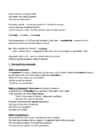
How were they depicted in literature? (workhouses, slums, child labour, disease, etc) 5. What ideas and reforms were behind the 'woman question'? Describe the three types of the Victorian women, their roles and development throughout time? 6. Self-help books and the ideology behind them? 7. What is literary realism (definition, development)? Who were the writers whose style is best characterised by this term? 8. Victorian poetry: the dilemmas between aesthetics and morality. Tennyson and Browning, the Pre-Raphaelite brotherhood: main subjects and ways of writing poetry 9. The Development and role of the novel. Social novels: themes, ideas. 10. Charles Dickens: general characteristics of his life. Note that these are just general questions for revision, in the test you might get a more detailed question. There is a fair possibility of a poetry analysis type of a question.
When you get overwhelmed by the failure, just take a break, deliberate it but whatever you do your trail of thoughts mustn't get affected by it. Still keeping focus on the problem will not only get it solved but it will keep you from causing new unnecessary problems. Now I ask, would you get wiser and improve your knowledge by learning from your mistakes, as to understand where have you gone wrong or would you be the one that thinks there's only one right choice and one answer to all dilemmas. At this very moment i'm writing this essay thinking will I get a polished grade or will my teacher give me an inadequate grade so I can improve my writing and debating skills for the better. So I would state, we find out more from our mistakes rather from our accomplishments.
Tema nagu paljudki läks mudasesse kohta, kus oli veidi vett. Tegelikult Augustine-i võime oli võtta kindel seisukoht, et valetamine sõltub põhiliselt tema otsusest rõhk panna täielikult individuaalsele omakasule kõigis neid küsimustes. 1 (Tagajärjed olgu neetud.) Kui Bernard valetamise ajal tegelikult ka hooliks teiste õnnest, siis ta räägiks teist moraalset keelt St Augustine-ile. Võib-olla, nagu Abraham, keda me näeme 47. dilemmas, valetab kust ohverdus on pärit (ja Abraham on tuntud ka piiblist olles käänulises suhtes Saraga, keda ta kutsus ,,oma õeks"). Bernard soovis ainult peita tõde, mitte otseselt valetada. See on joon, vähemalt, mida Aquino räägib Abrahami nimel. Poliitikas salvestati hiljuti Briti kõige võimsam riigiteenistuja, Robert Armstrong, New South Walesi kohtus seletas ta ,,Spioonipüüdja" juhtumit. Põigeldes jõuliselt Inglismaalt, ta tunnistas enda ja Briti valitsuse tõendit
providing the necessary intellectual reinforcement. 22 Myers, Kitsuse 2000 Constracting the Future in Planning If planners did want to strengthen their orientation to the future, what would a contemporary paradigm look like? In the next section we address Isserman’s (1984) distinctions between projections, forecasts and plans, and accompany this with a discussion of Wach’s observations on the ethical dilemmas of quantitative judgment (1982). We then discuss the continuities linking past, present and future, drawing in particular on key insights introduced by Perloff (1980). Three principal techniques stand out: visioning, scenarios and storytelling. What is needed today is a new synthesis of skills that includes all of the lessons of the modern era— political relevance, public inclusiveness, quantitative technique, narrative, openness of
Ethical issues in technology include safety, environment, privacy, military issues, etc. Engineers usually have codes at work, listing principles against sabotage, espionage, fraud, etc. However, this does not solve the ethical issues because principles can conflict: To offer cheaper / more accessible products vs to protect environment. To obey the interests of the company vs to obey the interests of the users. Engineers face moral dilemmas (are condemned to moral failure?). Interlude: Moral dilemmas Moral dilemma: the choice between The satisfaction of doing what is right and The search for the best outcome. Interlude: Moral dilemmas Deontology (Immanuel Kant) - Happiness is not intrinsically valuable. Absolute value is good will. - Good will is the determination to do what is right = to follow moral principles. - Moral principles are rational and all rational beings should follow them
liigist. See on uut liiki küsimus. GILBERT RYLE (190076), inglise filosoof, 1945-68 Oxfordi filosoofiaprofessor, 194771 ajakirja Mind peatoimetaja. Oli üks nn tavakeele filosoofia juhtivaid esindajaid, mõjutatud hilise Wittgensteini vaateist. Peateoses The Concept of Mind (1949) ründas Descartes'i dualismi, nimetades seda "tondiks masinas" vaimu omaette substantsiks pidamine on kategooriaviga. Kaitses ise biheiviorismile lähedasi vaateid. Teisi tähtsamaid teoseid: Dilemmas (1953); Plato's Progress (1966). [1842] 6
20. sajandi alguseks oli G.B.Shaw saavutanud juba ülemaailmse kuulsuse. Oma järgmist teost nimetas Shaw filosoofiliseks komöödiaks.Näidendis "Inimene ja üliinimene" (1903) on traditsiooniline don Juani teema põimitud Nitzsche filosoofiaga üliinimesest ja tolleaegsete bioloogiliste teooriatega. "Major Barbara" (1905) on näidend, milles autor vaatleb Päästearmee silmakirjatsevat heategevust ja relvatöösturite mahhinatsioone. "Doktori dilemmas" (1906) käsitleb Shaw teaduse seisundit tänapäeva ühiskonnas ning teadlaskonna omavahelisi suhteid, arstide omakasupüüdlikkust, aga ka kunsti ja moraali probleemi. Kokku on G. B. Shaw kirjutanud 50 näidendit, enne Esimest maailmasõda jõudis ta kirjutada 29. Shaw ´ üheks populaarsemaks näidendiks võib kindlasti pidada armastuskomöödiat "Pygmalion" (1912), kus keskseteks tegelasteks on foneetikaprofessor Henry Higgins ning lihtrahva hulgast pärit neiu Eliza Doolittle
saavad vahetult suhelda, on nähtav oma panustatud tegevus ja sellest saadav kasu. Rikkam ja suurem grupp peab rohkem oma ressurssidest panustama – väikeste ekspluateerimine. Rikkad on aga nõud rohkem panustama, sest neil on palju rohkem kaotada. Stiimulid – mõjutavad meie käitumist (reeglid, ettekirjutused), eriti vajalikud on need suures grupid. Kollektiivse tegevuse probleemide kujutamine vangide dilemmaga pole hea variant, sest kollektiivne tegevus eeldab koostööd, kuid vangide dilemmas seda rakendada ei saanud. Kollektiivne tegevus – keskkonnprobleemid –kõik riigid võitlevad selle vastu, üritavad vähendada, kuigi riiki otseselt ei puuduta. Nt osooniaugud. Huvigrupid kulutavad palju ressursse, toimub stagnatsioon, räägitakse kaua samast teemast. Rikastel riikidel on palju eksporti, tegelevad kõrgtehnoloogiaga. Tuleb osata teha kollektiivseid otsuseid ja lahendada probleeme, sest muidu riik ei rikastu. Jürgen Backhaus:
the discourse generates its own implications and speaks for itself. Even in foreignizing translation projects such as the one above, translating this kind of language would raise dilemmas as the translator may legitimately wonder how much s/he could actually foreignize. Of course, the mere translation of a Romanian's speech into broken Romanian would be `illogical' and `inauthentic' unless it is supplemented by an intra- or extratextual gloss. Still, the strongest
Annals of Tourism Research, 27(4), 926-945. Elsrud, T. (2001). Risk creation in traveling: Backpacker adventure narration. Annals of Tourism Research, 28(3), 597-617. Enoch, Y., & Grossman, R. (2010). Blogs of Israeli and Danish backpackers to India. Annals of Tourism Research, 37(2), 520-536. Featherstone, M. (1987). Lifestyle and consumer culture. Theory, Culture & Society, 4(1), 55- 70. Gergen, K. J. (1991). The saturated self: Dilemmas of identity in contemporary life. USA: BasicBooks. Germann Molz, J. (2006). Cosmopolitan bodies: Fit to travel and travelling to fit. Body & Society, 12(3), 1-21. Germann Molz, J. (2008). Global abode: Home and mobility in narratives of round-the-world travel. Space and Culture, 11(4), 325-342. Giddens, A. (1991). Modernity and self-identity: Self and society in the late modern age. Cambridge: Polity Press. Gogia, N. (2006)
programmi käivitamist on väidetud, et juurdepääs krediiditurgudele on olnud piiratud. Omaette probleemi moodustab täiendavate turgude puudumisega kaasnev. Näide suhkruga kohvi kohta - eeldusel, et kõik inimesed joovad kohvi ainult koos suhkruga ja tarbivad suhkrut põhiliselt kohvi magusaks tegemiseks. Üksik ettevõtja, kes planeeriks kas kohvi või suhkru eraldi toomist, ei teeks seda, kuna kummalegi eraldi puudub turg. Küll saaks nad aga koos tegutseda. 26.Miks vangide dilemmas ei saavutata Pareto efektiivsust? Riigile toetuvad lahendused. *27.Infotõrked ja tehingukulud (???) Infotõrked: Mitmeid valitsuse tegevusi motiveerib tarbijate käsutuses oleva informatsiooni puudulikkus ning arvamus, et turg pakub ise liiga vähe informatsiooni. Kahtlemata ei ole võimalik absoluutselt täielik informatsioon ning viimase hankimist tuleb vaadata ka kui ühte võimalikku tootmiskulu. Esinevad aga ka olukorrad, kus informatsiooni mitteomamisel on teatud süstemaatiline
Seega võiks antud uurimustöö olla lähtekohaks ja pidepunktiks antud valtkonna edaspidiseks uurimiseks. Samuti teeviidaks kohalikule omavalitsusele, kes haldab Stroomi ranna infrastruktuuri valitseva olukorra paremaks mõistmiseks. 46 KASUTATUD KIRJANDUS Bull,C. Hoose,J. Weed,M. 2003. An introduction to lesure studies. United Kingdom: Pearson Education Limited. Bailey, D. M., Schwartzberg, S. L. (Eds.) (1995). Ethical and Legal Dilemmas in Occupational Therapy. USA: F.A Davis Company. Burns, N., Grove, S. K. (1993). The Practice of Nursing Researsch. Philadelphia: W.B Saunders Company. Christiansen, C. H., Baum, C. M., Haugen, J. B. (2005). Occupational therapy: Performance, participation, and well-being (3rd ed.). Thorofare, NJ: SLACK Incorporated. Overview of OT terms in English. (2008). ENOTHE http://pedit.hio.no/~brian/enothe/terminology/ (23.05.08) Gnadenteich, U., 2011
Sisemine - inimest motiveerivad tegutsema sisemised faktorid e huvi millegi vastu, sellest saadav rahulolu, väljakutse, hobid, sõbrad. Välimine inimese tegevust ajendav motivatsioon pärineb temast väljastpoolt st tegevus on väliselt tasustatud. Mis juhtub kui inimese sisemiselt motiveeritud tegevusele järgneb väline tasu. - Üleõigustamise efekt - Sisemine motivatsioon peale välise rakendamist hakkab kahanema. Koolikeskkonnas väljendub see dilemmas miks ma koolis olen kas tahan õppida või olen tulemuste pärast. Mina-lahknevuse teooria, Higgins 1987 Inimese mina kujuneb kolme vormi võrdlusena: - Reaalne mina milline ma tegelikult enda arvates olen - Ideaalne mina milline ma ise tahaks olla - Ootustele vastav mina milline ma teiste arvates peaksin olema Alati on olemas mingisugused tühimikud soovitud ja reaalsete seisundite vahel. Ideaalne ja ootustele vastav mina on mõjutatavad keskkonnast, kus inimene viibib ja
The classroom charter that sets out the rules of the classroom outlines the suggested behaviours and actions that all children need to adhere to ensure everyone’s rights at school are being respected. In the event of conflict the rights are used to help children to resolve the problem in a rights respectful way by using the `peacemakers` in the playground for example. The `peacemakers` are there to help to `solve the moral dilemmas through adopting a restorative practise approach and using the language of rights`.117 A year 5 girl noted during the RRSA assessment that `peacemakers are there as we all have the right to be safe and they help make sure everyone enjoys their playtime`.118 In addition to the positive impact of the RRSA in developing emotional literacy in children and the restorative way of managing children`s behaviour by using the language of rights, it
22. Konjunktsioon on tõene siis ja ainult siis, kui kõik osalaused on tõesed 23. Kui kehtiva kategoorilise süllogismi üks eeldus on osaeitav, siis järeldus peab olema osaeitav 24. Kahe lause konjunktsiooni tõesusaste hägusloogikas on komponentlausete tõesusastmetest väikseim 25. Kui termini (mõiste) sisu väheneb, siis sama termini (mõiste) maht suureneb 26. Aksioloogilised modaalsused väljendavad hinnanguid 27. Kui dilemmas esineb järeldustüüp modus tollens, on tegemist destruktiivse dilemmaga 28. Valem on disjunktiivsel normaalkujul, kui see koosneb erinevate lihtkonjunktsioonide disjunktsiooni ehk elementaarkonjunktsioonide disjunktsioonid 29. Kui kategooriliste väidete loogilises ruudus on üldeitav väide väär, siis on paratamatu, et vastav osajaatav väide on tõene 30. Kolmanda figuuri kategoorilises süllogismis esineb kesktermin ainult subjekti rollis 31
R., Verna, M. A. (2004). Bandura, A. (1994). Self-efficacy. In: Academic home climates across cul- Ramachaudran, V. S. (Ed.). Encyclo- tures. In: Campbel, J. R., Tirri, K., pedia of human behaviour. Vol 4. New Ruohotie, P., Walberg, H. (Eds.). Cross- York: Academic Press, 71–88. cultural research: Basic issues, dilemmas Barfurth, M. A., Ritchie, K. C., and strategies. Research Cntre for Voca- Irving, J. A., Shore, B. M. (2009). tional Education, University of Tam- A metacognitve portrait of gifted lear- pere, 27–60. ners. In: Shavinina, L. V. (Ed.). Inter- Campbell, J. R., Wagner, H., Wal- national Handbook of Giftedness. Vol 1, berg, H. J. (2000). Academic compe- 397–417.
välja selgitama samme, mis neid lahenduseni viisid. Mõned varem teistes olukordades edu Kliendile võib anda ka koduseid ülesandeid, mis keskenduvad asetleidvatele positiivsetele toonud strateegiad võivad olla rakendatavad ka praeguses dilemmas. muutustele. Tehes kliendiga koostööd, võite paluda tal pöörata erilist tähelepanu sellele, Selle meetodi kasutamisel peate te aitama kliendil leida olukorrad, millega nad edukalt toime kuidas tema probleemid seansside vahepeal vähenevad. Näiteks võib klient tulid, ja neid analüüsima, et teha kindlaks tulemuslikuks osutunud tegevused.
great revolutions and a contained rebellion. In H. D. Graham Ilz T. R Gurr (Eds.), Violence in America. New York: Signet Books. De Paulo, B. M., Nadler, A., Ilz Fisher, J. D. (Eds.). (1983). New directions in helping: Vol. 2, Help seeking. New York: Academic Press. Deci, E. L., Ilz Ryan, R M. (1985). Intrinsic motivation and self-determination in human be- havior. New York: Plenum. DeDreu, C. K W., Ilz McCusker, C. (1997). Gain-loss frames and cooperation in two-person social dilemmas: A transformational analysis. Journal of Personality and Social Psychol- ogy, 72, 1093-1106. Deutsch, M., Ilz Gerard, H. B. (1955). A study of normative and informational social influ- ences upon individual judgment. Journal of Abnormal and Social Psychology, 51, 62 9-636. Dhami, M. K (2003). Psychological models of professional decision making. Psychological Science, 14, 175-180. Dion, K K (1972). Physical attractiveness and evaluation of children's transgressions.
I never knew the answer. I walked twenty steps behind her, and by the time I entered the building (which ironically was the location of the headquarters of the “Mind Police” in the film version of George Orwell’s novel, 1984), she had already been swallowed up by one of the elevators. I was somewhat taken aback by what I had just witnessed. A mature first-year student at twenty-five, I saw myself as an intellectual in the making, and I was convinced that all the answers to the dilemmas of human existence could be found through the intellect, that is to say, by thinking. I didn’t realize yet that thinking without awareness is the main dilemma of human existence. I looked upon the professors as sages who had all the answers and upon the university as the temple of knowledge. How could an insane person like her be part of this? I was still thinking about her when I was in the men’s room prior to entering the library
Compared to the Special World, the Ordinary World may seem boring and calm, but the seeds of excitement and challenge can usually be found there. T h e hero's prob lems and conflicts are already present in the Ordinary World, waiting to be activated. F O R E S H A D O W I N G : A M O D E L OF THE SPECIAL W O R L D Writers often use the Ordinary W o r l d section to create a small model of the Special World, foreshadowing its battles and moral dilemmas. In The Wizard of Oz, Dorothy clashes with ornery M i s s Gulch and is rescued from danger by three farmhands. 87 T H E W R I T E R ' S JOURNEY ~ T H I R D EDITION Christopher Vogler These early scenes foretell Dorothy's battles with the W i t c h and her rescue by the T i n Woodsman, Cowardly Lion, and Scarecrow.
 annaabi.ee