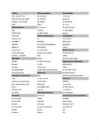
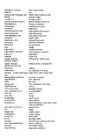
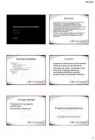
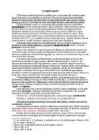
not only ... but also thus rather Similarity hence to put it more simply equally for this/that reason Expressing an alternative likewise so that alternatively similarly in that case rather correspondingly under these circumstances on the other hand in the same way Deduction the alternative is Transition to new point then another possibility would be now, in other words Contrast as far as x is concerned in that case instead with regard/reference to otherwise conversely as for ... this implies that ... on the contrary it follows that if so/not in contrast
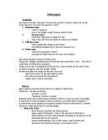
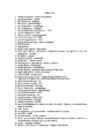
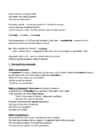
something, everything has a purpose - where a series has a completion, all the previous steps are done for the sake of that - art partly competes with and imitates nature - animals and plants do things for the sake of an end - plants grow leaves to provide shade for fruit - has roots downwards for nourishment - spiders have a web to catch flies Bacon - argues against Aristotle and his theory of syllogism (deduction) - Deduction: All men are mortal - Socrates is a man - Therefore, Socrates is mortal - deduction from self-evident axioms had led to little or no new scientific knowledge - it only leads to what we already knew or confuses us to make false assumptions - to understand nature properly an empirical method (based on observation) is needed - There are 4 idols (obstacles) to true knowledge 1. Idols of he Tribe:
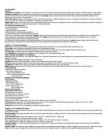
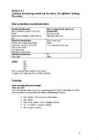
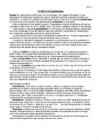
• They are followed by an infinitive without -to. The exception is ought to. You must go. I’ll help you. You ought to see a doctor. • They can be used with perfect infinitives to talk about the past. You should have told me that you can’t swim. You might have drowned. 2 When to use the Modal Verbs • Each Modal Verb has at least two meanings: I must post this letter! (= obligation) You must be tired! (= deduction, probability) Could you help me? (= request) We could go to Spain for our holidays. (= possibility) May I go home now? (= permission) Where’s Anna? – I’m not sure. She may be at work. (= possibility) • Modal Verbs express our attitudes, opinions and judgements of events. Who’s that knocking on the door? - It’s James. (This is a fact.) - It could/may/might/should/can’t/’ll be James.
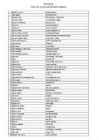
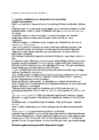
120 cycle majandusstsükkel 121 deadline tähtaeg 122 deal äritehing 123 debenture võlakiri 124 debit card deebetkaart 125 debit side deebet 126 debt võlg 127 debtor võlgnik, deebitor 128 decade aastakümme 129 deduction hinnaalandus 130 deficit puudujääk, defitsiit 131 delivery tarne 132 demand nõudlus 133 demand schedule nõudluskõver 134 department allüksus 135 departure lahkumine 136 deposit hoius 137 deposit hoius
gondelkäitur podded drive, pod propulsor Grimi ratas Grim Wheel hõõrdekaod frictional losses hüdrauliline löök waterhammer, hydraulic hammer hüdrojaam hydraulic actuator hüdrodünaamiline jõud hydrodynamic force hüdrodünaamiline koosmõju hydrodynamic interaction hüdrodünaamiline tõstejõud hydrodynamic lift imemine suction imemistegur thrust deduction factor imipind drag surface, suction surface, suction side jäiga sammuga sõukruvi fixed pitch propeller, FPP jugakäitur waterjet juhtimiskese steering center juhtlaba guide vane, straightening vane, fixed blade, guide blade, fixed vane juhtsoon guiding slot sammu muutmise pitch control rod mehhanismi juhtvarras
369. voluntary pension insurance vabatahtlik pensionikindlustus 370. pension fund pensionifond 371. insurance companies kindlustusselts 372. social counselling sotsiaalnõustamine 373. orthopedic appliances ortopeediline abivahend 374. housing services eluasemeteenused 375. domestic services koduteenused 376. social welfare institution sotsiaalhoolekandeasutus 377. subsistence benefit toimetulekutoetus 378. deduction maha arvestamine 379. subsistence level toimetulekutase 380. Social Welfare Act sotsiaalhoolekande seadus 381. non-contractual obligations lepinguvälised kohustused 382. public promise to pay tasu avalik lubamine 383. presentation of a thing asja ettenäitamine 384. benevolent intervention in another's affairs käsundita asjaajamine 385. unjustified enrichment alusetu rikastumine 386. tort law kahju õigusvastane tekitamine 387
(( total cash inflow over 5 years/ 5 years - annual depreciation)/net initial investment. After-tax flows: operating cash inflows from investment in machine 120000 PAGE 746 Deduct income tax cash outflow at 40% 48000 schedule After-tax cash flow from operations 72000 (excluding depreciation effect) Additional depreciation deduction, 70000. Income tax cash savings from additional depr. At 40% 28000 Cash flow from operation, net of income taxes 100000 Net initial investment: a) cash outflow to purchase the machine b) cash outflow for working capital c) after-tax cash inflow from current disposal of the old machine. Tax consequences of disposing of the old machine: Current disposal value of old machine 6500 Deduct current book value of old machine 40000
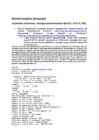
receives the score -(a+b). Gap creation and extension variables a and b are inherent to the scoring system in use (BLAST 2.0 defaults). Gap: A space introduced into an alignment to compensate for insertions and deletions in one sequence relative to another. To prevent the accumulation of too many gaps in an alignment, introduction of a gap causes the deduction of a fixed amount (the gap score) from the alignment score. Extension of the gap to encompass additional nucleotides or amino acid is also penalized in the scoring of an alignment. d. Varieerida parameetreid ükshaaval, selgitada nende mõju tulemustele: Mõju avaldas parameetrite muutmine vaid skoorile, expect ei muutunud. i. Leida skoor ja E järjestuse gi|21325986|gb|AAM47554.1| jaoks
Aga te ei mõista mida te näete" (Doyle, in Law, 2008: 195) Induktsioon ja deduktsioon Teaduslik tuletamine - Vaatluste faktid · ,,Deduction Induktsioon From premises to logical conclusion - Teooriad · Induction 1. (Tõesed) seadused ja teooriad The exstraction of laws and principles from Deduktsioon 2
We are going to visit our aunt Augusta next week. · to make predictions based on what we can see now. Just look at those clouds! It's going to rain 25 _____________________________________________________________ Future Simple (will) For facts and predictions. Production of the new model will begin in June. To predict the present; i.e. make a deduction based on normal behaviour A: This parcel has just arrived. B: That will be the book I ordered. Spontaneous decisions. A: I need to post this letter, but I am busy. B: I'll post it for you. Future continuous (will be + -ing) to describe actions which will be in progress at a time in the future. Don't worry. I'll be waiting for you at the airport. Something that is happening in the normal course of events.
Indeed, (2) children clearly owe a debt to their parents since (3) the latter took care of them when they couldn’t take care of themselves. (4) This debt could be compensated by obliging children to take care of their parents when they get old. Example 2 (1) Drones are a growing danger and (2) there should be laws to control them. Indeed, (3) drones may invade people’s privacy, (4) they can disturb public traffic and (5) there is no easy way to trace their owners. Deduction and Induction An inductive argument is an argument where the conclusion will probably, but not necessarily, follow from the premises. All swans that humans have ever seen are white. Therefore, all swans are white. (probably) A deductive argument is an argument where the conclusion necessarily follows from the premises. All swans are white These birds are swans Therefore, these birds are white (necessarily) Evaluating (deductive) arguments?
Saab teha järeldusi 1 indiviidi kohta, indiviidide vahelisi (mehed, naised), indiviidi ja ökoloogia vahelisi, indiviidi ja sotsiaalökoloogia vahelisi. Metoodika Deduktsioon teed järeldusi, et see, mis kehtib hulga inimeste puhul (mingi teooria) kehtib igaûhe puhul; oma teooria testimine, üldiselt ühele Induktsioon teed ühe inimese näitel liigselt üldiseid järeldusi, generalisatsioon; ühelt üldisele Empiirilise uurimuse etapid: observation induction - deduction -testing evaluation Arengupsühh uurimismeetodid: Vaatlus (observational study) eelisteks grupiprotsesside vaatlemine, lindistamine, filmimine, hiljem taasvaadeldav: 1. Introspektsioon, sisevaatlus Mis sa arvad? Kuidas seda kirjeldad? jne. Eeldab verbaalset suhtlust, arutelu 2. Välisvaatlus: a) Sekkumine b) Mittesekkumine kitsaskoht: tuleb juurde vaadeldavate reaktiivsus
mastered by intuition, and the derivation by logic. In the same way it is conceived in pure conceptual legal dogmatics. Also in it the form of the system is hierarchical. The difference from natural law lies really only in the fact - as Carlos Alchourrón and Eugenio Bulygin (1971 p. 51 ff.) emphasize - that the highest principles of natural law have been replaced "by the norms given by the legislator (positive law)" and legal concepts. Otherwise the idea of intuition and deduction are the same as in the Wolffian natural law. The system is complete and closed, which is also the dream of lawyers, a closed system of concepts.] [49]Õiguse autonoomsuse tees on olnud kasulik mitmes mõttes: a) uurimisobjekti rangem piiritlemine (ühiskonna muude fenomenide suhtes ning lähtuvalt normist kui kesksest entiteedist) ning sellega seonduvalt õigusteaduse kui teadusliku eridistsipliini, samuti selle metoodika
of fixed assets; interest payable to related non-residents; royalties paid to non-residents) or disallowed (e.g., contractual penalties; costs of receptions, celebrations and similar events; expenses not connected with business activity). Fees paid to non-residents in deemed tax havens A restriction on tax deductibility applies to fees paid to non-residents in deemed tax havens. Such payments, provided that they are in principle allowed for tax deduction, may only be deducted at 85 per cent of the total amount. Certain payments (for consulting, marketing, advertising services) made to non-residents located in tax havens may not be deducted at all. The list of tax havens is adopted by the Cabinet of Ministers of Ukraine. Currently, it includes, the Jersey Island, the British Virgin Islands, the Cayman Islands, the Bermuda Islands, and the Isle of Man. Interest
(4e) Ly (Kp v ¬Kp) (5, vt 2 ja 3) [(Kp ¬R) & (¬Kp ¬R)] & (Kp v ¬Kp) ¬R (LMP) (6, vt 4 ja 5) Ly ¬R (7, vt 1 ja 6) [(¬Ly ¬R ) & (Ly ¬R)] & (¬Ly v Ly) = ¬R J: Prille ei saanud varastada varas. 31_fl_vi-x (L8a) LOOMULIK TULETUSSÜSTEEM (ik system of natural deduction) Sümboleid: eeldustest saab tuletada, samasus (loogiline samaväärsus); ¬ eitus; & konjunktsioon; V disjunktsioon; implikatsioon; ekvivalents; Tuletussüsteem koosneb tuletusreeglitest ja teisendusreeglitest. Tuletusreeglid näitavad mida saab mingist väitest (oletusest) või väidetest tuletada. Nende reeglite endi põhjendamine osutub aga tõsiseks filosoofiliseks probleemiks. Nagu loogikaid nii on ka
Ratiocinative more optimistic. Poe shows the triumph of human intellect. "A Decent into the Maelström". Other tales display the power of sharp logic. Detective stories where the protagonist is called Auguste Dupin the first great detective in the world's literature. "The Murders in the Rue Morgue", "The Story of the Purloined Letter" (purloined stolen) two systems of detection. Method of deduction. Poe ignores the moral aspect of crime. Poe the poet in his poetry Poe is preoccupied not so much with meaning as with sound. He chooses his words, especially in rhymes, because of how they sound. He tries to be logical. The best subject matter should be death of the beautiful women. The essence of poetry is beauty, the best mood is sadness. The aim of his poetry is to elevate the human mind, to bring it to ecstasy. Man can perceive superior beauty
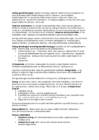
Levinumad on lausearvutusele või predikaatarvutusele tuginevad tuletussüsteemid või veel keerukamad süsteemid, nt võidakse lisada ka modaalsed väited ja modaalse loogika tuletusreeglid. Klassikalises loogikas võib tuletussüsteemi aluseks võtta kas predikaatloogika või lauseloogika. Lihtsam on lähtuda lauseloogikast ning allpool on võetud eeskujuks Copi ja Coheni õpikus (2009) esitatud loomulik tuletussüsteem (system of natural deduction). Esitatav süsteem on lauseloogika seisukohalt täielik, selle abil saab tuletada kõik lauseloogika kehtivad samasused. Loomuliku tuletuse süntaks on lausearvutuse süntaks, selle järgi formuleeritakse ka tuletusreeglid. Süllogistiliste arutluste kehtivuse tõestamiseks läheb tarvis ka predikaatloogika tuletussüsteemist pärinevaid, üldisuskvantoriga ja olemasolukvantoriga seotud reegleid, kuid selline süsteem ei ole predikaatloogika seisukohalt täielik. 9.1. LOOMULIK TULETUSSÜSTEEM
Levinumad on lausearvutusele või predikaatarvutusele tuginevad tuletussüsteemid või veel keerukamad süsteemid, nt võidakse lisada ka modaalsed väited ja modaalse loogika tuletusreeglid. Klassikalises loogikas võib tuletussüsteemi aluseks võtta kas predikaatloogika või lauseloogika. Lihtsam on lähtuda lauseloogikast ning allpool on võetud eeskujuks Copi ja Coheni õpikus (2009) esitatud loomulik tuletussüsteem (system of natural deduction). Esitatav süsteem on lauseloogika seisukohalt täielik, selle abil saab tuletada kõik lauseloogika kehtivad samasused. Loomuliku tuletuse süntaks on lausearvutuse süntaks, selle järgi formuleeritakse ka tuletusreeglid. Süllogistiliste arutluste kehtivuse tõestamiseks läheb tarvis ka predikaatloogika tuletussüsteemist pärinevaid, üldisuskvantoriga ja olemasolukvantoriga seotud reegleid, kuid selline süsteem ei ole predikaatloogika seisukohalt täielik. 9.1
deductive and inductive. Deductive solutions are those based on frequency analysis; they are the general solution for any cipher system. Inductive solutions are those based on probable words or on lucky occurrences, such as two cryptograms with the same plaintext; they are special solutions. Solutions based on frequency analysis move from a knowledge of letter frequency to an application of it to the cryptogram at hand. Reasoning that flows from the general to the specific like this is deduction. A typical syllogism in the frequency analysis of an English monoalphabetic substitution would have as its major premise, "The most frequent letter in the cryptogram is probably the substitute for e," as its minor premise, "x is the most frequent letter in the cryptogram," and as its conclusion, "x is probably the substitute for e." Since all languages have well-defined characteristics of letter frequency, this deductive pattern is known to apply to any cryptogram even before it is inspected.
 annaabi.ee