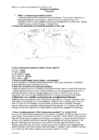
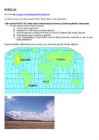
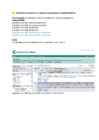
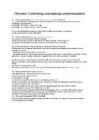
http://www.geo.ut.ee/kooligeo/loodus/rohtlad.htm Temperate Grassland Worksheet 1. Where is temperate grassland situates? Temperate grasslands are located in the mid-latitudes. There are six large areas of temperate grassland: the Pampas in South America, the Veld in Africa, the Canterbury Plains in New Zealand, the Murray-Darling Basin in Australia, the Prairies in North America and the Steppes in Central Asia. 2. Colour the distribution of temperate grassland on the map. 3. How is temperate grassland called in these regions? Eurasia - steppe Hungary - puzda North America - prarie South America - pampa
varutakse toitaineid, et varakevadel kiiresti kasvama ja õitsema hakata. 7. Milline on peamine taimekasvu periood rohtlas? Taimekasvuperiood on põhiliselt kevadel ja varasuvel, ülejäänud ajal taimed puhkavad. 8. Millised meil kasvavatest taimedest on pärit nendelt aladelt? Meil kasvavatest taimedest on sealt pärit krookused, tulbid, hüatsindid, meelespead... LOOMAD Mine lingile http://mbgnet.mobot.org/sets/taiga/) ja vali grasslands (rohtlad), vali vasakult grasslands animals 9. Leia sealsete loomanäidete hulgast need loomad ja linnud, kes elavad parasvöötme rohtlates. Kopeeri nende loomade pildid, nimed ja levikukaardid oma töölehele. Bison Black-footed Ferret Black-tailed Prairie Dog Pronghorn 10. Mis on juhtunud rohtlaaladel elanud piisonite ja antiloopidega? Although there were once millions of bison roaming the North American grasslands, wholesale slaughter by
Recreational use of Pärnu river The catchment area of Pärnu river is 6920 km2 (For example Emajõe river drainage area is 9740 km2). The output is 70m3/s, mean altitude above the sea level - 50 m, maximum altitude - 78 m, mean flow 64,4 m3/s and precipitation 700 mm. Main problems are floods, agricultural pollution, pollution from the local communities, drainage system and flood plain grasslands. There is an excessive flooding in spring. The most known is the Soomaa swamplands flooding in april. It is called to be the fifth season. A lot of rich soil are situated near the pärnu river, for example some of the biggest farmlands are situated in the Järva county. 83% of phosphorus and 79% of nitrogen originates from human activities of the total discharge of biogenes from Pärnu River basin. The soil does not bind a huge amount of the nutrients.
European Environmental Databases 2018 1. According to Corine Land Cover, has the total area of natural grasslands increased or decreased in Estonia between 1990 and 2006? By how many hectares? According to CLC the total area of natural grassland in Estonia has increased by 39 779ha. 2. And in Europe? In Europe it has also increased, by 19 007 228ha. 3. What about "Broad-leaved forest" (Corine Land Cover code 311) in Estonia? Increased or decreased? By how many hectares? Broad-leaved forests have increased by 43 8834ha. 4. What was the water exploitation index for Emajõgi sub-basin in the summer of 2012
their leaves bind the major nutrient bases. The autumn leaf fall provides for an abundant and rich humus which begins to decay rapidly in spring just as the growing season begins. The humus content gives soil horizons a brown colour. Temperate rainforest: This forest has nutrient-rich soil because there is a lot of dead organic matter on the ground. This dead material is being slowly digested by the fungi, insects, and bacteria that live here. Temperate Grasslands: Calcification is the dominant soil-forming process in semiarid regions. When this process works on a loess that itself is rich in calcium, the world's most fertile soils are created, the chernozems (A Russian term meaning black soil). Taiga: The low temperatures inhibit bacterial and fungal action, so the decomposition rate is low and the leaf litter relatively deep.The soil in the taiga is thin, acidic and not very nutrient rich. It also is rocky. 6. What is permafrost
shaped marks around the eyes. In fact, the name "cheetah" has its origins in the Hindu word "chita", meaning "the spotted one." The cheetah eats gazelles, young antelope, young calves, warthogs, hares, and game birds. They typically stalk their prey until they are only 30 to 90 feet away. They then burst into a chase that lasts about 20 seconds. The cheetah successfully catches its prey in about half of the chases. Cheetahs prefer grasslands where they have plenty of room to chase and capture their prey. They once roamed in most of the open area of Africa, in the grasslands of India, southern Russia, Iran, and Pakistan. Today, however, most cheetahs are found natively only in eastern and southern Africa. In fact, almost all are raised on commercial farms. Of all the big cats, cheetahs have the least strength. As a result, cheetah cubs are killed by larger predators like the lion and hyena. Up to 80% of the cubs are killed by lions
goverment, which established a comprehensive Welfare state and a protectionist economy. Flora and fauna . · New Zealand has extraordinary flora and fauna. · About 80% of the New Zealand flora occurs only in New Zealand. · Until the arrival of humans, 80% of the land was forested. The two main types of forest are those dominated by podocarps including the giant kauri, and in cooler climates the southern beech. · The remaining vegetation types in New Zealand are grasslands of tussock and other grasses, usually in sub-alpine areas, and the low shrublands between grasslands and forests. · Unique birds capable of flight include the Haast´s eagle, which was the world's largest bird of prey (now extinct), and the large kaka and kea parrots. · Reptiles present in New Zealand include skinks, geckos and tuatara. · There are four endemic species of primitive frogs. · There are no snakes and there is only one
Haanja Nature Park Where? When? Located: Võru County, in the Haanja Uplands Area:About 20 000 ha History: 1957- Suur-Munamägi, Vällamägi protection 1997 Haanja landscape reserve was created What are habitats there? Farmhouses are spread far apart Plains of glacial river Plains of glacial lake Small plots of land Poor arable land Morainplains Grasslands Pastures Inhabitants Braun's holly fern Yellow hydrangea Lady's-slipper orchid Hairy Maarja-leaf Animals · Roe · Badger · Boar · Beaver · Fox · Mink · Gray rabbit · Otter · Moose · Shrew · Red deer · Lynx
elephant, as much as 660 pounds¹ in a single day. They communicate by touch, sight, and sound; elephants use infrasound, and seismic communication over long distances. I choosed that animal becose I love this animal and it's so big and strong. MORE INTERESTING ABOUT THIS ANIMAL : Because of their large size, elephants have a huge impact on their environments and are considered keystone species. Their habit of uprooting trees and undergrowth can transform savannah into grasslands; when they dig for water during drought, they create waterholes that can be used by other animals.
Kitsamad märksõnad: aquatic ecosystems oceans arid zones peatlands coastal plains prairies coral reefs rainforests deserts taiga & tundra forests terrestrial ecosystems grasslands wetlands f) 202 tk SU.EXACT("Rainforests") Date: From 2009 to 2009; Document type: Article 2. Otsing andmebaasist Science Direct a) 133 b) "electrochemical dna sensors" Journal/book title : Biosensors and Bioelectronics c) 75 d) "electrochemical dna sensors" and "dna hybridization" 3
v Bird protection in Estonia v Bird habitats of Estonia v Examples of Estonian birds • Grasshopper Warbler • Brambling • Common Kingfisher Bird protection in Estonia: v The first bird sanctuary Vaika, 1910 v The first Nature Conservation Act in Estonia, 1935 v Estonian Red Data Book v Protection nowadays v Bird habitats of Estonia: v Estonian climate v More than 1400 lakes v Estonian rivers v Estonian islands v Forests v Natural or seminatural grasslands Grasshopper Warbler (võsa- ritsiklind): v Breeder, transit migrant v Medium-sized v Insectivorous v Colour: adult – brown back, gray underparts v Consevation status – least concern v Eggs and nest v The song Brambling (põhjavint): v Breeder, transit migrant v Medium-sized v Mostly eats seeds, feeds youngsters with insects v Colourful v Consevation status – least concern v Eggs and nest v v Common Kingfisher (jäälind) : v Breeder, winterer v Sparrow-sized
2.2.1 a) Jim Brown heads a management consulting firm, Tech-Clarity Inc. in Media, Pa. b) Valisin advanced search. Sealt sisestasin otsiprofiili "Tools for all jobs" in Document title. Tegin linnukese full texti ette, autoriks kirjutasin "Jim Brown". Dokumendi tüübiks valisin Article. 2.2.2 a) · laiemad märksõnad: environment · kitsamad märksõnad: aquatic ecosystems, arid zones, coastal plains, coral reefs, deserts, forests, grasslands, oceans, prairies, rainforests, taiga&tundra, terrestrial ecosystems, wetlands b) 1363 artiklit; kõige vanema artikli autor on: Plotkin, Mark J 2.3. Otsing andmebaasist Science Direct. e) Sain 296 artiklit f) Sain 4 artiklit g) 4 articles found for: KEYWORDS(Semiconductors) and KEYWORDS(solar cells) AND LIMIT-TO(cids, "271603","Thin Solid Films") AND LIMIT-TO(yearnav, "2012") 2.4. Otsing andmebaasist EBSCOhostWeb.
}) WN AU)) 2.2.1 a) Jim Brown heads a management consulting firm, Tech-Clarity Inc. in Media, Pa. b) Otsistrateegia : Kõige pealt kirjutasin otsingulahtrisse Tools for all jobs seejärel panin Advanced Search ja sealt kirjutasin teise otsingukasti Jim Brown ja panin in Autors- AU , kahe otsingufraasi vahel oli AND 2.2.2 a) o laiemad märksõnad: environment o kitsamad märksõnad: aquatic ecosystems, arid zones, coastal plains, coral reefs, deserts, forests, grasslands, oceans, prairies, rainforests, taiga&tundra, terrestrial ecosystems, wetlands b) 1363 artiklit; kõige vanema artikli autor on Plotkin, Mark J 2.3 e) 38,091 articles found for: ALL(Semiconductors in solar cells)[Journals(Chemical Engineering,Chemistry,Materials Science)] f) 216 articles found for: ALL(Semiconductors in solar cells) AND LIMIT-TO(cids, "271603","Thin Solid Films") AND LIMIT-TO(yearnav, "2012") 2.4. Otsing andmebaasist EBSCOhostWeb. 2.4
esimese artikli, otsisin tekstist kirjeid autori kohta kasutades ctrl+F otsifunktsiooni. 2.2. Ava andmebaasi ProQuest tesaurus: Advanced Search/Thesaurus. a) esita kitsamad ja laiemad märksõnad, mida võib kasutada ökosüsteemide (ecosystems) kohta kirjanduse leidmisel. - laiemad (broader) märksõnad: Environment - kitsamad (narrower) märksõnad: Aquatic ecosystems, arid zones, coastal plains, coral reefs, deserts, forests, grasslands, oceans, prairies, rainforests, taiga & tundra, terrestrial ecosystems, wetlands b) vali kitsamatest märksõnadest Rainforests, kliki ADD to Search, märksõna ilmub Avanced Search otsiaknasse, piira otsingut Full text only ja Scholary journals (tee kastikesse linnuke) ja soorita otsing. Mitu täistekstartiklit leidsid? 1064 Kasutades otsivõimalust "Sort results by" leia kõige vanema artikli autorid ? Mark Plotkin 2.3.
Natural Zones and Flora. There are five distinguishable natural zones in Australia. In the very east there are wet forests (1.) that occupy the space between the Great Dividing Range and the eastern coast. Westward from the Great Dividing Range the wet forests give place to beautiful grasslands with some trees . These grasslands are called the savannas (2.). Farther west the trees disappear and the bushlands (3.) begin. The real desert (4.) occupies the centre of the Western Plateau. In the very southwest there are thin forests of evergreen trees (5.). Most of Australian trees are kinds of eucalyptus trees (or gum trees to Australians) and acacia ( wattle to Australians). Eucalyptus trees are found everywhere in Australia. There are many kinds of them and they greatly differ in size. One kind, the
in Media, Pa. he also serves as the product lifecycle management specialist for the PLM Evaluation Center at Technology Evaluation Centers in Montreal. b) kasutasin Advanced Search’i, sisestasin autoriväljale nime Jim Brown ning kasutasin märksõnadena tools ja jobs ning märkisin full text välja. Sain esimese hitina vajaliku artikli. 2.2.2 a) Laiad märksõnad: ecosystems, environment Kitsamad märksõnad: coral reefs, aquatic ecosystems, costal plains, arid zones, deserts, forests, grasslands, oceans, prairies, rainforests, taiga and tundra, terrestrial ecosystems, wetlands. b) Plotkin, Mark J. 2.3 Solar Energy Materials and Solar Cells (52), Thin Solid Films (50), (Journal of Non- Crystalline Solids (31), Synthetic Metals (18), Organic Electronics (10), Materials Science in Semiconductor Processing (2) Teemades: solar cell (79), thin film (21), organic solar (9), zno (9), cds (6) 2.4 Peamised märksõnad: carcinogens, groundwater, pollution; 847 hitti.
b) Kirjelda otsistrateegiat: otsiprofiil: au(Jim Browni) AND (Tools for all jobs) 2.2.2. Ava andmebaasi ProQuest tesaurus: Advanced Search/Thesaurus a) esita kitsamad ja laiemad märksõnad, mida võib kasutada ökosüsteemide (ecosystems) kohta kirjanduse leidmisel. - laiemad (broader) märksõnad: environment - kitsamad (narrower) märksõnad: aquatic ecosystems; arid zones; coastal plains; coral reefs; forests; grasslands; oceans; prairies; rainforests; taiga&tundra; terrestrial ecosystems; wetlands b) vali kitsamatest märksõnadest Rainforests, kliki ADD to Search, märksõna ilmub Avanced Search otsiaknasse, piira otsingut Full text only ja Scholary journals (tee kastikesse linnuke) ja soorita otsing. Mitu täistekstartiklit leidsid - 1187 Kasutades otsivõimalust "Sort results by" leia kõige vanema artikli autorid Plotkin ja Mark J 2.3. Otsing andmebaasist Science Direct.
The taiga is located near the top of the world, just below the tundra biome. The winters in the taiga are very cold with only snowfall. The summers are warm, rainy, and humid. Some of the animals in the taiga hibernate in the winter, some fly south if they can, while some just cooperate with the environment. GrasslandsGrassland biomes can be found in the middle latitudes. They can have either moist continental climates or dry subtropical climates. There are two different types of grasslands; tall-grass, which are humid and very wet, and short-grass, which are dry, with hotter summers and colder winters than the tall-grass prairie. In the winter, grassland temperatures can be as low as -40° F, and in the summer it can be as high 70° F. There are two real seasons: a growing season and a dormant season. Deciduos forest The average annual temperature in a deciduous forest is 50° F. The average rainfall is 30 to 60 inches a year. In deciduous forests there are five different zones
vastet, kuid ükski neist ei sobinud. Seejärel sisestasin sõna firm ning leidsin ühe vaste, mis vastas otsitule. 2.2.2. Ava andmebaasi ProQuest tesaurus: Advanced Search/Thesaurus. a) esita kitsamad ja laiemad märksõnad, mida võib kasutada ökosüsteemide (ecosystems) kohta kirjanduse leidmisel. - laiemad (broader) märksõnad: environment - kitsamad (narrower) märksõnad: aquatic ecosystems, arid zones, coastal palins, deserts, coral reefs, grasslands, forests, prairies, oceans, rainforests, taiga, tundra, wetlands, terrestrial ecosystems b) vali kitsamatest märksõnadest Rainforests, kliki ADD to Search, märksõna ilmub Avanced Search otsiaknasse, piira otsingut Full text only ja Scholary journals (tee kastikesse linnuke) ja soorita otsing. Mitu täistekstartiklit leidsid? Leidsin 1187 artiklit. Kasutades otsivõimalust "Sort results by" leia kõige vanema artikli autorid. Leidsin ainult ühe autori Mark J Plotkin
............................................................46 KASUTATUD KIRJANDUS.................................................................................................47 LISAD Lisa 1. ENSV Ministrite Nõukogu määrus 6. aprillist 1959. a. nr. 119 Lisa 2. Riikliku botaanilise keeluala "Halliste puisniit" kaart (1959) Lisa 3. Taimkatte uuringualade paiknemine Lisa 4. Truus, L., Puusild, E. 2008. Species richness, biomass production and recent vegetation changes of Estonian floodplain grasslands. Käsikiri 2 1. SISSEJUHATUS 1.1. Pool-looduslike koosluste mõiste ja väärtus Traditsiooniliselt majandatavate rohumaade kohta on kasutusel kolm enam-vähem võrdse mahuga mõistet. Põllumajanduses ja maakatastri kõlvikuna on levinud väljend ,,looduslikud rohumaad". See tähistab nende alade looduslähedust võrreldes kultuurrohumaadega.
· Jamaica is divided into 14 parishes, which are grouped into three historic counties that have no administrative relevance. · Jamaica's climate is tropical, supporting diverse ecosystems with a wealth of plants and animals. · Areas of heavy rainfall contain stands of bamboo, ferns, ebony, mahogany, and rosewood. · Cactus and similar dry-area plants are found along the south and southwest coastal area. Parts of the west and southwest consist of large grasslands, with scattered stands of trees. The Jamaican animal life- typical of the Caribbean, includes a highly diversified bird life. Parrots, hummingbirds,cuckoos, and green todies provide examples. Other birds are abundant. The wild hog is one of the few native mammals in Jamaica, but there are many reptiles and lizards, including the Rastafarianism A religion with deep political convictions, Rastafarianism began in the slums of Jamaica in the 1920s and 30s.
Õppisin tundma erinevaid niitude tüüpe. Tean nüüd kuidas niitusid kasutatakse ja kuidas neid tuleks kaitsta. Näiteks niitudele on hea kui seal karjatatakse loomi, vältimaks nende kinnikasvamist. Niitudel elab palju ohustatud liike ja me peaks neid kõiki kaitsma, mitte suhtuma loodusesse ükskõikselt. 9 9. Kasutatud kirjandus http://bio.edu.ee/taimed/general/niitp.htm http://eelis.ic.envir.ee:8080/ecological/grasslands http://www.miksike.ee/docs/referaadid2005/niitude_kaitse_evelin.htm http://images.google.ee/images?q=niidud&ie=UTF8&hl=et&um=1&sa=N&tab=wi 10
Some of the plants that can survive are lichens and mosses. Typical animals are musk oxen, elks, moose, lemmings, wolves and foxes. The taiga biome, also known as coniferous forests is located south of the Tundra region. They are major source of oxygen. The climate is cold and harsh. The soil is acidic so only deciduous trees can grow there: like hemlocks, pines, larches, spruces and firs. Typical animals are brown bears, foxes, geese, lynxes and moose. Prairies are temperate grasslands. The consist of plains of grass that are hot in summer and cold in the winter. They are made by fires. The soil is rich so prairies are used for agriculture. Some animals that live there are: bobcats, antelopes, snakes, rodents, rabbits, badgers and bisons. Deciduous forests are cool, rainy areas. There are four distinct seasons. Well before coming of the first European settlers, Canada's aboriginal peoples had discovered the food properties of maple sap, which they
processes including altering the fire regime, increasing grazing pressure, competing with native vegetation and occupying previously vacant ecological niches. Climate change There exists the possibility that human induced climate change in the form of the greenhouse effect may result in an alteration of the structure and function of savannas. Some authors have suggested that savannas and grasslands may become even more susceptible to woody plant encroachment as a result of greenhouse induced climate change. A recent case described involved a savanna increasing its range at the expense of forest in response to climate variation, and potential exists for similar rapid, dramatic shifts in vegetation distribution as a result of global climate change, particularly at ecotones such as savannas so often represent.
wombats and koalas. They carry their babies in pouches. There were platypuses and spiny anteaters, too the only mammals in the world that lay eggs. Among the strange birds were emus, lyrebirds, and black swans. The early settlers on the coast were suht in between the mountains and the sea. For years they couldn't make their way across the mountains. When they did, they found great streches of grassland. Some of the early settlers had been sheepmen in Britain. They saw that the grasslands would be a wonderful place for raising sheep. They knew that wool stands shipping well. They knew, too, that it is worth enough to pay for shipping it long distances. Many started sheep farms. Before long Australia became the greatest wool-producing country in the world. In some cases cattle were raised on the grassland instead of sheep. But beef and butter are not as easy to ship as wool. The Gold Rush
Australia is the smallest continent in the world It is often called the island continent because is too big for an island but rather small for a continent. Australia is 1,800 miles from the mainland of Asia and almost half way round the world from Europe. More than 6,000 miles of ocean separate in from the America. Australia is the only continent except for Antarctica that lies all south of the equator. The natural zones of Australia are very various. There are deserts, semi deserts, grasslands, savannas, bushlands and rainforests. The wet forests occupy the narrow region in the east. Most of the animals, birds and insects live in that region, because there is enough food. The savannas which are grasslands with some trees are mostly in the west. Farther west are the bushlands. The real deserts occupy the centre of the Western Plateau. In the very south west there are thin forests of evergreens trees.
biome, also known as coniferous forests is located south of the Tundra region. Taigas are the largest biomes on Earth and they are a major source of oxygen. The climate is cold and harsh with low precipitation and a short growing season. The soil is acidic and only deciduous trees can grow there like hemlocks, pines, larches, spruces and firs. Some typical animals are brown bears, foxes, geese, lynxes and moose. Prairies are temperate grasslands which consist of grass plains that are hot in summer and cold in winter. Prairies are made by fires. The soil is rich and precipitation is medium and because of that prairies are used for agriculture. Common agriculture plants are oats, rye, barley and wheat. The area has very few trees or shrubs so it's very windy. Some typical animals that live there are: bobcats, antelopes, snakes, rodents, rabbits, badgers and bison. Prairies are also called the "Breadbasket of Canada"
The Taiga biome, also known as coniferous forests is located south of the Tundra region. Taigas are the largest biomes on Earth and they are a major source of oxygen. The climate is cold and harsh with low precipitation and a short growing season. The soil is acidic and only deciduous trees can grow there like hemlocks, pines, larches, spruces and firs. Some typical animals are brown bears, foxes, geese, lynxes and moose. Prairies are temperate grasslands which consist of grass plains that are hot in summer and cold in winter. Prairies are made by fires. The soil is rich and precipitation is medium and because of that prairies are used for agriculture. Common agriculture plants are oats, rye, barley and wheat. The area has very few trees or shrubs so it's very windy. Some typical animals that live there are: bobcats, antelopes, snakes, rodents, rabbits, badgers and bisons. Prairies are also called the "Bread-basket of Canada".
Darlinggives water for irrigation. Most of the lakes alsi have water after it rains only. Lake Eyre, the biggest, is one of the many salt lakes in Central Australia. Australia has much underground water. The Great Artesian Basin under the central Lowlands makes cattlebreeding possible thee. The network of artesian wells provides cattle with water. Natural zones The wet forests also called the rainforests occupy the narrow coastal region in the east. In the west they give place to grasslands with some trees called savannas. Farther west the trees disappear and the savannas give place to the bushlands. The real desert occupies the centre of the Western Plateau. In the very southwest there are thin forests of evergreen trees. Plants A rich variety of plant can be found in the natural landscapes of Australia. A lot of species can be found in wet tropical forests in the north and in temperate rainforests in the south.
including walrus and seals. Caribous spend summers in the tundra but migrate into the conifer forest for winter. The moose ranges throughout the northern United States. In the eastern forests live elks, black bears, deer, foxes, raccoons, skunks and squirrels. Along the coast of the Gulf of Mexico live large and more colourful birds such as pelicans and flamingos. Alligators can also be found there. Bison (buffalo) are popularly associated with the grasslands, although they once ranged over most of eastern North America before becoming nearly extinct because of hunting. Now they exist only in protected areas. In the western areas live elk, deer, bighorn sheep, mountain goats and a small number of brown bears. The Kodiak bear, the largest carnivore in North America, is found in Alaska. 7 History The first people to live in North America came from Asia between 10,000 and 30,000 years ago
Natural zones: Although most of Australia is barren and arid or covered with deserts, there are five distinguishable natural zones in Australia. The winds from the oceans bring rains to the western and eastern coast of Australia. So, the rainforests occupy the space between the Great Dividing Range and the eastern coast and also the northern coast. In the west they give place to beautiful grasslands with some trees called the savannas. Further west the trees disappear and the savannas are replaced by the bush lands. The real desert occupies the centre of the Western Plateau and in the very south- west there are thin forests of evergreen trees. Most of the Austrian trees are various kinds of eucalyptus and acacia. Some eucalyptuses are small bushes in the semi deserts, some are the main trees in the savannas, but the biggest eucalyptuses grow as tall as hundred metres
They can jump more than 4 meters and achieve 70 km/h. Kangaroos eat grass and leaves. The koala is one of the best-loved Australian animals. It is a small marsupial that lives in eucalyptus trees and it can sleep for 18 hours straight. The aborigines named it "the animal that does not drink", but it eats leaves and bark. The wombat is a small animal that has short, but strong legs and claws, which it uses for digging burrows. It lives on Tasmania, but also in burrows in grasslands of Australia. They do not see well, but they can hear and smell very well. The platypus is a strange-looking marsupial that lays eggs. It has a strong flat tail what it uses to swim. It gets its food mainly from rivers and they live in the rivers of East Australia. The possum is most probably the strangest animal in Australia. It is an egg-laying mammal who feeds its babies with milk. It can climb well and therefore lives in trees. They live in groups and they come out to
The seas and oceans that wash the coasts of Australia are warm. The Coral Sea is the warmest that is why many corals live in the seas. The skeletons of these tiny organisms have formed a great belt of coral- called the Great Barrier Reef. Its is 2000 km long and 2-150 km wide. There are five distinguishable natural zones in Australia. In the very east there are wet forests that occupy the space between the Great Dividing Range and the eastern coast. The wet forests give place to beautiful grasslands with some trees called the savannas. Farther west the trees disappear and the bushlands begin. The real desert occupies the centre of the Western Plateau. In the very southwest there are thin forests of evergreen trees. Most of Australian trees are kinds of eucalyptus (or gum tree to Australians) and acacia (wattle of Australians). Eucalyptuses give the people timber and eucalyptus oil. Of 600 kinds of acacias the golden wattle, the national flower of Australia, is the best known.
This brought along the Great Gold Rush. Thousands of people went to the new land to find fortune. Forty years later again gold was discovered. This time in the west. The gold miners of the east had a hard time. Water was very scarce and the roads were bad. But then a railway was built. The west was joined with the east. In 1903 a water-main was built to support the gold-mining centre with water. Some of the early settlers had been sheepmen in Britain. They saw that the grasslands would be a wonderful place for raising sheep. Hey knew that wool stands shipping well, so many started sheep farms. In some cases cattle were raised on the grassland instead of sheep. Many of the people who came to Australia to find gold stayed on to do other kinds of work. They found that Australia has other riches too, such as coal, copper, lead, iron ore, nickel, natural gas etc. The forests have good timber. Along seashores pearls and tortoise shells can be gathered
such as communities of plants, animals, and soil organisms,[1] and are often referred to as ecosystems. A fundamental classification of biomes is: 1. Terrestrial (land) biomes 2. Aquatic biomes (including Freshwater biomes and Marine biomes) Biomes are often known in English by local names. For example, a temperate grassland or shrubland biome is known commonly as steppe in central Asia, prairie inNorth America, and pampas in South America. Tropical grasslands are known assavanna in Australia, whereas in Southern Africa it is known as veldt (fromAfrikaans). 9. Mis on ökotüüp? Ökotüüp e ökoloogiline rass sarnaselt kohastunud organismid ühe liigi piires (nt lillakas turbasammal). Võib kajastuda süstemaatikas (nt alamliikide eristamine). Ökotüübid: Kohastumused on üksteisega seotud (organism on funktsionaalne tervik). Kohastumine on seetõttu evolutsiooniline kompromiss. Adaptatiivne kompleks tunnuste
Most of the lakes also have water only after the rains. Lake Eyre, the biggest, is one of the many salt lakes in Central Australia. Australia has much underground water. The Great Artesian Basin under the Central Lowlands makes cattle-breeding possible there. The network of artesian wells provides cattle with water. Natural zones. The wet forests occupy the narrow coastal region in the east. In the west they give place to grasslands with some trees called savannas. Farther west the trees disappear and the savannas give place to the bushlands. The real desert occupies the centre of the Western Plateau. In the very south-west there are thin forests of evergreen trees. Most of the Australian trees are various kinds of eucalyptus (gum tree) and acacia (wattle). Some eucalyptuses are small bushes in the semideserts, some are the main trees in the savannas but the biggest grow as tall as 100 metres and form forests
cropland can release CO2 as a result of burning the biomass. After a rapid GHG release from an initial fire to burn the original biomass, there will still be a long prolonged period, when GHG is released, as coarse roots and root branches decay. It has been estimated that clearing land would release between 17-420 times more CO 2 than the annual GHG emissions the biofuels would save by replacing fossil fuels (Farigone, 2008). Another study has concluded that converting forests and grasslands to new croplands can double the GHG emissions for 30 years (Searchinger, T. 2008). Despite the real threat to deforestation, some studies suggest that biofuels can be successfully grown on marginal lands, such as abandoned agricultural soils, saline soils and reclaimed mining areas (Reijnders, 2008). However, it is highly that biofuels demand can be satisfied only with crops grown on marginal lands. Also, currently, the legislation does not incentivise such approach.
 annaabi.ee