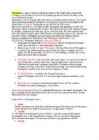
.. ANDRUS: Ei jõua! ÕPETAJA: Keep smiling! ...nägema, näitama, laimama, müüma, tagasi tõmbuma, magama. Second rida: osa võtma, võistlema, vigastama... GUIDO: Vissi! ÕPETAJA: Keep silence! ...kukkuma, roomama, verd jooksma, taluma... GUIDO: Mina ei saa mitte midagi aru... TOOMAS: Taluma – see on sama mis elama. ÕPETAJA: Stop talking! ...murduma, kaotama, põgenema... TOOMAS: Aa! Kas see põgenema peab olema flee-fled-fled või fly-flew-flown? ÕPETAJA: Seitsmendas klassis on fly-flew-flown ainult lendama! Speedily, speedily,muidu ei jõua! GUIDO: Vissi! ANDRUS: Ma ei jõua endagi oma! GUIDO: Saad kolaka! ANDRUS: Mul on juba üks neli! GUIDO: Sõber! ANDRUS: Guits! GUIDO: Ise tead! ÕPETAJA: Stop talking! Igaüks vaatab ainult oma row ja oma paper! ... Keep smiling! Keep silence. Koolikell. ÕPETAJA: Kes jõudis, saab five! Kes ei jõudnud, saab one! Toomas toob tööd õpetajate cabinet! (Lahkub.)
.. ANDRUS: Ei jõua! ÕPETAJA: Keep smiling! ...nägema, näitama, laimama, müüma, tagasi tõmbuma, magama. Second rida: osa võtma, võistlema, vigastama... GUIDO: Vissi! ÕPETAJA: Keep silence! ...kukkuma, roomama, verd jooksma, taluma... GUIDO: Mina ei saa mitte midagi aru... TOOMAS: Taluma see on sama mis elama. ÕPETAJA: Stop talking! ...murduma, kaotama, põgenema... TOOMAS: Aa! Kas see põgenema peab olema flee-fled-fled või fly-flew-flown? ÕPETAJA: Seitsmendas klassis on fly-flew-flown ainult lendama! Speedily, speedily,muidu ei jõua! GUIDO: Vissi! ANDRUS: Ma ei jõua endagi oma! GUIDO: Saad kolaka! ANDRUS: Mul on juba üks neli! GUIDO: Sõber! ANDRUS: Guits! GUIDO: Ise tead! ÕPETAJA: Stop talking! Igaüks vaatab ainult oma row ja oma paper! ... Keep smiling! Keep silence. Koolikell. ÕPETAJA: Kes jõudis, saab five! Kes ei jõudnud, saab one! Toomas toob tööd õpetajate cabinet! (Lahkub.) ANDRUS (annab lehe): See on Guitsi oma! TOOMAS: Aga sa ise? ANDRUS: Ma ei jõudnud
Test unit 14 b 6 klass vastused 1. ül. Immigrant, teenager, rap, producer, record. 2.ül. sell,sold,sold,müüma fly,flew,flown,lendama win,won,won,võitma sing,song,sung,laulma drive,drove,driven,sõitma 3.ül. in at at trought for about by 4.ül. were is has was are am have is 5.ül Have you ever met a celebrity ? Has he ever eaten Japanese food ? Has your sister driven a car ? Has your mother played the piano ? Have you ever seen a beaver ? 6.ül. Leonardo Wilhelm DiCaprio was born in 11. November 1974 in Hollywood, California, USA. Leo's mother is German American and father Italian American.Leo is 1
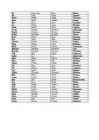
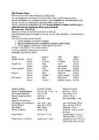
Choose Chose Chosen Valima Ring Rung Rung Helisema Steal Stole Stolen Varastama Mistake Mistake Mistaken Viga Become became become Muutuma Fall fell Fallen Kukkuma Light Lit Lit valgustama Blow Blew Blown Puhuma Run Ran Run Jooksma Stand Stood Stood Seisma Lie Lay Lain Asetsema Fly flewn flown Lendama Lay Laid Laid Panema Think Thought Thought Mõtlema Rise Rose Risen Tõusma Come Came Come Tulema Bite Bit Bitten Hammustama Aet Ate Eaten Sööma Ride Rode Ridden Sõitma Sell Sold Sold Müüma Shake shook shaken Raputama Throw Threw throwen Viskama Find Found Found Leidma Drive Drove Driven Juhtima
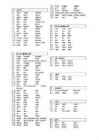
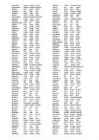
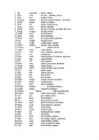
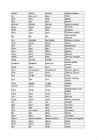
be was / were been become became become begin beganbegun bring brought brought buy bought bought choose chose chosen come came come do did done drink drank drunk drive drove driven eat ate eaten fall fell fallen feel felt felt find found found fly flew flown forget forgot forgotten get got got (gotten in USA) give gave given go went gone have had had hear heard heard keep kept kept know knew known leave left left lend lent lent let let let lose lost lost make made made meet met met pay paid paid put put put read read (pronounced /red/) read (pronounced /red/) run ran run say said said see saw seen sell sold sold send sent sent sing sang sung
2) I have PE lesson twice a week. 3) Mirjam came first in the 100-metre race. 4) Who coaches your school football team? 5) I think you should change your eating habits. 6) If you eat too much fat and sugar, it has bad influence on your health. 4. do / doing 1)jogging 2)cycling 3)working/digging 4)reading 5)to play 6)to leave 7)laughing 8)walking 5. questions 1. Where were the first Olympic Games held? 2. When was the Olympic flag first flown? 3. What are the winners awarded after each Olympic event? 4. How many topp athletes were tested for drugs durning the Beijing games? 5. Why was Jake injured durning the last football match?
If I were a bird, I would fly away. If she hadn´t a husband, she could marry me. 3. tüüp ebareaalne tingimus minevikus Tingimus (if) Tulemus Verb enneminevikus (had done) Would/should+have+ Past Participle Could/might+have+ Past Participle If she had phoned me, you should have answered the phone. If I had been a bird, I would have flown away. If she hadn´t had a husband, she could have married me.
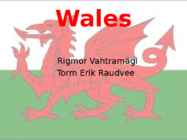
The Brecon Beacons National Park is a place of rivers and mountains with all sorts of outdoor activities. Saint David’s Day March 1st is the date given for Dewi Saint ([St. David in welsh), and is celebrated as a religious festival. St David’s day is now celebrated by Welsh people all over the world. The celebration usually includes singing and eating. Traditional songs are sung. The Red Dragon, is flown as a flag or worn as a pin or pendant. Leeks or daffodils are worn. Boys usually wear leeks or daffodils, the younger girls usually wear their Welsh costumes to school.
Australian symbols National symbols of Australia are the symbols that are used to represent what is unique about the nation, reflecting different aspects of its cultural life and history. FLAG- It was first flown in Melbourne on 3 September 1901. This date has been proclaimed as Australian National Flag Day. COAT OF ARMS- The Coat of Arms is the formal symbol of Australia and its ownership and authority. ANTHEM- Created by the Scottish-born composer Peter Dodds McCormick, the song was first performed in 1878, and was sung in Australia as a patriotic song. It did not gain its status as the official anthem until 1984, following a plebiscite to choose the national anthem in 1977.
Dig dug dug Slide slid slid Do did done Speak spoke spoken Dream dream dreamt Spend spent spent Drive drove driven Stand stood stood Eat ate eaten Steal stole stolen Fall fell fallen Stick stuck stukk Feed fed fed Strike struck struck Feel felt felt Swear swore sworn Fight fought fought Swing swung swung Find found found Take took tsken Fly flew flown Tear tore torn Foresee soresaw foreseen tell told told Foretell foretold foretold Think thought thought Forget forgot forgotten Throw threw thrown Forgive forgave forgiven Upset upset upset Get got got Wear wore worn Give gave given Win won won Go went gone Write wrote written Hang hung hung Have/has had Hear heard heard Hit hit hit Hold held held Hurt hurt hurt Know knew known Lay laid laid Lead led led
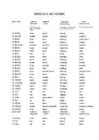
drive drove driven drink drank drunk eat ate eaten fall fell fallen feed fed fed feel felt felt fight fought fought find found found fit fit fit flee fled fled fling flung flung fly flew flown forbid forbade forbidden forget forgot forgotten forego (forgo) forewent foregone forgive forgave forgiven forsake forsook forsaken freeze froze frozen get got gotten give gave given go went gone grind ground ground
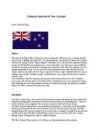
The stars of the Southern Cross emphasise the country's location in the South Pacific Ocean. The New Zealand Flag features, on a royal blue background, a Union Jack in the first quarter and four five-pointed red stars of the Southern Cross on the other part of the flag. The New Zealand Flag is the national symbol of this country and accordingly it should be honoured and treated with respect. The New Zealand Flag may be flown on any day of the year, usually during normal working hours, and in a variety of places. The New Zealand Flag should never be flown in a bad and unrespectful condition. New Zealand's Coat of Arms History of the New Zealand Coat of Arms Until 1911, New Zealand used the same national coat of arms as the United Kingdom. When New Zealand became a Dominion in 1907, it was decided that a new Coat of Arms was required. The competition was hold in 1908 and 75 designs sent their version
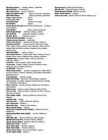
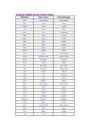
Tegema DO/DID/DONE tähendama MEAN/MEANT/MEANT Joonistama DRAW/DREW/DRAWN kohtama MEET/MET/MET Jooma DRINK/DRANK/DRUNK maksma PAY/PAID/PAID Sõitma DRIVE/DROVE/DRIVEN panema PUT/PUT/PUT Sööma EAT/ATE/EATEN lugema READ/READ/READ Kukkuma FALL/FELL/FALLEN sõitma RIDE/RODE/RIDDEN Toitma FEED/FED/FED helisema RING/RANG/RUNG Tundma FEEL/FELT/FELT tõusma RISE/ROSE/RISEN Kaklema FIGHT/FOUGHT/FOUGHT jooksma RUN/RAN/RUN Leidma FIND/FOUND/FOUND ütlema SAY/SAID/SAID Lendama FLY/FLEW/FLOWN nägema SEE/SAW/SEEN Unustama FORGET/FORGOT/FORGOTTEN müüma SELL/SOLD/SOLD Külmuma FREEZE/FROZE/FROZEN saatma SEND/SENT/SENT Saama GET/GOT/GOT panema SET/SET/SET Andma GIVE/GAVE/GIVEN raputama SHAKE/SHOOK/SHAKEN Minema GO/WENT/GONE paistab SHINE/SHONE/SHONE Kasvama GROW/GREW//GROWN laskma SHOOT/SHOT/SHOT Rippuma HANG/HUNG/HUNG näitama SHOW/SHOWED/SHOWN Saama HAVE/HAD/HAD sulgema SHUT/SHUT/SHUT Laulma SING/SANG/SUNG Vajuma SINK/SANK/SUNK Magama SLEEP/SLEPT/SLEPT
1.14 beat beat beaten, beat 3.7 read read read 1.15 steal stole stolen 3.8 say said said 3.9 shine shone shone 3.10 split split split 2 122 (2 similar) 36 2.1 bring brought brought 2.2 build built built 4 ew own 3 2.3 burn burnt, burned burnt, burned 4.1 fly flew flown 2.4 buy bought bought 4.2 grow grew grown 2.5 catch caught caught 4.3 know knew known 2.6 feel felt felt 2.7 find found found 2.8 get got got, gotten 2.9 hang hung hung 5 ng 2 2.10 have had had 5.1 ring rang rung 2.11 hear heard heard 5.2 sing sang sung 2
Choose chose chosen - valima Come came come - tulema Deal dealt dealt - tegelema, äri ajama Do did done - tegema Dream dream dreamt(dreamed) dreamt(dreamed) unistama; (unes) nägema Feed fed fed - toitma, söötma, karjatama Fight fought fought - võitlema, kaklema, sõdima Flee fled fled - põgenema, haihtuma, kaduma Fly flew flown - lendama, sööstma forbid forbade forbidden - keelama Forgive forgave forgiven - andestama Freeze froze frozen - külmuma, külmetama, tarduma Have/has had had - omama, kogema, läbi elama; (toitu, jooki) võtma, sööma, jooma; saama, hankima, ostma; laskma (midagi teha smth done); pidama, sunnitud olema (midagi tegema to do) Hide hid hidden - peitma, varjama Know knew known - teadma; teada saama; tuttavaks saama; tundma, tuttav olema; kogenud olema; oskama; mõistma;
Feed fed fed smell smelt (Inf+ed) smelt (Inf+ed) Feel felt felt speak spoke spoken Fight fought fought spell spelt (Inf+ed) spelt (Inf+ed) find found found spend spent spent fly flew flown spill spilt spilt forbid forbade forbidden split split split forget forgot forgotten spoil spoilt (Inf+ed) spoilt (Inf+ed) forgive forgave forgiven spread spread spread freeze froze frozen spring sprang sprung
DRINK DRANK DRUNK JOOMA DRIVE DROVE DRIVEN (AUTOT) JUHTIMA EAT ATE EATEN SÖÖMA FALL FELL FALLEN KUKKUMA FEED FED FED SÖÖTMA FEEL FELT FELT TUNDMA FIND FOUND FOUND LEIDMA FIGHT FOUGHT FOUGHT KAKLEMA, VÕITLEMA FLY FLEW FLOWN LENDAMA FORGET FORGOT FORGOTTEN UNUSTAMA FREEZE FROZE FROZEN KÜLMUTAMA GET GOT GOT SAAMA GIVE GAVE GIVEN ANDMA GO WENT GONE MINEMA GROW GREW GROWN KASVAMA, KASVATAMA HANG HUNG HUNG RIPUTAMA, RIPPUMA HAVE HAD HAD OMAMA
..-.. Denmark, or ..-... Switzerland. 3 Its neighbours are ..-... Latvia in ..the... south and ..-... Russia in ..the... east. 4 It is surrounded by ...the.. Baltic Sea in ..the... north. 5 ...the.. capital of ...-.. Estonian is ...-... Tallinn, which is ..an... old city. 6 ..the.. nearest city to ..-... Tallinn is ...-.. Helsinki, ..the... capital of ...-.. Finland. 3 Write in reported speech. 1 Pam said to Alex, ´´My brother flew to Dublin yesterday.´´ Pam told Alex that her brother had flown to Dublin yhe day before. 2 Sue asks Brian, ´´How is St Patrick´s Day celebrated?´´ Sue asks Brian how St Patrick´s Day celebrated. 3 Lura said, ´´Tell me an Irish legend, Sam.´´ Lura said Sam to tell her an Irish legend. 4 Dean asks Liam, ´´When was Stones in His Pockets staged by the Rakvere Theatre?´´ Dean asks Liam when stones in His Pockets was staged by the Rakvere Theatre. 5 Paul asked Mary, ´´Is your mum a teacher?´´ Paul asked Mary if her mum was a teacher.
throne, was kidnapped. Had to find a way with the keys left in the four corners of the Illuminati in Rome Problems church relations with science Murder Pope and kidnapped condidates who gets the throne an explosive antimatter riddles of the past Milieu Most activities take place in Vatican Characters Robert Langdon A professor of symbology at Harvard University and the main protagonist of the novel. He is flown to CERN to help investigate the murder of Leonardo Vetra. Vittoria Vetra The adopted daughter of Vetra. She, like her father, works with CERN. Her research focuses on biology and physics. The reader learns early in the novel that Vittoria worked with her father in their research of antimatter. Camerlengo Carlo Ventresca The Camerlengo (Papal Chamberlain) during the conclave. He murdered the pope, who is later revealed to have been his biological father.
toitma feed fed fed helistama ring rang rung tundma feel felt felt tõusma rise rose risen võitlema fight fought fought jooksma run ran run leidma find found found ütlema say said said lendama fly flew flown nägema see saw seen unustama forget forgot forgotten otsima seek sought sought andestama forgive forgave forgiven müüma sell sold sold külmutama freeze froze frozen asetama set set set raputama shake shook shaken särama shine shone shone
Buy,bought,bought-ostma Can,could,(been able to)-oskama Catch,caught,caught-püüdma Choose,chose,chosen-valima Come,came,come-tulema Cost,cost,cost-maksma Cut,cut,cut-lõikama Deal,dealt,dealt-nr. valima Dig,dug,dug-kaevama Do,did,done-tegema Dream,dreamt(dreamed),-II- -unistama Drink,drank,drunk-jooma Eat,ate,eaten-sööma Fall,fell,fallen-kukkuma Feed,fed,fed-toitma Feel,felt,felt-tundma Fight,fought,fought-kaklema Find,found,found-leidma Flee,fled,fled-põgenema Fly,flew,flown-lendama Forbid,forbade,forbidden-keelama Forget,forgot,forgotten-unustama Forgive,forgave,forgiven-andestama Freeze,froze,frozen-külmuma Get,got,got-saama Give,gave,given-andma Go,went,gone-minema Grow,grew,grown-kasvama Hang,hung(hanged),-II- -riputama Have,had,had-olnud Hear,heard,heard-kuulma Hide,hid,hidden-peitma Hit,hit,hit-lööma Hold,held,held-hoidma Hurt,hurt,hurt-vigastama Keep,kept,kept-endale hoidma Know,knew,known-teadma Lay,laid,laid-lesima Lead,led,led-juhtima
disco jm. Üks esimestest diskoplaatidest on 1972. aastal ilmunud Manu Dibango "Soul Makossa". Ettekande ajal täida: TV lk 42 !! http://www.youtube.com/watch?v=ENEA3ud2YA THE BEE GEES Alustas tegevust 1956. Koosseis Barry, Maurice ja Robin Gibb. Tegu oli vendadega. Kuulsaks said 1977, tänu filmile "Saturday Night Fever", kus kõlasid mitmed nende lood. See film tegigi diskomuusika tuntuks üle kogu maailma. Kuulsaim album 1979 "Spirits Having Flown", see album saavutas esikoha nii UK kui ka USA edetabelites. Teised albumid sellist edu korrata ei suutnud. Võitnud Grammysid ja teisi nimekaid muusikaauhindu. Neil on oma täht Hollywoodi (1979) ja Londoni (2005) kuulsuste alleel. Nende albumeid on müüdud üle 205 miljoni. Paljud muusikud on nende lauludest teinud mitmeid uusversioone. Tegevus lõpetati 2003. aastal, kui üks vendadest Maurice suri.
marked ? To mark the real birthday of The Queen, a 41 gun royal salute is fired by the King's Troop Royal Horse Artillery in Hyde Park at 12:00 noon. There is also a 62-gun royal salute fired by the Honourable Artillery Company at the Tower of London at 1:00pm. Gun salutes are customarily fired, both on shore and at sea, as a sign of respect or welcome. No particular ceremony is held on The Queen's true birthday, although the Union Flag is flown on public buildings. How is The Queen's 'official' birthday marked? Since 1805, the Sovereign's 'official' summer birthday has been marked by the Trooping the Colour ceremony, which is also known as the Queen's Birthday Parade, and is normally held on the second Saturday in June. The list of Birthday Honours is also announced at the time of the UK Official Birthday celebrations. The day is also marked by the flying of the Union flag on government buildings
cut cut cut deal dealt dealt dig dug dug do did done draw drew drawn drink drank drunk drive drove driven eat ate eaten fall fell fallen feed fed fed feel felt felt fight fought fought find found found fly flew flown forbid forbade forbidden forget forgot forgotten forgive forgave forgiven freeze froze frozen get got got give gave given go went gone grow grew grown have had had hear heard heard hide hid hidden hit hit hit hold held held hurt hurt hurt keep kept kept
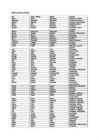
81 jooma drink drank drunk 82 laulma sing sang sung 83 vajuma sink sank sunk 84 ujuma swim swam swum 85 lamama lie lay lain 86 olema be was/were been 87 sööma eat ate eaten 88 tegema do did done 89 minema go went gone 90 lendama fly flew flown 91 peitma hide hid hidden 92 hammustama bite bit bitten 93 keelama forbid forbade forbidden 94 unusama forget forgot forgotten 95 kellekski saama become became become 96 tulema come came come 97 jooksma run ran run 98 rebima tear tore torn 99 (seljas)kandma wear wore worn
Bring brought brought- tooma 4. Built built built - ehitama 5. Buy bought bought ostma 6. Catch caught caught kinni püüdma 7. Come came come - tulema 8. Dig dug dug - kaevama 9. Do did done - tegema 10.Draw drew drawn - joonistama 11.Drink drank drunk - jooma 12.Drive drove driven autot juhtima 13.Eat ate eaten - sööma 14.Feed fed fed - söötma 15.Find found found - leidma 16.Fly flew flown - lendama 17.Get got - got - saama 18.Go went gone - minema 19.Have had had - omama 20.Hear heard heard - kuulma 21.Hold held held - hoidma 22.Leave left left lahkuma, jätma 23.Lose lost lost kaotama 24.Make made made - tegema 25.Meet met met - kohtama 26.Put put put - panema 27.Read read read - lugema 28.Say said said - ütlema 29.See saw seen - nägema 30.Sing sang sung - laulma 31
Washington state flower is Coast Rhododendron. Washington state bird is American Goldfinch. · Washington was named after George Washington, the first President of the United States, and is the only U.S. state named after a president. · Depicted above is the state flag of Washington. The flag of the state of Washington is a symbol of the authority and sovereignty of the state and is a valuable asset of its people. The Washington flag is flown over all state buildings just below the country flag of the United States of America. · Fort Canby State Park- One of the state's most scenic parks. You can see the mouth of the Columbia River and two lighthouses, Cape Disappointment Lighthouse (built 1856) and the North Head, Lighthouse (built 1898). Available activities include camping, picnicking, ocean views, beachcombing claming, surf, jetty and lake fishing,
külvama sow sowed sown teadma know knew known laenama lend lent lent tirima tear tore torn lahkuma leave left left toetuma lean leant leant lamama lie lay lain toitma feed fed fed lehvima weave wove woven tooma bring brought brought leidma find found found tulema come came come lendama fly flew flown tulistama shoot shot shot levitama broadcast broadcast tundma feel felt felt levitama spread spread spread tõestama prove proved proven libisema slide slid slid tõusma rise rose risen lubama let let let tärkama arise arose arisen lõikama cut cut cut tärkama spring sprang sprung
22. Do did done-tegema 23. Draw drew drawn- joonistama, tõmbama 24. Drink drank drunk-jooma 25. Drive drove driven-sõitma, autot juhtima 26. Eat ate eaten-sööma 27. Fall fell fallen-kukkuma 28. Feed fed fed-söötma 29. Feel felt felt-tundma 30. Fight fought fought-võitlema, kaklema 31. Find found found-leidma 32. Fly flew flown-lendama 33. Forbid forbade forbidden-keelama 34. Forget forgot forgotten-unustama 35. Forgive forgave forgiven-andestama 36. Freeze froze frozen-külmutama, külmuma 37. Get got got- endale saama 38. Give gave given-andma 39. Go went gone-minema, käima 40. Grow grew grown-kasvama, kasvatama 41. Hang hung hung-rippuma, riputama 42
If I were a bird, I would fly away. If she hadn´t a husband, she could marry me. Type 3- ebareaalne tingimus minevikus Tingimus (if) Tulemus Verb enneminevikus (had done) would/should+ have+Past participle If she had phoned me, you should have answer the phone. If I had been a bird, I would have flown away. If she hadn´t had a husband, she could married me.
which it contrasts. When the company went bankrupt, it had lost over a million pounds. The Past Perfect is used to make clear that one action in the past happened before another action in the past. When we arrived home, Anna had gone to bed. George didn’t want to come to the cinema with us because he had already seen the film twice. It was my first time in an airplane. I was very nervous because I hadn’t flown before. 2 Past Perfect Continuous (Progressive) The Past Perfect Continuous is had been + an -ing-form. I had been reading / you’d been reading Negative you had not been working /you hadn’t been working Question Had he been waiting? When to use the Past Perfect Continuous The Past Perfect Continuous is used to talk about a situation or activity
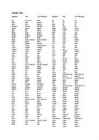
dwell dwelt dwelt eat ate eaten fall fell fallen feed fed fed feel felt felt fight fought fought find found found flee fled fled fling flung flung fly flew flown forbear forbore forborne forbid forbade, forbad forbidden forecast forecast, forecasted forecast, forecasted foresee foresaw foreseen foretell foretold foretold forget forgot forgotten forgive forgave forgiven forsake forsook forsaken forswear forswore forsworn freeze froze frozen
TO FALL fall fell falling fallen TO FEED feed fed feeding fed TO FEEL feel felt feeling felt TO FIGHT fight fought fighting fought TO FIND find found finding found TO FLEE flee fled fleeing fled TO FLY fly flew flying flown TO FORGET forget forgot forgetting forgotten TO FORGIVE forgive forgave forgiving forgiven TO FREEZE freeze froze freezing frozen TO GET get got getting gotten TO GIVE give gave giving given TO GO go went going gone TO GROW grow grew growing grown
feed fed fed söötma feel felt felt tundma fight fought fought Kaklema find found found Otsima, leidma fit fit fit sobima flee fled fled põgenema fling flung flung Paiskama, tormama fly flew flown Lendama forbid forbade forbidden keelama forget forgot forgotten Unustama forego (forgo) forewent foregone Eelnema forgive forgave forgiven Andestama forsake forsook forsaken hülgama freeze froze frozen Külmuma, jäätuma get got gotten Saama
portrait of the Emperor and his family or other government officials, and atop the staff, the monogram of Christ. The legend about its origin, as told by the 4th century historian Eusebius in Life of Constantine, has it that the emperor before the victory over Maxentius in 312 had seen a sign of the cross in the sky with the words In hoc signo vinces. Again we have to note that, although similar in some functions to modern flags, none of these devices was flown from flagpoles - they were all portable deities. In consequence flags in their modern sense were still to be invented. Nevertheless, flags are related to the units they represent, as signs of identification, whether flown in ancient or modern times. Banners and Flags in the Middle Ages The Koran's injunction against representational art encouraged the development of flags in the Arab World. These relied heavily on abstract patterns
Tundma = Feel Võitlema = Fight I vorm Feel I vorm Fight II vorm Felt II vorm Fought III vorm - Felt III vorm - Fought Leidma = Find Põgenema = Flee I vorm Find I vorm Flee II vorm Found II vorm Fled III vorm - Found III vorm - Fled Lendama = Fly Unustama = Forget I vorm Fly I vorm Forget II vorm Flew II vorm Forgot III vorm - Flown III vorm - Forgotten Saama = Get Andma = Give I vorm Get I vorm Give II vorm Got II vorm Gave III vorm - Got III vorm - Given Minema = Go Kasvama, kasvatama = Grow I vorm Go I vorm Grow II vorm Went II vorm Grew III vorm - Gone III vorm - Grown Rippuma, riputama = Hang Omama = Have
Kukkuma, langema Fall Fell Fallen Toitma, toituma Feed Fed Fed Tundma Feel Felt Felt Võitlema, kaklema Fight Fought Fought Leidma Find Found Found Põgenema Flee Fled Fled Virutama, paiskama Fling Flung Flung Lendama Fly Flew Flown Kannatlik olema Forbear Forbore Forborne Keelama Forbid Forbad/-e Forbidden Ennustama Forecast Forecast/-ed Forecast/-ed Ette nägema Foresee Foresaw Foreseen Ette kuulutama Foretell Foretell Foretell Unustama Forget Forgot Forgotten Andestama Forgive Forgave Forgiven
59. fight fought fought võitlema, kaklema 60. find found found leidma; otsima; avastama; 61. flee fled fled põgenema, pagema 62. fling flung flung paiskama, viskama, heitma, virutama; pilduma, loopima 63. fly flew flown lendama, tormama, lennates mööduma 64. forbid forbad(e) forbidden keelama, mitte lubama 65. forecast forecast forecast ette arvama, ennustama, prognoosima 66. foresee foresaw foreseen ette nägema, ennustama 67. foretell foretold foretold ennustama, ette kuulutama või ütlema 68. forget forgot forgotten unustama 69
..tall. We........a dog and a cat. Our uncle........two dogs. They........brown. 2. Choose the correct item. ( 5 points ) e.g. The residents were made...D....their homes by the authorities. A leave B leaving C left D to leave 1) Ann is my best friend! We........each other for years A know B knew C knows D have known 2) Nicky........to San Francisco when the accident happened. A flies B has flown C was flying D has been flying 3) Why don`t you let her........her story? A finish B to finish C finishing D have finished 4) Tim........in a cafe at present, but he has already applied for a new job A work B have worked C is working D worked 5) My father........already worked for two years before he went to University. A was B had C has D is 3
as certain enemies was the Berlin Blockade. Post-war Germany was divided into four parts and was occupied by the US , the USSR, Britain and France. Berlin, situated in the Soviet zone, was also divided. In 1948 Stalin enforced a blockade of Berlin and so Germany was divided into the Federal Republic of Germany( West Germany) and the German Democratic Republic (East Germany). The Allies responded with the `Berlin Airlift and for eleven months supplies were flown into Berlin by the Allies aircraft. The blockade was ended in May 1949 when Stalin gave up. 4. a) Marshal Tito also known as Josip Broz Tito was the Communist regime leader in Yugoslavia. He was very patriotic and party thanks to him Yugoslavia managed to keep its independence. Yugoslavia managed to fight back the Nazis almost single-handed.Tito resented taking orders from outsiders and when Stalin suggested to join Russias and Yugoslavias bank he refused. Many non-
You can see one of them on the south-west corner of the castle -it´s Pikk Hermann – quite a slender (considering the average thickness of the walls – 2,9 m) 49-metre watch-tower from the year 1371. The tower consists of ten internal floors and a viewing platform at the top with a 215-step staircase leading to it. It’s commonly recognised that whoever’s flag flies on top of this tower is the ruler of Estonia.The Estonian flag was flown here in 1884, 34 years before the country was to become independent. Subsequent conquerors always marked their success by raising a flag here. Thus both German and Soviet flags have been seen there. Today the national tricolor is hoisted at sunrise (but not earlier than 7 am) and lowered at sunset (but not later than 10pm), except at midsummer when it´s not lowered at all on the night of June 23/24. On the south-east corner, the tower of “Stür den Kerl” (which can be translated
Even in this one percent there are very rare elements and isotopes. These require large detectors to collect enough particles to say something meaningful about the "fingerprint" of their source. The HEAO Heavy Nuclei Experiment, launched in 1979, collected only about 100 cosmic rays between element 75 and element 87 (the group of elements that includes platinum, mercury, and lead), in almost a year and a half of flight, and it was much bigger than most scientific instruments flown by NASA today. To make better measurements requires an even larger instrument, and the bigger the instrument, the greater the cost. Where do they come from? Most galactic cosmic rays are probably accelerated in the blast waves ofsupernova remnants. This doesn't mean that the supernova explosion itself gets the particles up to these speeds. The remnants of the explosions, expanding clouds of gas and magnetic field, can last for thousands of years, and this is where cosmic rays are accelerated
Queen Elizabeth II on this day, but her birthday isn't until April 12th. Symbols Canada's "official" flag is still technically the Union Jack, which is also the flag of Great Britain. Even though Canada is an independent country, the Jack still has official status because our government still operates under the British monarchy, and the flag is a symbol of the Crown. In the old days the Union Jack was a very common symbol of Canada, but these days you'll only occasionally see it flown at certain government buildings, such as court houses or city halls. The national flag is far more common, and except in certain circumstances, takes precedence over the official one. On the flag is a 11 pointed red maple leaf. The Arms of Canada consists of the shield, 3 royal lions and three maple leaves. The Beaver is Canada's official national animal. This is because in the old days when
Anapest · ± - +- - +- - + - - + - · Silmapiiri ja siniste metsade taha · +- + - ± + - - + - · täna miski mind minema sunnib. · (V.Luik) Riim · Seaduspärane häälikkordus · J. Põldmäe: kindlates värsipositsioonides fikseeritav vastavus rõhurühmade või nende osade foneetilise koostise vahel Riim · Ajaloolised riimid: liebe-trübe, können-brennen · Nägemisriimid: breath-beneath, down-flown Riimitüübid silpide arvu ja rõhuasetuse järgi · Meesriim: keel/ meel · Naisriim: aktus/ kaktus · Daktülriim: purustas/ turustas · Hüperdaktülriimid (lõhnadega/ kõhnadega jne) Riimitüübid paigutuse järgi · Paarisriim: aabb · Süliriim: abba · Ristriim: abab · Lausriim: aaaa · Segariim Riimitüübid foneemikoostise järgi · Täisriim (suurt/ juurt) · Irdriim (päev/ käed; kõnts/ tönts; Hiina/ piinad; und/ tund)
# Of a million tear stained eyes # # C Am # Dont be surprised, when a crack in the ice # # F G # Appears under your feet # # C Am # You slip out of your depth and out of your mind # # F G # With your fear flowing out behind you # # N.C. # As you claw the thin ice # # Another Brick in the Wall part 1 # ------- ----- -- --- ---- ---- - # # Dm # Daddy's flown across the ocean # # Dm # Leaving just a memory # # Dm # A snapshot in the family album # # Dm G # Daddy what else did you leave for me # # Gm Dm # Daddy what d'ya leave behind for me # # F C Dm # All in all it was just a brick in the wall # # F C Dm # All in all it was all just bricks in the wall # # # The Happiest Days of our Lives
flag the state flag. The Law on State Flag was adopted by the Parliament (Riigikogu) on the 27 th of June, 1922.After the forcible annexation of Estonia by the Soviet Union in June, 1940, this flag was banned. In 1987/88, during the days of the "singing revolution", or the process of regaining independence, the blueblackwhite flag was used openly as a national symbol. On the 24th of February, 1989, the blueblackwhite national flag of Estonia was flown from the tower of Pikk Hermann. 23 June Victory Day Võidupüha or Victory Day is a public holiday in Estonia, which has been celebrated on 23 June every year since 1934. The date recalls the victory in the 1919 Battle of Wenden (near Csis, Latvia) of the Estonian military forces and their allies over German forces who sought to reassert BalticGerman control over the region. The battle was part of the
3. tüüp ebareaalne tingimus minevikus Tingimus (if) Tulemus Verb enneminevikus (had done) Would/should+have+ Past Participle Could/might+have+ Past Participle If she had phoned me, you should have answered the phone. If I had been a bird, I would have flown away. If she hadn´t had a husband, she could have married me. Noun Nimisõna Nimisõna võib olla nii loendatav (countable) või loendamatu (uncountable). Loendatav Loendamatu Countable Uncountable I eat an apple a day. I like apples. I drink water every day.
come came come cost cost cost cut cut cut do did done drink drank drunk drive drove driven eat ate eaten fall fell fallen feel felt felt fight fought fought find found found fly flew flown forget forgot forgotten forgive forgave forgiven freeze froze frozen get got got give gave given go went gone grow grew grown have had had hear heard heard hide hid hidden hold held held hurt hurt hurt
not want to sound too categorical (dullish lecture, lateish) · Together with noun stems ish forms adjectives with negative, contemptuous colouring (doggish, womanish) · Negative colouring becomes stronger with compound stems (honeymoonish) (boyish, girlish have no negative evaluation) Suffixes may be added to proper names: · -ish adds a derogatory colouring (Dickensish) · -ien with names gives a high flown style (dickensien) · -esque has positive connotation and it forms an element of refine style (dantesque) · The main noun forming suffixes with negative evaluation are:-ard, -ster, -monger, -eer · On the slang, -o shows contemptuous attitude (kiddo, coppo) · -happy, -dog show irony, contempt (car-happy, handsome-dog) · Negative affixes that show absence of some quality are rather expressive (unmask vs. reveal, motherless vs. orphan)
26 Macmillan Publishers Limited 2001. This sheet may be photocopied for use in class. Test 12 Name____________________ Class_______ Use your English 1 Choose the correct tense in these sentences. 1 Do you think we will have found/will be finding a cure for AIDS by the year 2010? _______________ 2 At six o'clock next Monday, I will be flying/will have flown over the Atlantic. _______________ 3 This time next week, I will be lying/will have lain on a beach in the Caribbean. _______________ 4 By the year 2050, the temperature of the earth will be rising/will have risen. _______________ 5 In the future, most people will be working/will have worked with computers. _______________
 annaabi.ee