 50 punkti
Autor soovib selle materjali allalaadimise eest saada 50 punkti.
50 punkti
Autor soovib selle materjali allalaadimise eest saada 50 punkti.
 ~ 2 lehte
Lehekülgede arv dokumendis
~ 2 lehte
Lehekülgede arv dokumendis
 2010-12-02
Kuupäev, millal dokument üles laeti
2010-12-02
Kuupäev, millal dokument üles laeti
 67 laadimist
Kokku alla laetud
67 laadimist
Kokku alla laetud
 1 arvamus
Teiste kasutajate poolt lisatud kommentaarid
1 arvamus
Teiste kasutajate poolt lisatud kommentaarid
 Birgit Roosileht
Õppematerjali autor
Birgit Roosileht
Õppematerjali autor
The Passive Voice Passive voice is used, when the focus is on the action. It is not important or not known, hovewer, who or what is performing the action. Passiivi kasutatakse siis, kui tegevust teostav isik on teadmata või tema mainimine ei ole oluline, või siis, kui tähelepanu on pööratud sellele, mida tehakse. Passiivi ajavormid moodustatakse abiverbi be pöördelistest vormidest vastavas ajas ja põhiverbi mineviku kesksõnast (III pv-past participle). BE vastav aeg+ Verbi III pv Tegevuse sooritaja näitamiseks kasutatakse eessõna by. Kui aktiivlause aluseks on asesõna (I, you, he, we, you, they, somebody...), siis jäetakse by- fraas ära. Aktiivlause muutmine passiivlauseks: 1. Leiame sihitise ja muudame ta aluseks. 2. Määrame öeldise ajavormi ja asendame ta passiivi vastava ajaga 3. Leiame aluse ja muudame ta eessõna by abil sihitiseks. Example: Jane baked a cake.-active sentence A cake was baked by Jane.-passive sentence Exampple: My bike was stolen.
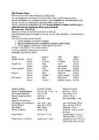
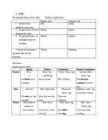
He said: ,,Don´t cry." He asked not to cry. My mother said to me: ,,Clean your room." My mother ordered me to clean my room. He said: ,,Merry Christmas." He wished me merry Christmas. Conditional sentences(If I do, If I did) Tingimuslaused Tingimuslaused koosnevad kahest osast: If (tingimus), (tingimus realiseerub) kõrvallause pealause Inglise keeles on kolm tingimuslause tüüpi. 1. tüüp reaalne tingimus olevikus või tulevikus Tingimus (if) Tulemus Verb lihtolevikus, kestvas olevikus või verb lihtolevikus või lihttulevikus täisminevikus (do, is doing, have done) If she phones me, If he isn´t going, you will answer the phone. I will go there myself. she has to keep it. If she has given a promise, 2. tüüp ebareaalne tingimus olevikus või tulevikus
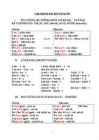
GRAMMAR REVISION I. TEGUSÕNA BE PÖÖRAMINE (VERB BE) OLEMA! BE VORMID ON: AM, IS, ARE (olevik), WAS, WERE (minevik). Olevik Minevik I am mina olen I was mina olin You are sina oled You were sina olid He is tema (m.) on ainsus He/ She/ It was tema/ see oli She is tema (n.) on It is see on We are meie oleme mitmus We were me olime You are teie olete You were te olite They are nemad on They were nemad olid II. LÜHENDID (SHORT FORMS) I am = I ´ m I (you/ they) have = I ´ ve You are = You ´ re she (he/ it) has = she ´ s He is = he ´ s is not = isn ´ t I will = I ´ll She is = she ´ s are not = aren ´ t will not = won ´t It is = it ´ s
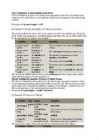
............................................................ 2 B. Unreal Conditionals ......................................................... 3 Linking words used in Conditionals ...................................... 4 Conditionals Conditions deal with imagined situations: some are possible, some are unlikely, some are impossible. A. Real Conditionals Real Conditionals refer to situations that are true, have happened, generally happen or are likely to happen. The First Conditional expresses a possible condition and a probable result: If I have time, I will help you. In the if-clause we use the Present Simple, in the main clause will + the verb. We can also use the Present Continuous or Perfect in the if-clause and a Modal Verb in the main clause. If we are having a party tomorrow, we shouldn’t go out tonight. If you have finished with the computer, you should turn it off. It can also be used in offers and suggestions, or warnings and threats.
First Conditional: A real possibility in the future A First Conditional sentence is for future actions dependent on the result of another future action or event, where there is a reasonable possibility of the conditions for the action being satisfied. Formation: if + present simple, + will For example: If she gets good grades, she will go to university. We are talking about the future, but we use a present tense for the condition and will for the result. In this case, the person is sure about going to university. We can use other modal verbs
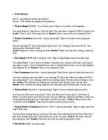
1. Active/Passive Active - the professor teaches the students. Passive - The students are taught by the professor 2. Present Simple [VERB] + s/es in third person. Tegevus on korduv või tavapärane. You speak English. I play tennis. Cats like milk. The train leaves tonight at 6 PM. I am here now. Active= Once a week, Tom cleans the car. Passive= Once a week, the car is cleaned by Tom. 3. Present Continuous [am/is/are + present participle]. Tegevus toimub/ei toimu praegusel hetkel. You are watching TV. You are learning English now. I am studying to become a doctor. I am meeting some friends after work. Active= Right now, Tom is writing the letter. Passive= Right now, the letter is being written by Tom. 4. Past Simple [VERB+ed] or irregular verbs. Tegevus algas/lõppes minevikus täpsel ajal. . You called Debbie. I saw a movie yesterday. I finished work, walked to the beach, and found a nice place to swim. I lived in Brazil for two years. I studied French when I was a child. Active
Book 1 BASIC ENGLISH BASIC ENGLISH GRAMMAR GRAMMAR BASIC ENGLISH GRAMMAR Book 1 Book 1 Younger students at beginning to intermediate levels will greatly benefit from this step-by-step approach to English grammar basics. This is the ideal supplement to your language arts program whether your students are native English speakers or beginning English language learners. Skill-specific lessons make it easy to locate and prescribe instant reinforcement or intervention. · Illustrated lessons a
The house has been cleaned since you left. Past perfect: The house had been cleaned before their arrival. Future: The house will be cleaned next week. Future continuous: The house will be being cleaned tomorrow. 11. Conditional sentences: Three types of conditional sentences: 1.) First Conditional Type 1: if + present + future The first conditional (also called conditional type 1) is a structure used for talking about possibilities in the present or in the future. If I have time, I will travel to London Kui mul on aega, reisin ma Londonisse 2.) Second Conditional Type 2: if + past + conditional The second conditional (also called conditional type 2) is a structure used for talking about unreal
 annaabi.ee








Kõik kommentaarid