the 11th century. John Cabot, a Venetian seeking riches for England, made the next known voyage in 1497. He took back word that the sea was full of fish which could be taken not only with a net but in baskets let down into the water. The early 1500s saw the start of a rush by other seafaring countries to fish in the coastal waters of Canada. Finally the contest of claims came down to two: England and France. French claims date from explorations by Jacques Cartier (1534) and Samuel de Champlain (1603). Neither Cabot's nor Cartier's explorations left any permanent settlers behind, but after Champlain's trip , in 1604 the French founded the first permanent settlement in what is now Canada. The first city founded by the french was Quebec. New France was generally the name given to the french colonies of Canada and Acadia. British settlements appeared along the Atlantic coast. As the colonies grew, a
Their only weapons were stone knives, simple spears, and boomerangs . For food they hunted and fished and gathered wild fruits and nuts . Dutch sailors stopped at several places on the northern and western coasts in the 1600s . They brought back word that the land was ´´ of very little use ´´ . There is a great desert in Australia, and comes down to the sea on the western and southern coasts . William Dampier was the first Englishman to reach Australia . But Captain James Cook´s explorations of the southeast coast in 1770 were more important . Cook found there a pleasant climate and beautiful forests . Soon after Cook took back word of this pleasant new land, people from Brittain began to settle there . The settlers soon discovered that many of the animals as well as the plants of Australia were unlike those that were found anywhere else . See oli esimene osaa
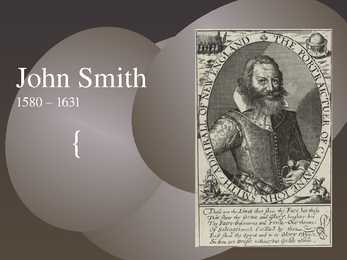
Smith leaves for England but Pocahontas stays with her tribe What made Captain John Smith 's colony successful? He made all healthy people gather food Trade with Indians His manner of fair trading gained the Indians' respect Using bluff and sternness to make his point with the Indians and never ambushing and murdering any Indians Creating other forts up and down the river where the colonists could live and gather food Literary work After returning from New England he wrote of his explorations for the rest of his life He gave the map as well as history of Virginia Smith focuses heavily on native Americans in all of his works concerning the New World "A Description of New England" "The General History of Virginia" His primary purpose: eternalise 'the memory of those that effected' the settlement of Virginia "The True Travels" "New England and The Summer Isles" ,,Adventures and Observations of Captain John Smith" Muutke teksti laade Teine tase
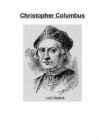
Columbus did not become rich as he had hoped. At the end of his life he only had a pension the king and queen had given him because he was the first to reach the New World. He spent the last few months of his life in bed because of the pain of arthritis. Columbus not only discovered a New World, but he led the way for other explorers. Since his death, Columbus has been heralded as a hero for his discoveries but has also become a figure of controversy for the disastrous effects of his explorations on native peoples in the Americas. Christopher's accomplishments are recognized in different countries and in different ways. The United States celebrates Columbus' first voyage to the Americas with a holiday on the second Monday in October. This holiday is called Columbus Day. It has also been called Discovery Day and Landing Day. Some cities, like New York City, Los Angeles, and San Francisco, have parades. The city of Columbus, Ohio, is named after Christopher.
Mis juhtuks, kui musta auku kukkuda? · Inimene hakkab liikuma järjest kiiremini. · Keha venitatakse välja. · Väiksematesse kukkudes: keha on täielukult ära rebitud enne sündmuse horisonti jõudmist. · Ülisuurte mustade aukude puhul lömastatakse inimene väikseks punktiks. Kasutatud kirjandus · http://et.wikipedia.org/wiki/Must_auk · http://www.kadrina.edu.ee/andres/mm.php?menu=1&id=12 · http://amazing-space.stsci.edu/resources/explorations/blackholes/lesson/ · http://abyss.uoregon.edu/~js/ast122/lectures/lec21.html · http://hubblesite.org/explore_astronomy/black_holes/home.html · http://en.wikipedia.org/wiki/Roy_Kerr · http://en.wikipedia.org/wiki/Black_hole · http://www.horisont.ee/node/1467 · http://forte.delfi.ee/news/teadus/mis-on-musta-augu-sees.d?id=20608828 · http://www.postimees.ee/249336/meie-universum-asub-teise-universumi-mustas-augus/ · http://www.miksike
useful. However, he learns from the geographer that flowers do not last forever, and he begins to miss the rose he has left behind. At the geographer's suggestion, the little prince visits Earth, but he lands in the middle of the desert and cannot find any humans. Instead, he meets a snake who speaks in riddles and hints darkly that its lethal poison can send the little prince back to the heavens if he so wishes. The little prince ignores the offer and continues his explorations, stopping to talk to a three-petaled flower and to climb the tallest mountain he can find, where he confuses the echo of his voice for conversation. Eventually, the little prince finds a rose garden, which surprises and depresses him--his rose had told him that she was the only one of her kind. The prince befriends a fox, who teaches him that the important things in life are visible only to the heart,
They were the ancestors of nowadays indigenous people of Canada. They just searched better for living places and followed their prey and they didn't even know they were on a different continent. The first explorers were Norse seafarers known as Vikings. As they sailed from Iceland to Greenland in AD 985, they were blown far off their course and they saw the coast what must have been Labrador. The forested areas of Canada's coast encouraged further explorations, because their settlement lacked lumber. They established a colony, what they called Vinland on Newfoundland. It died out during the 14th and 15th centuries. 500 years later Europeans started looking for a waterway to Asia, because travelling with spices over land wasn't very safe anymore. The first explorer was Christopher Kolumbus who reached America's shore in 1492, although he thought it was Asia. The next explorer was John Cabot in 1497. He sailed to Newfoundland
No wonder they had that idea. The northern shores of Australia are near enough to the equator to be very hot. They get a great deal of rain. The hot, wet climate is one that white people cannot stand well. Much of the western coast is dry and barren. There is a great desert in Australia, and it comes down to the sea on the western and southern coasts. William Dampier was the first englishman to reach Australia. But captain James Cook's explorations on the southeast coast were more important. He was on his way from New Zealand and reached Australia from the southeast. The part of Australia he found was very much different from the country visited by the earlier explorers. He landed in a place of great beauty, rich in plants and flowers, which he named Botany Bay. From Botany Bay James Cook sailed along the east coast as far as the Cape York, where he put up the British flag. The eastern part of Australia became a British colony.
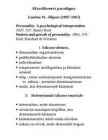
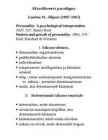
jne) juhindub 3 printsiibist: · organiseeriva energia printsiip - kohanemisprotsessist vabanev energia suundub püüdluste realiseerimiseks · kompetentsuse printsiip - suurendada mina- efektiivsust ja kompetentsust, terve isiksus - ülesannete hulga suurendamine, mida lahendada · vastavus propriumile - sõltumatu minevikust, kuid sõltuv propriumist Klassifitseeriv paradigma Dispositsiooniline lähenemine Henry A. Murray (1893-1988) Explorations in personality. New York: Oxford, 1938/1962. psühhodünaamiline: a) vajadused b) projektsioonid c) ajatelg klassifitseeriv: dispositsioonid = vajadused ja motiivid I Metodoloogia · isiksus teoreetiline konstrukt individuaalse ajaloo sündmusi "The history of the personality is the personality" kirjeldab korduvaid käitumise elemente integreeriv ja kordineeriv alge (eesmärgid) neuronaalne alus
jne) juhindub 3 printsiibist: · organiseeriva energia printsiip - kohanemisprotsessist vabanev energia suundub püüdluste realiseerimiseks · kompetentsuse printsiip - suurendada mina- efektiivsust ja kompetentsust, terve isiksus - ülesannete hulga suurendamine, mida lahendada · vastavus propriumile - sõltumatu minevikust, kuid sõltuv propriumist Klassifitseeriv paradigma Dispositsiooniline lähenemine Henry A. Murray (1893-1988) Explorations in personality. New York: Oxford, 1938/1962. psühhodünaamiline: a) vajadused b) projektsioonid c) ajatelg klassifitseeriv: dispositsioonid = vajadused ja motiivid I Metodoloogia · isiksus teoreetiline konstrukt individuaalse ajaloo sündmusi "The history of the personality is the personality" kirjeldab korduvaid käitumise elemente integreeriv ja kordineeriv alge (eesmärgid) neuronaalne alus
11 С 75-81 3. http://meteoweb.ru/articles/bondarenko_upwelling.pdf (03.05.2015) 4. Дедю, И.И. 1989. Экологический энциклопедический словарь. Главная редакция Молдавско й советской энциклопедии, Кишинев http://dic.academic.ru/dic.nsf/ecolog/1247 (03.05.2015) 5. Gaines, S., Airame, S. Upwelling. http://oceanexplorer.noaa.gov/explorations/02quest/background/upwelling/up welling.html (03.05.2015) 6. Greets, B., Lincre, E. 1998. Equatorial upwelling. http://www- das.uwyo.edu/~geerts/cwx/notes/chap11/equat_upwel.html (03.05.2015) 7. Лафонд, Е.К. 1974. Океанографическая энциклопедия. http://www.oceanographers.ru/index.php?option=com_content&task=view&id =1345&Itemid=265 (03.05.2015) 8. Morrison, A. K. , Frölicher T. L
Part of the emblem of the Vancouver 2010 Winter Olympics is an inukshuk, a stack of rocks in human form that is a part of Inuit culture. 12. History The earliest discovery of the new World was made by Norse seafarers known as Vikings. It is said that in 985 AD Norse seamen sailing from Iceland to Greenland were blown far westward off their course and sighted the coast of what must have been Labrador. The report of forested areas on the strange new coast encouraged further explorations by Norse colonists from Greenland, whose settlements lacked lumber. In Anno Domini 1000 Leif Ericson became the first European to land in North America. A colony was established in what the Vikings described as Vinland. Discoveries of "Norse" relics in that area have been exposed by scholars as hoaxes. The Greenland colony died out during the 14th and 15th centuries, and the Norse adventures in Canada must have come to an end well before that time.
süstematiseeriv "õpik"/käsiraamat Personality: A psychological Interpretation Personality is the dynamic organization within the individual of those psychophysical systems that determine his unique adjustments to his environment (p 48) Allport & Odbert 1936: monograafia „trait names“ (leksikaalne lähenemine) Henry Murray Õppis arstiteadust, biokeemiat; Jungi ja Freudi tuttav ja ka ise praktiseeris psühhoanalüütikuna Explorations in Personality (1938) üritab ühendada psühhoanalüüsi eksperimentaalse lähenemisega Samast raamatust pärineb Temaatilise Apertseptsiooni Test Vajaduste klassifikatsioon 17 Vajadus ja surve (press); alfa ja beeta- surve Like all other men, like some other men, like no other men Raymond Cattell Inglane (kuid hiljem enamuse oma karjäärist Illinoisi Ülikoolis); ülikoolis õppis keemiat; PhD psühholoogias; Spearmani ja Thorndike’i õpilane Arendas mitmemõõtmelist statistikat sh
The revised understanding of development in pictorial representations presents an exciting challenge to the field of early childhood art education. It defines a teacher's role in much more complex terms and places more responsibility on his on her shoulders for ensuring that children's development in this domain does not become unduly constrained by a narrow set of cultural biases and preferences. Valuing and encouraging what we see as children's spontaneous self-directed explorations need to remain an important consideration in structuring learning environments of young children. However, in order to solve pictorial problem, children also require active assistance in (a) pursuing their own intuitive interests in the visual culture that surrounds them. (b) helping them achieve success in meeting their own pictorial expectations, and (c) exploring their emerging metacognitive abilities in relation to their pictorial production and strategies that can enhance this production.
Edmonton, Winnipeg and Vancouver. Toronto has a population of 2, 5 million which makes it the biggest city in Canada. 14. History The earliest discovery of the New World was made by Norse seafarers known as Vikings. In AD 985 Norse seamen sailing from Iceland to Greenland were blown far westward off their course and sighted the coast of what must have been Labrador. The report of forested areas on the strange new coast encouraged further explorations by Norse colonists from Greenland, whose settlers lacked lumber. In AD 1000 Leif Eriksson became the first European to land in North America. According to the sagas this was the first of many Norse voyages to the eastern shores of the continent. Leif Eriksson established a colony what the Vikings described as Vinland. By 1600 the wealth from the fur trade and the fishing industry renewed French interests in North America
recently as 1995. Henry James Henry James (1843-1916), noted American-born English essayist, critic, and author of the realism movement wrote The Ambassadors (1903), The Turn of the Screw (1898), and The Portrait of a Lady (1881). James's works, many of which were first serialised in the magazine The Atlantic Monthly include narrative romances with highly developed characters set amongst illuminating social commentary on politics, class, and status, as well as explorations of the themes of personal freedom, feminism, and morality. In his short stories and novels he employs techniques of interior monologue and point of view to expand the readers' enjoyment of character perception and insight. Often comparing the Old World with the New, and influenced by Honore de Balzac, Henrik Ibsen, Charles Dickens, and Nathaniel Hawthorne of whose work he wrote "too original and exquisite to pass away" James would become widely respected in
Carteriga mehega, kel oli palju erialateadmisi ja idealismi, ent vhe raha. Carter oli Egiptuses ttanud aastast 1890. Muististe osakonna juhatajana oli ta ameeriklasele Theodore Davisele avastanud Kuningate orus, Luksorist lnes, juba kaks hauakambrit. Howard Carter ja lord Carnarvon otsisid peidetud aardeid koos seitse aastat. Kik, mida nad kuni 1912. aastani kaljukivimeist pevavalgele tid, avaldasid nad uhkusega oma kallihinnalise kujundusega raamatus Five Years Explorations at Theben (Viis aastat uurimistid Teebas). Ent t jtkus. Carter oletas, et orus pidi peituma veel ks unustatud vaaraohaud. Tema oletus polnud phjuseta. Theodore Davis oli hest kaljulhest leidnud karika Tutanhamoni hieroglfidega. Peale selle oli ta avastanud hauaahti, mis sisaldas jnuseid puukastist, kus olid Tutanhamoni nimega kuldplaadid. Davis jreldas sellest, et ta on avastanud Tutanhamoni haua. Kuid Carter kahtles selles. Ta tegi ige jrelduse, et 18. Dnastia kuningas ei saanud
Personality is the dynamic organization within the individual of those psychophysical systems that determine his unique adjustments to his environment (p 48) Allport & Odbert 1936: monograafia ,,trait names" (leksikaalne lähenemine- vaatasid sõnuraamatust sõnu, millega on võimalik tähistada isiksuse omadusi, ) Henry Murray- Õppis arstiteadust, biokeemiat; Jungi ja Freudi tuttav ja ka ise praktiseeris psühhoanalüütikuna Explorations in Personality (1938) üritab ühendada psühhoanalüüsi eksperimentaalse lähenemisega. Samast raamatust pärineb Temaatilise Apertseptsiooni Test Vajaduste klassifikatsioon - Vajadus ja surve (press); alfa ja beeta-surve. Like all other men, like some other men, like no other men - temaatilise aterpretseptsiooni test: vastaja peab ütlema mida pildi peal näeb Raymond Cattell- Inglane (kuid hiljem enamuse oma karjäärist Illinoisi Ülikoolis); ülikoolis õppis keemiat; PhD
Juhindub 3st printsiibist: - organiseeriva energia printsiip - kohanemisprotsessist vabanev energia suundub püüdluste realiseerimiseks - kompetentsuse printsiip - suurendada mina-efektiivsust ja kompetentsust, terve isiksus - ülesannete hulga suurendamine, mida lahendada - vastavus propriumile - sõltumatu minevikust, kuid sõltuv propriumist. KLASSIFITSEERIV PARADIGMA DISPOSITSIONILINE LÄHENEMINE HENRY A. MURRAY (1893-1988). Explorations in personality. New York: Oxford, 1938/1962. Psühhodünaamiline: vajadused, projektsioonid, ajatelg. Klassifitseeriv: dispositsioonid=vajadused ja motiivid. 37 vajadust. METODOLOOGIA: Isiksus. Teoreetiline konstrukt individuaalse ajaloo sündmusi „the history of the personality is the personality.“ Kirjeldab korduvaid käitumise elemente. Integreeriv ja kordineeriv alge (eesmärgid). Neuronaalne alus (no brain, no personality). Interaktsioon.
coastal states don't necessarily have a say. E.g. Panama channel, Suess channel, Bosporus and Dardanelles straits, straits between Sweden and Denmark, Danube river, river Nile Lecture 4 Antarctica Antarctica's unique regime was established by the Antarctic Treaty (Washington, 1 December 1959). Originally signed by 12 countries which were not far from Antarctica or had some explorations there (UK, Japan, South-Africa etc). Initially concluded for 30 years, then prolonged. Some scholars consider the treaty's principles as norms of customary international law. The unique feature of Antarctic is that it comprises of all territories that go under the south latitude 60 (includes all ice shelves, doesn't prohibit using rights under IL concerning high seas). So Antarctic was an international territory. So it is a common heritage of mankind.
means of expression. Juxtaposing the beginnings and the present moment we may observe the continual increase of manifold aesthetic values, being merged into the cultural life of the epoch, mirroring the eternal demands of Man’s spiritual existence. I am aware of the complexity and difficulty of the task I have undertaken. Estonian symphonic music: this is a wide world of sound, full of contradictory artistic ideas, strivings, explorations, discoveries, success and failure. This is the musical chronicle of an epoch already lived. Naturally, one person cannot grasp it totally with all its multiple manifestations: it seems impossible. Therefore we have to have certain reservations when evaluating the works of composers who are still writing. There is no temporal distance between music and the listener. The spirituality and pithiness of music opening up in the course of time pronounce the last word on either the value or
Tversky, A. (1977) "Features of Similarity." Psychological Review 84: 32752. Unger, P. (1983) "The Causal Theory of Reference." Philosophical Studies 43: 145. Waismann, F. (1965a) The Principles of Linguistic Philosophy, ed. R. Harré. New York: St. Martin's Press. ---- (1965b) "Verifiability." Aristotelian Society Supplementary Volume 19: 11950. Warner, R. (1982) "Discourse Logic and Conventional Implicature." Studia Anglica Posnaniensia 14: 91102. Weinreich, U. (1966) "Explorations in Semantic Theory." In T. A. Sebeok (ed.), Theoretical Foundations. The Hague: Mouton. Weinstein, S. (1974) "Truth and Demonstratives." Noûs 8: 17984. Reprinted in D. Davidson and G. Harman (eds.) (1975) The Logic of Grammar. Encino, CA: Dickenson. Weisler, S. (1991) "An Overview of Montague Semantics." In J. Garfield and M. Kiteley (eds.), Meaning and Truth. New York: Paragon. Wettstein, H. (1991) Has Semantics Rested on a Mistake? Stanford, CA: Stanford University Press
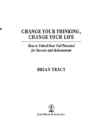
He has done incredible thinking and achieved amazing results, for vii ccc_tracy_fm_i-xviii.qxd 7/7/03 3:22 PM Page viii viii ➤ FOREWORD himself and many hundreds of thousands of other people. Brian’s thinking in this book will inspire you to do the same or more. Get ready for one of the great adventures and explorations into the last great frontier, and the first—your mind! You are about to have a wonderful experience. MARK VICTOR HANSEN Author, Chicken Soup for the Soul ccc_tracy_fm_i-xviii.qxd 7/7/03 3:22 PM Page ix Contents Acknowledgments xi Introduction xiii
It stood for The Times is the Jefferies of the press, enciphered in a progressive Vigenere with key ABCD . . . beginning anew with each word. The reference to George Jeffreys, a 17th-century English judge, meant that The Times was a pusillanimous tool of the government and mercilessly severe to its opponents. When the editor of The Times heard about the cryptogram, he, like his queen, was not amused. The family of the explorer Richard Collinson communicated with him privately during his explorations even though they did not know where he was by inserting coded personal notices in The Times. Use of the enciphered personal advertisement seems to have died out, however, perhaps owing to the censor- ship restrictions of two world wars, perhaps because of the telephone or relaxed parental restrictions. Cryptology has enriched literature in other ways. Many of the authors of antiquity—among them Homer and Herodotus—mention secret writing
 annaabi.ee