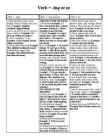
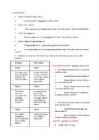
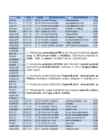
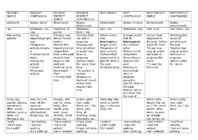
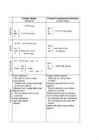
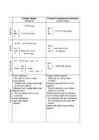
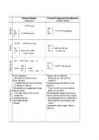
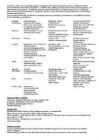
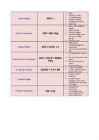
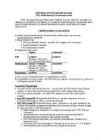
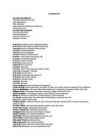
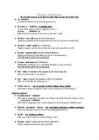
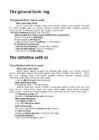
Verb + -ing or to Verb + -ing Verb + -ing and to Verb + to 1) Stop, postpone, admit, avoid, CHANGE IN THE MEANING: 1) Offer, decide, hope, deserve, imagine, finish, consider, deny, risk, 1) Remember Example: 1. I promise, agree, plan, manage, afford, fancy. Example: Suddenly know I locked the door. I clearly threaten, refuse, arrange, fail, forget, everybody stopped talking. remember locking it. 2. Please learn. Example: It was late, so we 2) Give up, put off, go on / carry on, remember to post the letter. decided to take a taxi home. keep or keep on. Example: I've 2) Regret Example: 1. I regret 2) Seem, appear, tend, pretend, given up reading newspapers. saying what I said. I shouldn't claim. Example: They seem to have 3) ...
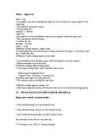
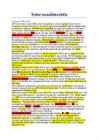
· The minister went on talking for two hours. 7)Minema midagi tegema (midagi uut) · After discussing the economy, the minister then went on to talk about foreign policy. !!!! NII ING KUI KA TO KASTUTATAKSE SÕNADEGA: Begin/ start/ intend/ continue/ bother · It has started raining, or It has started to rain. · John intends buying a house, or John intends to buy... · Don't bother locking the door, or Don't bother to lock... But normally we do not use ing after-ing: · It's starting to rain. (Not it's starting raining)
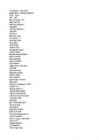
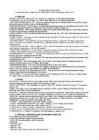
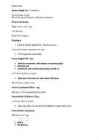
Lemonade limonaad ginger beer alkoholivaba õlu coke koka salt - sool diet-toitumine, toit chew-närima beetroot-punapeet vegetable swallow-neelama spaghetti macaroni dish-toit, roog; corn flakes porridge-puder flour-jahu trout-forell salmon-lõhe herring-heeringas pork-sealiha minced meat-hakkliha beef-veiseliha bacon-peekon veal-vasikaliha jelly-tarretis indigestion-seedehäire oven-ahi chest-kummut drinkable-joodav edible-söödav tasty-maitsev appetizing-isuäratav lard-pekk buttermilk-hapupiim, kefir portion-osa helping-portsion spread-võileivakate mashed-püreestatud a loaf of bread-leivapäts mustard-sinep jug-kann gas cooker-gaasipliit recipe-retsept yeast-pärm cinnamon-kaneel greasy-rasvane sourkraut-hapukapapsas braise-hautama lumf of sugar-suhkrutükk spice-vürts vinegar-äädikas fry-praadima bake-küpsetama boil-keetma cook-küpsetama soluble-lahustuv ladle-kulp fork-kahvel sieve-sõel French bean-aeduba dough-tainas clove-nel...
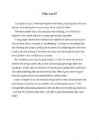
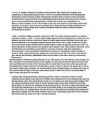
Why travel? Laying by the pool, drinking margaritas and having a good gossip with your friends, while the sun bronzes your skin. What could be better? For some people, this is the main point for travelling, yet others try to experience the culture and visit as many sightseeings as possible. Young people choose their destination to somewhere warm and also by the cost, because what is the point of ,,windbathing" in Europe or somewhere like that. Meeting new people, partying till the dawn and comparing each other tans is really fun and relaxing. I find these vacations very memorable because they are so different from the Estonian summers. But travelling is not only for party people, it is also for those who love to discover the foreign world, take pictures of exciting sightseeings while also enjoying it. People who like this kind of travelling are usually adults and elders who want something ...
Gerunds (to) and infinitives (-ing) 7.1 Verbs followed by the gerund form ing. I considered buying a flat in Monte Carlo, but they were too expensive. Here are some common verbs which are followed by the gerund: Admit, appreciate (hindama), avoid, can´t help, can´t stand, consider, delay (viivitama), deny, detest (jälestama), dislike, enjoy, escape, excuse, face, feel like, finish, forgive, give up, imagine (ette kujutama), involve (sisaldama), mention (mainima), mind, miss, postpone (edasi lükkama), practise, put off, recall, resent, risk, suggest, understand 7.2 Verbs and phrases followed by the infinitive without ´to´ You must answer all the questions. Here are some common verbs/phrases which are followed by the infinitive without to: Can, could, may, might, must, need, must, need, had better, would rather 7.3 Verbs followed by an object + the infinitive without ´to´ She made me do it. ( sundima ) Here are some ...
-ING · Admit, anticipate, appreciate, avoid, complete, consider, continue, delay, deny, discuss, enjoy, escape, excuse, fancy, finish, forgive, go (for activities), imagine, involve, keep (=continue), mention, mind, miss, postpone, practise, prevent, quit, recall, recollect, report, resent, resist, risk, save, stand, SUGGEST, stop, tolerant, understand · Dislike, enjoy, hate, like, love, prefer · Be busy, it's no use, it's good, it's worth, what's the use of, can't help, there's no point (in), can't stand, have difficulty (in), have trouble, have a hard/difficult time · Spend, waste, lose · Hear, listen to, notice, see, watch, feel- ainult mingi osa tegevusest · Need, require, want + ing TO · Afford, agree, appear, arrange, ask, beg, care, claim, consent, decide, demand...
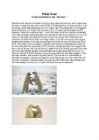
Polar bear Ursus maritimus or the "sea bear." Polar bears live near the circumpolar at north in areas where they can hunt seals at open leads. Scientists estimate that there are between 22000 to 27000 polar bears. Its closest relative is the brown bear. Adult male polar bears are 2,5 to 3 meters tall. They weigh 250 to 770 kilograms. Adult female bears are smaller. They are about 1,8 to 2,5 meters tall and weigh 90 to 320 kilograms. Polar bears usually eat seals usually the ringed seasl, but sometimes the bearded seals. When hunting is good, polar bears will typically eat only the fat and leave the rest of the carcass for scavengers including arctic foxes, ravens, and younger bears. Polar bears also sometimes kill and eat both walrus and beluga whales. They have even hunted short-legged reindeer and sometimes even birds and bird eggs. Polar bears are top of the food cha...
Intercultural communication What is business English? Loosely defined, BE refers to the Engl lg used in international trade or business. Loosely defined, BE refers to the Engl lg used in international trade or business. It is a specialized area of the Engl lg learning and teaching largely attributed to non-native English speakers Aim to enhance their chances of doing business with companies from English speaking countries. BE can refer to the study of business Engl voc used in the fields of trade, business, finance, or international relations. If the study focuses on techniques on business presentations, negotiations, correspondence, writing and other skills needed for business communications, then it can be classified as the study of Business English communication skills in the workplace. Both are important and used usually together. Culture. Barriers to Intercultural communication Synergy (from Greek for "working together") means ...
KESTEV OLEVIK Present Continuous Kestev olevik väljendab tegevust mis toimub praegu. ,,be" olevikus + põhitegusõna / I am;he, she, it is;we, you they are / -ing vorm Küsiv vorm moodustatakse sõnajärje muutumise teel ja eitav vorm not lisamisega peale BE vormi: N: Jaatav- He is reading. Küsiv- Is he reading? Eitav- He is not (isn't) reading. Märksõnad: now (paregu) at present (praegu) at the present moment (käesoleval tehtkel) at the moment (käesoleval hetkel) N : The children are sleeping now. (Lapsed magavad praegu.) At present h...
Say, hey! Hear the sound of the falling rain Coming down like an Armageddon flame (Hey!) The shame The ones who died without a name Hear the dogs howling out of key To a hymn called "Faith and Misery" (Hey!) And bleed, the company lost the war today I beg to dream and differ from the hollow lies This is the dawning of the rest of our lives On holiday Hear the drum pounding out of time Another protester has crossed the line (Hey!) To find, the money's on the other side Can I get another Amen? (Amen!) There's a flag wrapped around a score of men (Hey!) A gag, a plastic bag on a monument I beg to dream and differ from the hollow lies This is the dawning of the rest of our lives On holiday (Hey!) (Say, hey!) (3,4) "The representative from California has the floor" Sieg Heil to the president Gasman Bombs away is your punishment Pulverize the Eiffel towers Who criticize your government Bang bang goes the broken glass and Kill all the fags...
Omadussõna Omadussõna kasutatakse kahel moel: · nimisõna täiend a smart girl a pretty boy · verbi be öeldistäide The girl is smart. The boy is pretty. Omadussõnal ei ole inglise keeles mitmust. smart girls pretty boys Omadussõnal on kolm võrdlusastet: Algvõrre Keskvõrre Ülivõrre The positive degree The comparative degree The superlative degree small smaller the smallest funny funnier the funniest beautiful more beautiful the most beautiful reasonable more reasonable the most reasonable 1. Võrdlemine er ja est abil · Ühesilbilised omadussõnad small - smaller the smallest short shorter the shortest Pane tähele! L...
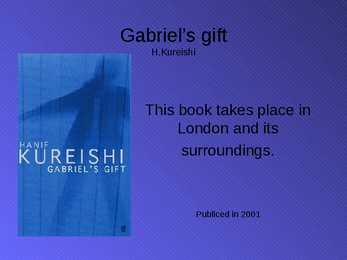
Gabriel's gift H.Kureishi This book takes place in London and its surroundings. Publiced in 2001 · Gabriel the main character (boy whose twin-brother was dead, Gabriel's ,,gift" was his ability to share with others what he felt and lived through by painting and drawing · Gabriel's mother Christine in the good old days designed trendy clothes for various rock stars. · Gabriel's father Rex - a washed-up rock musician who played in pop icon Lester Jones's band · Gabriel's parents were the parents who began to grow up with him, for Gabriel it was more difficult, because there was no one with whom he could talk about the so-called grownup things · Gabriel's dead twin Archie - (Gabriel had a very strong emotional connection with him) · Hannah - au pair (mom wanted someone to keep an eye on Gabriel an look after the house because she worked most of the day and often ...
"Lolita" on Vladimir Nabokovi kirjutatud romaan aastast 1955. Raamat sai kuulsaks oma vulgaarsuse ja seksuaalse höngu poolest. "Lolita" on jutustus keskealise mehe seksuaalsest kinnisidees noorte tydrukute suhtes. Peategelane Humbert kolib yyrnikuna elama keskealise Charlotte Haze'i majja ja kiindub tema puberteediealisesse tytresse Doloresesse ehk Lolitasse, kes on oma ea kohta ebanormaalselt kyps ja näitab mehe suhtes yles seksuaalset huvi. Mees on valmis köigeks, et olla Lolita lähedal ja see viib isegi abieluni Lolita emaga, keda mees tegelikult ei armasta. Lolita ema surres lähevad nad Lolitaga reislema mööda Ameerikat, kuid peagi selgub, et keegi jälitab neid. Lolitat ja Humbertit ootab ees seiklus mööda Ameerika suviseid teid ja linnasid. ,,lolita" is Valdimir Nabokovi written roman form 1955. This book got faous thank it's unrefined and sexist content. ,,lolita" is a story about middle...
CONDITIONALS · Type 0 Present Simple if + I, I o If you boil water, it evaporates.(Loodusseadus) · Type 1 if + I , will + I o If you study more, you will get better marks. (Kui õpid rohkem, saad paremaid hindeid.) · Type 2 if II, would + I o do If you studied more, you would get better marks. (Kui õpiksid, saaksid) · Type 3 if had + III, would have + III o if I had studied more, I wouldn't have had that many mistakes. o If you had studied more, you would have got better marks. (Kui oleksid õppinud, oleksid saanud) · Kasutusel ka variant kus kõik tüübid segi, sellisel juhul tõlgi endajaoks lause ära ja mõtle loogiliselt. If-Clause Main Clause SUPPOSE/SUPPOSING (peaaegu sama, mis if) Type 2 Type 1 ...
Tuli tungida läbi neutraalse Belgia PR-le ja purustada PR 39 päevaga, seejärel 3-4 kuuga VM. POSITSIOONISÕDA kaevikusõda, sõjategevus pikaks ajaks paigale jäänud rinde tugevasti kindlustatud ja pidevalt täiustatavail positsioonidel; vastandiks on manööversõda YPRES' LAHING 1915 Ypresi lähedal Läänerindel toimunud lahing SM ja ING vahel. Sakslased kasutasid I korda sõjategevuses gaasi. SOMME LAHING 1916 juuli-november toimunud lahing Läänerindel, PR-ING vägede pealetung SM vastu. Kasutati I korda lennuväge ja tanke(ING). VERDUNI LAHING 1916 veebruaris alanud ja 10 kuud kestnud lahing Läänerindel. SM tahtis tungida Pariisi, otsustas vallutada Verduni kindluse. Kindral Perain'i (,,PR uhkus ja häbi!") juhtimisel suutis PR oma pealinna ja Verduni kaitsta. ,,KADUNUD PÕLVKOND" - I MS osa võtnud ja selle ajal üles kasvanud põlvkond, kel puudus sõja pärast turvatunne, nende lähedased surid ja nad ise olid ka sõtta kaasatud.
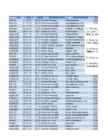
Raamat Algus Lopp Autor Pealkiri Aasta E/All02 21.09.10 30.09.10 Artur Alliksaar Päikesepillaja 1999 E/Kiv03 31.07.10 26.08.10 Andrus Kivirähk Leiutajateküla Lotte 2007 E/Kiv03 07.07.10 22.07.10 Andrus Kivirähk Leiutajateküla Lotte 2007 E/Run01 04.05.10 25.05.10 Hando Runnel Mõtelda on mõnus 1. Filtreerida 1982 aren E/Vil04 04.11.10 19.11.10 Eduard Vilde Mahtra sõda vanuses200930 kuni Ingl/Pra02 04.11.10 19.11.10 Terry Pratchett Nõiad võõrsil linn ja2003 vanus (kin Ingl/Pra03 02.02.10 19.02.10 Terry Pratchett Fantastiline valgus 2005 Swe/Lin01 ...
Neti Habakuk Margit Mölder Forming: infinitive+ ing (I+ing) USING: 1) In some fixed expressions (As well as I+ing.., It is no good I+ing.., It is no use I+ing.., can not bear I+ing.., can not help I+ing.., worth I+ing..) 2) After prepositions (before I+ing.., of I+ing.., for I+ing.., by I+ing.., at I+ing..) 3) After verbs (enjoy, admit, consider, can`t stand/ help/ bear, deny, avoid, mind, suggest, understand) 4) With from and to with some verbs (He prevented her from leaving. Look forward to I+ing.., Get used to I+ing..) Forming: to+ verb I (to+v) USING: 1) After some adjectives (happy to+v.., wrong to+v..) 2) To express purpose (She went to Spain to meet her friend.) 3) After some nouns ( decision to+v.., time to+v.., wish to+v..) 4) After some main verbs ( appear, agree, ask, begin, choose, decide, expect, happen, help, hope, learn, like, love, mean, offer, prepare, promise,...
Raamat Algus Lopp Autor Pealkiri Aasta E/All02 21.09.10 30.09.10 Artur Alliksaar Päikesepillaja 1999 E/Kiv03 31.07.10 26.08.10 Andrus Kivirähk Leiutajateküla Lotte 2007 E/Kiv03 07.07.10 22.07.10 Andrus Kivirähk Leiutajateküla Lotte 2007 E/Run01 04.05.10 25.05.10 Hando Runnel Mõtelda on mõnus 1982 E/Vil04 04.11.10 19.11.10 Eduard Vilde Mahtra sõda 2009 Ingl/Pra02 04.11.10 19.11.10 Terry Pratchett Nõiad võõrsil 2003 Ingl/Pra03 02.02.10 19.02.10 Terry Pratchett Fantastiline valgus 2005 Swe/Lin01 03.07.10 22.07.10 Astrid Lindgren Meisterdetektiiv Blomkvis 1960 Swe/Lin03 04.05.10 25.05.10 Astrid Lindgren Hulkur Rasmus 1999 Am/...
Kommentaar Laenutuse aeg (päevad) Luuletused >=21 Lastekinjandus >=21 Pealkiri Autor Perenimi Linn Vanus Keel Orig est pr Perenimi Linn Vanus Raamat Algus Lopp Laenutuse Autor aeg (päevad) Pealkiri E/Kiv03 40390 40416 26 Andrus Kivirähk Leiutajateküla Lotte E/Kiv03 40366 40381 15 Andrus Kivirähk Leiutajateküla Lotte E/Kiv03 Count 2 E/Kiv05 40501 40513 12 Andrus Kivirähk Kaka ja kevad E/Kiv05 Count 1 E/Kiv03 40465 40477 12 Andrus Kivirähk Leiutajateküla Lotte E/Kiv03 Count ...
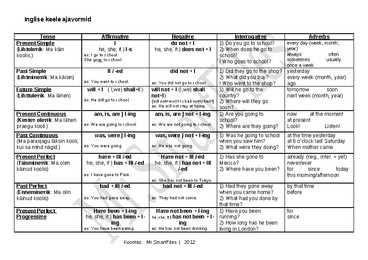
Simple Continuous/Progressive Perfect Perfect Continuous Present Tegusõna algvorm be + -ing have/has + 3.v have/has been + -ing I work. He works. I am working. I have worked. I have been working. Past 2.v was/were + -ing had + 3.v had been + -ing I worked. I was working. I had worked. I had been working. Future will + 1.v will be + -ing will have + 3.v will have been + -ing I will work. I will be working. I will have worked. I will have been working. Future in the Past would + 1.v would be + -ing would have + 3.v ...
Present Simple Past Simple Present Continuous Past Continuous Going To Future I pv IIpv I AM I was/where +ing I am + going to + I pv (he,she,it) I pv +S (õpiku taga! ED) He/She/it is + ing He/she/is was +ing He/she/it is+ going to +I pv We /they ARE +ING You/we/they were +ing You/we/they are+ going to +I Eitus: Eitus: Eitus: Eitus: Eitus: Don't +I pv DIDn't +Ipv I AM not + I + ING I was not +ing I am not + going to + I pv He/She/it isn't + ing He/she/it wasn't + ing He/she/it is not+ going to +I p ...
Simple I work II (-ed) Will + I usually Don’t work Didn’t work Will not work Continuous am/is/are + V-ing Was/were + V-ing Will+be+V-ing Продолжитель. Isn’t working now Wasn’t working Won’t be working Perfect Have/has + III Had + III Will have + III
AVTIVE VOICE PASSIVE VOICE PRESEN PAST FUTURE PRESEN PAST FUTURE T T v do V+ed II am was will be v+ed v+s does did Will+v is v + ed were +ed are am Was/ Will be + am Was/were + is + v + were+v+ing v + ing is being + ed _ ing being+ed are are have Had+v+ed Will+have have HAD BEEN WILL + +v + v+ed has + v+ed HAVE +ed/III been+ed BEEN+v+ed has Have Had been Will+ Has +v+ing have been _ _ _ +been/ + v+ing +v+ing
Olevik: PS He/she/it + -s /Does I/you/we sama /Do PC am/is/are + -ing PP ... + Have/has + III PPC ... + Have/has been + -ing Minevik: PS -ed/III PC Was/were + -ing PP I/she/it/you/they + Had + -ed/III PPC - ... + had + been + -ing PPS - ... + have/has + III Olevik: Present Simple Lihtolevik: Tegijale harjumuspärane, tihti korduv tegevus, loodusseadused, sõiduplaanid, püsiv olukord. Eevery day/month/ year/once twice a week /often/ usually/ always/seldom/never. Tulevikku väljendades pärast: when, after, as soon as, until. Olekut väljendavate tegusõnadega: Like, love, hate, enjoy, prefer, adore; See, hear, smell, taste, feel, look, sound; Know, believe, understand, realise, remember, forget, notice, recognise, think, seem; Be, contain, include, belong, need, cost, mean, want, have, wish, own. He/she/it + -s /Does I/you/we sama /Do Present Continuous Kestev olevik: Tegevus toimub praegu. Tegevus toimub lähiajal....
(Lihttulevik: Ma lähen) not+I) country? next week (month, year) ex: He will go to school. [will not=won't / shall not=shan't] 2) Where will they go ex: He will not stay at home. soon? Present Continuous am, is, are } I-ing am, is, are } not + I-ing 1) Are you going to now at the moment (Kestev olevik: Ma lähen school? at present praegu kooli.) ex: We are going to school. ex: We are not going to school. 2) Where are they going? Look! Listen!
Luuletajale paslik: sooserval asuv külkaküla Ahunapalu, kus elas ja töötas HendrikVisnapuu ca 100 aastat tagasi. - Kaido Einama (admin) HendrikVisnapuu elulugu Henrik Visnapuu sündis 2.01. (21. 12.) 1890 Viljandimaal Helme kihelkonnas talusulase perekonnas. Ta õppis kõigepealt Reola vallakoolis, seejärel Ropka ja Sipe ministeeriumikoolides ning Tartu linnakoolis. 1907. aastal sooritas ta Narva gümnaasiumi juures algkooliõpetaja kutseeksami, töötades pärast seda õpetajana erinevates koolides. 1916. aastal sooritas Visnapuu eksternina küpsuseksami Aleksandri gümnaasiumis, pärast mida oli mõnda aega üliõpilane Tartus ja Berliinis. 1917. aastal töötas Visnapuu ajakirjanikuna "Tallinna Teataja" toimetuses. 1935. aastani oli ta vabakutseline ajakirjanik, seejärel aga asus tööle riikliku propagandatalituse kultuuriosakonna nõunikuna Tallinnas. Ta oli ka "Uus Eesti" toimetuse ...
Simple Continious Perfect to be + ing to have + III pv/ -ed I pv. is/am/are + ing Present -s (3 pööre) have/has + III pv/ -ed -/? Do, Does II pv. / -ed Past was/were + ing had -/? Did + I pv. Future Will + I pv. will be + ing will have
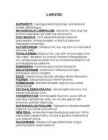
1. MÕISTED SUFRAZETT- Naisõiguslased Inglismaal, kes taotlesid endale valimisõigusi. MAJANDUSLIK LIBERALISM- Seisukoht, mille järgi riigi kontroll majanduse üle tuleb viia miinimumini. KUIV SEADUS- 1920 aastal kehtestatud alkoholi keeluseadus, millega looddeti, et alkoholi tarbimine lõpetatakse Ameerikas. AUTORITARISM- Diktatuuri liik, kus riigi võim on koondatud ühe isiku kätte. TOTALITARISM-Diktatuuri liik, riigi võim on koondatud ühe isiku kätte, diktaatoril on kontroll inimeste mõtteavalduste üle. sellega kaasnes pidev hirm ja inimeste küüditamine või surmalaagritesse saatmine. DOMINIOON- Inglismaa autonoomne liikmesriik. ISOLATSIONISM- Ameerika ei sekkunud Euroopa poliitikasse vaid oli omaette. DUCE- Itaalias kutsuti Duceks diktaator Benito Mussolinit FÜÜRER- Saksamaal kutsuti Hitlerit führeriks KOMMUNISM- Mittedemokraatlik riigikord, kus ülistati töölisrahvast. SOTSIAALDEMOKRAATIA- Demokraatlik liikumine,...
Present Simple (lihtolevik) Abitegusõnu do, does kasutatakse ainult + 1.põhivorm + (e)s he, she, it eitavates ja küsilausetes. - do (does) + not + 1.põhivorm ? do (does) + 1.põhivorm Väljendab: Korduvat tegevust, püsivat olukorda, sõiduplaanide jms. Seotud tulevikku Spikkrisõnad: always, sometimes, seldom, often, usually, once a week, twice a day, every day, on Mondays Present Continuous (kestev olevik) Be(am, is, are), kasutatakse jaatavates, + be (am, is, are) + 1.põhivorm ing eitavates ja küsilausetes. - be (am, is, are) + not+ 1.põhivorm -ing ? be (am, is, are) + 1.põhivorm ing Väljendab: Praegu toimuvat tegevust, praeguse momendi vältel toimuvat tegevust, ettekavatsetud tegevus tulevikus Spikkrisõnad: now, at the moment, at 6'clock, today Present perfect (täisminevik...
HENRIK VISNAPUU (1889-1951) Marindra Soikka 9.A ELULUGU Sündis Viljandimaal sulase pojana. Õppis Reola vallakoolis ja Ropka ministeeriumikoolis. Aastal 1907 läbis ta Narva Gümnaasiumi juures algkooliõpetaja kutseeksami ja hakkas vallakooli õpetajaks. Õppis Taru ülikoolis klassikalist filosoofiat. Töötas vabakirjanikuna Tartus, oli rühmituse Siuru üks asutajaliikmeid, abiellus Hilda Elfriede Franzdorfiga (Ing). 1934. aastal asus Tallinnasse. Töötas dramaturgina, ajalehes Uus Eesti, kultuurinõunikuna ja ajakirja Varamu toimetajana. 1944. aastal põgenes Saksamaale, 1949. aastal emigreerus USA'sse. Aastal 1951 suri New Yorgis. LOOMING Tema luuletusi hakati avaldama ajakirjanduses 1908. aastast. Kasutas loodushäälte jäljendusi ehk onomatopöad (nt ,,tsiotsio, eo-eo! Tillo paoleo!", ,,Hulus peni suu. Huu! Huu!"). Pööras palju tähelepanu häälikute kokkukõlale ( nt käega, väega, õitsed, päiksed, väiksen). Äratas tähelepanu futuristli...
PRESENT PRESENT PRESENT PRESENT PAST SIMPLE PAST PAST PERFECT PAST PERFECT SIMPLE CONTINIOUS PERFECT PERFECT CONTINUOUS SIMPLE CONTINUOUS SIMPLE CONTINUOUS Lihtolevik Kestev olevik Täisminevik Kestev Lihtminevik Kestev minevik Enneminevik Kestev täisminevik enneminevik I pv Am/is/are, I pv, Has/have, III Has/have, II pv, -ed Was/were, -ing Had, III pv Had, been, -ing -ing pv/-ed been, -ing *Recurring *Action *(Giving new *Acti...
7. Verb: The principal forms of the verbs: Verbil on 4 põhivormi: Regular verb Irregular verb 1. the base form Talk Speak üldoleviku tüvivorm 2. the past form/ -ed form Talked Spoke üldmineviku vorm 3. the past participle (-ed Talked Spoken participle) mineviku kesksõna 4. the present participle (- Talking Speaking ing participle) oleviku kesksõna The tenses: Expressing the future: Simple Perfect Continuous Perfect Continuous Present Base Have / has + to be + base+ ing has/ have been +s + pariticiple base+ -ing He drinks tea at ...
Aktiiv Passiiv Present Tegusõna algvorm be + 3.v Simple Somebody cleans this room every day. This room is cleaned every day. Past Simple 2.v was/were + 3.v Somebody built this house in 1895. This house was built in 1895. Future Simple will/shall + 1.v will/shall + be + 3.v People will forget this soon. This will be forgotten soon. Present be + -ing be + being + 3.v Progressive Somebody is cleaning the room right now. The room is being cleaned right now. Past was/were + -ing was/were + being + 3.v Progressive Somebody was cleaning the room when I The room was being cleaned when I ...
PRESENT CONTINUOUS Klaarika Kaljula 9a Use 1.Present actions 2.Temporary actions 3.Longer actions in progress 4.Future (personal) arrangements and plans 5.Trends 6.Irritation 1.Present Actions Happening at the moment of speaking Most often, we use the Present Continuous tense to talk about actions happening at the moment of speaking. Ex. He is eating a dinner. Mary is talking with her friends. They are swimming in the pool. Stative Verbs There is a certain group of verbs that usually does not appear in the Continuous form. They are called Stative Verbs, and if used in the Continuous form, they have a different meaning. Ex. I think you look pretty today. Meaning: Opinion I'm thinking of moving to San Francisco. Meaning: Act of thinking 2.Temporary Actions Activities continuing only for a limited period of time This tense is also used fo...
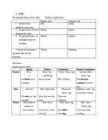
Ing Present Simple Present Progressive/Continuous (lihtolevik) (kestev olevik) I vorm (play) am JAATAV he is I vorm+ing (playing) she I vorm+s (plays) are it do not I vorm (don't play) am EITAV he is not I vorm+ing she does not I vorm are (not playing) it (doesn't play) Do I vorm (Do ... play ... ?) KÜSILAUSE ...
Ing Present Simple Present Progressive/Continuous (lihtolevik) (kestev olevik) I vorm (play) am JAATAV he is I vorm+ing (playing) she I vorm+s (plays) are it do not I vorm (don't play) am EITAV he is not I vorm+ing she does not I vorm are (not playing) it (doesn't play) Do I vorm (Do ... play ... ?) KÜSILAUSE ...
Ing Present Simple Present Progressive/Continuous (lihtolevik) (kestev olevik) I vorm (play) am JAATAV he is I vorm+ing (playing) she I vorm+s (plays) are it do not I vorm (don't play) am EITAV he is not I vorm+ing she does not I vorm are (not playing) it (doesn't play) Do I vorm (Do ... play ... ?) KÜSILAUSE ...
Present tenses : 1) Present simple regular actions and routines especially with frequency(kordumine ) adverbs(määrsõna) N: Do you go to school by car every day ? I don't often watch TV. 2)Present continuousbe + verb + ing. Actions happening now N; Look! It's snowing. I'm meeting Jane tonight. You're always losing things. 3)keep + ingto describe habitual actions which may be irritating. N: my uncle keeps making silly jokes. Present perfect: 1) Present perfect simple: have/has + past participle. N: I've been here for ten minutes .The phone has rung ten times today. Look at this cheque,'I've won first prize. They have made a new star wars film. I've just got home. How long have you been here ? Have you ever been to Paris? It's the best book I've ever read. It's the first time I have ever been abroad. 2)Present perfect continious : have/has + been + ing. N:I'v...
19.saj lõpul jõudis maailma imperialismiajastu. Esialgu lähtus rahvusluse ideoloogia kõigi rahvaste võrdsuse põhimõttest, suuremate rahvaste juures tõstis pead sovinism e. marurahvuslus, nurgakiviks oli oma rahvuse teistest paremaks pidamine. See andis õigustuse imperialismile suurriiklikele püüetele saavutada võimalikult suur mõjuvõim kogu maailmas. Riigi huvid kõikjal maailmas, koloniaalvallutused ja majanduslik mõjuvõim. Vähem arenenud maad muudeti tugevamate maade tööstuse toorainebaasiks ning turuks. Levis Euroopa tsivilisatsioon, juhtmõtteks isikuvabadus, eraomand ja demokraatia (ainuvõimalik), muid poliitilisi kordi peeti mittetsiviliseerituks ja mahajäänuks. Suurriigid Poliitiline olukord Majanduslik olukord Välispoliitilised taotlused Suurbritannia *põhiseaduslik monarhia *vabakaubandus *rivaliteet Saksamaaga *...
· Plans · Promises, threat · Formal language Future simple Will + I · Weather forecast · Conditional sentence · Expecting · Action what definitely happen · Polite (asking) · Waiting progress Future Continuous Will + BE +ing · Describe activity what will cover all future activity · Rele...
DEMOKRAATLIKUD RIIGID 1919-1939 USA, Suurbritannia ja Prantsusmaa näitel Peale I ms järgnes Euroopas demokraatia võidukäik. Kui enne sõda oli 17 monarhiat ja 3 vabariiki, siis 1919.aastal on 13 vabariiki ja 13 monarhiat. Peale Nõukogude Venemaa pole üheski riigis 1919.aastal diktatuuri. Diktatuurid kehtestatakse mitmetes riikides peale 1923.aasta majanduskriisi. I SISEPOLIITIKA JA MAJANDUS 1) riikides kehtisid demokraatlikud konstitutsioonid e põhiseadused, mis sätestasid kodanikuõigused ja -vabadused 2) Riigikorralduselt olid: · USA presidentaalne vabariik - president oli nii riigipea kui ka valitsusjuht · Ing parlamentaarne monarhia · Pr parlamentaarne vabariik 3) Riigipead ja valitsusjuhid: riigipea valitsusjuht USA president president ...
I maailmasõda I maailmasõja põhjused: *vastuolud suurvõimude vahel *ohu alahindamine *sõja ülistamine *rahvusvahelise institutsiooni puudumine *sõjaväelaste surve I maailmasõja tagajärjed: *Suur inimohvrite arv *kadunud põlvkond *uute rahvusriikide teke *jõudude vahekord 28.06.1914-ertshertsog Franz Ferdinandi tapmine 28.07.1914-Austria-Ungari kuulutab Serbiale sõja 1.08.1914-Saksamaa kuulutab Venemaale sõja 7.05.1915-Lusitania uputamine 23.02.1917-streik Petrogradis 3.03.1917-Nikolai II loobub troonist 6.04.1917- USA kuulutas Saksamaale sõja 25.10.1917-Oktoobrirevolutsioon 6.12.1917-Soome iseseisvus 16.02.1918-Leedu iseseisvus 24.02.1918-Eesti iseseisvus 3.03.1918- Bresti rahu 6.01.1918- Asutav kogu Venemaal saadetakse laiali 11.11.1918-Compiegne'I vaherahu 18.11.1918-Läti iseseisvus 28.11.1918- Vabadussõja algus Narva all 23.06.1919-Sõda Landeswehriga 28.06.1919-Versaille' leping 3.0...
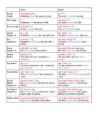
Inglise keeles Eesti keeles + -/? Usage Näited 1. Present Simple Lihtolevik I ajavorm Do, don't, does, doesn't A permanent state, a generally Every day, always, often, (He, she, it + -s) known fact, usual or repeated usually, sometimes, rarely, actions, timetables, sport never, on Monday, in the commentaries, other events morning. Facts. ...
Clauses of Purpose To, in order to/so as to, so that/ in order that, in case, for, with a view To- infinitive (I called mu brother to tell him the good news.) In order to + infinitive et (midagi teha) (I went to the bank in order to apply for a loan.) so as to + infinitive et (She attended a catering course so as to become a chef.) So that + can/ will (present/ future references) (Tommy has moved to the countryside so that he can have more relaxed life.) So that + could/ would (past references) (Sophia bought a sailing boat so that she could sail around the world.) In case + present tense (present/ future references) (Bring an umbrella in case there is a storm in the afternoon.) NEVER USED WITH WILL/WOULD In case + past tense (past references) (We booked a table for six in case Peter brought his wife with him.) NEVER USED WITH ...
Future tenses Present Simple I pv. (Timetables) My bus leaves at 6 am. We are leaving at 6 tomorrow (Present continuous) Present Continuous Tegija + am, is, are + ing I am learning. Kindel tulevikuplaan Be going to 1. Kindlate tõendite põhjal tehtav tulevikuennustus Look at the clouds, its going to rain soon. 2. Tulevikuplaanid (mittekindel) Future Simple Will + I pv. · Tuleviku ennustused, mida tehakse arvamuste põhjal. · Hetkeotsused · Lubadused, ähvardused, pakkumised, palved etc. I will never speak to you again · Tegevused, mis toimuvad meie tahtest sõltumata. She will have a baby in June. Future Continuous Will be + ing Next year I will be graduating from school.' Future Perfect Will have +III pv. I will have eaten my dinner. · Tegevuste puhul, mis saavad olema lõpetatud, mingiks teatud ajaks. Future Perfect Continuous Will have been + ing · Due to - · Be about to -
past simple past continious +2. pv +was/were + 1. pv + ing - I did not play -was/were + not ? did + 1. pv ? was were + ing täishäälik + kaashäälik siis kaashäälik kahekordistub -ed ees y muutub iks e kaob ära kui vaja lisada ing nt write-writing using points 1. lõpetatud tegevus 2.lseeria 3.mingisugusel ajahetkel lõpetatud tegevus 4.hobi või tegevus minevikus past continious 1.vahelesegatud tegevus 2. kindel aeg vahele segajana 3. parralleersed tegevused (while) 4. õhkkonna kirjeldamine palju tegevusi 5. korduv ärritav tegevus present perfect past perfect + have/has + 3. pv +had + 3. pv - have/has not + 3.pv -had + not + 3pv ?havve/has enne tegijat + 3. pv ? had enne tegijat + 3.pv using points 1. täpsustamata aeg enne praegust , a)kogemus b)ajavältel muutund tegevus c)...
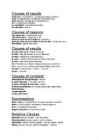
Clauses of results Such a/an + omadussõna + ainsuses loendatav nimisõna Such + omadussõna + loendamatu nimisõna/mitmus Such a lot of + loendamatu nimisõna/mitmus So + omadussõna/määrsõna So much/little + loendamatu nimisõna So many/few + mitmus Clauses of reasons The reason for + nimisõna/-ing vorm The reason why + clause (he verb) Because of/on account of/due to + nimisõna Because of/on account of/due to the fact that + clause (he verb) Now (that) + clause (they verb) Clauses of results In order to/so as to + infinitive (formal) So that + can/will (present or future reference) So that + could/would (past reference) In case + present tense (present or future reference) In case + past tense (past reference) For + nimisõna (kui tahame väljendada tegevuse eesmärki) For + -ing vorm (kui tahame väljendada millegi funktsiooni) Prevent + noun/pronoun + (from) + -ing vorm Avoid + -ing vorm Clauses of contrast Although/even though/though + cl...
Teine maailmasõda Euroopa 1938-1939 1937 a novembris toimus Hitleri juures nõupidamine, selles nõupidamisel pm käistleti Saksamaa eluruumi küsimust ja et sm alad on liiga väikesed ja rahvus elab sm piiridest väljas ja ressursse on väha ja et tuleb eluruumi suurendada relva jõul. Pandi paika ka millal peaks see toimuma. Lähim daatum oleks olnud 1938ja kaugem 1943-45. Tegelikusses võeti see kõige varasem daatum. 1938 aastaks oli välja töötatud plaan Otto. See nägi ette Austria liidendamist Saksamaaga. Tehti ka varasaem katse austriaga liidendada 1934 aastal. See ei jõustunud sest itaalia oli vastu, kuna sellel aastal nägi itaalia oma huvipiirkonda põhja pool. Huvipiirkond on vahemere lõunaosa. Märtsis 1938 viis saksamaa oma väed austriasse. Ja austria kuulutati saksamaa osaks. Seda tuntaks anslussi nime all. Kui juba ühendamine oli toimunud siis toimus rahvahääletus, mis kiitis antud sammu heaks. Demokraatlikud lää...
Will+lihtolevik (help,come jne) kindle tegevus If you help me I will help you You won’t pass your exam if you don’t start working harder I’m,are,is+ing (plaanid, kokkulepitud kohtumised) I’m playing football tomorrow. We are having a party tomorrow Lihtolevik (kindel aeg, kuupäev jne) The holidays start next week The train arrives at 6 in the morning (Be) going to (plaanid, kokkulepitud kohtumised, midagi võib juhtuda) I’m going to drive to work today I think its going to rain. Will be+ing (tegevus mis juhtub täpselt samal ajal nt nädala pärast) (tegevus mis on rutiinne) This time next week I will be sun –bathing. You will be seeing John in the office tomorrow, wont you? Will have+3 vorm (nähes ennast tulevikus ja vaadates tagasi lõpetatud tegevusele) ps: tavaliselt lause ees on month, year, week jne A month from now he will have finished all his exams. I...
The gerund form -ing The gerund form -ing is used: After some main verbs. (admit, appreciate, consider, delay, deny, detest, dislike, enjoy, escape, face, feel like, finish, forgive, give up, imagine, involve, mention, mind, miss, postpone, practise, prefer, put off, recommend, resent, risk, suggest, understand) I do not recommend going to that restaurant. After an adjective, verb or noun followed by a preposition. She is really good at swimming. He apologised to arriving late. I quite like the thought of working in a travel agency. In some fixed expressions I can not bear listening to people who complain. I can not help feeling that he is cheating us. That book is not worth reading. The infinitive with to The infinitive with to is used: After some main verbs (afford, agree, appear, arrange, ask, attempt, bear, begin, care, choose, consen...
 annaabi.ee