 50 punkti
Autor soovib selle materjali allalaadimise eest saada 50 punkti.
50 punkti
Autor soovib selle materjali allalaadimise eest saada 50 punkti.
 ~ 10 lehte
Lehekülgede arv dokumendis
~ 10 lehte
Lehekülgede arv dokumendis
 2010-01-10
Kuupäev, millal dokument üles laeti
2010-01-10
Kuupäev, millal dokument üles laeti
 8 laadimist
Kokku alla laetud
8 laadimist
Kokku alla laetud
 0 arvamust
Teiste kasutajate poolt lisatud kommentaarid
0 arvamust
Teiste kasutajate poolt lisatud kommentaarid
 trinzuz
Õppematerjali autor
trinzuz
Õppematerjali autor
Was the king of the Scots in Dalriada 843 he united the Pictish and Scottish kingdom and had himself crowned United Scotland became known as Kingdom of Alba For two C-s Scotland developed under Pictish rule Malcolm III Canmore and Queen Margaret He was the king of Scotland He married to Margaret of the house of Wessex, whose favour secured Anglo-Norman secular They had several children Queen Margaret became a saint Malcolm fought wars against the Kingdom of England, had to acknowledge the overlordship of the English King Malcolm´s accession to the throne is the The Anglo-Norman invasion of Scotland Queen Margaret invited the Anglo-Normans to settle in They gave the Scottish king some land, anglo- normans pledged loyalty to that They established themselves in Scotland and built castles where Scottish kings would hide in trouble Some Scottish nobles came to live under The
to Scotland. Welsh king repeatedly refused to pay homage to Edward so he raised a huge army and began his first campaign against the Welsh prince. After this campaign, the Welsh prince was forced to pay homage to Edward and was stripped with a little territory. His brother started rebellion and was soon joined by the prince and many other Welshmen in a war of national liberation. The war was won by Edward. The Welsh wars damaged the English treasury due to the money spent on new troops and new castles to be built. *Prince of Wales 1301 Since 1301, the Prince of Wales has usually been the eldest living son of the King or Queen of England. Edward II became Prince of Wales in 1301. He was the first English prince to hold the title Prince of Wales. The Welsh are said to asked the King to give them a prince who spoke Welsh and he answered he would give them a prince that spoke no English at all
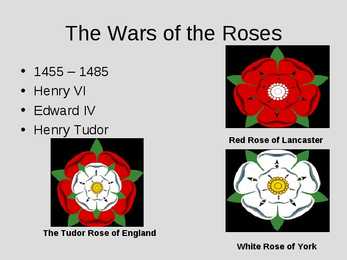
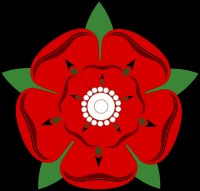
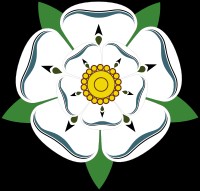
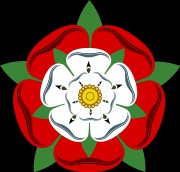
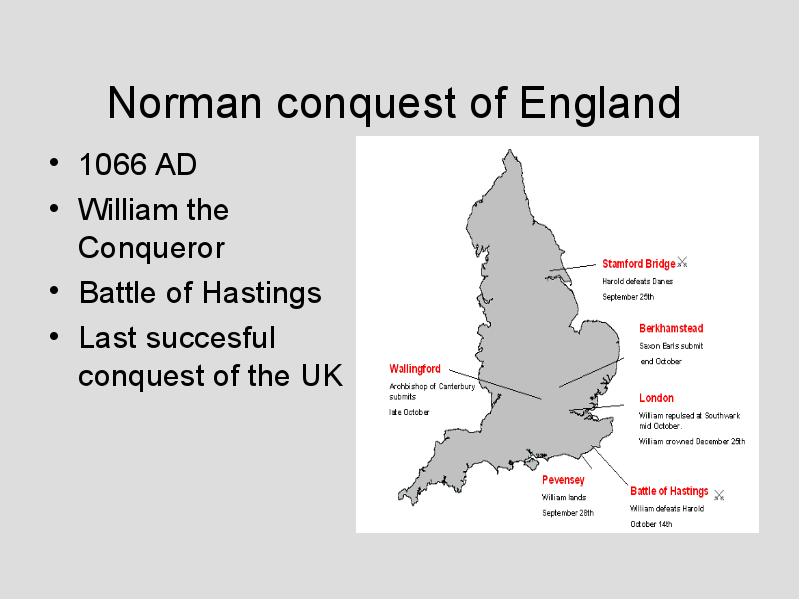
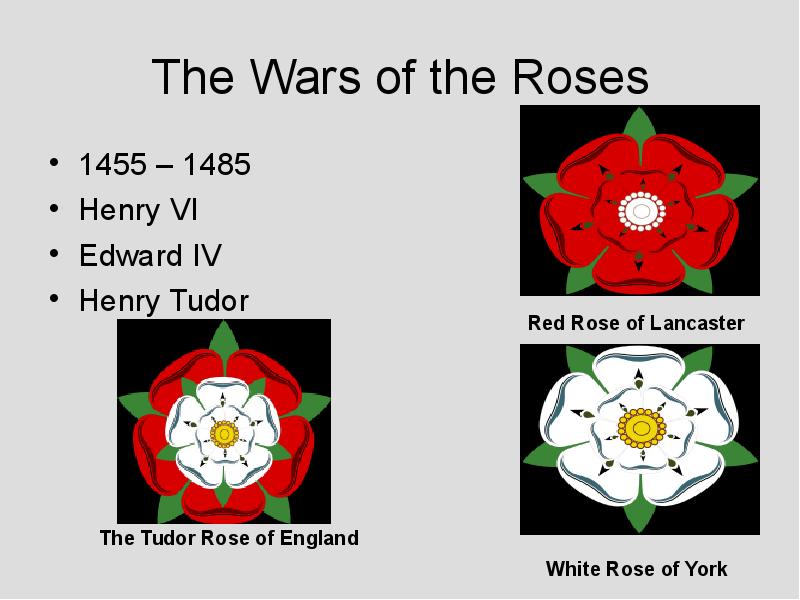
centralised country, military rule Scotland, Wales and Ireland conquered Norman castles built spoke Norman French 1170 the murder of Archbischop Thomas a Becket in Canterbury Cathedral ( the religious centre of England & the Anglican church of the whole world ) late 12th century : Robin Hood 1215 the Magna Carta ( personal and political liberty, signed by the king & the barons ) The first legal document! 1337 : the Hundred Year's War 1348 the Black Death 14551485 : the Wars of the Roses for the throne of England, fought by two parts of the Royal family: House of Lancaster(red rose) and the House of York(white rose) House of York won > Henry Tudor became Henry VII The Tudors 16th c. a lively period : new learning, sea exploration, naval victories, trade expansion 1588 : the sinking of the Spanish armada ( Sir Francis Drake naval leader, first Englishman to sail around the world Walter Raleigh : explorer of America, brought potatoes &tobacco to England
The high taxation necessary to finance the war and the Black Death (1348) led to such extreme hardship for the peasant class that there was a revolt in 1381. Although the Peasant's Revolt was soon put down, it led to greatly improved conditions for the peasant class and was the first step towards the ending of the feudal system in England. The Tudors Tudor Period began when Henry VII (Henry of Tudor) of the House of York defeated Richard III of the House of Lancaster in the Wars of Roses and he was crowned as the King of England. Henry VII united the two rival houses and started the Tudor dynasty. During Henry's reign the medieval period came to a close. There was a revival, or Renaissance, of learning, partly as a result of the printing press, which ended the Church's monopoly of learning. Henry's son and heir, Henry VIII created the Royal Navy, which culminated with the sinking of the Spanish Armada in 1588
The final outcome was that the King's promises were ignored, and the oppression of the peasants continued. In 1382 the Bible was translated into English by John Wycliffe. In 1399 Richard II was succeeded by his grandson Henry IV. He lead England until 1413 and was then succeeded by his son Henry V. Henry V reign lasted until 1422. In 1422 his son Henry VI got on the throne. In 1453 the Hundred Years War ends. The only English possession on Continental Europe was Calais. Already in 1455 the Wars of the Roses began. The Wars of the Roses were a series of civil wars fought in medieval England from 1455 to 1487 between the House of Lancaster and the House of York. In 1461 the youngest son of Edward III, Edward IV, was crowned as the new king of England. He lead England until 1483 and was succeeded by Edward V. Edward V's reign lasted only for a few months. In 1483 Richard III got the power. He brought the Middle Ages to an end. In 1485 Henry VII succeeded Richard III. He
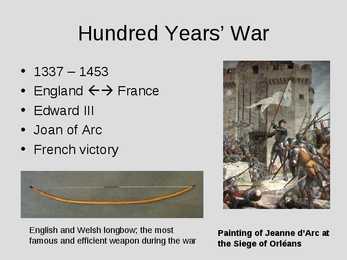
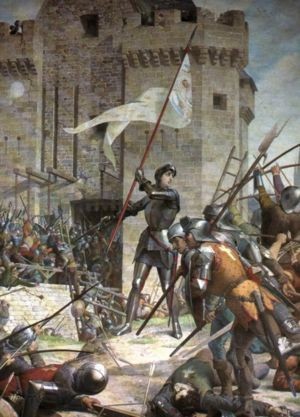
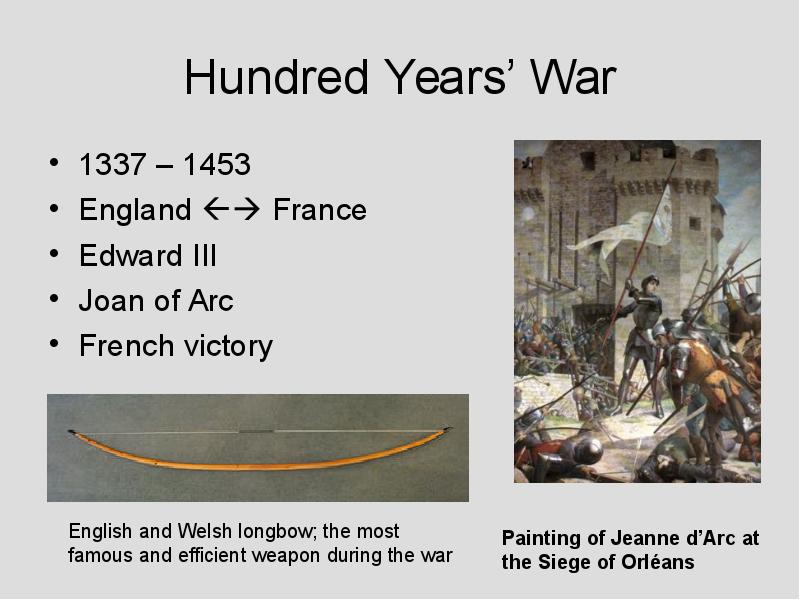
Many words which are generally conceded to be merely English, actually have their roots in French. Just pick up a dictionary to see. 13. Magna Carta The Magna Carta is an English legal document written in 1215 CE which had a huge influence on the developing legal system of England. The proper name for the Magna Carta is the Magna Carta Libertatum, the Great Charter of Freedoms. By establishing Magna Carta the King was not above the law. 14. 100 year war - a series of separate wars lasting from 1337 to 1453 between two royal houses for the French throne, which was vacant with the extinction of the senior Capetian line of French kings. The two primary contenders were the House of Valois and the House of Plantagenet, also known as the House of Anjou. The House of Valois claimed the title of King of France, while the Plantagenets from England claimed to be Kings of France and England. Plantagenet Kings were the 12th century
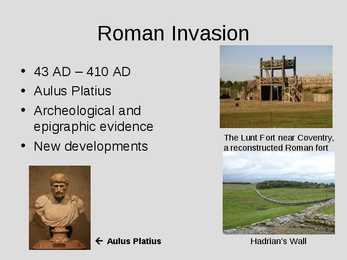
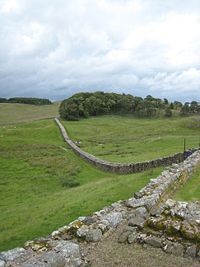
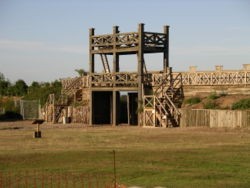
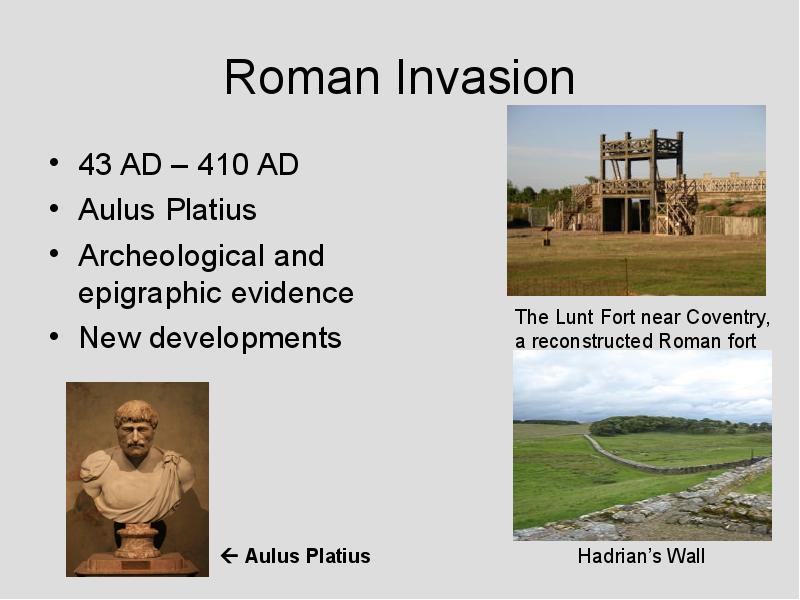
British history Roman Britain Roman Britain was those parts of the island of Great Britain controlled by the Roman Empire between 43 and about 410. The Romans referred to their province as Britannia. Prior to the Roman invasion, Iron Age Britain already had cultural and economic links with Continental Europe, but the invaders introduced new developments in agriculture, urbanization, industry and architecture, leaving a legacy that is still apparent today. Historical records beyond the initial invasion are sparse, although many Roman historians mention the province in passing. Most of the knowledge of the period stems from archaeological investigations and especially epigraphic evidence. The invasion force in AD 43 was led by Aulus Plautius.It is not known how many Roman legions were sent; only one legion, the II Augusta, commanded by the future emperor Vespasian, is directly attested to have taken part. The IX Hi
o Nobles, or barons, were responsible directly to the king, lesser lords, were directly responsible to a abaron. Under them were the peasants who had strict duties and obligations and were forbidden to travel without permission.(anglo-saxons) o This was the start of the english class system The Tudor dynasty o 1485-1603, Henry VII, Henry VIII, Mary I, Elizabeth I o Wars of the Roses o Social reforms, political reforms(Parliament split into two houses: the House of Lords and the House of Commons.) o Henry VIII established the Church of England. o Spanish Armada was defeated by Sir Francis Drake. o Sir Walter Raleigh- exploration, the beginning of the British Empire o The Renaissance culture began, for example Shakespeare, who created the Globe Theatre. A wealthy and prosperous period in history. Analysis of 17th century
 annaabi.ee







Kõik kommentaarid