 5 punkti
Autor soovib selle materjali allalaadimise eest saada 5 punkti.
5 punkti
Autor soovib selle materjali allalaadimise eest saada 5 punkti.
 ~ 9 lehte
Lehekülgede arv dokumendis
~ 9 lehte
Lehekülgede arv dokumendis
 2013-05-01
Kuupäev, millal dokument üles laeti
2013-05-01
Kuupäev, millal dokument üles laeti
 5 laadimist
Kokku alla laetud
5 laadimist
Kokku alla laetud
 0 arvamust
Teiste kasutajate poolt lisatud kommentaarid
0 arvamust
Teiste kasutajate poolt lisatud kommentaarid
 Schiffer
Õppematerjali autor
Schiffer
Õppematerjali autor
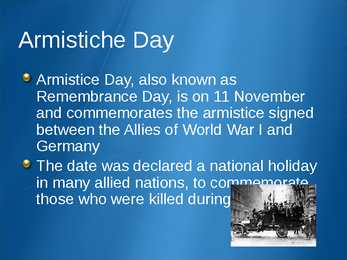
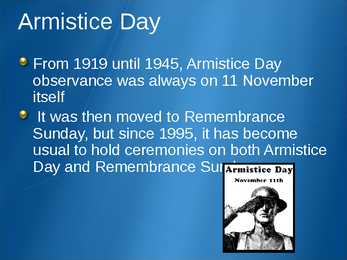
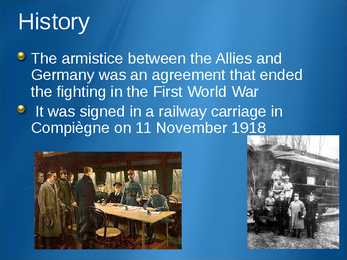
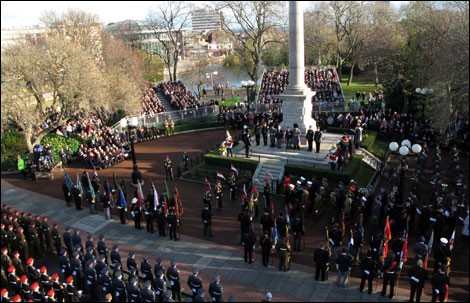
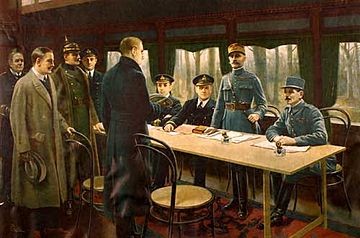
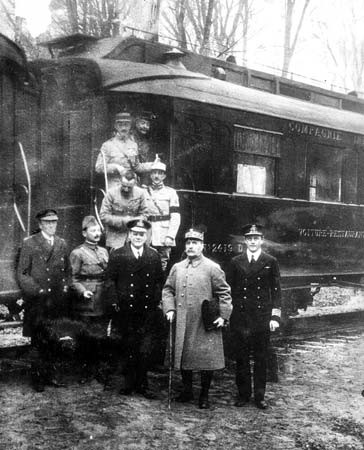
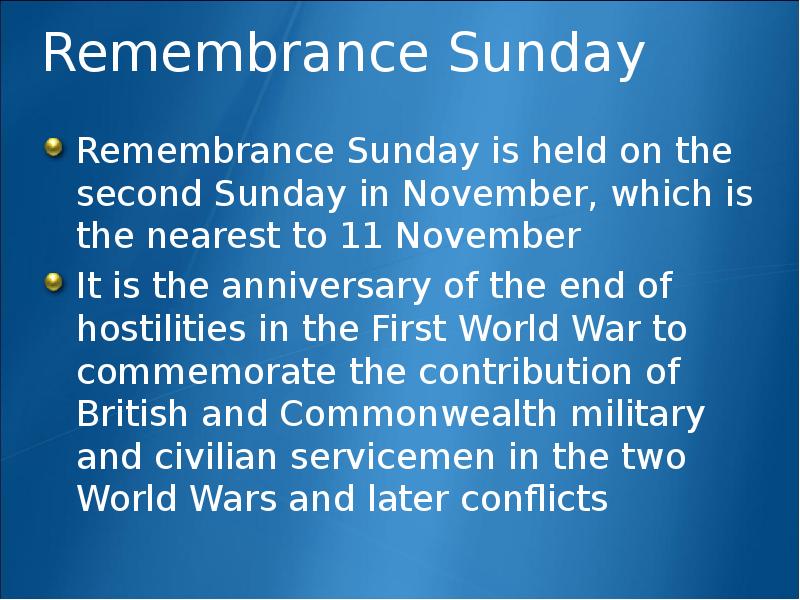
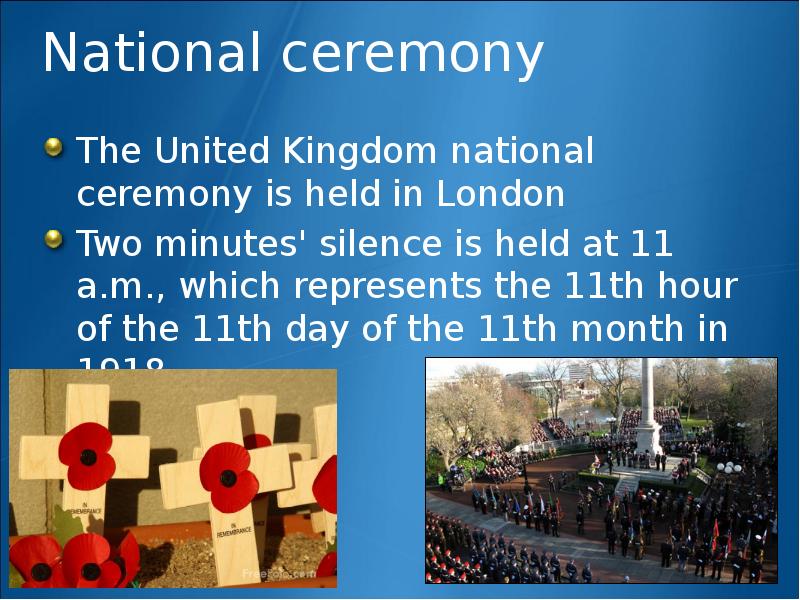
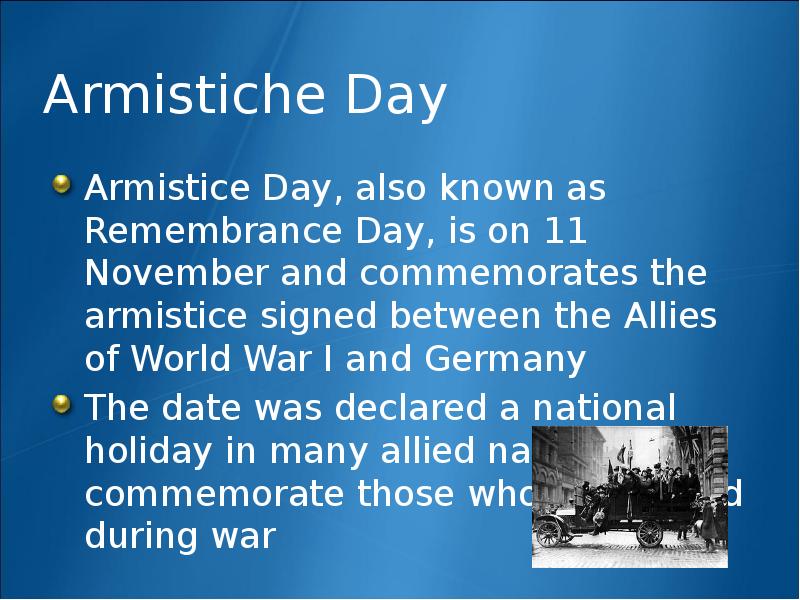
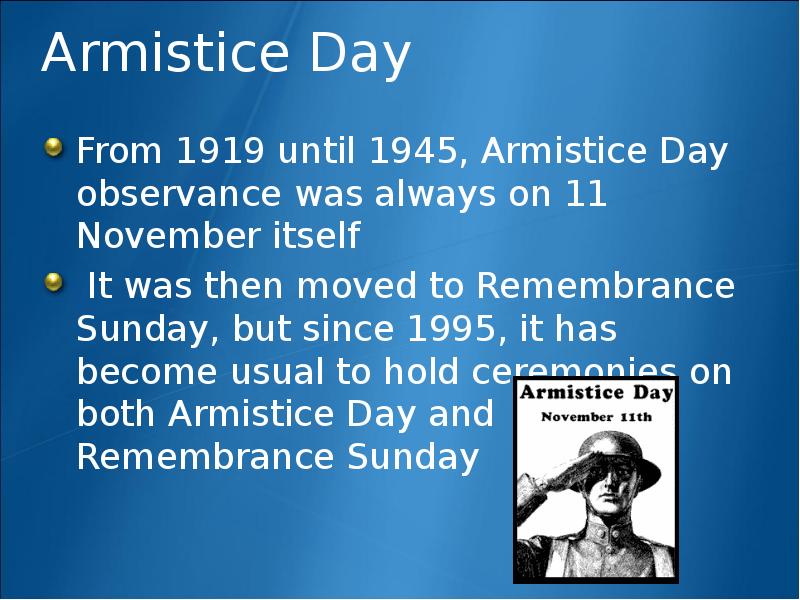
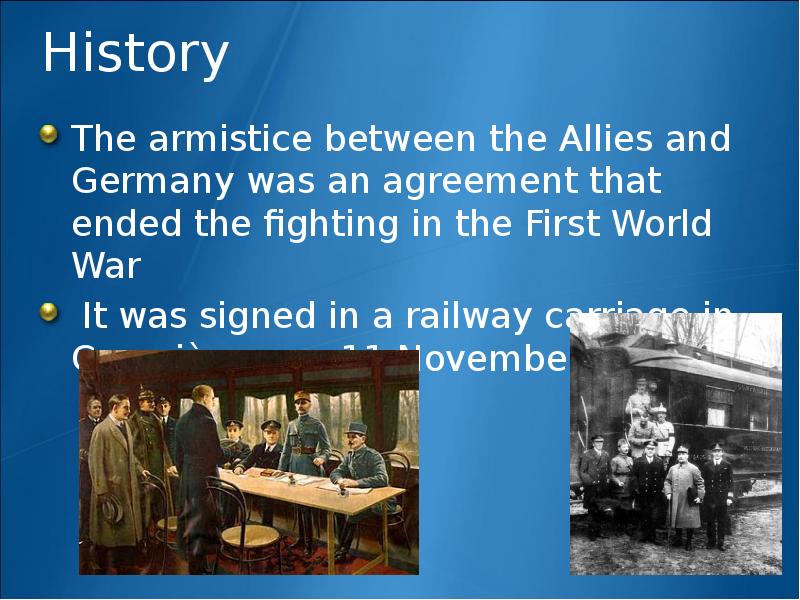
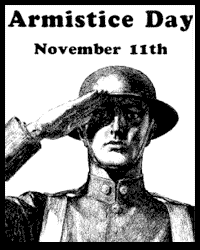
It is the national day of Canada, which celebrates Canada's 1867. Confederation and establisment on dominion sates. The first Canada Day was on July 1st, 1867. It used to be called Dominion Day In newfoundland and Labrador observed as Memorial Day. Most communities across the country will host organized celebrations for Canada Day, usually outdoor events, such as parades, carnivals, festivals, barbeques, air and maritime shows, fireworks and free musical concerts. Remembrance Day- November 11th Thousands of soldiers that died in World War I were mostly buried in Belgium's Flanders Fields. World War I ended on exactly 11:00 AM on November 11th, 1918- the 11th hour of the 11th day of the 11th month of 1918. Remembrance Day is also known as Armistice Day. Remembrance Day is a remembrance day for the soldiers the died in World War I and II. Victoria Day- the Monday before May 24th. This holiday was celebrated since 1952
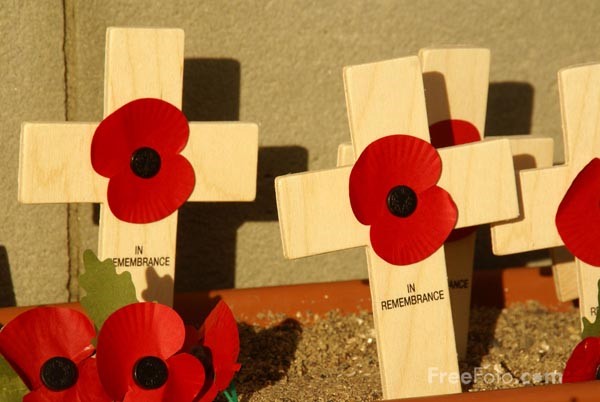
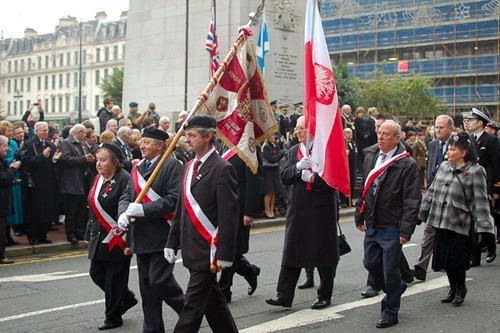
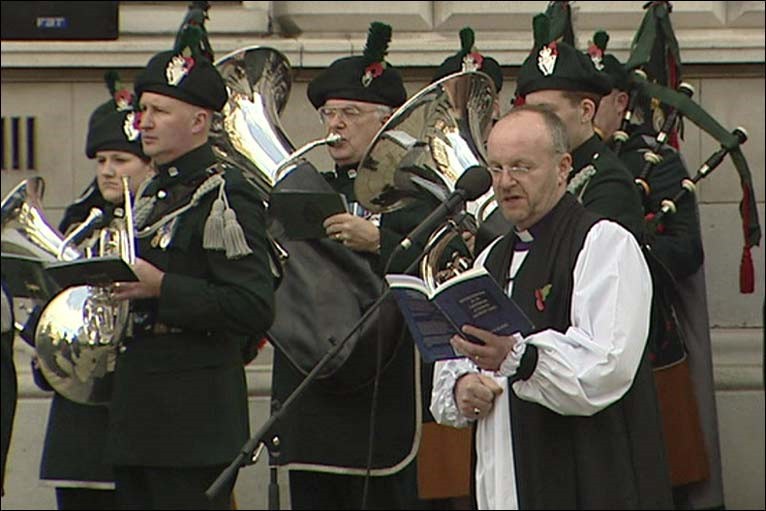
off fireworks and burning home-made Guy Fawkes figures on bonfires. 34. Easter. A moveable holiday, which lasts four days in Britain, from Good Friday to Easter Monday. Schools close for two weeks. On Good Friday people traditionally eat small sweet rolls, toasted with butter and containing currants, with a cross on top representing the wooden cross Jesus died on – hence their name – “hot cross buns”. On Easter Sunday Christians celebrate the resurrection of Christ. Most people give each other chocolate eggs of all sizes, which are usually hollow or contain sweets. Families with children often have Easter Egg Hunt, in which everybody must look for eggs hidden in the house or the garden. Easter is first and foremost a spring holiday to celebrate the time of new birth and the reawakening of nature. 35. Remembrance Day.
Estonian War of Independence During World War I the greatest colonial power in Europe the Russian Empire seized to exist. On its ruins the formerly enchained nations founded their own states. Among them was the Estonian Republic, officially declared on February 24, 1918. When Germany surrendered to the Western Allies on November 11, 1918 a strategic vacuum arose in Eastern Europe. The new rulers of Russia the Bolsheviks decided to use it as a proper moment to re-conquer their lost territories. The ultimate goal was international communist revolution and Germany was the first standing on their way. Thus on November 13, 1918 the Government of Soviet Russia denounced peace with Germany. On November 16 the Commander-in-Chief of the Red Army, Jukums Vacietis, gave orders to start a massive attack on a long front from the Gulf of Finland to the Ukraine. On November 28, two divisions of the Red Army (altogether 12,000 troops) crossed the Estonian border. The War of Independence
History exam *Stonehenge - is a monument located in England. It is one of the most famous prehistoric sites in the world and is composed of earthworks surrounding a circular setting of large standing stones. The surrounding circular, earth bank and ditch, have been dated to about 3100 BC. Stonehenge was produced by a culture with no written language. Many aspects of Stonehenge remain subject to debate. There is little or no direct evidence for the construction techniques used by the Stonehenge builders. *The Celts in Britain and their legacy The Cets lived in Britain in The Iron Age. They were warring tribes who were battleful amongst themselves as well as inter-tribal war. They were not centrally governed. The Celts brought iron working, iron ploughs and metal swords, horses, wheels and chariots - all these things gave them an instant superiority over the native tribes. The Celts built a number of hill forts throughout the region. The society
She was a member of the conservative party. She died recently. Winston Churchill was the Prime Minister during WW II. He was excellent in making speeches, but he was a heavy drinker and also smoker. 2. What are the main countries of the UK and their capitals? There are 4: England with London as the capital; Wales with Cardiff as the capital; Scotland with Edinburgh as the capital; and Northern Ireland with Belfast as the capital. 3. What is Remembrance Day all about and why is it celebrated at that time? It is about the men (and women) who lost their lives fighting in the World Wars. It's celebrated then, because that's the day WWI was ended with a treaty. 4. Which powers does the Queen of the UK have? The Queen has to sign all the bills for them to pass. She is the one who opens the Parliament every fall for the next session. She is however more of a representative than an actual decision maker these days. 5
Nearly 80% of all households buy a copy of one of the main newspapers every day. There are more than eighty local and regional papers. The only non-national papers with significant circulation are published in the evenings, when they do not compete with national papers, which appear in the mornings. Most local papers do not appear on Sundays, so that day dominance of national press is absolute. The Sunday Papers are so called because its the only day on which they appear. Until the laws were relaxed in the early 90s, newsagents were the only shops allowed to open on Sundays. National papers can be characterized as belonging to one of two distinct categories. The "quality papers", or "broadsheets", cater for the better educated readers. The popular papers or the "tabloids" sell to a much larger readership. They use larger headlines and write in a simpler style of english
the Republic of Estonia. A modest military parade takes place on Vabaduse väljak and the atmosphere is one of quiet restraint; following the proclamation, it took Estonian soldiers and illequipped volunteers nearly two years to clear the territory of German and Soviet Russian forces. On April Fool's Day (1 April), people delight in playing tricks on each other. Two holidays in June commemorate historical events 11 April Easter Sunday Easter is celebrated from Good Friday to Easter Sunday. Easter eggs are delicately painted, and special foods are eaten during this time. At the Pentecost (50 days after Easter), eggs are painted again. Estonians have called Easter the spring holiday, the egg festival and swing festival. All these names refer to activities carried out during the holidays. According to the ecclesiastical calendar, Lent came to an end on that day and it was allowed to eat meat again. A general custom was dyeing eggs. They were exchanged and presented to friends
London History The Romans AD 43- AD 410 The Romans finally invaded Britain in AD 43 from Kent. The Romans lead by Julius Caesar attempted to invade Britain twice before that in 55 and 54 BC but the invasions were unsuccessful. They made their way to the river Thames and sailed up it. The Romans knew it was important to control a crossing point at the river Thames, so they decided to build a settlement on the north bank. Although small settlements had been built on the banks of the Thames, the Romans were the ones who built the first city. They called their city Londinium. The Roman engineers noticed that the point where the swampy river narrowed would make an ideal crossing point, they built London Bridge. Less than 20 years later the native Iceni tribe, led by Queen Boudicca, rose up against the Romans in revenge for mistreatment and burnt Londinium to the ground. The well disciplined Roman army defeated her forces and Londinium was rebuilt. By AD 100 it had also become the capital o
 annaabi.ee













Kõik kommentaarid