 50 punkti
Autor soovib selle materjali allalaadimise eest saada 50 punkti.
50 punkti
Autor soovib selle materjali allalaadimise eest saada 50 punkti.
 ~ 7 lehte
Lehekülgede arv dokumendis
~ 7 lehte
Lehekülgede arv dokumendis
 2016-10-18
Kuupäev, millal dokument üles laeti
2016-10-18
Kuupäev, millal dokument üles laeti
 2 laadimist
Kokku alla laetud
2 laadimist
Kokku alla laetud
 0 arvamust
Teiste kasutajate poolt lisatud kommentaarid
0 arvamust
Teiste kasutajate poolt lisatud kommentaarid
 MeriliKaarna
Õppematerjali autor
MeriliKaarna
Õppematerjali autor
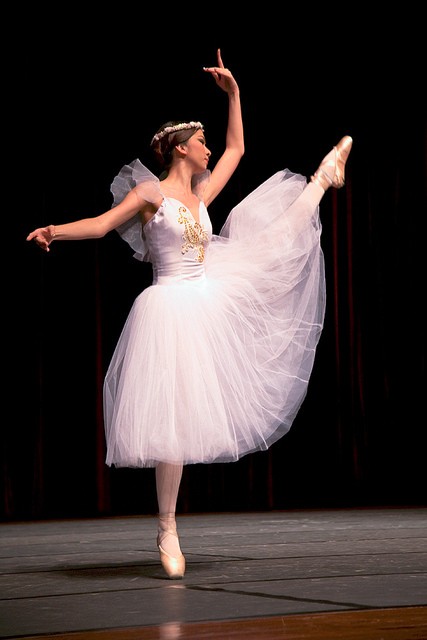
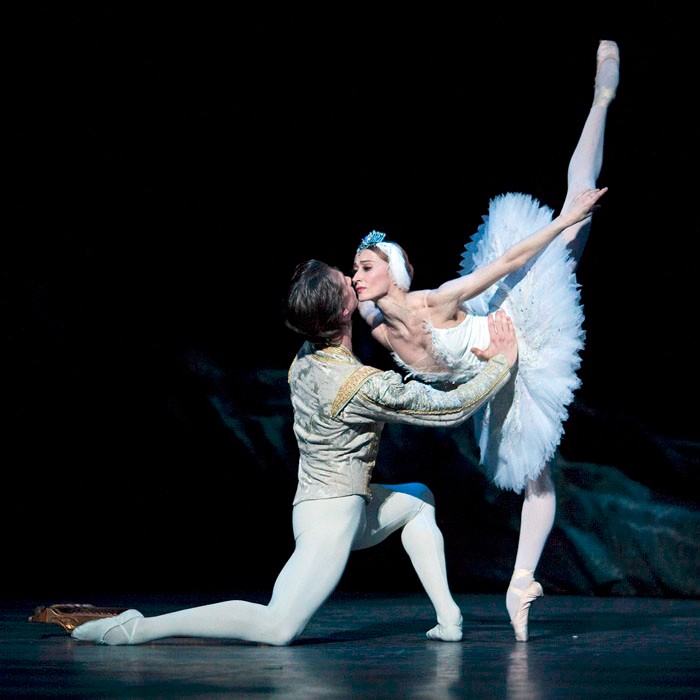
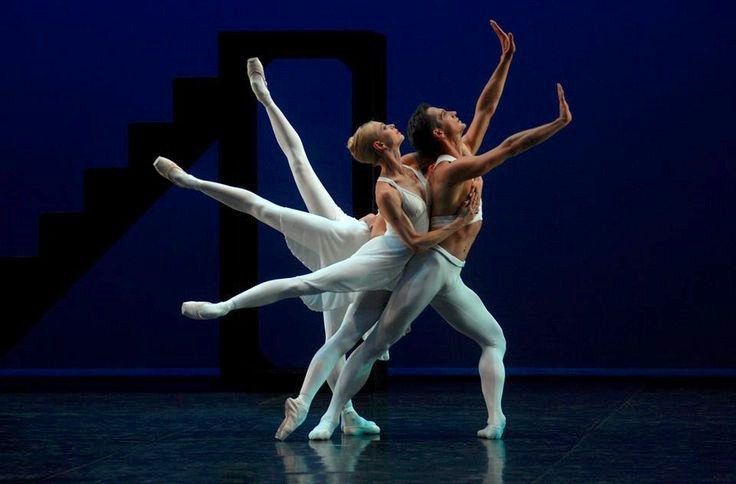
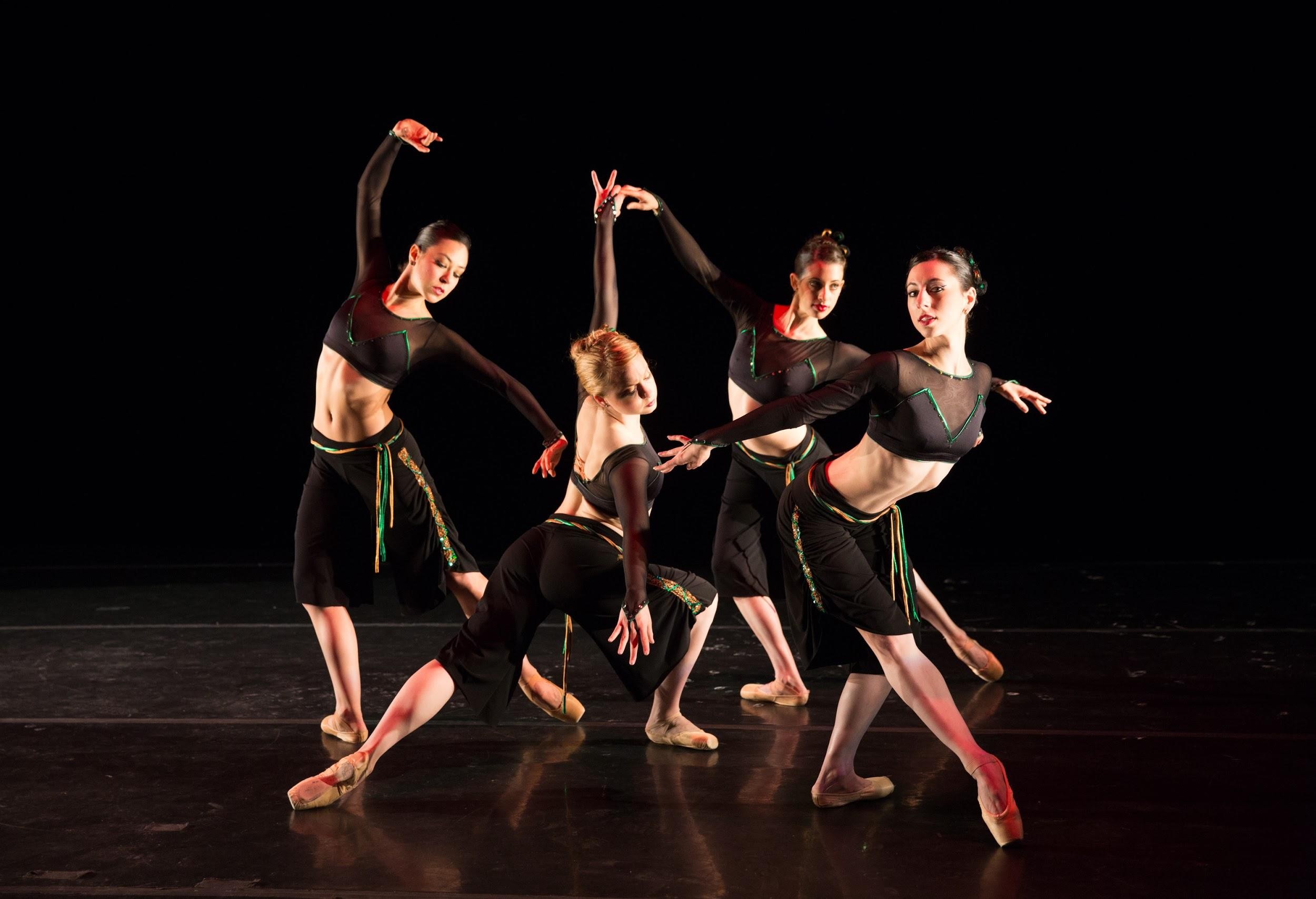
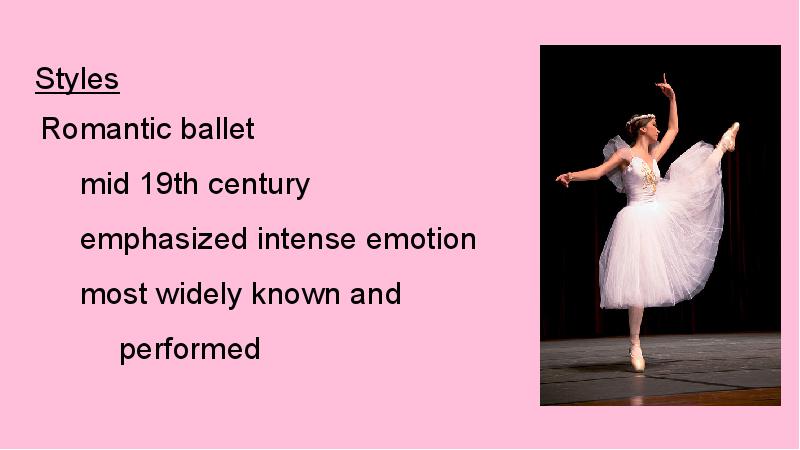
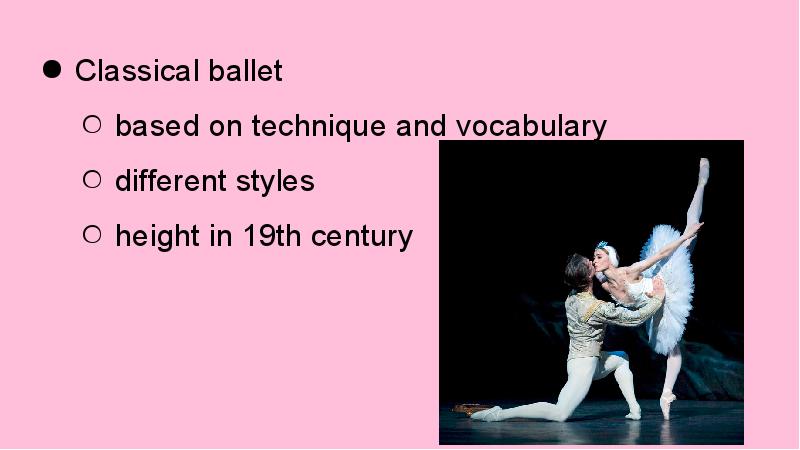
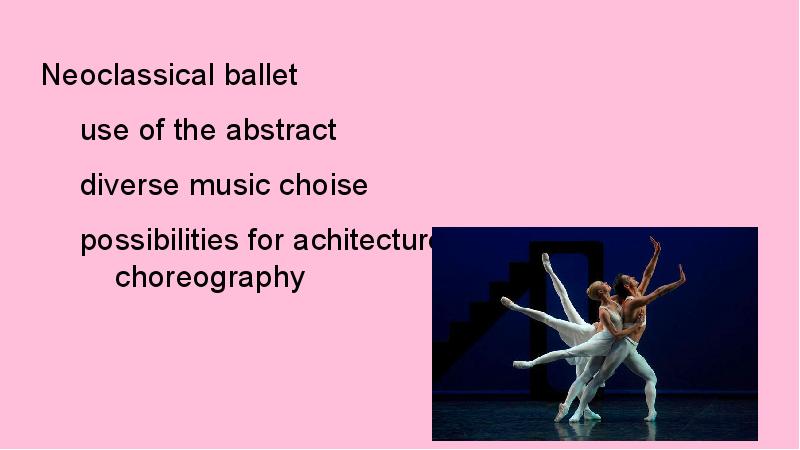
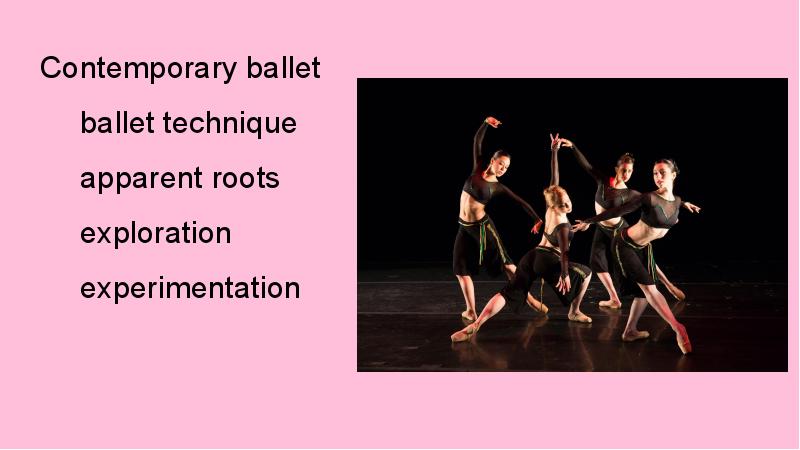
performed, or an event at which it takes place. It can be categorized and described in various ways. Still there’s many generic similarities in dances from many different times and places. Theatrical dance, also called performance or concert dance, is intended primarily as a spectacle, usually a performance upon a stage by virtuoso dancers. It often tells a story, perhaps using mime, costume and scenery, or else it may simply interpret the musical accompaniment. Examples are western ballet and modern dance, Classical Indian dance and Chinese and Japanese song and dance dramas. [3] Dancing has been one of the most popular way to have a good time and to entertain someone. It’s a cultural representation, which involves dancers, choreographers, audience, patrons and impresarios. Dance traditions may be limited to one culture, but they all develope. Ballet is an example of a highly developed Western form of dance that moved to the theatres
Theatre became especially popular amongst Estonians in the second half of the 19th century, as part of the national awakening process. Theatres in Estonia, like elsewhere in the world, may be divided into three categories according to their form of ownership: state, municipal and private theatres. In Estonia, the first prevail; there are 9 state and 1 municipal theatres, the Tallinn City Theatre. The famous music and ballet theatre is the Estonian National Opera in Tallinn. The Russian Drama Theatre is the most popular theatre among the Russian speakers. Despite that the most of the repertory is in Russian, quite a number of Estonian classical plays are staged there. The other important theatres in Tallinn are the Tallinn City Theatre, the Estonian Drama Theatre and the Estonian State Puppet Theatre. 3
INNOVATIONS FROM WESTERN ART AND THE EVOLUTION OF NATIONALLY ORIENTED MUSICAL TRENDS. IV. THE TWENTIES. ARTUR KAPP: ROMANTICIST AND DRAMATIST. V. THE INFLUENCE OF NEW WESTERN MUSICAL TRENDS. HEINO ELLER: A PROGRAMME PAINTER. VI. THE THIRTIES. THE WIDENING OF NATIONAL SYMPHONISM. THE RISE OF ATTENTION TO HISTORY AND FOLKLORE: JUHAN AAVIK, EDUARD TUBIN, EUGEN KAPP. VII. FURTHER MATURING OF SYMPHONIC MUSIC: HEINO ELLER, EVALD AAV, EDUARD TUBIN. THE FIRST ESTONIAN BALLET. SUMMARY OF THE REPUBLICAN PERIOD. HALF A CENTURY UNDER SOVIET OCCUPATION. IDEOLOGY OVER MUSIC. EXTENSIVE INFLUX OF CONTEMPORARY TRENDS. VIII. THE FORTIES. TRANSFORMATION OF ESTONIAN LIFE. THE WAR-TIME SYMPHONIC OUTPUT. IX. THE PLANTING OF NEW CREATIVE PRINCIPLES DURING THE POST-WAR YEARS. X. THE SECOND HALF OF THE FIFTIES. TOWARDS A MODERN IDIOM: EINO TAMBERG AND VELJO TORMIS. XI. THE NEOCLASSICISM AND CONSTRUCTIVE THINKING OF JAAN RÄÄTS. XII
Queen's 80th birthday. Within the City of Westminster, the entertainment district of the West End has its focus around Leicester Square, where London and world film premieres are held, and Piccadilly Circus, with its giant electronic advertisements. London's theatre district is here, as are many cinemas, bars, clubs and restaurants, including the city's Chinatown district, and just to the east is Covent Garden, an area housing speciality shops. The United Kingdom's Royal Ballet,English National Ballet, Royal Opera and English National Opera are based in London and perform at the Royal Opera House, The London Coliseum, Sadler's Wells Theatre and the Royal Albert Hall as well as touring the country. Islington's 1 mile (1.6 km) long Upper Street, extending Northwards from The Angel, has more bars and restaurants than any other street in the UK. Europe's busiest shopping area is Oxford Street, a shopping street nearly 1 mile (1.6 km) long -- which makes it the longest shopping street
kool Research work Styles in interior design nimi TALLINN2010 Interior design is a multifaceted profession in which creative and technical solutions are applied within a structure to achieve a built interior environment. The interior design process follows a systematic and coordinated methodology, including research, analysis, and integration of knowledge into the creative process, whereby the needs and resources of the client are satisfied to produce an interior space that fulfills the project goals. Baroque Baroque (pronounced /brok/ b-ROHK in American English or /brk/ in British English) is an artistic style prevalent from the late 16th century to the early 18th century in Europe.[1] It is most often defined as "the dominant style of art in Eur
of a hand holding a bottle. As an enthusiast of the modern, Léger was greatly attracted to cinema, and for a time he considered giving up painting for filmmaking.[8] In 1923-24 he designed the set for the laboratory scene in Marcel L'Herbier's L'Inhumaine (The Inhuman One). In 1924, in collaboration with Dudley Murphy, George Antheil, and Man Ray, Léger produced and directed the iconic and Futurism-influenced film, Ballet Mécanique (Mechanical Ballet). Neither abstract nor narrative, it is a series of images of a woman's lips and teeth, close-up shots of ordinary objects, and repeated images of human activities and machines in rhythmic movement.[9] In collaboration with Amédée Ozenfant he established a free school where he taught from 1924, with Alexandra Exter and Marie Laurencin. He produced the first of his "mural paintings", influenced by Le Corbusier's theories, in 1925. Intended to be incorporated into
English literature from the Baroque to the Romanticism 1. The Jacobean Masque The development of the cultural scene in England brought about the Jacobean masque. The courtly culture became gradually more distant and isolated from the public. Ben Jonson was to become the poet who would write masques for the court. He would, in his masques, try to represent the idea of kingship as it resided in the Platonic realm, and not its reality. Jonson’s aim was also to be educative. Inigo Jones, Jonson’s collaborator, was the one to revolutionize in the field of visual perception, also adding moving machinery and a manipulation of artificial light to the scenery. Jones also viewed the masque as something to be used in educating people. This idea of art as an educative vehicle soon affected all the different areas of courtly life. Jones’s masque sets, for example, educated the audiences about classical antiquity and classical architecture. Jonson and Jones were the ones who gave the Stuart
1. The Jacobean masque Elizabethan one nation culture, now cultural polarisation between the new courtly culture and the rest of the country. Court in cultural isolation. Ben Jonson. King and courtiers were close to universally recognised ideal types (conflict with the reality). Mysticism. Emergence of perspective view, stage machinery, artificial light, revolution. The stage cast the monarch in the focal point (the lines of perspective of the stage met there. Inigo Jones. Masque an educative vehicle, towards classical antiquity and architecture. Tide towards absolute monarchy. Masque – linked poetry and moral philosophy into art. Music, dance, poetry, lavish illusionistic scenic display to express the doctrines of divine kingship. Great impact. Like gods come down to earth. 2. The Caroline masque Charles decided on subject matter, and acted and danced in masques. Now the regal divinity even more obvious. Ben Jonson. Divine minds of this incomparable pair. Arts role – to
 annaabi.ee









Kõik kommentaarid