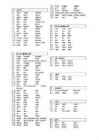
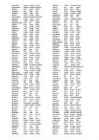
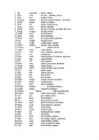
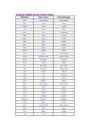
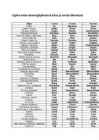
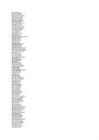
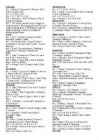
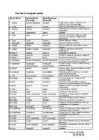
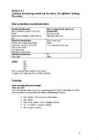
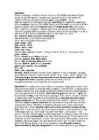
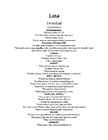
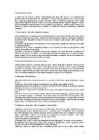
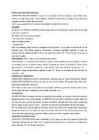
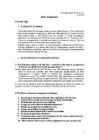
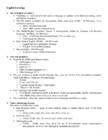
2.21 sell sold sold 7.1 wear wore worn 2.22 send sent sent 7.2 see saw seen 2.23 set set set 7.3 lie lay lain 2.24 shoot shot shot 7.4 be was, were been 2.25 sit sat sat 2.26 sleep slept slept 2.27 speed sped, speeded sped, speeded 2.28 spell spelt, spelled spelt, spelled 8 od 5 2.29 spend spent spent 8.1 run ran run 2.30 stand stood stood 8.2 drink drank drunk 8.3 begin began begun 8.4 swim swam swum 8.5 go went gone
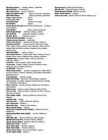
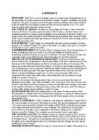
mässu tõstma Run ran run - jooksma; (laeva, rongi jms kohta) sõitma See saw seen - nägema; taipama, mõistma; teadma; kogema, läbi elama; vaatama Seek sought sought - otsima; püüdlema, taotlema, taga nõudma Sell sold sold - müüma Send sent sent - saatma, lähetama, läkitama Sew sewed sewn - õmblema Shoot shot shot - laskma, filmi väntama, Show showed shown - näitama Smell smelt (smelled) smelt (smelled) lõhnama, haistma, nuusutama Spell spelt(spelled) spelt(spelled) - veerima, tähthaaval lugema Split split split - lõhkema, lõhenema, lahku minema Spread spread spread levima, levitama, laotama Spring sprang sprung- hüppama, tärkama, puhkema Stand stood stood - seisma Stick stuck stukk - kleepuma, torkama Stink stank stunk - haisema, lehkama Strike struck struck lööma (kella kohta) , taguma Teach taught taught - õpetama
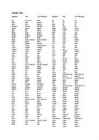
Eat ate eaten sit sat sat Fall fell fallen sleep slept slept Feed fed fed smell smelt (Inf+ed) smelt (Inf+ed) Feel felt felt speak spoke spoken Fight fought fought spell spelt (Inf+ed) spelt (Inf+ed) find found found spend spent spent fly flew flown spill spilt spilt forbid forbade forbidden split split split forget forgot forgotten spoil spoilt (Inf+ed) spoilt (Inf+ed) forgive forgave forgiven spread spread spread
26 istuma sit sat sat 27 magama sleep slept slept 28 õppima learn learnt/ed learnt/ed 29 põletama burn burnt burnt 30 tegelema deal dealt dealt 31 kaotama lose lost lost 32 tähendama mean meant meant 33 kuulma hear heard heard 34 veerima spell spelt spelt 35 kalduma bend bent bent 36 ehitma build built built 37 (välja)laenama lend lent lent 38 saatma send sent sent 39 kulutama spend spent spent 40 und nägema/unistama dream dreamt/ed dreamt/ed 41 tooma bring brought brought 42 ostma buy bought bought 43 püüdma catch caught caught
heitma sling slung slung peitma hide hid hidden helistama ring rang rung pillama spill spilt spilt hellitama spoil spoilt spoilt pistma thrust thrust thrust hiilima creep crept crept poetama shed shed shed hoidma hold held held poolitama split split split hoidma keep kept kept puhkema burst burst burst hääldama spell spelt spelt puhuma blow blew blown hüppama leap leapt leapt põgenema flee fled fled istuma sit sat sat põhja vajuma sink sank sunk jagama deal dealt dealt põletama burn burnt burnt jooma drink drank drunk põlvitama kneel knelt knelt joonistama draw drew drawn pügama shear sheared shorn
74. Sew sewed sewn-õmblema 75. Shake shook shaken-raputama, rappuma, värisema 76. Shine shone shone-särama 77. Shoot shot shot-tulistama, laskma 78. Show showed shown-näitama 79. Shut shut shut-sulgema 80. Sing sang sung-laulma 81. Sit sat sat-istuma 82. Sleep slept slept-magama 83. Smell smelt smelt-nuusutama, haistma, lõhnama 84. Speak spoke spoken-rääkima 85. Spell spelt spelt- tähthaaval ütlema 86. Spend spent spent-kulutama, veetma 87. Spill Spilt spilt-loksutama, loksuma 88. Spoil spoilt spoilt-rikkuma 89. Spread spread spread- määrima, levima, levitama, katma 90. Stand stood stood-seisma 91. Stick stuck stuck-pistma, torkama, kleepima 92. Sting stung stung-nõelama 93. Strike struck struck-tabama, lööma 94. Swear swore sworn-vanduma 95. Sweep swept swept-pühkima 96. Swim Swam swum-ujuma 97
sit sat sat slay slew slain sleep slept slept slide slid slid, slidden sling slung slung slink slunk slunk slit slit slit smell smelt smelt smite smote smitten sow sowed sown, sowed speak spoke spoken speed sped, speeded sped, speeded spell spelt, spelled spelt, spelled spend spent spent spill spilt. spilled spilt, spilled spin spun, span spun spit spat spat split split split spoil spoilt, spoiled spoilt; spoiled spread spread spread spring sprang sprung stand stood stood steal stole stolen stick stuck stuck sting stung stung
Uppuma = Sink Istuma = Sit I vorm Sink I vorm Sit II vorm Sank II vorm Sat III vorm - Sunk III vorm - Sat Magama = Sleep Rääkima = Speak I vorm Sleep I vorm Speak II vorm Slept II vorm Spoke III vorm - Slept III vorm - Spoken Tähthaaval lugema = Spell Veetma, kulutama = Spend I vorm Spell I vorm Spend II vorm Spelt II vorm Spent III vorm - Spelt III vorm - Spent Sülitama = Spit Levima, levitama = Spread I vorm Spit I vorm Spread II vorm Spat II vorm Spread III vorm - Spat III vorm - Spread Hüppama = Spring Seisma = Stand I vorm Spring I vorm Stand II vorm Sprang II vorm Stood III vorm - Sprung III vorm - Stood
Lõhestama Slit Slit Slit Haistma, nuusutama, lõhnama Smell Smelled, smelt Smelled, sme Rabama, lööma Smite Smote Smitten Külvama Sow Sowed Sown/sowed Kõnelema, rääkima Speak Spoke Spoken Kiirustama Speed Sped Sped Veerima Spell Spelt Spelt Kulutama Spend Spent Spent Maha loksutama Spill Spilt Spilt Ketrama Spin Spun Spun Sülitama Spit Spat Spat Lõhestama Split Split Split Rikkuma Spoil Spoilt Spoilt Levitama, levima Spread Spread Spread
• THE PRICES ARE REALLY HIGH, OF REWALIAS TOWN COUNCIL RANGING FROM 40-100 EUROS A FEAST, GUESTS SO IT'S NOT REALLY A PLACE TO GO TO EVERY NIGHT. ROYAL HUNTING FEAST DRY GAME SPICED WITH HERBS FRENCH ROYAL POULTRY LIVER PATE ANADALUSIAN SALMON EARL'S PICKLED CUCUMBERS LIVONIAN STYLE LONDON MERCHANT'S SAFFRON PICKLES BERRIES OF THE HIGHLY BLESSED OLIVE TREE SPICE MERCHANT'S BERRY SAUCE HERB-BREAD WITH NUTS RYE BREAD WITH HAM CASTLE'S FRESH CHEESE WELL-COOKED SPELT WITH SAFFRON BAKED SMOKED-SAUERKRAUT CRUSADER’S LENTILS SAUCE GINGER TURNIP CATERING STAFF THE CATERING STAFF IS ALL DRESSED IN MEDIEVAL CLOTHES AND COSTUMES, WHICH REALLY CREATES JUST THE RIGHT ATMOSPHERE. OLDE HANSA IS WIDELY CONSIDERED TO HAVE ONE OF THE BEST CUSTOMER SERVICE IN ALL OF TALLINN. SUMMARY FOR A PLACE THAT COULD HAVE BEEN A TOTAL TOURIST TRAP OLDE HANSA IS A FANTASTIC NIGHT OUT. THE WHOLE PLACE IS DONE VERY TRUE
Ring,rang,rung-helisema Rise,rose,risen-tõusma Run,ran,run-jooksma Say,said,said-ütlema See,saw,seen-nägema Seek,sought,sought-otsima Sell,sold,sold-müüma Send,sent,sent-saatma Set,set,set-seadma Sew,sewed,sewn(sewed)-õmblema Shake,shook,shaken-kõikuma Shine,shone,shone-särama Shoot,shot,shot-tulistama Show,showed,shown-näitama Shut,shut,shut-sulgema Sit,sat,sat-istuma Sing,sang,sung-laulma Sleep,slept,slept-magama Smell,smelt(smelled),-II- -haistma Speak,spoke,spoken-rääkima Spell,spelt(spelled),-II- -veerima Spend,spent,spent-veetma Split,split,split-hargnema Spread,spread,spread-hargnema Spring,sprang,sprung- Stand,stood,stood-seisma Steal,stole,stolen-varastama Stick,stuck,stuck-haarama Sting,stung,stung-pistma Stink,stank(stunk),stunk-haisema Strike,struck,struck-lööma Swear,swore,sworn-vanduma Sweep,swept,swept-pühkima Swim,swam,swum-ujuma Take,took,taken-võtma Teach,taught,taught-õpetama Tear,tore,torn-rebima Tell,told,told-rääkima Think,thought,thought-mõtlema
mistakes that we over look and assume have been corrected. Personally, I struggle with this and tend not to proof read as carefully as I should. Another problem is when you are writing on paper and use improper grammar and misspell words there is nothing there to remind you of your mistakes but yourself. Whenever I write by hand I have to think a lot harder about how to spell certain words. I notice that my friends also do the same thing and we have to ask each other how words are spelt or if sentences make sense. We have become sort of dependent on word processing. Because of technology my writing has gotten more informal and it's easier to write in a personal or informal tone. Because I use technology so much to communicate to friends and family it is sometimes difficult to transition to scholarly and formal writing styles. This class has helped me practice writing in different tones. I have really learned to write to a specific audience instead of just writing to anyone
rich collection of over 2,300 paintings dating from the mid-13th century to 1900 in its home on Trafalgar Square. The gallery is a non-departmental public body; its collection belongs to the public of the United Kingdom and entry to the main collection (though not some special exhibitions) is free of charge. MADAME TUSSAUD'S: Madame Tussauds is a wax museum in London with branches in a number of major cities. It was set up by wax sculptor Marie Tussaud. It was formerly spelt "Madame Tussaud's", but the apostrophe is no longer used. TRAFALGAR SQUARE: Trafalgar Square is a square in central London, England. With its position in the heart of London, it is a tourist attraction; and one of the most famous squares in the United Kingdom and the world. At its centre is Nelson's Column, which is guarded by four lion statues at its base. Statues and sculptures are on display in the square, including a
Expiry 3. Later 4. Ex2. 1. Right 2. Clear 3. Opposite 4. Clockwise 5. Completion 5. Closing 6. Sell- by date 7. Firm 8. Westerly 6. Same 7. General 8. Wrong Particular Ex3. 1. Every 2. Each 3. All 4. One 5. Both Ex3. 1. Birth 2. General election 3. Wedding 4. Applications 5. Meeting 6. Manufacture DISASTER DAY Ex1. 1. Struck 2. Averted 3. Heading for 4. Spelt Ex1. 1. Other 2. Some/ one 3. These 4. A, one 5. 5. Courting 6. Ended in Any 6. All 7. Very 8. Every Ex2. 1. Natural 2. Utter 3. Ecological 4. Major 5. Ex2. 1. Hard 2. Long 3. Big 4. Nice 5. Dying 6. Impending 6. Nuclear Lazy 7. Lucky 8. 8-hour Ex3. 1. Of 2. Into 3. For 4. Of 5. Of 6. For 7. Of 8. Ex3. 1. During 2. For 3. During 4. After 5. By 6. For To DOUBT
lõhenema 191. smell smelt (smelled) smelt (smelled) haistma, lõhna tundma, nuusutama; lehkama, haisema, lõhnama 192. sow sowed sown (sowed) külvama 193. speak spoke spoken rääkima, kõnelema, kõnet pidama 194. speed sped (speeded) sped (speeded) kiirustama, kiirendama; ruttama 195. spell spelt (spelled) spelt (spelled) loitsima, lummama; veerima, täht-tähelt lugema / kirjutama / dikteerima 196. spend spent spent kulutama,ära tarvitama, raiskama; veetma 197. spill spilt (spilled) spilt (spilled) maha pillama / loksutama 198. spin span/spun spun ketrama; tiirlema, pöörlema; keerutama 199
Her grandfather was always happy to see her. It is always cold in February. Word Order in Negative Sentences To form a negative sentence just put not after the auxiliary or modal verb: I am not a fool. John will not come to the party tonight. It was not my fault. You must not cheat. Jennie could not find her glasses. Don’t make all this noise, I cannot stand it any more! NB! Cannot (can’t for short) is spelt as one word in modern English. Use the first auxiliary, if there is more than one: Peter has not been playing much football lately. 6 If there is no modal verb or auxiliary verb in the sentence (Present and Past Simple), use do/does/did + not in front of the main verb. Note that the main verb will then be used in its original form: Julia works at a department store. - Julia does not work at the department store.
Most of my Russian skills my ten years younger mates envy come from my year of living in Narva (literally starve or learn!) and talking to a variety of Estonian-Russian roleplayers I know. (But since they are also fluent in English and most in Estonian as well, it turns into a stew of languages very soon.) Chronologically the second language I started to learn was French. That was because of the Descartes Lyceum. Don't remember much of that, except for half a dozen badly spelt childrens' songs. Alouette is a really cruel song about tearing different body parts off a lark just to teach kids the names of those parts (and they are not even lark but human parts). I remember one of our young teachers used to play guitar in class and sing for us. That was really cool. Unfortunately we moved and my French studies took a long break, until my one but final school, but there I met a teacher
say said said see saw seen sell sold sold send sent sent shake shook shaken shine shone shone show showed shown shrink shrank shrunk shut shut shut sing sang sung sink sank sunk sit sat sat sleep slept slept speak spoke spoken spell spelt/spelled spelt/spelled spend spent spent stand stood stood steal stole stolen swear swore sworn swell swelled swollen/swelled swim swam swum take took taken teach taught taught tell told told think thought thought throw threw thrown understand understood understood wake woke woken
Yogh-letter (cf yoke Estonian "ike") modified Latin g. Probably stood for several sounds starting with /j/ up to /g/. Prefix ge probably · not stressed · yokh-letter stood for /j/. Reasons for surmising this: 1. The prefix is still there in German (Past Participle, e.g. gehen, ging. gegangen). It is not stressed in German. 2. The prefix was lost during the Middle English times (geholpan holpen), it is easier to drop unstressed syllables. 3. The middle version was /i/ (spelt in Middle English as y): y-ronne (run Past participle). More logical that /je/ turns into /i/ than that /ge/ turns into /i/. Modern English still had the obsolete form "yclept" so-called. C stood for /k/, except when there was a dot on it then it stood for /kj/ which later turned into /tS/ in the Southern part of Britain, but not in the Northern part. Cf irie church, but in Scottish English (i.e. Northern English) Auld Kirk, Free Kirk (German Kirche, Est
*Sobib toidulisandiks KAMUT *Iidne teravili, suguluses durumnisuga *Sisaldab rohkesti valku *Võile sarnaneva maitsega *Sisaldab gluteeni, kuid on siiski talutav gluteenihaigetele inimestele SPELT (SPELTA) *Tuhande aasta tagune, taasavastatud nisu *Sisaldab gluteeni, kuid talutav tsöliaakiahaigetele *Aitab suhkruhaiguste ravimisel, mao- ja soolepõletiku korral *Aitab närvi- ja immuunsussüsteemi tugevdamisel *Reumaatiliste vaeguste korral *Nahahaiguste korral, eriti ülekaalulisuse korral
4 Puuviljad Limes Laim +8.2 Fresh Lemon Sidrun, värske +9.9 Tomato Tomat +13.6 Avocado (Protein) Avokaado (valk) +15.6 Säilitamata teraviljad ja kaunviljad Buckwheat Groats Tatratang +0.5 Spelt Speltanisu +0.5 Lentils Läätsed +0.6 Soy Flour Sojajahu +2.5 Tofu Tofu (sojajuust) +3.2 Lima Beans Liima aeduba +12.0
(nt, Latin- able; deca-dent, expect-ancy) Hybrids are for example read plus able. Some words have elements that belong to different languages, they are hybrids. Diminutive suffixes express fondness or a small size (nt, daddy, booklet, pussykin). Derigatory express neg attitude (nt, gangster) . Negative prefixes are un, non, mis dis . 9. composition ehk compound. The pattern of composition is a combination of 2 or more stems. Compounds are spelt either as one word or with an hyphen. Compounds are completely motivated (nt, dining-room), partly motivated (nt, flower-bed), absent (nt, fiddle, viiul). Stress on the first part (nt, doorway); primary stress on the first part, secondary stress on the second part (nt, shop-keeper). The meaning comes from the meaning of its parts and also from the order (nt, life-boat, boat-life). The majority of compounds are nouns and adjectives. Adj: noun plus adj (nt, skin-deep)
If such a word is used widely it seizes to be slang and becomes common or neutral word. E.g. skyscraper, taxi, piano, photo, pub. The history of slang is short. The word boose has been slang word even since it was coined at the 16 th century. Slang is formed by word building means (see lexicology) as well as figures of speech. E.g. upper-storey (head), bread (money). Metonymy is used shirtwoman. Hyperbole killing astonishing. Irony clear as mud. In slang a word is sometimes spelt backwards. Then it is calles backslang e.g. rum-mur, top o reeb pot o beer, yob-boy. There is also so called rhythmical slang. It comes from cockney e.g apples and pairs standing for stairs, trouble and strife wife. Slang is noted for the great number of synonyms. True for things discussed often. Being drunk all wet, pie eyed, screwed, polished, zig-zag. Excellent good, elegant, meaty, wicked, tops. Money beans, bacon, berries, grass, bullets.
because it has `come up` because tackling a problem at the moment when it occurs can be a successful way of dealing with pronunciation. Examples of pronunciation teaching We need to draw our students' attention to include individual sounds, word stress, and intonation but they also need help with connected speech. Working with sounds We often ask our students to focus on one particular sound. We demonstrate how it is made and show how it can be spelt or show the position of the lips when this sound is made and get St-s to make the sound and say words. The phonemic chart is laid out in relation to where in the mouth the forty-four sounds of southern British English are produced. Adrian Underhill (Macmillan Heinemann) What makes this chart special? Each sound has a separate square, the teacher or the student can point to the square to ask students to produce that sound or recognise
o School, cylinder, cycle, criterion, dialogue, cardiac, phonetic, gymnasium, marathon, athlete, Olympic, diagnosis, prognosis, thesis, analysis, technology Literature o Epic, drama, poem, tragedy, comedy, theatre, epilogue, prologue, metaphor, Affixes o a-, geo-, halo-, hyper-, hypo-, mega-, meta-, -ology, -o-, photo-, tele-, Inflectional endings retained but spelt in the Latin style o Abiogenesis, aegis, analysis, anemone, antithesis, automaton, charisma, cinema, crisis, criterion, cytokinesis, diagnosis, dogma, drama, electron, enigma, genesis, gnosis, hoi polloi, kerygma, lalophobia, magma, osteoporosis, phenomenon, photon, rhinoceros, rhododendron, stigma, synthesis, thesis. With Latin endings
 annaabi.ee