 50 punkti
Autor soovib selle materjali allalaadimise eest saada 50 punkti.
50 punkti
Autor soovib selle materjali allalaadimise eest saada 50 punkti.
 ~ 8 lehte
Lehekülgede arv dokumendis
~ 8 lehte
Lehekülgede arv dokumendis
 2015-07-17
Kuupäev, millal dokument üles laeti
2015-07-17
Kuupäev, millal dokument üles laeti
 2 laadimist
Kokku alla laetud
2 laadimist
Kokku alla laetud
 0 arvamust
Teiste kasutajate poolt lisatud kommentaarid
0 arvamust
Teiste kasutajate poolt lisatud kommentaarid
 triinuprants
Õppematerjali autor
triinuprants
Õppematerjali autor
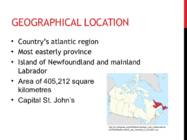
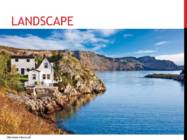
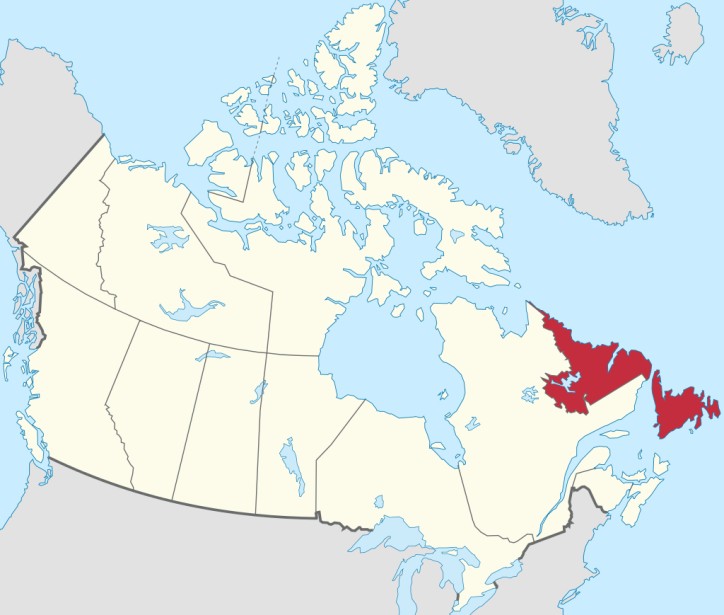
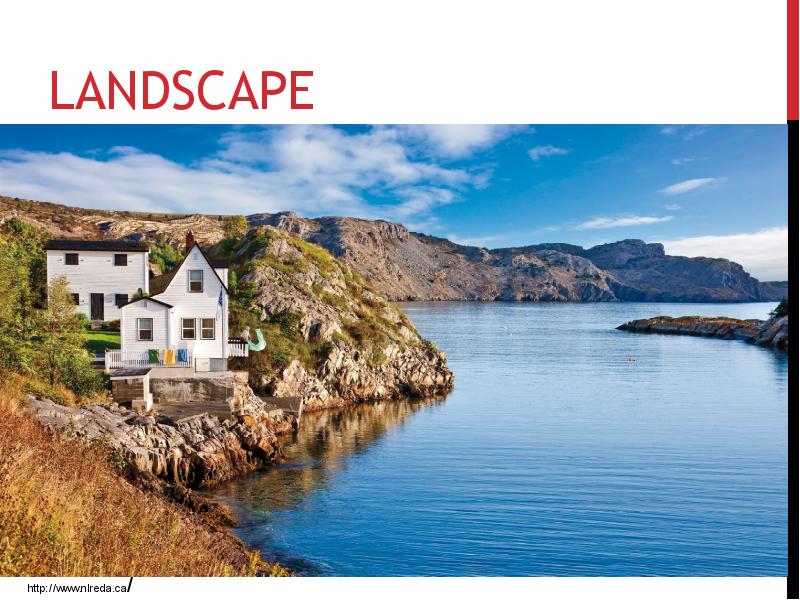
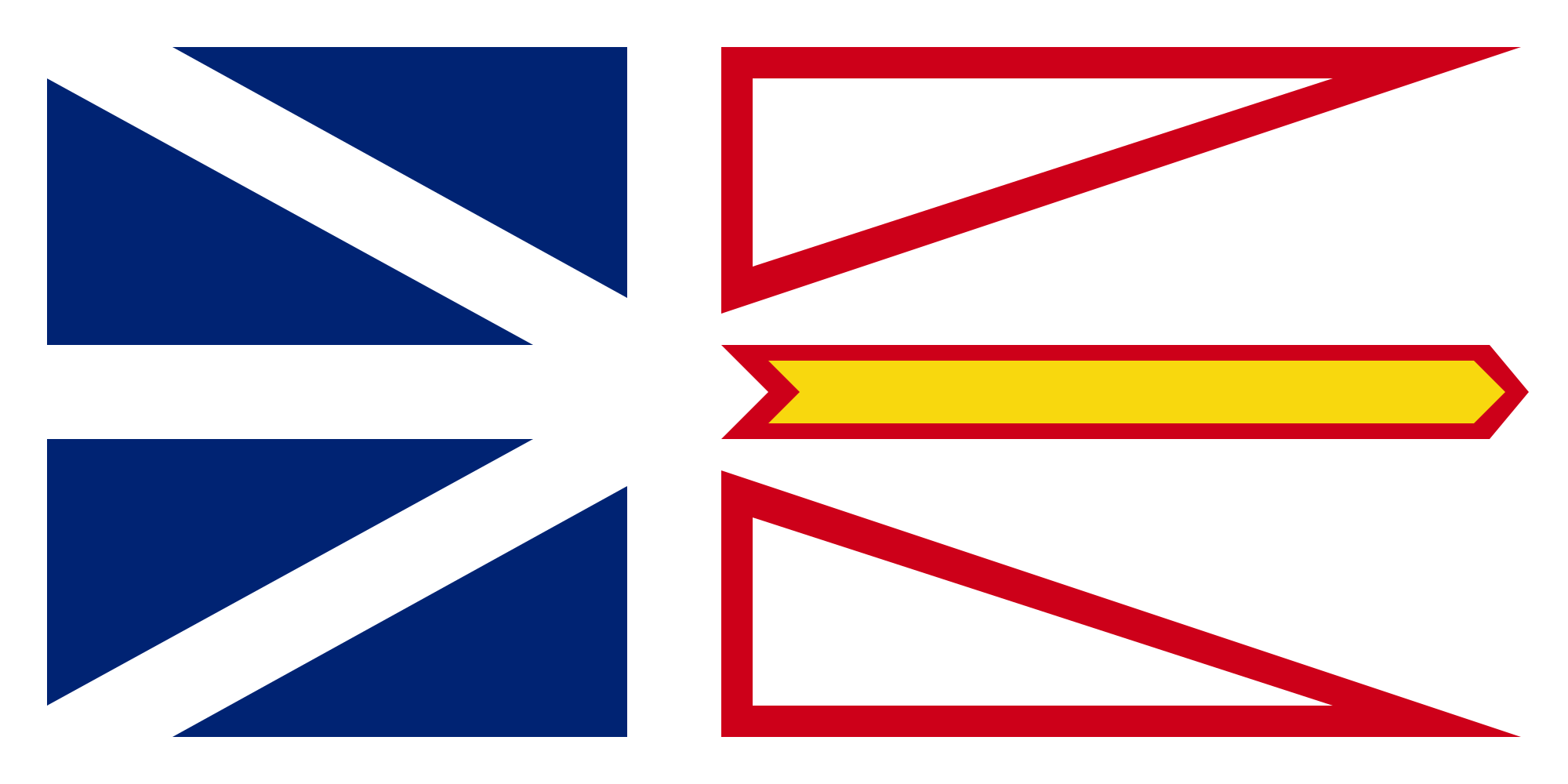
world-class ski resorts such as Sunshine Village, Lake Louise, Marmot Basin, Norquay and Nakiska. Hunters and fishermen from around the world are able to take home impressive trophies and tall tales from their experiences in Alberta's wilderness. Celebrities Kent Derricott(actor and television personality), John Acorn(musician), Bruno Gerussi(actor), Tegan and Sara(band) etc. Newfoundland & Labrador The capital of Newfoundland Labrador is St. John's. The population of Newfoundland and Labrador is 510.272 people. Geogrphical features Newfoundland and Labrador is the easternmost province of Canada. The Strait of Belle Isle separates the province into two geographical divisions, Labrador and island of Newfoundland. The province also includes over 7,000 tiny islands. Newfoundland is roughly triangular, with each side being approximately 400 km, and has an area of 108,860 km2. Newfoundland and its associated small islands have a total area of 111,390 km2
six time zones. In latitude it extends from approximately 42° to 83° N. With its vast Arctic and subarctic territories, Canada is often considered a country only of the far north; however, the peninsula of southern Ontario juts deeply south into the heartland of the United States, and its southernmost point, Middle Island in Lake Erie, is at the same latitude as northern California. The country also includes several major islands, including Baffin, Ellesmere, Victoria, Newfoundland, and Melville, and many small ones. Its border with the U.S., the longest border in the world not patrolled by military forces, extends 8,890 km. 3. Mountains, lowlands Canada's vast area means it has many varying types of terrain, much of which is mountainous. The Cordillera in the west, the Appalachians in the southeast, the mountains of northern Labrador and of Baffin Island in the northeast, and the Innuitian Mountains in the north form its high edge. A large interior basin centred on
western Alberta are covered by parallel mountain ranges, including the Rockies. The Pacific border of the coast range is ragged with fjords and channels. The highest point in Canada is Mount Logan (6,050 m), which is in the Yukon. The two principal river systems are the Mackenzie and the St. Lawrence. The St. Lawrence, with its tributaries, is navigable for over 1,900 miles (3,058 km). Government: Canada is a federation of ten provinces (Alberta, British Columbia, Manitoba, New Brunswick, Newfoundland and Labrador, Nova Scotia, Ontario, Prince Edward Island, Quebec, and Saskatchewan) and three territories (Northwest Territories, Yukon, and Nunavut). Formally considered a constitutional monarchy, Canada is governed by its own House of Commons. While the governor-general is officially the representative of Queen Elizabeth II, in reality the governor-general acts only on the advice of the Canadian prime minister. History:
Geography Canada is the world's second largest country in total area after Russia , since it covers nearly 10 million square kilometres, but is one of the most sparsely populated, with only about 34 million inhabitants. The majority of them live within 300 kilometres of Canada's southern border. Much of the rest of Canada is uninhabited or thinly populated, because the country has a rugged terrain and severe climate. Canada extends across the continent of North America, from Newfoundland on the Atlantic coast to British Columbia on the Pacific coast and northward into the Arctic Ocean. Canada shares land borders with the United States to the south and north-west. Canada is a land of great variety. Towering mountains, crystal-clear lakes, and lush, green forests make Canada's far west a beautiful region. Farther inland, fields of wheat and other grains cover Canada's vast prairies. Thes fertile farmlands contrast vividly with the Arctic wastelands to the north
natural gas. In Quebec and Ontario are many manufactories and industries. In the west there is maritime climate and so they fish and ship there. Toronto is the biggest city in Canada, with a population of 5,1 million people. It is followed by Montreal with 3,9, Vancouver, Ottawa (which is the capital of Canada) 800 000 and Quebec with 700 000. Government Canada is a federation of ten provinces (Alberta, British Columbia, Manitoba, New Brunswick, Newfoundland and Labrador, Nova Scotia, Ontario, Prince Edward Island, Quebec, and Saskatchewan) and three territories (Northwest Territories, Yukon, and Nunavut). Formally considered a constitutional monarchy, Canada is governed by its own House of Commons. While the governor-general is officially the representative of Queen Elizabeth II, in reality the governor-general acts only on the advice of the Canadian prime minister. Canada is an independent, self-governing nation
almost half of Canada. Central Canada includes Ontario and Quebec. It really isn't in the center of Canada but it's called Central Canada because of its historical political importance. It is the most heavily populated part. There are the Great Lakes and St. Lawrence River. This district is covered by the rocky Canadian Shield. The Atlantic Provinces consists of Nova Scotia, Prince Edward Island, the Maritime provinces of New Brunswick, Newfoundland and Labrador. Fishing, shipping and farming are important activities for the people of this area. The region has many small coastal communities but there are also major industrial centres such as Halifax and Sydney in Nova Scotia. There are mountains in this region. The Appalachians are there. They aren't like the mountains in the Pacific Region, they are old and rounded. Canada's North includes the Yukon Territory and the Northwest Territories, along with all the Canada's Arctic islands
47 billion, nickel US$1.45 billion, and zinc US$1.25 billion. There was also significant production of lead and iron. There are about 50 major gold mines in Canada and the country leads the world in technologies which extract gold from rock and soil. The nation is the world's largest producer of zinc and the fifth largest producer of lead. Among the provinces, Ontario is the top producer of non-fuel mineral resources, followed by Quebec, British Columbia, Saskatchewan, and Newfoundland. Each year Canadian companies spend over US$600 million to find or develop new mines and fuel supplies. However, environmental concerns and increased regulation have led many Canadian mining companies to shift exploration elsewhere. Latin America is becoming a favorite choice for Canadian mining companies. While overall mineral production is dispersed throughout Canada, fuel production is concentrated in the west, with a few major exceptions. Canada is a major exporter of energy and fuels
independent country (separatist movement). 80 % of Canada's French speaking people lives in Quebec. Canada has ten provinces and two territories (the capital of each is shown in parentheses): Alberta (Edmonton), British Columbia (Victoria), Prince Edwars Island (Charlottetown), Manitoba (Winnipeg), New Brunswick (Fredericton), Nova Scotia (Halifax), Nunavut (Iqaluit), Ontario (Toronto), Quebec (Quebec City), Saskatchewan (Regina), Newfoundland and Labrador (St. John's), Northwest Territories (Yellowknife) and Yukon Territory (Whitehorse). Geographically, Canada can be divided into five major regions: the Pacific Region, the Prairie Provinces, Central Canada, the Atlantic Provinces and the North. The Pacific Region includes Canada's westernmost province, British Columbia. The region is known for it's mild coastal climate, its forests and its spectacular mountains, including the famous Rockies.
 annaabi.ee









Kõik kommentaarid