 Tasuta
Faili alla laadimine on tasuta
Tasuta
Faili alla laadimine on tasuta
 ~ 8 lehte
Lehekülgede arv dokumendis
~ 8 lehte
Lehekülgede arv dokumendis
 2015-10-10
Kuupäev, millal dokument üles laeti
2015-10-10
Kuupäev, millal dokument üles laeti
 1 laadimist
Kokku alla laetud
1 laadimist
Kokku alla laetud
 0 arvamust
Teiste kasutajate poolt lisatud kommentaarid
0 arvamust
Teiste kasutajate poolt lisatud kommentaarid
 ellumannu
Õppematerjali autor
ellumannu
Õppematerjali autor
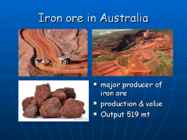
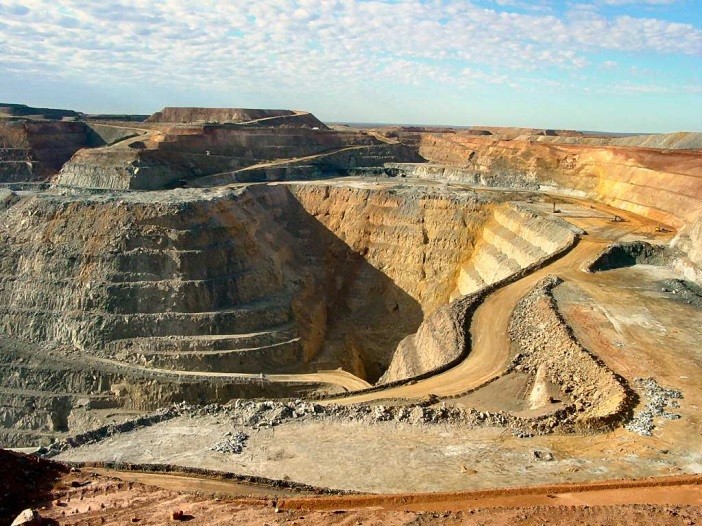
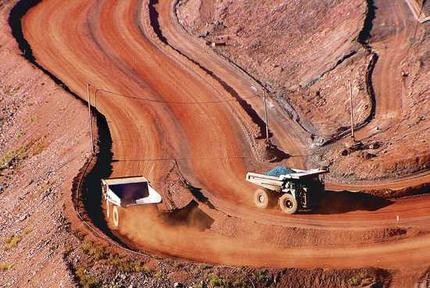
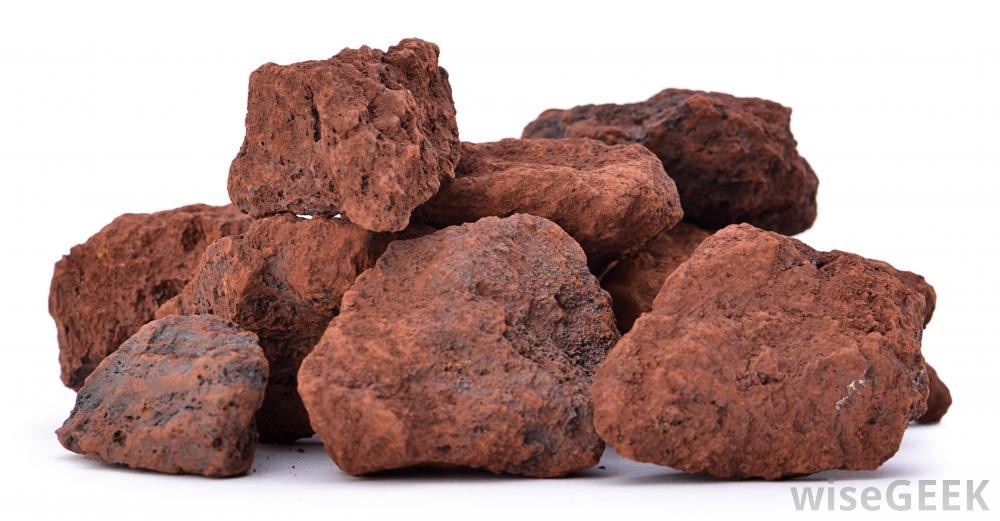
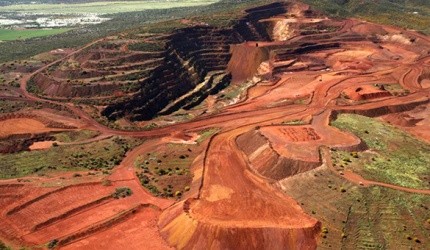
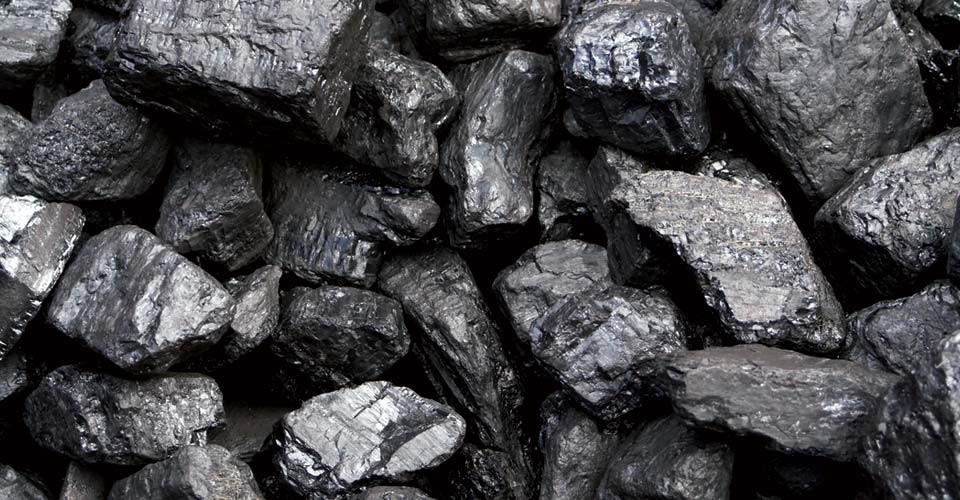
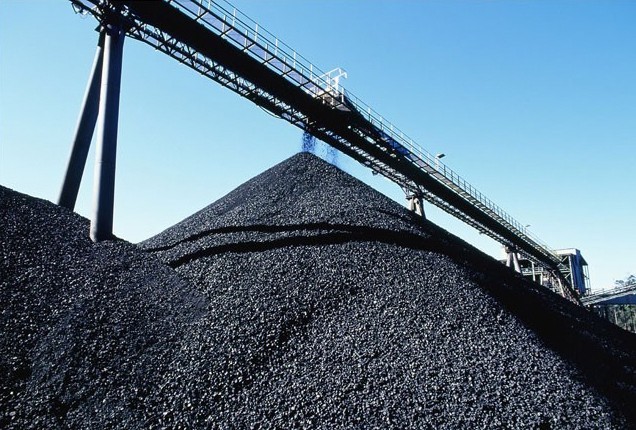
potatoes, sheep and vegetables. Sheep and cattle are raised in all the Australian states. Victoria is the leading producer of dairy products. Wheat is grown in all areas that have medium rainfall and moderate temperatures. Such fruits as apples and pears are grown in all the states. New South Wales and South Australia produce most of country's oranges. South Australia also produces grapes for use in making wine. Mining. Australia is rich in mineral resources. But roads and railways have to be constructed to the mining sites, so that the mining industry depends heavily on foreign capital. During the 1950's, geologists found huge deposits of coal and iron ore in Australia. Manganese, natural gas and petroleum were discovered in the 60's. Australia has got minerals like: copper, gold, silver, zinc, iron, nickel. Manufacturing. Australia imports more manufactured goods than it exports.
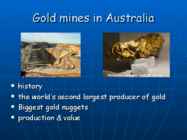
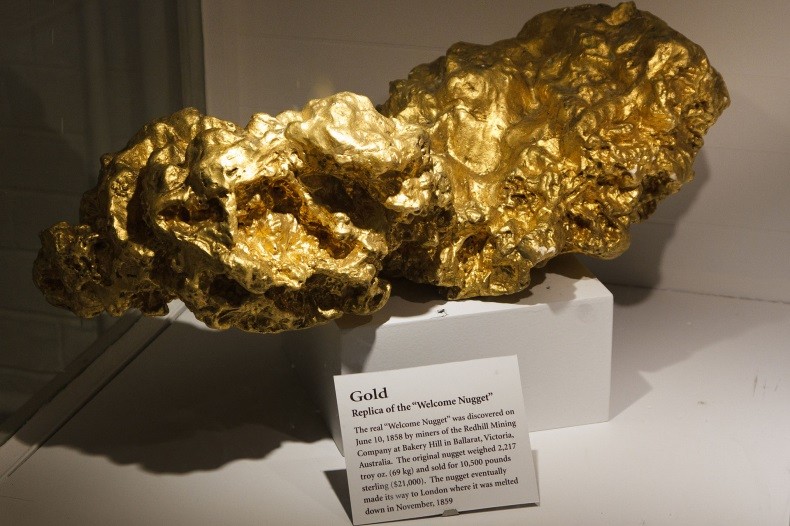
This brought along the great gold rush. Thousands of people went to the new land to find fortune. Forty years later the gold was found in the west. The miners of the east had a very hard time, the water was scarce and the roads were bad. But then the railway was built. Many of people who came to Australia to find gold stayed on to do other kinds of work. The found that Australia has other riches too, such as coal, copper, ironore, nickel, natural gas and more. The forests had good timber. Along seashorepearls and tortoise shells could be gathered. Some needed to manufacture such things as butter, cheese, shoes and clothing. Geographical position Australia is located in southern hemisphere. It's the only continent except for Antarctica that is all south of equator. Sometimes Australia is called the Island Continent. There is a great reason why. It really is an island. It is
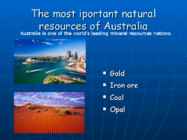
But there are also very strange kind of animals, they have hair, like dogs and cats but they also lay eggs- these are the spiny anteater and the platypus. They are only found in Australia and nowhere else in the world and they are called reptile-mammals. Economy The Australian economy is dominated by its services sector, yet it is the agricultural and mining sectors that account for 65% of its exports. Rich in natural resources, Australia is a major exporter of agricultural products, particularly grains and wool, and minerals, including various metals, coal, and natural gas. Agriculture Agriculture in Australia is a major industry. Most of the farmland in Australia is pasture for raising cattle and sheep. Farmland covers about 65 per cent of Australia. However, most of this land is dry grazing land. Crops are grown on only about 5 per cent of the farmland
four or five years, causing drought and bushfires. Droughts are followed by floods. Australia has three time zones. In Western Australia is equal to Greenwich Mean Time plus 8 hours. In New South Wales, Victoria, Queensland, and Tasmania and in Australian Capital Territory time is equal to Greenwich Mean Time plus 10 hours. In South Australia, Northern Territory, Broken Hill, NSW time is equal to Greenwich Mean Time plus 9 ½ hours. Plants A rich variety of plants can be found in the natural landscapes of Australia. A lot of species can be found in wet tropical forests in the north and in temperate rainforests in the south. The biggest family of native plants is the myrtles. They include more than 500 species of eucalyptus, or gum trees. Only the big river red gum is seen nearly everywhere. These can be found beside rivers and dry riverbeds. Some gum trees are valuable timber species and have been cut down for many years. Gum tree leaves are full of oils, which evaporate easily.
Australian mainland, although Mawson Peak on the remote Australian territory of Heard Island is taller at 2,745 metres. The highest mountain ranges are The Macdonnal Mountains, The Musqrave Mountains, The Hamersley Mountains and The Darling Mountains. Australia's longest river is the Darling, which flows into Southern Ocean and is 2,700 kilometers long. The other long river is The Murray River. Australia's only large permanent lakes have been artificially created. Most of the natural lakes are dry for months or years at a time. Lake Eyre is the largest lake in Australia and is the lowest point in Australia. It's about 15m below sea level. The biggest deserts are The Great Sandy Desert and The Victoria Desert. History Two hundred years ago there were no white people in Australia. The only inhabitants were dark-skinned people who were still living in Stone Age. Their only weapons were stone knives, simple spears and boomerangs. They raised no crops and had no
Prairies, mountain ranges and high plateaus of the Canadian Cordillera, and northern Canada. Climate Canada's climate varies wildly based on geography, from perma-frost in the north to four distinct seasons towards the equator. In this region the temperature can climb up to 35 degrees Celsius in the summer and descend to a chilly -25 degrees Celsius during winter. Canada's climate and environment are one of the main reasons that Canada is such a succesful country. The blend of natural resources and climate sustains us. The seasons dictate the look of the land: according to whether the natural environment is in a state of dormancy or growth. Canada's climate is characterized by its diversity, as temperature and precipitation differ depending on where you are and what time of year it is. Other than the North where it's above freezing for only a few months a year, most Canadian cities are within 300 km of the southern
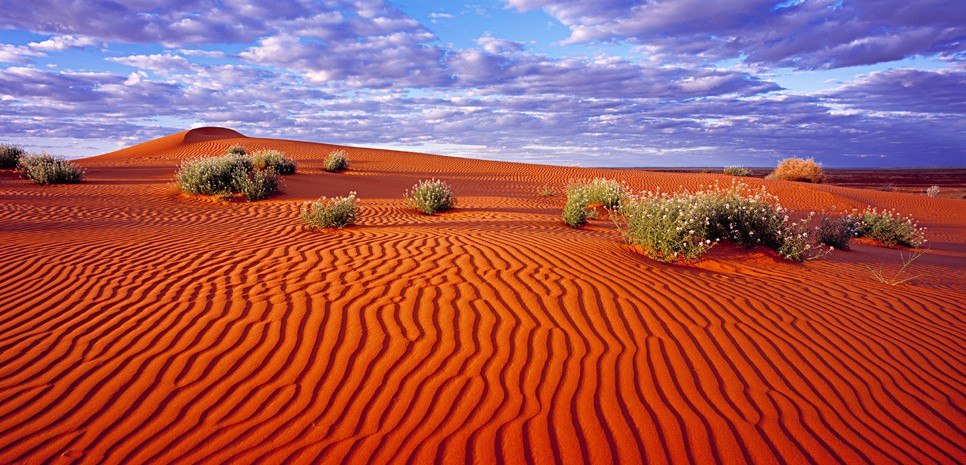
3. Relief Australia is the smallest continent in the world It is often called the island continent because is too big for an island but rather small for a continent. Australia is 1,800 miles from the mainland of Asia and almost half way round the world from Europe. More than 6,000 miles of ocean separate in from the America. Australia is the only continent except for Antarctica that lies all south of the equator. The natural zones of Australia are very various. There are deserts, semi deserts, grasslands, savannas, bushlands and rainforests. The wet forests occupy the narrow region in the east. Most of the animals, birds and insects live in that region, because there is enough food. The savannas which are grasslands with some trees are mostly in the west. Farther west are the bushlands. The real deserts occupy the centre of the Western Plateau. In the
The Great Australian Bight washes the southern coast. The seas and oceans that wash the coasts of Australia are warm. The Coral Sea is the warmest that is why many corals live in the seas. The skeletons of these tiny organisms have formed a great belt of coral the Great Barrier Reef. It is 2000 kilometres long and 2-150 kilometres wide. The Great Barrier Reef is the largest coral reef on earth. Tourists from everywhere visit it because it is a unique natural phenomenon. There can be found more than 300 varieties of corals with colours ranging from pale blue to bright yellow. Recently, black coral, the rarest of type all, was found on one of the reefs. There are also big-game fish, like the coral cod, which weighs up to 200 pounds. The Relief. Australia is a low and old continent. Its relief is simple plains cover the greater part of it. West Australia was once part of Gondwanaland (manner, mis koosnes erinevate maailmajagude osadest).
 annaabi.ee








Kõik kommentaarid