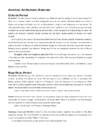
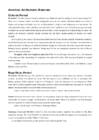
1)Which elements does alchemy combine? Alchemy combines elements of chemistry, physics, astrology, art, semiotics, metallurgy, medicine, mysticism and religion. 2) 3 goals of alchemy 1.transmutation of any metal into gold or silver 2.creating universal panacea, remedy what would cure all diseases and prolong life indefinetely. – philospher´s stone was the key in these goals 3. creating human life 3) Idea of making gold and silver. Where does it originate and / how to Western Europe? The idea of transmutation arose among the Alexandrian Greeks in the early
Ethnic Groups AfroBahamians85% Europeans12% Hispanic3% Asian/IndoCaribbean3% Culture/traditions Voodoo dolls Obeah Junkanoo Emancipation Day Voodoo Dolls Voodoo is a powerful mystical practice that can bring spectacular gifts and rewards to anyone who believes, who is willing to place his destiny in the hands of loving spirits, who await the call of service. Obeah Obeah is associated with both benign and malignant magic, charms, luck, and with mysticism in general. In some Caribbean nations, Obeah refers to folk religions of the African diaspora Junkanoo Junkanoo is a street parade with music, which occurs in many towns acrossThe Bahamas and The Turks and Caicos Islands The largest Junkanoo parade happens in Nassau, the capital Emancipation day Emancipation Day is celebrated in many former British colonies in the Caribbean and areas of the United States on various dates in observation of
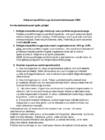
1. The Jacobean masque Elizabethan one nation culture, now cultural polarisation between the new courtly culture and the rest of the country. Court in cultural isolation. Ben Jonson. King and courtiers were close to universally recognised ideal types (conflict with the reality). Mysticism. Emergence of perspective view, stage machinery, artificial light, revolution. The stage cast the monarch in the focal point (the lines of perspective of the stage met there. Inigo Jones. Masque an educative vehicle, towards classical antiquity and architecture. Tide towards absolute monarchy. Masque – linked poetry and moral philosophy into art. Music, dance, poetry, lavish illusionistic scenic display to express the doctrines of divine kingship. Great impact. Like gods come down to earth.
The highpoint of medieval literature, the best writer of late medieval lived then. William Langland 1332-1376 the last important poet of alliterative verse. His masterpiece "The Vision of Piers Ploughman" how important working hard is, the labour of peasants is the base of the welfare of the people. A passionate protest against social injustice. A time when peasants were slowly rising against their feudal lords. Descriptions of different social classes. Religious mysticism. Two great principles: 1) all men are equal before God; 2) honest labour is dignified. It is a dream allegory. A young maiden named Youth, Greed is an old witch. The greatest writer of this period and the whole of medieval times Geoffrey Chaucer (1340?-1400): · The father of English poetry · The creator of English versification · The first poet to use various metres · Laid the foundation of the new literary English language · Wrote in Middle English
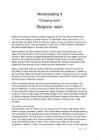
greatly by the efforts of the early 9th century jurist al-Shafi'i; he codified a method to establish the reliability of hadith, a topic which had been a locus of dispute among Islamic scholars. Philosophers Ibn Sina (Avicenna) and Al-Farabi sought to incorporate Greek principles into Islamic theology, while others like the 11th century theologian Abu Hamid al-Ghazzali argued against them and ultimately prevailed. Sufism became a full-fledged movement that had moved towards mysticism and away from its ascetic roots, while Shi'ism split due to disagreements over the succession of Imams. The spread of the Islamic dominion induced hostility among medieval ecclesiastical Christian authors who saw Islam as an adversary in the light of the large numbers of new Muslim converts. This opposition resulted in polemical treatises which depicted Islam as the religion of the antichrist and of Muslims as libidinous and subhuman.
The government employed artists to decorate municipal building, banks and other public edifices. Variations on primitive expression also returned to the fore. Black artists gained self-confidence. Artists: Ben Shahn, Jack Levine, Romare Bearden, Jacob Lawrence. 5 Expressionism. Expressionism is distinguished by strong subjectivity, brilliant colors and violence. Mysticism was one source of inspiration. Artists: Morris Graves, Mark Tobey. Abstraction. Geometric abstraction continued to develop under the influence of European immigrants. In 1936, the American Abstract Artists organization was established. Members of this were precise, used sharp-edged rectilinear shapes, geometric curves and flat colors. Artists: George L. K. Morris, Ad Reinhardt, Stuart Davis. Post-WWII Abstract Expressionism. American art was maturing
The government employed artists to decorate municipal building, banks and other public edifices. Variations on primitive expression also returned to the fore. Black artists gained self-confidence. Artists: Ben Shahn, Jack Levine, Romare Bearden, Jacob Lawrence. 5 Expressionism. Expressionism is distinguished by strong subjectivity, brilliant colors and violence. Mysticism was one source of inspiration. Artists: Morris Graves, Mark Tobey. Abstraction. Geometric abstraction continued to develop under the influence of European immigrants. In 1936, the American Abstract Artists organization was established. Members of this were precise, used sharp-edged rectilinear shapes, geometric curves and flat colors. Artists: George L. K. Morris, Ad Reinhardt, Stuart Davis. Post-WWII Abstract Expressionism. American art was maturing
avatud küsimustikud- esitatakse üldist laadi küsimusi võimalike müstiliste kogemuste kohta. Vastusevariandid on nii sisus kui ka vormis vabad. retrospektiivsete kirjelduste analüüs- tähendab ennekõike autobigraafiliste kirjelduste analüüsimist. Analüüsimaterjaliks võivad olla elulood, päevikud või ka lihtsalt ülestähendused. müstika mõõtmisskaalade kasutamine.- REEM skaala (The Religious Experience Episode Measure) ja M skaala(The Mysticism Scale). Esimene nendest skaaladest annab ette 15 erineva usulise kogemuse kirjeldust. Vastajate ülesandeks on hinnata iga tüübi puhul seda, kui sageli on nendel vastavaid kogemusi esinenud. Teine mõõtmisskaala rajaneb Stace (1960) müstilise kogemuse kontseptsioonil ja mõõdab kolme faktori osatähtsust müstilises kogemuses. Need on väljasuunatud müstika, sissesuunatud müstika ja tõlgendus. 13. Eetika kui religiooni üks dimensioon.
method to establish the reliability of hadith, a topic which had been a locus of dispute among Islamic scholars.Philosophers Ibn Sina (Avicenna) and AlFarabi sought to incorporate Greek principles into Islamic theology, while others like the 11th century theologian Abu Hamid al Ghazzali argued against them and ultimately prevailed. Finally, Sufism and Shi'ism both underwent major changes in the 9th century. Sufism became a fullfledged movement that had moved towards mysticism and away from its ascetic roots, while Shi'ism split due to disagreements over the succession of Imams. The spread of the Islamic dominion induced hostility among medieval ecclesiastical Christian authors who saw Islam as an adversary in the light of the large numbers of new Muslim converts. This opposition resulted in polemical treatises which depicted Islam as the religion of the antichrist and of Muslims as libidinous and subhuman. In the medieval period, a few
Kevad on teatud mõttes värskem, oskame aimata, mis on tulemas, aga on võimatu seda ette kujutada kui see päriselt juhtub. Enne messiase käiku, müütiline aeg? Messias on juba käinud, ajalooline aeg algab ja kõik see kestab kuni aegade lõpuni. Aeg liigub lineaarselt edasi, saab alguse ajalooline ajakäsitlus, kõik juhtub ainult üks kord. Douglas, Allen. 1929-31 kirjutas (Douglas või Eliade?) Indias, Bengalis doktoritööd. Yoga, indian mysticism... Pole traditsiooniline indokäsitlus. Abstraktne elueitav aspekt Eliadet ei huvitanud, leidis enda jaoks kolmanda lähenemise. Man, the world and life is not illusory, world is real and life is real. One can master the world and control life. Religioon peab andma maailmast sellise kosmoloogilise nägemuse, et kõik sündmused, mis meiega toimuvad, mustrid millesse asetume, kosmiline ajakäsitlus võib olla niisugune, et paigutab meid mingisugusesse rütmilisse struktuuri
metoodiliseks probleemiks on nende uurimuste madal reliaablus. See tähendab, et sama materjali analüüsimisel ei pruugi erinevate uurijate uurimistulemused kokku langeda. (Ehk nad võivad seda erinevalt mõista ning tõlgendada.) ● Müstika mõõtmisskaalade kasutamine- enam tuntud ja suhteliselt heade psühhomeetriliste näitajatega on REEM skaala (The Religious Experience Episode Measure) ja M skaala(The Mysticism Scale). Esimene nendest skaaladest annab ette 15 erineva usulise kogemuse kirjeldust. Vastajate ülesandeks on hinnata iga tüübi puhul seda, kui sageli on nendel vastavaid kogemusi esinenud. Teine mõõtmisskaala rajaneb Stace (1960) müstilise kogemuse kontseptsioonil ja mõõdab kolme faktori osatähtsust müstilises kogemuses. Need on väljasuunatud müstika, sissesuunatud müstika ja tõlgendus
Ⱦɢɫɫɟɪɬɚɰɢɢ ɩɨ ɝɭɦɚɧɢɬɚɪɧɵɦ ɧɚɭɤɚɦ. ISSN 1736-5031. ISBN 978-9985-58-455-2. MARIS SAAGPAKK. Deutschbaltische Autobiographien als Dokumente des zeit- und selbstempfindens: vom ende des 19. Jh. Bis zur umsiedlung 1939. Tallinn: Verlag der Universität Tallinn, 2006. 163 S. Universität Tallinn. Dissertationen in den Geisteswissenschaften. ISSN 1736-5031. ISBN 978-9985-58-469-9. JANIS EŠOTS.MullƗ SadrƗ’s Teaching on Wujnjd: A Synthesis of Mysticism and Philosophy. Tallinn: Tallinn University Press, 2007. 150 p. Tallinn University. Dissertations on Humanities Sciences. ISSN 1736-5031. ISBN 978- 9985-58-492-7. ȽɊɂȽɈɊɂɃ ɍɌȽɈɎ. ɉɪɨɛɥɟɦɚ ɫɢɧɬɚɤɬɢɱɟɫɤɨɝɨ ɬɟɦɩɚ. Ɍɚɥɥɢɧɧ: ɂɡɞ-ɜɨ ɌɅɍ, 2007. 145 ɫɬɪ. Ɍɚɥɥɢɧɧɫɤɢɣ ɩɟɞɚɝɨɝɢɱɟɫɤɢɣ ɭɧɢɜɟɪɫɢɬɟɬ. Ⱦɢɫɫɟɪɬɚɰɢɢ ɩɨ ɝɭɦɚɧɢɬɚɪɧɵɦ ɧɚɭɤɚɦ. ISSN 1736-5031. ISBN 978-9985-58-507-8.
experienced a shift in consciousness and so realized within themselves that toward which all religions point. To describe that non-conceptual Truth, they then used the conceptual framework of their own religions. Through some of those men and women, “schools” or movements developed within all major religions that represented not only a rediscovery, but in some cases an intensification of the light of the original teaching. This is how Gnosticism and mysticism came into existence in early and medieval Christianity, Sufism in the Islamic religion, Hasidism and Kabbala in Judaism, Advaita Vedanta in Hinduism, Zen and Dzogchen in Buddhism. Most of these schools were iconoclastic. They did away with layers upon layers of deadening conceptualization and mental belief structures, and for this reason most of them were viewed with suspicion and often hostility by the established religious hierarchies. Unlike mainstream religion, their
symbol of moral resistance of a minority to the rulers of Nineveh. And the prophet fulfils his mission. Example 6. Leitmotif of God. Example 7. Leitmotif of Jonah. In 1910 Tobias wrote: Ecclesiastical music exists and is a powerful agent that every serious musician must take into consideration, whether he wishes it or not. Mystical threads are invisibly connecting musical art and the religious world proceeding between superhuman and mysticism. The composers of today are lacking the organ of interest in transcendental matters, but in most cases they have not found timely contents for traditional forms of sacred music. 3 1 26 Nov. 1909, in Andreas Church, Tobias conducting. 2 Vardo Rumessen, Rudolf Tobias ja tema oratoorium “Joonase lähetamine” (R. Tobias and his Oratorio “Des Jona Sendung”). Teater. Muusika. Kino. Nr. 10, 1988. 3 Allgemeine Musikzeitung [Berlin], August 19/26 no 34/35 (1910)
goings-on before and after the day of predicted catastrophe (Festinger, Riecken, 8{ Schachter, 1964). The cult of believers was small, never numbering more than 30 members. Its leaders were a middle-aged man and woman, whom for purposes of publication, _ _ Chapter 4 SOCIAL PROOF the researchers renamed Dr. Thomas Armstrong and Mrs. Marian Keech. Dr. Arm- strong, a physician on the staff of a college student-health service, had a long-held interest in mysticism, the occult, and flying saucers; as such, he served as a respected authority on these subjects for the group. Mrs. Keech, though, was the center of attention and activity. Earlier in the year she had begun to receive mes- sages from spiritual beings, whom she called the Guardians, located on other plan- ets. It was these messages, flowing through Marian Keech's hand via the device of "automatic writing," that formed the bulk of the cult's religious belief system. The
 annaabi.ee