 Tasuta
Faili alla laadimine on tasuta
Tasuta
Faili alla laadimine on tasuta
 ~ 10 lehte
Lehekülgede arv dokumendis
~ 10 lehte
Lehekülgede arv dokumendis
 2016-01-18
Kuupäev, millal dokument üles laeti
2016-01-18
Kuupäev, millal dokument üles laeti
 1 laadimist
Kokku alla laetud
1 laadimist
Kokku alla laetud
 0 arvamust
Teiste kasutajate poolt lisatud kommentaarid
0 arvamust
Teiste kasutajate poolt lisatud kommentaarid
 Kristinalebedeva
Õppematerjali autor
Kristinalebedeva
Õppematerjali autor
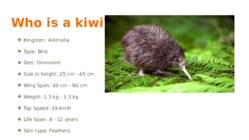
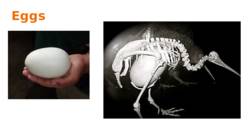
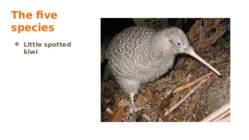
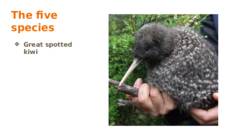
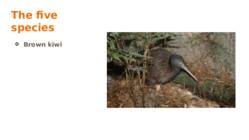
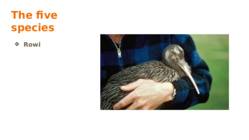
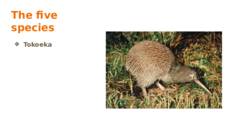
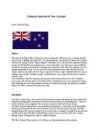
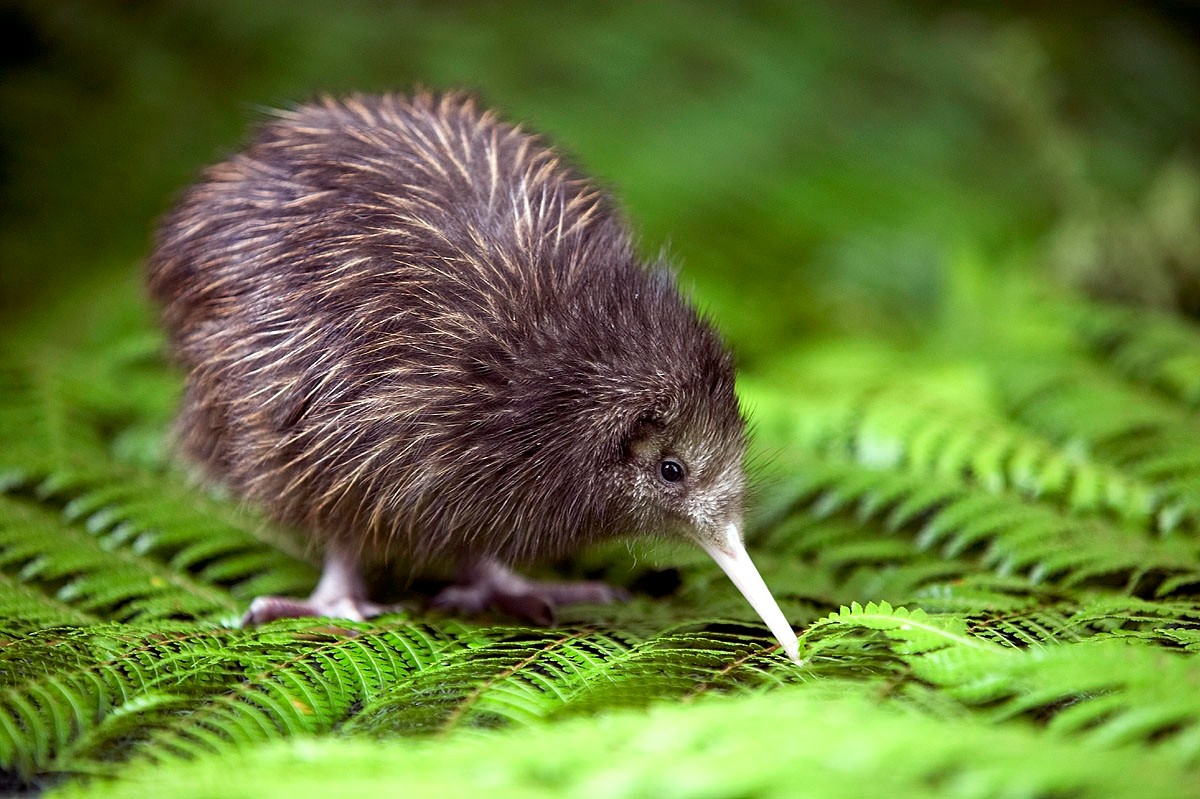
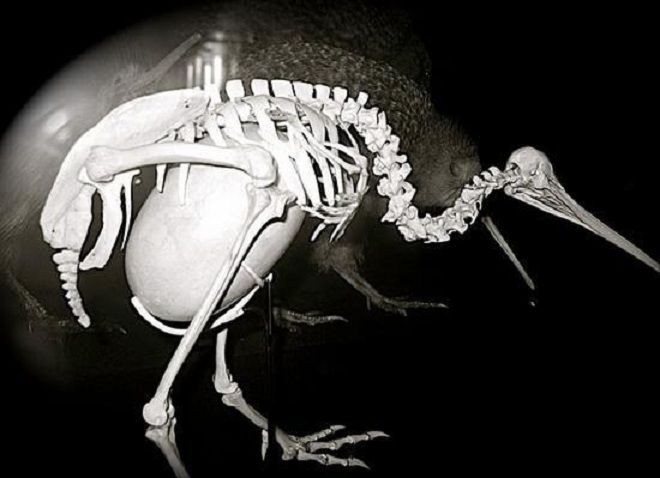
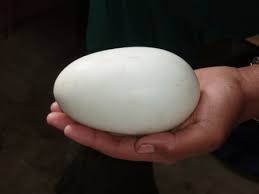
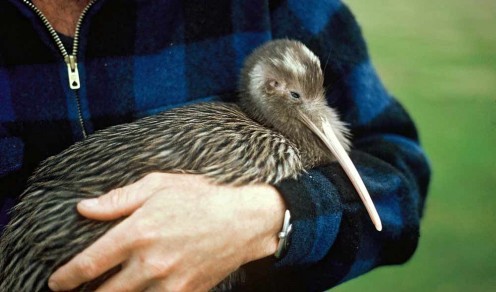
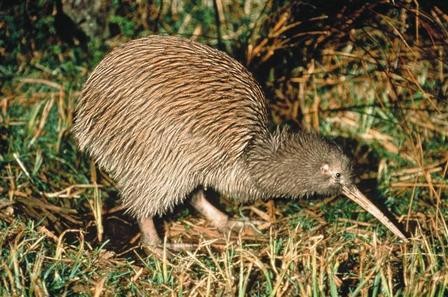
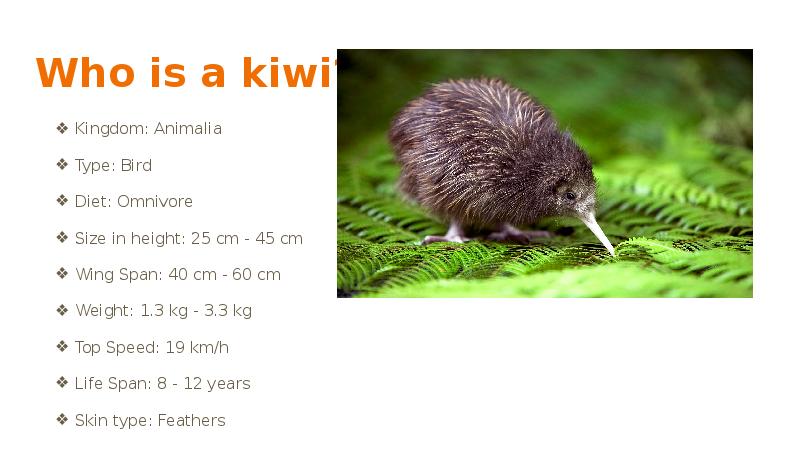
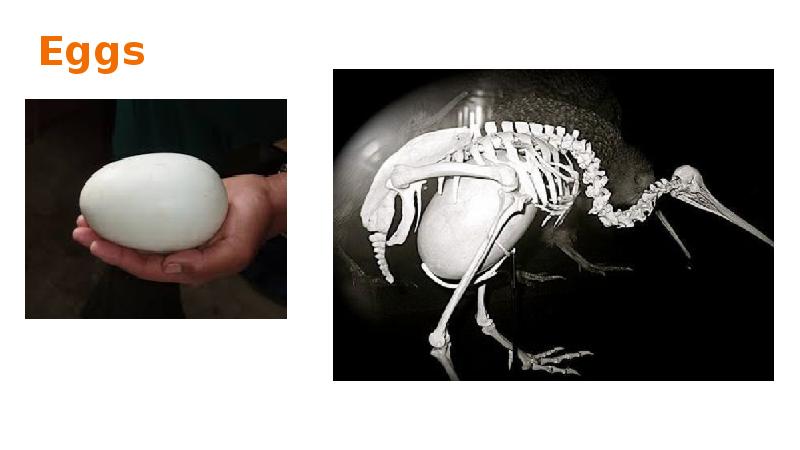
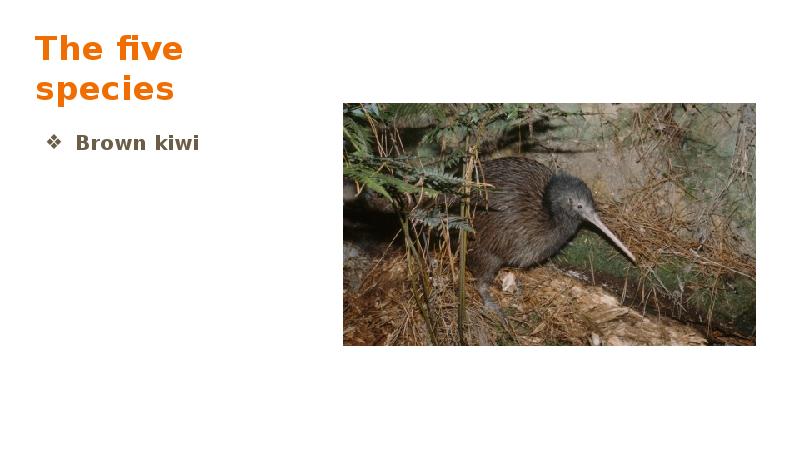
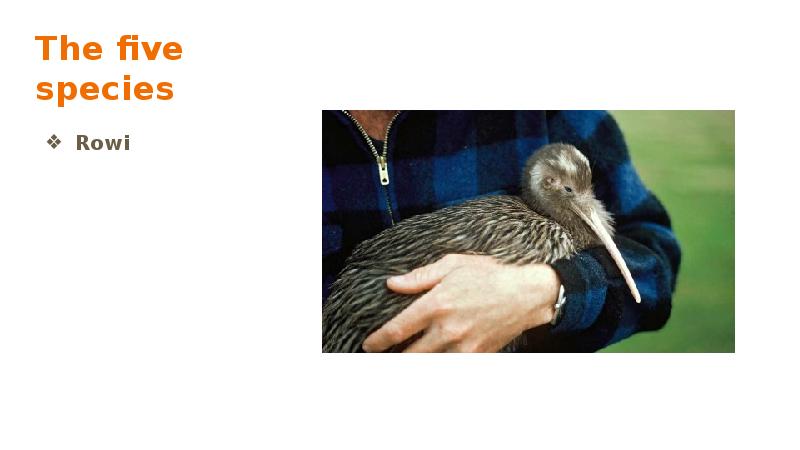
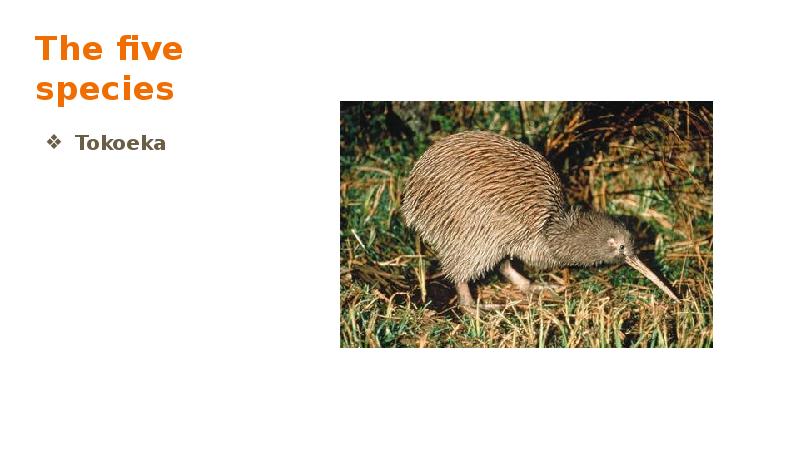
Following the performance at the Munich games, a campaign began to have the song adopted as the national anthem. In 1976 a petition was presented to parliament asking for it to be made the national anthem, and, with the permission of Queen Elizabeth II, it became the country's second national anthem on November 21, 1977, on equal standing with God Save The Queen. Up until then God Save The Queen was New Zealand's national anthem. Kiwi as a national bird A kiwi a flightless bird, about 45 cm high an weighs about 3.3 kg. All kiwi species are endangered. The kiwi lays the largest egg in relation to its body size. The Kiwi as a symbol first appeared in the late 19th century in New Zealand regimental badges. It was later featured in the badges of the South Canterbury Battalion in 1886 and the Hastings Rifle Volunteers in 1887. Soon after, kiwis appeared in many military badges.
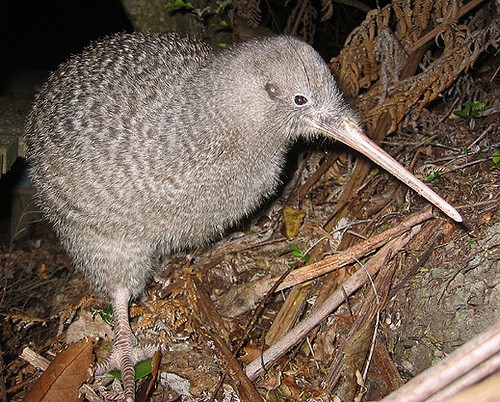
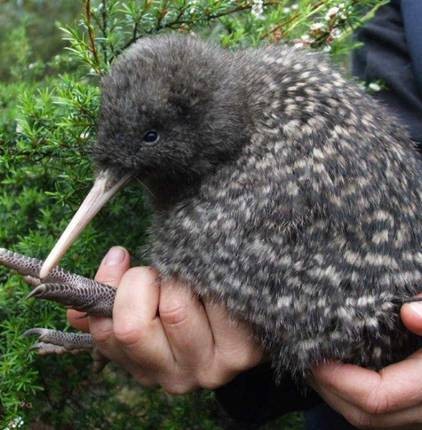
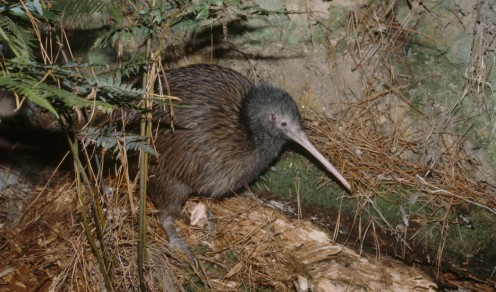
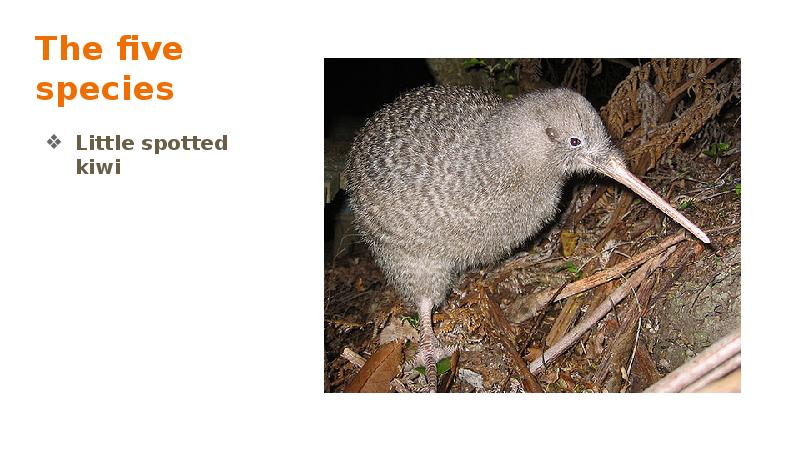
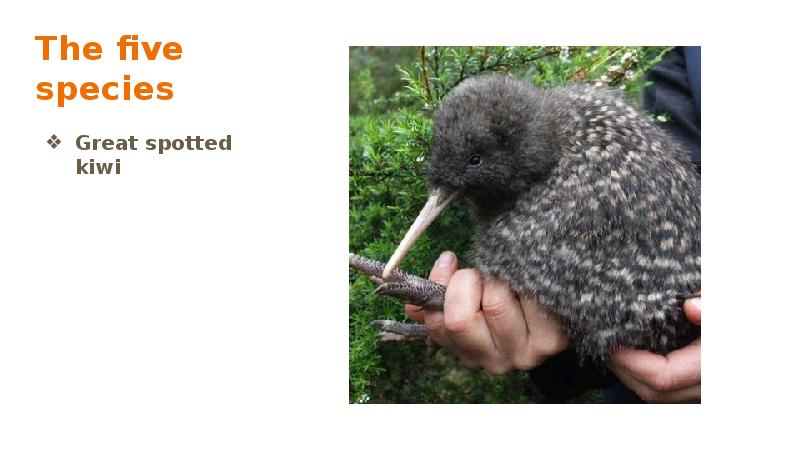
They are about 60 cm long and have a third "eye" on the top of heir heads; tuataras sleep during the winter, and they use the third eye to wake themselves up in spring. New Zealand's moa was the only wingless bird ever known. The giant moa, one of eleven species of moa, was also the tallest known, standing up to 3 metres. Maori hunted moa, and it is believed the birds became extinct around 400 years ago. A kiwi is a flightless nocturnal native bird, and the national bird of New Zealand. It is now endangered, and difficult to see in the wild. However, there are a number of `kiwi houses' at zoos and wildlife parks. While they may look cute, kiwi can be fierce and highly territorial. However, over the years, New Zealanders have become known as `Kiwis' as well. Just to confuse you, the kiwifruit is often called a `kiwi' in Europe and America.
Hunting in Estonia Ants Nokkur Metsandus I Introduction Hunting is the practice of killing or trapping any living organism 14 198 hunting license oweners in Estonia. In order to have the right to hunt a person must be at least 16-years old. Hunting seasons and limits Bag limits are provisions under the law that control how many animals of a given species or group of species can be killed There are seasonal bag limits in Estonia Open and closed hunting season. Big game 1. Brown Bear Ursus arctos 2. Wolf Canis lupus 3. Lynx Lynx lynx 4. Wild boar Sus scrofa 5. Moose Alces alces 6. Roe deer Capreolus capreolus Brown Bear (Ursus arctos) Hunting season 01.08-31.10 Biggest predator in Klõpsake juhtslaidi teksti laadide redigee Estonian forest. Teine tase Average weight 200kg Kolmas tase Neljas tase Record 370kg Viies tase Life-span
Chipmunks are small and striped little animals that many peole adore. Chipmunks are easily recognized by the light and dark stripes on the back and head. They can be confused with some of the striped ground squirrels, but chipmunks are smaller and have five dark stripes on their backs. The cimpunk is very colorful: it’s black, white, grey, brown and red. Chimpunk weights up to one hundred and twenty five grams, but theres also some smaller species. Chimpunks are 16 cm to 30 cm long and have one-third to nearly half of their total length long tail. Chimpunks live usually in forests but you can find them also at parks. They eat many things: seeds, nuts, fruit, grass, shoots and many ohter plants, but also small frogs, worms and bird eggs. Some species hibernate in the winter, but some don’t. Chimpunks typically live about three years, but there have been some, who live nine years. Squirrels are familiar to almost everyone. More than 200 squirrel species live all over the world, with
Topic Australia Introduction Many people know Australia as the land down under because it is the only continent except for Antarctica that is all on the southern hemisphere. Its name means ,,Southland". The official name of the country is the Commonwealth of Australia. It's capital is Canberra. Australia is the sixth largest country in the world but the smallest continent. Australia has 6 states and 2 territories (New South Wales, Victoria, Tasmania, Queensland, Western Australia , South Australia, The Australian Capital Territory and the Northern Territory). The Australian people are culturally the same as the Anglo Americans. There also live aborigines. Aborigines are the ancestors of the people. Like the US and Canada, Australia was an English speaking colony of Great Britain. Today Australia is a modern developed country with a diversified economy. Australia is an island continent of 7.7 million square kilometres, which makes it a little smaller than the USA. Located in
TARTU VEERIKU KOOL New Guinea animals and plants Koostaja: Tauri-Viljar Vahesaar Juhendaja: Priit Pensa Tartu 2009 Table of content Introduction................................................................................................................................................3 The forests of New Guinea .......................................................................................................................5 The problem with trading wildlife.....................................................................................................6 Animals of the lowlands....................................................................................................................8 Reptiles......................................................................................................
Natural Zones and Flora. There are five distinguishable natural zones in Australia. In the very east there are wet forests (1.) that occupy the space between the Great Dividing Range and the eastern coast. Westward from the Great Dividing Range the wet forests give place to beautiful grasslands with some trees . These grasslands are called the savannas (2.). Farther west the trees disappear and the bushlands (3.) begin. The real desert (4.) occupies the centre of the Western Plateau. In the very southwest there are thin forests of evergreen trees (5.). Most of Australian trees are kinds of eucalyptus trees (or gum trees to Australians) and acacia ( wattle to Australians). Eucalyptus trees are found everywhere in Australia. There are many kinds of them and they greatly differ in size. One kind, the great mountain ash, can grow to 120 metres and it grows in the wet forests in the eastern part of the continent.These strong trees do not die when there are forest fires. Some other kinds a
The Giant Eland The Giant Eland (Taurotragus derbianus also known as the Lord Derby Eland) is an open forest savannah antelope. It is found in Central African Republic, Sudan, Cameroon and Senegal. There are two subspecies: the endangered T. d. derbianus, found in Senegal's Niokolo-Koba National Park, and the low risk T. d. gigas, found in Central Africa. Characteristics Giant Eland are typically between 220-290 cm (7.3-9.6 ft) in length, stand approximately 150 to 175 cm (4.9 to 5.7 ft) at the shoulder, and weigh 440-900 kg (968- 1,980 lb). Despite its common name, it is of very similar size to the Common Eland. The smooth coat is reddish- brown to chestnut, usually darker in males than females, with several well-defined vertical white stripes on the torso. A crest of short black hair extends down the neck to the middle of the back, and is especially prominent on the shoulders. The slender legs are slightly lighter on their inner surfaces, with black and white markings just above t
 annaabi.ee








Kõik kommentaarid