 Tasuta
Faili alla laadimine on tasuta
Tasuta
Faili alla laadimine on tasuta
 ~ 2 lehte
Lehekülgede arv dokumendis
~ 2 lehte
Lehekülgede arv dokumendis
 2015-04-27
Kuupäev, millal dokument üles laeti
2015-04-27
Kuupäev, millal dokument üles laeti
 2 laadimist
Kokku alla laetud
2 laadimist
Kokku alla laetud
 0 arvamust
Teiste kasutajate poolt lisatud kommentaarid
0 arvamust
Teiste kasutajate poolt lisatud kommentaarid
 herolillepool
Õppematerjali autor
herolillepool
Õppematerjali autor
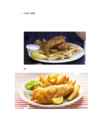
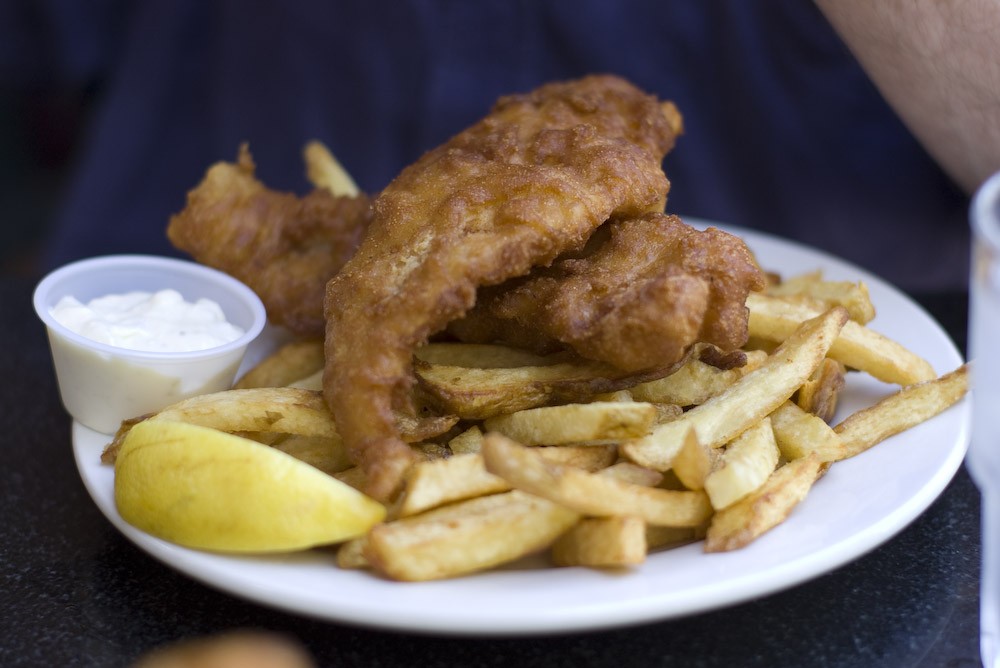
ENGLISH N ATIONAL FOODS AND DRINK S CREATED B Y: SUNDAY ROAST: The Sunday Roast is a traditional British main meal served on Sundays. (usually for lunch) It includes: roast potatoes (or boiled or mashed potatoes), roast beef, lamb, pork or a roast chicken and vegetables. Sauces are chosen depending on the type of meat. FISH AND CHIPS: England is internationally famous for it's fish and chips. Large number of restaurants and takeaway shops selling this dish. The most popular English dish. There are lot of different combinations, but the traditional is potato slices cooked with fish. SAUSAGES: English sausages are colloquially known as ,,bangers". They are made from fresh meat and rarely smoked, dried or stronglu flavoured. A variant of the sausage is the black pudding. (you can eat every part of pig except it's squeal)
3 Antiquity The first known Italian food writer was a Greek Sicilian named Archestratus from Syracuse in the 4th century BCE. He wrote a poem that spoke of using "top quality and seasonal" ingredients. He said that flavors should not be masked by spices, herbs or other seasonings. He placed importance on simple preparation of fish. This style seemed to be forgotten during the 1st century CE when De re coquinaria was published with 470 recipes calling for heavy use of spices and herbs. The Romans employed Greek bakers to produce breads and imported cheeses from Sicily as the Sicilians had a reputation as the best cheese makers. The Romans reared goats for butchering, and grew artichokes and leeks. Middle Ages With culinary traditions from Rome and Athens, a cuisine developed in Sicily that some consider
However it’s not common nowadays because most of the people have to work at that time. There is also High Tea (the traditional 6 o’clock tea). This is the meal that British working population had instead of Afternoon Tea. High tea combined delicious sweet foods, such as scones, cakes, buns or tea breads, with tempting savouries, such as cheese on toast, toasted crumpets, cold meats and pickles or poached eggs on toast. Take-aways became very popular in 80s. The traditional take-away is fish and chips eaten with salt and vinegar and served in an old newspaper. The traditional drink of England is tea. Other main drinks are coffee, bitter and wine. Education Education in England is divided into primary, secondary, further and higher education. Full- time education is compulsory for all the children aged between 5 and 16 and the compulsory education lasts for 11 years. Children are required to start attending school at the start of the
tomatoes, cauliflower, potatoes, and green beans to make different vegetarian dishes. Some other popular Indian vegetables include eggplant, okra, cluster beans, beetroot, cucumber and white radish. · Cows are considered sacred in India and are worshiped by Hindus. They belive that eating pork can lead to different diseases. Specialties: · In india tantalising dishes are Chick Pea Salad, Northern Fish Head Curry, Chicken Vindaloo, Squid Okra Masala, Spicy Chicken Wing, Indian Spicy Mutton, Jhal Farazi and many more. There is also a wide selection of Indian desserts like Suji Halwa, Khir, Payasam, Kesari, Jilabi and more. · The popular are seafood, including Bombay, a flounder-like fish. Bombay Duck, another fish dish is also famous in Bombay. Goa has excellent fish and prawns. · Another famous Indian dish is the Kababs
Food, Restaurants and Cooking Task 1. Underline the most suitable word or phrase. a) Waiter, could you bring me the account/bill/addition, please? b) It's a very popular restaurant - we should apply for/book/keep a table. c) If you're hungry, why not ask for a large dish/plate/portion? d) Please help/serve/wait yourself to salads from the salad bar. e) Waiter, can I see the catalogue/directory/menu, please? f) This fish is not what I called/commanded/ordered. g) This dish/plate/serving is a speciality of our restaurant. h) Have you tried the crude/raw/undercooked fish at the new Japanese restaurant? i) Paul never eats meat, he's a vegetable/vegetarian/vegetation. j) Have you decided what to have for your main course/food/helping? Task 2. Complete each sentence (a-j) with a suitable ending (1-10). Use each ending once. a) Dinner's nearly ready. Can you lay ...6… 1
The Cold Table Flounder The first course in traditional Estonian cuisine is based on cold dishes - a selection of meats and sausages served with potato salad or Rosolje, an Estonian signature dishes based on beetroot, meat and herring . Small pastries called pirukad ("pirukas" in the singular) - a relative of the pirozhki - filled with meat, cabbage, carrots, rice and other fillings or mixtures are also popular, and are often served with bouillon. Herring is common among other fish as a part of the Estonian Cold Table. Smoked or marinated eel, crayfish dishes and imported crabs and shrimps are considered delicacies. One of Estonia's national dishes is räim (Baltic dwarf herring), along with sprats. Flounder, perch and pike-perch are also popular. Soups Soups are traditionally eaten before the main course and most often are made of meat or chicken stock mixed with a variety of vegetables. Soups are also blended with sour cream, milk and yogurt. The Main Course
A sandwich is a food item consisting of one or more types of food placed on or between slices of bread. The sandwich has a long history, but it hasn’t always been as embraced as it is now. HISTORY The sandwich as we know it was popularized in England in 1762 by John Montagu, the 4th Earl of Sandwich. Legend sais, that Montagu had a gambling problem that led him to spend hours at the card table. During a very long game, he instructed a cook to prepare his food in such way that it would not interfere with his game. the cook presented him with sliced meat between two pieces of toast. This meal could be eaten with one hand, leaving the other free to continue the game. . Montagu enjoyed his meat and bread so much that he ate it constantly, and sandwiches grew popular in Londo. it also took on the Earl’s name. By the Revolutionary War, the sandwich was well established in England. By the 19th Century the sandwich had become popula
Because of its nutritional value it is considered a type of food. Other South African dishes originated in the period of colonization. As settlers moved into mainland South Africa, the ingredients for their usual dishes were not available. This meant they had to adapt their eating habits to their new homes. The Cape Malays were considered the masters of seasoning. When the Malays arrived in the region, they spiced, curried and often sweetened variations of many European traditional dishes. Fish and shellfish might be grilled, fried, baked or curried. Some of the more exotic Cape dishes consist of venison and fowl. Venison meat is traditionally cooked in wine and served either with rich gravy or stewed preserves. Putu-Pap or Crumbly Pap (Serves 6) Ingredients 750 ml water 2 tsp. salt 1 kg fine white corn meal, in place of maize meal Preparation Bring water to boil. Pour meal into centre of water to form a pile, add salt, but do not stir. Reduce heat by removing from stove
 annaabi.ee







Kõik kommentaarid