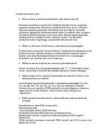
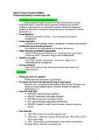
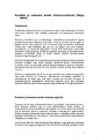
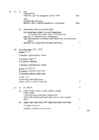
The toxic effects of alcohol can manipulate you brains neuro-transmitters, which are responsible for mood and judgement. This can plung you into deeper depression and bring thought about suicide. It can also bring a cycle of drinking: the more you drink the more depressed you become, and that makes you want to drink more. Alcohol induced depression and hopelessness are characterized by self-pity, social withdrawal, self reproah,a sence of guilt,and a retardation of normal mental processes. FETAL ALCOHOL SYNDROME FETAL ALCOHOL EFFECTS Fetal alcohol syndrome is a group of symptoms that can effect an infant born to a mother who drinks during her pregnancy. The most serious is severe mental retardation. Other effects are: -mild to moderate mental retardation -central nervous system problems -small size,low birth weight or growth retardation -facial or skull adnormalities such as: small head size, small eyes and/or short eye
ALKOHOL JA RASEDUS Gisela Kastein, Annetta-Marii Seer, Monika Soodla Tallinna 32. Keskkool Alkohol eritub lootevette ja loode saab selle kuni 4 korda tagasi, enne kui see on täielikult lõhustunud Alkohol kahjustab eelkõige loote ajurakke ja kesknärvisüsteemi Iseeneseliku abordi ja nurisünnituste oht Fetal Alcohol Syndrome (FAS) ehk fetaalne (loote) alkoholisündroom on kogum füüsilistest ja vaimsetest sünnidefektidest, mis tulenevad rasedusaegsest alkoholi tarvitamise mõjust lootele FAS-i diagnoosimise kriteeriumideks on välised tunnused näos sünnieelne või järgne kasvupeetus ja kesknärvisüsteemi kahjustus FAS Fetal Alcohol Spectrum Disorder (FASD) ehk alkoholist põhjustatud sünnidefektid on üldtermin vigastustele, mis tulenevad rasedusaegsest alkoholi
toitu, mis sisaldab piisavalt süsivesikuid: leib, riis, pastad ja kartul ning on rikas puu- ja köögiviljade poolest. Hapupiimatooted ja värske salat koos vähese taimeõliga on tervislikud ning aitavad kaasa seedimisele. Alkohol Suures koguses alkoholi tarbimine raseduse algperioodil võib oluliselt mõjutada loote arengut. Alkoholi tarvitamine suurendab loote alkohoolse sündroomi (FAS Fetal Alcholol Syndrome) tekke riski. FAS-le iseloomulikuks ilminguks on madal sünnikaal, väike peaümbermõõt, võimalikud kongenitaalsed väärarengud, iseloomulik näoilme ja madal intelligentsuse tase. Alkohol imendub ka rinnapiima ja suuremates kogustes võib põhjustada imiku alkoholimürgituse. Kofeiin Kofeiin vähendab vitamiinide ja
Cell_differentiation.gif · http://www.biologyreference.com/images/biol_01_img0111.jpg · http://healthgate.partners.org/browsing/LearningCenter.asp?fileNam e=11869.xml&title=Fetal%20Alcohol%20Syndrome · http://www.apexfineart.com/schatz/images/newborn.jpg · http://content.answers.com/main/content/wp/en- commons/f/fe/Pregnancy.gif · http://www.pregnancy
exposure. Impact on Human Dioxins have been characterized as likely to be human carcinogens and are anticipated to increase the risk of cancer at background levels of exposure. At body burden levels 10 times or less above those attributed to average background exposure, adverse noncancer health effects have been observed both in animals and, to a more limited extent, in humans. In animals these effects include changes in hormone systems, alterations in fetal development, reduced reproductive capacity, and immunosuppression. Effects specifically observed in humans include changes in markers of early development and hormone levels. At much higher doses, dioxins can cause a serious skin disease in humans called chloracne. What are the health effects of exposure to dioxins and furans? Dioxins and furans can cause a number of health effects. The most well known member of the dioxins/furans family is 2,3,7,8 TCDD. The U.S
exposure levels were not reported in these studies. Low birth weight was not statistically significant associated with formaldehyde exposure in a population-based epidemiological study. No effects on sperm morphology were seen in exposed individuals exposed to formalin from a hospital autopsy service. In WHO IARC it is concluded that "whether administered by inhalation, ingestion or the skin to various species, formaldehyde did not exert adverse effects on reproductive parameters or fetal development" (WHO IARC, 1995). Studies in Animals Effects on Fertility No studies devoted solely to reproductive effects using formaldehyde were performed. Doses that induced stomach lesions in the chronic drinking water study with rats approx. 82 and 109 mg/kg b.w./day for male and female rats, respectively, did not reveal adverse effects on reproductive organs. Developmental Toxicity An inhalation prenatal toxicity study using up to date methodology showed the absence of
Vanemate alkoholism on sagedaseim vastsündinute vaimse alaarengu põhjus. Lootele mõjub kahjustavalt isegi alkoholi ühekordne kasutamine raseduse ajal. Kõige ohtlikum on alkoholi tarvitamine raseduse esimestel kuudel, kui moodustub loote närvisüsteem. Loote alkohoolsed kahjustused ei ole ravitavad, kuid nad on ärahoitavad alkoholi tarbimise vältimisega enne rasedust ja raseduse ajal. (Perekool, 2016) Fetaalse (e. loote) alkoholisündroomi (ing.k Fetal Alcohol Syndrome - FAS) diagnoosimise kriteeriumideks on välised tunnused näos (väike pea ja silmad, omapärane silmade lõige, madal laup, õhuke ülahuul, lamedad ülahuule kurrud, madalal asetsevad kõrvad jne.), sünnieelne või – järgne kasvupeetus ja kesknärvisüsteemi kahjustus. Kesknärvisüsteemi häired võivad olla strukturaalsed, neuroloogilised või funktsionaalsed. Kaasneda võivad arengurikked teistes organites (süda, kopsud, neerud jne). FAS-i kõige
The observed range of expression is now recognized to be regulated by non-genetic factors, including prenatal environmental influences (Wolf, et al., 1996). "Maternal effects provide a powerful avenue for [altering] the course of the future by adding information content and material content. That content can be...anything that can influence how an embryo develops" [ibid]. In regard to influential material content, the role of the mother's biochemistry in fetal development is well known. We are particularly sensitive to the importance of maintaining appropriate nutritional status during pregnancy. The focus of more recent investigations has drawn public attention to the debilitating nature of maternal toxins and drugs, such as cigarette smoke, alcohol and crack cocaine. Most everyone is in some way familiar with the impact that the mother's material (chemical) content has upon human development. However, very few are aware that the mother also
Kui efektiivsed need on? Neuroblastoom-med närvirakk-kasvaja. Malignant tumor containing embryonic nerve cells; usually metastasizes quickly. http://www.cancer.gov/cancerinfo/pdq/treatment/neuroblastoma/healthprofessional/ Neuroblastoma is predominantly a tumor of early childhood, with two thirds of the cases presenting in children younger than 5 years. In rare cases, neuroblastoma can be discovered prenatally by fetal ultrasonography. Neuroblastoma originates in the adrenal medulla or the paraspinal sites where sympathetic nervous system tissue is present. The most common symptoms are due to a tumor mass or to bone pain from metastases. Proptosis and periorbital ecchymosis are common and arise from retrobulbar metastasis. Extensive bone marrow metastasis may result in pancytopenia. Abdominal distention with respiratory compromise due to massive liver metastases occurs in infants. Because
· ainevahetuslikud häired · hingamisfunktsiooni häired · seedeelundite talitluse häired FAS-sündroom alkoholi kuritarvitavate emade lastel. Tekib raseduse ajal alkoholi tarvitanud emade lastel. Laps on sündides alakaaluline, väikese peaga, tema nina on ülespoole suunatud, silmad iseäraliku lõikega, ülahuul on kitsas, lõug täielikult välja arenemata, madalad vaimsed võimed, keskendumisprobleemid jne FAS - fetal alcohol syndrome * närvisüsteemi kahjustus (IQ alla 70ne) * tähelepanuhäired * alakaalulisus * väike pea * iseloomulikud näojooned * vaimne häire * moondunud kõrvakuju * jäsemete anomaaliad 22.Teised kliinilised sõltuvuskäitumised: Patoloogiline mängurlus Pidev ja korduv hasartmängijalik käitumine, mis avaldub vähemalt viiena järgmistest tunnustest: 1. Isik tunneb suurt huvi hasartmängude vastu (tugev soov varasemaid mängusituatsioone
suvikõrvits, rohelised oad, spargel, seller, kurk ja seened. Alkohol Alkoholi kasutamine suurtes kogustes mõjutab naise reproduktiivtervist, mõjutades viljastumisvõimet. Suures koguses alkoholi tarvitamine raseduse algperioodil (üle 80 g kanget alkoholi päevas) võib oluliselt mõjutada loote arengut. Seetõttu soovitatakse rasedust planeerival ja rasedal naisel alkoholi tarvitamine suurendab loote alkohoolse sündroomi (Fetal Alcholol Syndrome) tekke riski. FAS-ile iseloomulikuks ilminguks on madal sünnikaal, väike peaümbermõõt, võimalikud kongenitaalsed väärarengud, iseloomulik näoilme ja madal intelligentsuse tase. Alkohol imendub ka rinnapiima ja võib suuremates kogustes põhjustada imiku alkoholimürgitust. Kofeiini tarbimine Suurtes kogustes kofeiini tarvitamine raseduse ajal võib olla spontaanabortide põhjustajaks. Samuti intensiivistab kofeiin soolte peristaltikat, vähendades seega
2 removes uncertainty ; 3 allows early treatment ; 4 which may improve, life expectancy / quality of life ; A avoid unncessary suffering 5 allows, informed choice about having children / planning healthy family ; 6 allows IVF and, embryo screening / preimplantation genetic diagnosis (PGD) ; 7 allows fetal testing and termination ; 8 choice, re donation / adoption ; 9 AVP ; e.g. detail of donation: AI(D) / egg donation / embryo donation maximum 5 on advantages disadvantages 10 false, positives / negatives ; 11 may not be test for all mutations ; 12 only small number tests available / not available for all conditions ; 13 simple presence may not result in condition ;
The shared feature of all the dominant exercises, in particular the oor crunch, is that they used no more than half of the full range of motion (ROM) of the abdominals. If you were to imagine yourself sitting in a chair, the prescribed exercises all took you toward your knees (crunch, oor sit-up) or brought your knees toward your chest with a straight back (roman chair, reverse crunch). I decided to ignore that fetal range of motion altogether for eight weeks and focus on the stretched position achieved with full back extension. The result was the myotatic crunch, so named because it leverages the fully stretched position and the resultant re ex (myotatic re ex or stretch re ex) for a stronger contraction than I had been able to achieve otherwise. It didn't take eight weeks to see a difference. It took three.
His chest heaved as he growled, "Not so neat and tidy when you're the one getting fucked." "Crossfire," I gasped. A flash of light from the hallway blinded me, followed by the blessed removal of Gideon's smothering weight. Rolling to my side, I sobbed, my eyes streaming tears that blurred my view of Cary shoving Gideon across the room and into the wall, denting the drywall. "Eva! Are you okay?" Cary turned on the bedside light, cursing when he saw me curled in a fetal position, rocking violently. When Gideon straightened, Cary rounded on him. "Move one fucking muscle before the cops get here and I'll beat you to a bloody pulp!" Swallowing past my burning throat, I pushed up to a seated position. My gaze locked with Gideon's and I watched the haze of sleep leave his eyes, replaced by a dawning horror. "Dream," I choked out, catching Cary's arm as he reached for the phone. "He's d-dreaming."
E. Goll. 1998. Changes in the calpains and calpastatin S-nitroslyation of the ryanodine receptor during postmortem storage of bovine muscle. Journal (calcium release channel in the sarcoplasmic of Animal Science 76:2415–2434. Briggs, M. M., H. D. Mcginnis, and F. Schachat. 1990. reticulum) may also play a role on modulat- Transitions from fetal to fast troponin-t isoforms are ing contraction. This protein is responsible coordinated with changes in tropomyosin and alpha- for releasing calcium from the sarcoplasmic actinin isoforms in developing rabbit skeletal-muscle. Developmental Biology 140:253–260. reticulum into the sarcoplasm. S-nitrosylation Callow, E. H. 1948. Comparative studies of meat. II.
 annaabi.ee