Leidsid 33 sarnast õppematerjali, mis on seotud failiga ""Estonia"". Need materjalid aitavad sul teemat sügavamalt mõista.
there, country, estonians, landscape, anthem, lies, north, europe, finland, south, language, proud, castle, offers, beauty, river, island, flower, stone, same, traditions, christmas, year, sometimes, member, washed, west, latvia, east, russian, divided, official, although, terms, considered, ones, independent, government, republic, president, placesFACTFILE Area: 45 228 sq km Poplulation: under 1.4 million Capital: Tallinn Language: Estonian Currency: Eesti kroon (EEK) Main religion: Lutheran National holiday: 24 February (anniversary of the republic) National flower: Cornflower National bird: Barn Swallow National stone: Limestone LOCATION The Republic of Estonia is the northernmost and smallest of the three Baltic States. It is located on the eastern shores of the Baltic Sea in the north east of Europe. To the east the country borders Russia. Latvia is the countries neighbour to the south. From the west the coast of Estonia is washed by the Baltic Sea and from the north by the Gulf of Finland. The length of the coastline is approximately 3 800 km. The longest distance from east to west is 350 km, while north to south Estonia stretches 240 km. THE NAME The name EESTI was apparently derived from the word AISTI, the name given by ancient Germans to the peoples living northeast of the Vistula River
Estonia. Estonia, officially the Republic of Estonia is a country in Northern Europe. It is the smallest of the three Baltic countries. Estonia has land borders with Latvia (339 km) to the south and Russia (229 km) to the east. It is separated from Finland in the north by the narrow Gulf of Finland and from Sweden in the west by the Baltic Sea. Estonia has been a member of the European Union since May 1, 2004 and of the NATO since March 29, 2004. The area of Estonia is about 45000 square kilometres and the population is about 1.4 million people. The capital of Estonia is Tallinn and the official language is Estonian. The currency is Eesti kroon. The main religion is Lutheran. Anniversary of the republic is celebrated on February 20. The national flower is cornflower, national
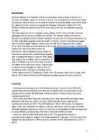
Estonia Topic Tallinn 2007 2 List of Contents page Facts and figures 3 Geography 3 Climate 3 Nature 4 History 5 Economy 6 Culture 6 Biggest towns 7 Language 8 3 Facts and figures The Republic of Estonia is a small country. Covering only 45, 228 sq km it is slightly bigger than Denmark, Belgium or Switzerland. Estonia's population is under 1.4 million. The official language is Estonian but since very many Russians live here Russian is also wide spread. The capital of Estonia is Tallinn. The currency used in Estonia is Eesti kroon. The Estonian national flag is blue-black-white. It was originally the flag of the Estonian Students' Society. The flag was first consecrated in Otepää Church in 1884. For a while,
Tallinn English College Topic Estonia Tallinn 2008 1. Introduction Estonia is a small country about the size of Switzerland, or New Hampshire and Massachussetts combined. Estonia is named after the people called "Ests" who lived in the region in the 1 st century AD. The Republic of Estonia is one of the three countries commonly known as the "Baltic States". The other Baltic States are Latvia and Lithuania. 2. Geographical position Estonia is situated in northeastern Europe. Estonia is bounded on the north by
Võnnu Keskkool ESTONIA Referaat Autor: Klass : 9 Juhendaja: Võnnu 2013 Estonia officially the Republic of Estonia, is a state in the Baltic region of Northern Europe It is bordered to the north by the Gulf of Finland, to the west by the Baltic Sea, to the south by Latvia and to the east by Lake Peipus and Russia.Across the Baltic Sealies Sweden in the west and Finland in the north. The territory of Estonia covers 45,227km2 The Estonian climate resembles that of other countries on the Baltic littoral. On account of the country's proximity to the sea, the skies are often cloudy, and rain often falls in the spring and autumn, in the winter the rain turns to snow. The highest point in Estonia is Suur Munamäg It is in fact the highest point in the Baltic region Forest cover over one half of Estonia. The most common types of tree are pine, spruce and birch
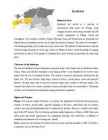
Project ESTONIA MAP OF ESTONIA Southern Viljandimaa The southern part of Viljandi county catches the eye with its sublime scenery. The area today lies in the very heart of the historical Mulgimaa the home of hills, deep valleys and lakes brought together by a beauty spot Halliste primeval valley. According to several folk tales, it is also in these valleys, woods and bogs that Old Nick found refuge.The great variety displayed in the nature is also reflected in the local cultural heritage. At the beginning of the 19th century growing linen spread and became the basis of the legendary wealth of Mulgi farms
Holidays, Festivals, Cultural events TALLINN - If you're looking for entertainment in Estonia this summer, you are really spoiled for choice. Festivals and events dedicated to the consumption of beer are a lot of fun, but if you want to get the true feel of the country, you need something a little more ethnic. Like a town fair. Just as July becomes August, the seaside town of Haapsalu will host a grand spectacle of rural Estonian entertainment. The White Lady Days is a summer celebration filled with amusement for all the family. Held in and around the remains of the Teutonic-knights-era castles, the fair combines enchanting medieval legends with modern countryside charm to create a comprehensive experience of Estonia beyond the big cities.
Estonia Where it is? Republic of Estonia is a state in the Baltic region of Northern Europe .It is bordered to the north by the Finland, to the west by the Baltic Sea, to the south by Latvia (343 km), and to the east by lake Peipus and Russia (338.6 km). Across the Baltic Sea lies Sweden in the west and Finland in the north. Towns Tallinn is the capital and the largest city of Estonia. It lies on the northern coast of Estonia, along the Gulf of Finland. There are 33 cities and several town-parish towns in the country. In total, there are 47 linna, with "linn" in English meaning both "cities" and "towns". More than 70% of the population lives in towns. History • Estonia was settled near the end of the last glacial era, beginning from around 8500 BC. Before the
1. Estonian literacy is really young. It dates back to only 19th century, but since then we have had really outstanding poets and writers. They have changed our traditions and shown us the beauty of our homecountry through their writings. There are more man writers in Estonia, but still each of them are astonishing. 2.Marie Under 18831980. She lived in Moscow for a while and then returned to Estonia and started writing. Founded Estonian Literary Society and was the honour member of it. She wrote poems in Germany at first, but them got inspiration to write poems in Estonian, working in newspaper ,,Teataja". She was the first writer in estonia to express emotions in erotic ways so her openminded poems were new to estonia
Estonia lies on the eastern shores of the Baltic Sea on the level northwestern part of the rising east European platform. Estonia is a flat country covering 46 226 square kilometers.Estonian's neighbours are Finland, Sweden, Latvia and Russia. Estonia is rich in islands. The two largest are Saaremaa and Hiiumaa . Saaremaa is famous for its big meteorite crater called Kaali and Hiiumaa is famous for its nature and plants. The countries highest point Big Egg hill ( Suur- Munamägi) reaches 318 meters above sea level. Estonia has many uplands too. The uplands are: Pandivere upland, Otepää upland, Vooremaa upland, Karula upland Haanja upland, Sakala upland
Introduction Estonia, officially the Republic of Estonia (Estonian: Eesti or Eesti Vabariik) is a country in the Baltic region of Northern Europe. It is bordered to the north by Finland across the Gulf of Finland, to the west by Sweden across the Baltic Sea, to the south by Latvia (343 km), and to the east by the Russian Federation (338,6 km). The territory of Estonia covers 45,227 km² and is influenced by a temperate seasonal climate. The Estonians are a Finnic people closely related to the Finns, with the Estonian language sharing many similarities to Finnish. The modern name of Estonia is thought to originate from the Roman historian Tacitus, who in his book Germania (ca. AD 98) described a people called the Aestii. Similarly, ancient Scandinavian sagas refer to a land called Eistland, close to the German term Estland for the country. Early Latin and other ancient versions of the name are Estia and Hestia. Until the late
Introduction of Estonia The Republic of Estonia is beautiful country which is located in northeastern Europe, bordering the Baltic Sea on the west, the Gulf of Finland on the north, Latvia on the south, and Russia on the east. Estonia is the smallest of the Baltic countries. Administrative division: Estonia has an area of 45,226 square kilometers and Estonia is administratively divided into counties. There are 15 counties in Estonia. The capital is Tallinn which is located in Harjumaa. Counties are divided into 194 rural municipalities. Population: The population of Estonia was estimated at 1.34 million in January 2011, with a density of 30 persons per square kilometer. According to the last census the number of inhabitants has decreased. In 2010 the birth rate was 11,82 per 1,000 population, while the death rate was exactly the same, so population growth rate is 0%
In the present day it includes a variety of international foods and dishes, with a number of contributions from the traditions of nearby countries. German, Scandinavian, Russian and other influences have played their part. The most typical foods in Estonia have been rye bread, pork, potatoes and dairy products. Estonian eating habits have historically been closely linked to the seasons. In terms of staples, Estonia belongs firmly to the beer, vodka, rye bread and pork "belt" of Europe. The Cold Table Flounder The first course in traditional Estonian cuisine is based on cold dishes - a selection of meats and sausages served with potato salad or Rosolje, an Estonian signature dishes based on beetroot, meat and herring . Small pastries called pirukad ("pirukas" in the singular) - a relative of the pirozhki - filled with meat, cabbage, carrots, rice and other fillings or mixtures are also popular, and are often served with bouillon. Herring is common among other fish as a
Estonian geography The territory of Estonia covers 45,227 km2. Estonia is situated in the Baltic Region of Northern Europe. It is bordered to the north by the Gulf of Finland, to the west by the Baltic Sea. Its neighbor countries are to the south Latvia, to the east Russia, to the north and over the Gulf of Finland, Finland and to the west and over the Baltic Sea, Sweden. Most of the lowland areas are in the middle of Estonia. Average elevation reaches only 50 meters and the country's highest point is the Suur Munamägi in the southeast at 318 meters. There is 3,794 kilometers of coastline marked by numerous bays, straits, and inlets. The number of islands and islets is estimated at some 1,500. Two of them are large enough to constitute separate counties: Saaremaa and Hiiumaa. A small, recent cluster of meteorite
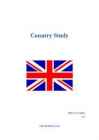
'ledsltv 'sembl/ seadusandlik kogu The British Isles is the name of a group of islands washed by the North Sea in the east and the Atlantic Ocean in the west. The British Isles are shared by two separate and independent countries: the
My Town I live in Tallinn. It's the capital and main seaport of Estonia. Tallinn is a very beautiful city that lies on the Baltic Sea. It covers 158 square kilometres. The Mayor of Tallinn is Jüri Ratas. The population of our capital is about 400000 people. About 55% of them are Estonian, 37% Russians and the other 8% are from different nations. The people here are mostly engaged in industry- mainly the food industry (23%), trade (16%) and transport and communication (14%). History. Tallinn has a great history. It was first marked on a map of the world
Estonia is a pretty small country in northern Europe. Estonia has land borders in the south with Latvia and in the east with Russia, it's oversea neighbours are Finland and Sweden. Estonia divided into fifteen counties. Estonia has been an independent country since 1991. Tallinn is the capital city of Estonia. It's not very large, there lives about 400 000 pedestrians. Estonia is a member of European Union and NATO. Estonia is a democratic republic and it's president is Toomas Hendrik Ilves. The territory of Estonia covers 45,227 km² and is influenced by a temperate seasonal climate. The surface there is mainly flat, but in the southern parts of Estonia it gets little bumpy. The official language of Estonia is Estonian, which is Finno-Ugric language and has many similarities with Finnish
Estonia is located in the Northern Europe and is a state in the Baltic region It is bordered to the north by the Gulf of Finland, to the west by the Baltic Sea, to the south by Latvia, and to the east by Lake Peipus(Peipsi) and the Russian Federation.Estonia also has a number of islands: Saaremaa and Hiiumaa, which are the most known are also the two biggest ones.The territory of Estonia covers 45,227 km2. There is 3,794 kilometers of coastline marked by numerous bays, straits, and inlets. The Republic of Estonia is divided into fifteen counties: Hiiumaa, Saaremaa, Läänemaa, Harjumaa, Lääne-Virumaa, Ida-Virumaa, Tartumaa, Jõgevamaa, Järvamaa, Raplamaa, Viljandimaa, Pärnumaa, Valgamaa, Põlvamaa and Võrumaa. The capital city of estonia is Tallinn. Estonia is influenced by a temperate seasonal climate. Estonia has four seasons of near-equal length
Kunda Ühisgümnaasium Tallin Old Town Report Student: Kristin Karu Teacher: Kristi Aron Kunda 2012 The Alexander Nevsky Cathedral The Alexander Nevsky Cathedral is an orthodox cathedral in the Tallinn Old Town,Estonia. It was built to a design by Mikhail Preobrazhensky in a typical Russian Revivalstyle between 1894 and 1900, during the period when the country was part of theRussian Empire. The Alexander Nevsky Cathedral is Tallinn's largest and grandest orthodox cupola cathedral. It is dedicated to Saint Alexander Nevsky who in 1242 won the Battle of the Ice on Lake Peipus, in the territorial waters of present-day Estonia. The late Russian patriarch, Alexis II, started his priestly ministry in the church. Interior of the Cathedral. The Alexander Nevsky Cathedral crowns the hill of Toompea where the Estonian folk hero
Estonia is divided into 15 counties which are divided in turn into 207 rural municipalities and 47 towns. The Republic of Estonia, the northernmost and smallest of the three Baltic countries, is located on the eastern shores of the Baltic Sea in the north-east of Europe. Lying between East and West, it has served as junction of international trade routes for centuries. Moreover, Estonian neighbours are Russia and Latvia. Estonia is accessible, both from a logistical and social point of view - Tallinn is within 3 hours flight from major European capitals and the power distance is very low. In the west, the coast of Estonia is washed by the Baltic Sea. It is a land of great natural beauty with a long and varied history and rich culture
elderly because Straitland was the one to bring Christianity to Estonia. The castle of Kuressaare is still standing proudly, but in Lihula only ruins can be seen. The patterns of national dresses and the churches bring memories of secret sign cultures of Medieval Times. Good knowledge of singing and facility of speech of the people of Straitland have given Estonia a big number of writers and poets. Character of the landscape The area of Straitland contains Pärnumaa county and some of the islands such as Saaremaa, Muhu, Kihnu, Ruhnu and Abruka. Straitland is low-lying and flat. It was flooded by the sea for much longer than the rest of mainland Estonia. The climate is maritime and greatly influenced by the Baltic Sea. The area features large bogs, extensive forests, coastal plains, warm and peaceful beaches, the lake Kaali with its mystical meteorite flight and a number of offshore islands. The
Estonia Estonia, officially the Republic of Estonia, is a state in the Baltic region of Northern Europe. It is bordered to the north by the Gulf of Finland, to the west by the Baltic Sea, to the south by Latvia, and to the east by Lake Peipus and Russia. Across the Baltic Sea lies Sweden in the west and Finland in the north. The territory of Estonia covers 45,227 km 2, and is influenced by a humid continental climate. The Estonians are a Finnic people, and the official language, Estonian, is a Finno-Ugric language closely related to Finnish, and distantly to Hungarian and to the Sami languages. The population of Estonia is 1.5 million. Of this number 62 per cent are Estonians. The geography of the land is surprisingly varied. Islands make up 9,2 per cent of Estonian’s total
Are young people living in Estonia patriots of their homeland? To begin with, it would be a good idea to explain who patriots actually are. They are people whose public conducts are regulated by one single motive - the love of their homeland. When speaking of patriotism, already The Constitution of Estonian Rebublic states that the main aim of our country is to assure that our nation, language and culture will be preserved. Many people have argued whether young Estonians are patriots of their homeland or not and there have been many different answers to that question. One the one hand, young Estonians are very supportive and helpful when there is a crisis situation in our country. For example, in case of the disturbances in April 2007, young men where ready to go as voluntaires to protect our country. Also, more an more young people are interested in taking part in the Song and Dance Festivals. Where they can wear our national
Diana Ostrat Essey How does the United States influence Estonia? The United States of America with it's global economic and political superpower is one of the most influential countries in the world and therefore it’s influence can also be felt in Estonia. Fluctuations in Estonia’s status as an independent country have had significant impact on the amount of influence from other countries, whether it is the language, eating habits or lifestyle. But how has United States influenced Estonia after we gained our independence? Estonia is not economically dependent on the United States as they are not one of our most important trading partners, but as the economics of the United States has a great influence on the world economy, they can still indirectly have an influence on Estonian economy.
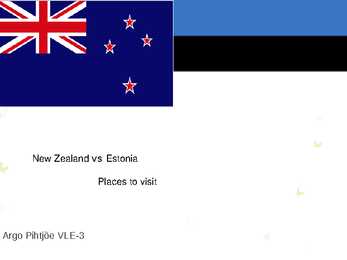
Zealands premier tourist destinations. The home of bungee jumping and jet boating. Queenstown is also one of the southern hemispheres premier skiing destinations Rotorua Famous for its volcanic activity. Every reserve has spectacular examples of geysers, boiling pools, hot springs, boiling mud, volcanic terraces, and craters. Mt Tarawera nearby volcano offers spectacular scenery including superb views inside the rim of the volcano Best area in the country to experience and learn about Maori Culture. Top ten places to visit in New Zealand Bay of Islands Bay of Islands is the finest maritime park in New Zealand. There are about 150 islands. The park has an abundance of marine life, including marlin, whales, penguins and dolphins. Mt Cook National Park Mt Cook and surrounding area is an alpine park within the South Westland World Heritage area. Mt Cook, Mt Tasman and Mt Sefton.
Estonia officially the Republic of Estonia, is a country in the Baltic region of Northern Europe. It is bordered to the north by the Gulf of Finland, to the west by the Baltic Sea, to the south by Latvia and to the east by Russia. Across the Baltic Sea lies Sweden in the west and Finland in the north. The territory of Estonia covers 45,227 km2, and is influenced by a humid continental climate. Estonia is a democratic parliamentary republic divided into fifteen counties, with its capital and largest city beingTallinn. With a population of 1.3 million, it is one of the least-populous member states of the European Union. The Estonians are a Finnic people, and the official language, Estonian, is a Finno-Ugric language closely related to Finnish
Life in Estonia through the eyes of an economics student With a population of 1 313 271 people, Estonia is one of the least populous member states of the European Union. However, according to the IMF, it is a developed country with an advanced and high-income economy. Estonia follows market economy system which ensures the little government intervention and the determination of prices of goods and services in a free price system. Therefore, economic decisions are guided solely by the aggregate interactions of a country's citizens and businesses. In addition to mentioned afore, Estonia tends to perform favourably in measurements of civil liberties, education, and press freedom.
Topic Sports Tallinn English College 8b form 2007 1. Introduction For some people sport plays a very important part in their lives. And to some, it is even a way of life. There are different kinds of sports. For instance, there are sports meant for playing indoors, some can be practised only at a certain time of year. There are winter and summer sports also. Skiing, figure-skating, sledding and snowboarding these four most popular are practised during winter. Good examples of summer sports are: swimming, badminton, roller skating and golf. 2. The ancient Olympic Games The first recorded Olympic Games took place in 776. B.C. at Olympia but the city may have functioned as a meeting place for worship and other political practices many years earlier. The city is located in western Greece
Estonia Anna-Kaisa Adamson Estonia, officially the Republic of Estonia, is a state in the Baltic region of Northern Europe. It is bordered to the north by the Gulf of Finland, to the west by the Baltic Sea, to the south by Latvia, and to the east by the Lake Peipsi and the Russian Federation. The territory of Estonia covers 45,227 km2. The capital, Tallinn, has around 400000 inhabitants.Tallinn's ability to blend medieval architecture with Scandinavian modernity with all the comforts you'd expect from a modern, competitive and innovative capital. Estonian language, does not belong to the Indo-European group. It belongs to the Finno-Ugric language family, which also includes Finnish and Hungarian. Estonian
UNO SOOMERE ESTONIAN SYMPHONIC MUSIC. THE FIRST CENTURY 1896-1996. AN OVERVIEW With a Historical and Cultural Summary IN MEMORY OF THE GREAT ESTONIAN COMPOSERS CONTENTS ESTONIA AND THE ESTONIANS FOREWORD IN THE FOLD OF TSARIST RUSSIA. EMERGENCE AND FIRST STEPS ON THE CLASSICAL-ROMANTIC PATH. HISTORICAL INTRODUCTION I. MUSICAL LIFE IN TARTU AT THE TURN OF THE CENTURY. TRAILBLAZERS: ALEKSANDER LÄTE, RUDOLF TOBIAS, ARTUR KAPP. II. THE FIRST DECADE OF THE 20TH CENTURY. ARTUR LEMBA: THE BEGINNING OF ESTONIAN SYMPHONY AND OPERA. III. NEW DEVELOPMENTS IN CULTURAL AND MUSICAL LIFE: THE END OF THE TSARIST PERIOD. THE INDEPENDENT REPUBLIC OF ESTONIA: THE INTRODUCTION OF
Why should tourists visit Estonia? I have always though of my country as a huge ,,multicultural city". We have so many different cultures from different places put into a little place all together that you could almost say we are a huge city not a country. And that has influenced us in a very remarcable way. Since the time we can remember we have been under Danes, Swedes, Germans, Russians, Polans and other. We have taken their traditions into our daily lives and forgotten ours. But still despite the fact that we bearly know our own language structure or our old traditions,we try to awake them once again. Estonia is one of the worlds wealthiest countries when it comes to forests. Almost half of the country is covered with the divercity of trees
Estonia Location Estonia officially the Republic of Estonia is a state in the Baltic region of Northern Europe. It is bordered to the north by the Gulf of Finland, to the west by the Baltic Sea, to the south by Latvia and to the east by the Lake Peipsi and the Russian Federation. Across the Baltic Sea lies Sweden in the west and Finland in the north. Size and population The territory of Estonia covers 45,227 km2 Estonian population is 1.34 million Largest cities of Estonia 1. Tallinn (Estonian capital city) 2. Tartu 3. Narva 4. Kohtla-Järve Tallinn Tartu Narva Kohtla-Järve Largest islands of Estonia There are 1521 islands. 1. Saaremaa 2. Hiiumaa 3. Muhu 4. Vormsi Hiiumaa Saaremaa Vormsi Muhu Longest river of Estonia 1. Võhandu 2. Pärnu 3. Põltsamaa
Tallinn English College English Sergo Vainumäe 9A TALLINN Report Supervisor: Inge Välja Tallinn 2006 Order of contents: 1.Introduction 2.Toompea 3.Lower Town 4.Kadriorg and Pirita 5.Museums 1. Introduction Tallinn, the capital of Estonia, lies on the Baltic Sea. It is on almost the same latitude east St. Petersburg in Russia, Stockholm in Sweden and Stavanger in Norway, and covers 158 sq km. Tallinn was first marked on a map of the world by the Arab geographer al-Idrisi in 1154, its name then being Kolyvan (probably derived from the name Kalev). In the 13th-century Chronicle of Henricus de Lettis the town was called Lyndanise. Later came Reval (presumably after the old county
 annaabi.ee