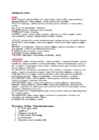
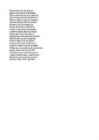
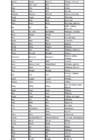
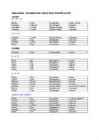
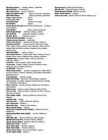
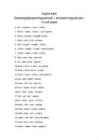
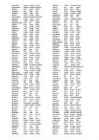
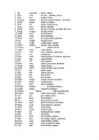
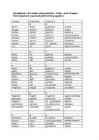
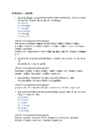
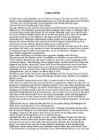
stören- segama, stricken- kuduma, weinen- nutma, wünschen- soovima, aufräumen- koristama, kohale jõudma, anrufen- helistama, antworten- vastama, arbeiten- töötama, aussteigen- väljuma, vorspielen- ette mängima, buchen- broneerima, besuchen- külastama, reisen- reisima, mieten- üürima, beginnen- algama, bitten- paluma, danken- tänama, bringen- tooma, denken- mõtlema, dürfen- tohtima. wandern- matkama, interessieren- huvituma, spielen- mängima, warten- ootama, öffnen- avama, Oleviku pööramine: Ich-mache, hebe, fahre, nehme. Du- machst, hast, fährst, nimmst. Er/Sie- macht, hat, einkaufen- sisseostma, laufen- jooksma, kochen- keetma, suchen- otsima, fragen- küsima, spazieren- fährt, nimmt. Wir- machen, haben, fahren, nehmen. Ihr- macht, habt, fahrt, nehmt
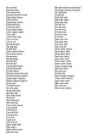
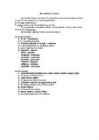
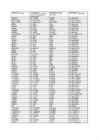
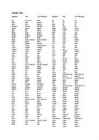
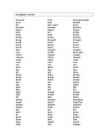
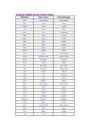
Be was been Misunderstand misunderstood 2 Bear bore born Oversleep overslept overslept Beat beat beaten Pay paid paid Become became become Put put put Begin began begun Read read read Bite bit bitten Ride rode ridden Break broke broken Ring rang rung Build built built Run ran run Burst burst burst Say said said Buy bought bought See saw seen Catch caught caught Sell sold sold Can could Send sent sent Come came come Set set set Cost cost cost Shoot shot shot Cut cut cut Sing sang sung Deal dealt dealt Sink sank sunk
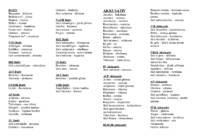
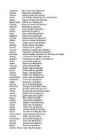
Helfen aitama Sich erkundigen järele pärima Beantworten vastama Gratulieren õnnitlema Greifen haarama Beeinflussen mõjutama UM Akkusativ Finden wo? leidma Sich sehnen igatsema Bestehen sooritama Sich bewerben kandideerima Glauben uskuma Fragen küsima Bewundern imetlema Bitten midagi paluma Vergessen wo? unustama Bitten paluma Sich kümmern hoolitsema MIT Dativ Sich erinnern mäletama Sich handeln käsitlema VON Dativ Sich befreunden sõbrunema Es gibt on Es geht läheb; käima (teksti
küsima MIT DATIV: sich befreunden - sõbrunema, sich beschäftigen tegelema; sich befassen tegelema; sich verheiraten - abielluma, zurechtkommen-toime tulema, IN DATIV: bestehen seisnema, sich irren - eksima AUF DATIV: bestehen kindlaks jääma VOR DATIV: Angst haben hirmu tundma, sich fürchten - kartma AKKUSATIV AKKUSATIV: anrufen - helistama, ansehen - vaatama, anschauen vaatama, beantworten - vastama, beeinflussen - mõjutama, bestehen sooritama, bewundern - imetlema, bitten (ka um A) - paluma, es gibt on; haben - omama, fragen - küsima, heiraten - abielluma, interessieren - huvitama, studieren uurima, verlassen maha jätma UM AKKUSATIV: sich bewerben - kandideerima, bitten - paluma, sich kümmern - hoolitsema, sich handeln tegemist olema, puutuma, es geht räägib, läheb (nt [tektis] räägitakse---es geht um...) ÜBER AKKUSATIV: sich ärgern - ärrituma, sich freuen rõõmustama (olnu üle), nachdenken
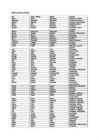
Paluma-bitten,bat,hat gebeten Jääma-bleiben,blieb,ist geblieben Põlema-brennen,brante,hat gebrannt Viima-bringen,brachte,hat gebracht Mõtlema-denken,dachte,hat gedacht Tohtima-dürfen,durfte,hat gedurft Sööma-essen,a,hat gegessen Sõitma-fahren,fuhr,ist gefahren Leidma-finden,fand,hat gefunden Lendama-fliegen,flog,ist geflogen Andma-geben,gab,hat gegeben Meeldima-gefallen,gefiel,hat gefallen Minema-gehen,ging,ist gegangen Omama-haben,hatte,hat gehabt Peatuma-halten,hielt,hat gehalten Rippuma-hängen,hing,hat gehangen Kellegi nimi on-heien,hie,hat geheien Aitama-helfen,half,hat geholfen Tundma-kennen,kannte,hat gekannt Tulema-kommen,kam, ist gekommen Saama-können,konnte,hat gekonnt Jooksma-laufen,lief,ist gelaufen
Er vergisst immer seine Hausaufgaben zu machen. Kui tegusõnadel on lahutatav eesliide, siis kirjutatakse zu liite ja sõna vahele. Ich bitte dich aufzustehen. Zu väljendab da tegevusnime: joosta, laulda jne. Zu-d tuleb kasutada: 1) Es ist + omadussõna nt. Es ist wichtig zu lernen. 2) Kindlad väljendid: Es ist/gibt + nimisõna nt. Es gibt Möglichkeit ins Ausland zu fahren. Es macht Spa Sport zu treiben. 3) beginnen algama bitten paluma vergessen unustama versuchen proovima brauchen proovima verboten keelama aufhören lakkama enpfehlen soovitama Zu-d ei kasutata: 1) modaalverbide puhul(können, wollen, müssen, dürfen, mõgen, ollen) nt. Ich muss nach Hause gehen. 2) sehen, hören, fühlen nt. Ich sehe meine Mutter kommen. 3) Liikumist väljendavate tegusõnade puhul. nt. Wir fahren morgen unsere Oma besuchen. 4) lernen, lehren nt
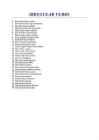
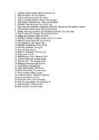
IRREGULAR VERBS 1. Be was/were been-olema 2. Bear bore borne-välja kannatama 3. Beat beat beaten-peksma 4. Become became become-saama 5. Begin began begun-algama 6. Bite bit bitten-hammustama 7. Break broke broken-murdma 8. Bring brought brought-tooma 9. Build built built-ehitama 10. Burst burst burst-puhkema 11. Buy bought bought-ostma 12. Catch-caught caught-kinni püüdma 13. Can could - -saama 14. Come came come-tulema 15. Cost cost cost-maksma 16. Creep crept crept-hiilima 17. Cut cut cut-lõikama 18. Deal dealt dealt-tegelema 19. Dig dug dug-kaevama 20. Do did done-tegema 21. Draw drew drawn-joonistama 22. Dream dreamt dreamt-unistama 23. Drink drank drunk-jooma 24
Fall fell Fallen Kukkuma Light Lit Lit valgustama Blow Blew Blown Puhuma Run Ran Run Jooksma Stand Stood Stood Seisma Lie Lay Lain Asetsema Fly flewn flown Lendama Lay Laid Laid Panema Think Thought Thought Mõtlema Rise Rose Risen Tõusma Come Came Come Tulema Bite Bit Bitten Hammustama Aet Ate Eaten Sööma Ride Rode Ridden Sõitma Sell Sold Sold Müüma Shake shook shaken Raputama Throw Threw throwen Viskama Find Found Found Leidma Drive Drove Driven Juhtima Feed fed Fed Toitma freeze Froze Frozen külmuma
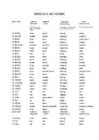
begin began begun Alustama bend bent bent painduma beset beset beset Ründama, piirama Kihla vedama, bet bet bet pakkuma bid bid/bade bid/bidden Pakkuma, käskima bind bound bound siduma bite bit bitten hammustama bleed bled bled veritsema blow blew blown puhuma break broke broken lõhkuma breed bred bred Tekkima, tekitama bring brought brought Tooma Eetrisse andma, broadcast broadcast broadcast esinema
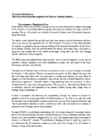
Sherlock Holmes The Mystery of the Creeping Man Review One day Holmes asked Dr. Watson to help him. He had started to investigate a problem of a dog who had bitten its owner, professor Presbury. The professor's assistant, Mr Bennet, had asked him to do it. Bennet was professor Prespury's daughter's fiancee. Frofessor had recently become engaged with a young girl. She was a daughter of one of professor's colleagues. The girl had been worried about the professors age. After that the professor had started to behave strangely. Professor's family was worried about him. After every 9 days he behaved especially strangely. He had been climbed
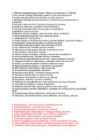
1. Ületama, milleski parem olema- Beat sb at sth. 2. Mitte hetkekski- not for a moment. 3. Vaikust katkestama- Break the silence 4. Pärani silmadega vahtima- Stare at sb wide-eyed. 5. Pilti tegema, fotografeerima- Take a picture/photo 6. Kellelegi teele ette jääma- Get in their way. 7. Infot erinevatest allikatest kontrollima- Check the information with different sources. 8. Kõrvast hammustada saama- Have you ear bitten. 9. Kedagi millessegi kaasama- Get somebody involved in sth in the topic 10. Oma varrukat üles keerama- Roll up his/her sleeve. 11. Midagi ära kasutama- Make use of sth 12. Kellelegi/millelegi võimalust andma- Give sb a chance 13. Milleski edukas olema- Be successful sth 14. On võimalik, et- The chances that 15. Millelegi keskenduma- Focus on sth 16. Eesmärki püstitama- Set a goal 17. Esile kerkima- Pop up 18. Millestki vabastama- Free from sth 19. Välja jätma- Cut out 20
sights. Also you can just relax and enjoy yourself or just stop thinking about your problems. On the other hand travelling needs a lot of money and free time. Also you have to know anything about that country where are you going. You have to be sure about your safety too if anything should happen to you. You can never be sure that the plain you are flying with doesn't cause plain crash. And there could be more dangers like bitten by a snake or getting hit by a rock. Anyway escaping from your problems doesn't solve anything. So there are a lot to think about. Despite all of this negative sides we still travel and the point of this article is to think before going somewhere. You need to make sure why, where and how. After this: good flight!
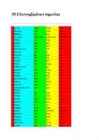
Fliegen flog ist geflogen Kennen kannte hat gekannt Können konnte hat gekonnt Lügen log hat gelogen Müssen musste hat gemusst Nennen nannte hat genannt Schließen schloss hat geschlossen Schreiben schrieb hat geschrieben Stehen stand hat gestanden Streiten stritt hat gestritten Treiben trieb hat getrieben Tun tat hat getan Verlieren verlor hat verloren Verstehen verstand hat verstanden Wissen wusste hat gewusst 1-2-3 Beginnen begann hat begonnen Bitten bat hat gebeten Brechen brach hat gebrochen Finden fand hat gefunden Gehen ging ist gegangen Gewinnen gewann hat gewonnen Helfen half hat geholfen Liegen lag hat gelegen Nehmen nahm hat genommen Schwimmen schwamm ist geschwommen Sein war ist gewesen Singen sang hat gesungen Sitzen saß hat gesessen Sprechen sprach hat gesprochen Springen sprang ist gesprungen Sterben starb ist gestorben Treffen traf hat getroffen
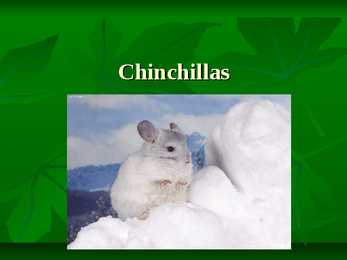
can be found in the wild. Domestic chinchillas are thought to come from the lanigera species. General info General color of upper parts is bluish or silvery gray, underparts are yellowish white. They can be also white. They mostly live in colder climates for which they are well adapted because of their dense fur. They are critically endangered. Chinchillas have a variety of defensive tactics including spraying urine and releasing fur if bitten. They mostly feed upon vegetation. In nature, chinchillas live in social groups that resemble colonies but are properly called herds. Chinchillas can breed any time of the year. Due to this long pregnancy, chinchillas are born fully furred and with eyes open. Litters are usually small in number, predominately twins. Chinchilla's extremely soft fur is being used in fur industry. Communicating Yelling. Barking Smiling. Winking.
cancer but it did not. Now the doctor is lookeing for a cure to fix that problem and to survive in the destroyd landescape of New York. His wife and son were killed when the military did the extraction of the city. Now he wonders with his dog. Most of the film about 30 min is all calm. Around 40 min mark they chase a deer wich allmost got them killed. The following days they were chased by the strongest of the monsters. The Alpha male who was played by Dash Mihok. Roberts dog gets bitten and infected with the plague while trying to escape from the alpha male one night. The dog, saddly dies . The following day he will be picked up by a junge woman and her daughter but that will get them found and attacked. The doctor had a lab where they escaped and found a cure from one of the test subjects the doctor had there. The junge woman and her son escape but the doctor gives his life for that. The movie had a good ending somewhat. I liked the movie because
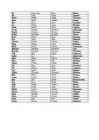
Irregular Verbs Base Form Simple Past Past Participle Tense awake awoke awoken be was, were been bear bore born beat beat beat become became become begin began begun bend bent bent beset beset beset bet bet bet bid bid/bade bid/bidden bind bound bound bite bit bitten bleed bled bled blow blew blown break broke broken breed bred bred bring brought brought broadcast broadcast broadcast build built built burn burned/burnt burned/burnt burst burst burst buy bought bought cast cast cast catch caught caught choose chose chosen
INFINITIV-olevik PRÄSENS- 2. ja 3.(er, PRÄTERITUM- PERFEKT-täisminevik sie, es) ebareeglipärane lihtminevik pööre olevikus Befehlen er befiehlt befahl hat befohlen bekommen er bekommt bekam hat bekommen beschreiben er beschreibt beschrieb hat beschrieben bitten er bittet bat hat gebeten bleiben er bleibt blieb ist geblieben braten er brät briet hat gebraten bringen er bringt brachte hat gebracht denken er denkt dachte hat gedacht erschließen er erschließt erschloss hat erschlosssen
Nehmen nahm hat genommen võtma Sprechen sprach hat gesprochen rääkima Helfen half hat geholfen aitama werfen warf hat geworfen viskama I A- O schwimmen schwamm ist geschwommen ujuma beginnen begann hat begonnen algama IE/I A E Liegen lag hat gelegen asuma bitten bat hat gebeten paluma Sitzen saß hat gesessen istuma Unregelmäßige Verben ebakorrapärased Modalverben Können konnte hat gekonnt võima, saama, tohtima, oskama Müssen musse hat gemusst pidama Mögen mochte hat gemocht võima, tahtma,
Olema BE-WAS/WERE-BEEN kuulma HEAR/HEARD/HEARD Saama k/m BECOME-BECAME-BECOME peitma HIDE/HID/HIDDEN Alustama BEGIN/BEGAN/BEGUN lööma HIT/HIT/HIY Hammustama BITE/BIT/BITTEN hoidma HOLD/HELD/HELD Puhkama BLOW/BLEW/BLOWN haiget tegema HURT/HURT/HURT Katki BREAK/BROKE/BROKEN jätma KEEP/KEPT/KEPT Tooma BRING/BROUGHT/BROUGHT teadma KNOW/KNEW/KNOWN Ehitama BUILD/BULIT/BUILT juhtima LEAD/LED/LED Ostma BUY/BOUGHT/BOUGHT õppima LEARN/LEARNT/LEARNT Püüdma CATCH/CAUGHT/CAUGHT jätma LEAVE/LEFT/LEFT Valikud CHOOSE7CHOSE/CHOSEN välja laenutama LEND/LENT/LENT Tulema COME/CAME/COME laskma LET/LET/LET Maksma COST/COST/COST kaotama LOSE/LOST/LOST
Bear bore born(e) - kandma; taluma, sünnitama Tear tore torn rebima, katki rebestama Bite bit bitten - hammustama tell told told - ütlema, jutustama, käskima Blow blew blown - puhuma; lõhkama Think thought thought- mõtlema, arvama Bring brought brought - tooma, esile tooma, ajendama Throw threw thrown - viskama Burst burst burst - lõhkema,puhkema, pakatama Wear wore worn kandma (rõivaid, ehteid, soengut jms) Choose chose chosen - valima Come came come - tulema
Be was/were been let let let Bear bore born(e) lie lay lain Beat beat beaten light lit lit Become became become lose lost lost Begin began begun make made made Bite bit bitten mean meant meant Blow blew blown meet met met Break broke broken pay paid paid Brong brought brought put put put Build built built read read read Burn burnt (Inf+ed) burnt (Inf+ed) ride rode ridden
IRREGULAR VERBS BE WAS / WERE BEEN OLEMA BEAT BEAT BEATEJN PEKSMA, LÖÖMA BECOME BECAME BECOME SAAMA (kellekski) BEGIN BEGAN BEGUN ALGAMA, ALUSTAMA BITE BIT BITTEN HAMMUSTAMA BLOW BLEW BLOWN PUHUMA BREAK BROKE BROKEN MURDMA, KATKI TEGEMA BRING BROUGHT BROUGHT TOOMA BURN BURNT BURNT PÕLEMA, PÕLETAMA BUILD BUILT BUILT EHITAMA BURST BURST BURST PUHKEMA BUY BOUGHT BOUGHT OSTMA CATCH CAUGHT CAUGHT KINNI PÜÜDMA
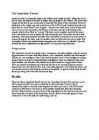
The Australian Terrier stands around 25 centimeters high at the withers and weighs around 7 kilograms. It is a low-set dog; the length of its body is longer than its height at the withers. The Aussie has a high-set tail that is now not docked in Australia.The head of the Australian Terrier is elongated, with a slight stop and pricked ears. The ANKC breed standard describes the dog's look as "hard bitten" and "rugged". The eyes are small, dark, and oval and must have a keen terrier expression. The leather of the nose runs up to the bridge of the muzzle, which is described as "strong".The dog's coat is rough or harsh to the touch, with a soft undercoat and a distinctive ruff around the neck. Australian Terriers shed little hair. The breed standard specifies that it should be untrimmed, but some prefer to neaten the dog for the show ring. Acceptable colors are blue and tan, red or sandy.The
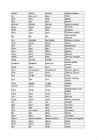
peksma beat beat beaten rippuma hang hung hung kellekski saama become became become omama have had had algama begin began begun kuulma hear heard heard kalduma bend bent bent peitma hide hid hidden hammustama bite bit bitten lööma hit hit hit veritsema bleed bled bled hoidma hold held held puhuma blow blew blown vigastama hurt hurt hurt lõhkuma break broke broken hoidma keep kept kept tooma bring brought brought teadma know knew known
Be,was,been-olema Bear,bore,born(e)-taluma Beat,beat,beaten-tukslema Become,became,become-saama Begin,began,begun-algama Bite,bit,bitten-hammustama Blow,blew,blown-puhuma Break,broke,broken-lõhkuma Build,built,built-ehitama Burn,burnt(burned),-II- -põlema Burst,burst,burst-lõhkema Buy,bought,bought-ostma Can,could,(been able to)-oskama Catch,caught,caught-püüdma Choose,chose,chosen-valima Come,came,come-tulema Cost,cost,cost-maksma Cut,cut,cut-lõikama Deal,dealt,dealt-nr. valima Dig,dug,dug-kaevama Do,did,done-tegema Dream,dreamt(dreamed),-II- -unistama Drink,drank,drunk-jooma Eat,ate,eaten-sööma
Irregular verbs Present Past Past participle beat beat beaten be was, were been become became become begin began begun bite bit bitten blow blew blown break broke broken bring brought brought build built built burn burnt burnt burst burst burst buy bought bought can could been able catch caught caught choose chose chosen come came come cost cost cost cut cut cut
83 vajuma sink sank sunk 84 ujuma swim swam swum 85 lamama lie lay lain 86 olema be was/were been 87 sööma eat ate eaten 88 tegema do did done 89 minema go went gone 90 lendama fly flew flown 91 peitma hide hid hidden 92 hammustama bite bit bitten 93 keelama forbid forbade forbidden 94 unusama forget forgot forgotten 95 kellekski saama become became become 96 tulema come came come 97 jooksma run ran run 98 rebima tear tore torn 99 (seljas)kandma wear wore worn
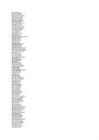
küpsetama backen-backte-hat gebacken puhuma blasen-blies-hat geblasen käskima befehlen-befahl-hat befohlen asuma sich befinden-befand sich-hat sich befunden algama beginnen-begann-hat begonnen hammustama beiBein-biss-hat gebissen tõestama beweisen-bewies-hat bewiesen pakkuma bieten-bot-hat geboten siduma binden-band-hat gebunden paluma bitten-bat-hat gebeten jääma bleiben-blieb-ist geblieben praadima braten-briet-hat gebraten murdma brechen-brach-hat gebrochen põlema brennen-brannte-hat gebrannt tooma bringen-brachte-hat gebracht mõtlema denken-dachte-hat gedacht tohtima dürfen-durte-hat gedurft soovima empfehlen-empfahl-hat empfohlen tundma empfinden-empfand-hat empfunden otsustama sich entschieden-entschied sich-hat sich entschieden
Make made made - tegema 25.Meet met met - kohtama 26.Put put put - panema 27.Read read read - lugema 28.Say said said - ütlema 29.See saw seen - nägema 30.Sing sang sung - laulma 31.Sleep - slept slept - magama 32.Take took taken - võtma 33.Wear wore worn - kandma 34. Write wrote written kirjutama 35. Hang hung hung riputama 36.Win won won võitma 37.Sit sat sat istuma 38.Bite bit bitten hammustama 39.Cost cost cost maksma, väärt olema 40.Cut cut cut lõikama 41.Know knew known teadma, tundma 42.Lay laid laid panema, asetama 43.Light lit lit süütama 44.Mean meant meant tähendama 45.Ride rode ridden ratsutama 46.Upset - upset upset ärritama 47.Swing swung swung kiikuma, õõtsutades liikuma 48.Send sent - sent saatma 49. Run ran run jooksma 50
a fantasy world called Arda, and Middle-earth. While many other authors had published works of fantasy before Tolkien,[ the great success of The Hobbit and The Lord of the Rings led directly to a popular resurgence of the genre. This has caused Tolkien to be popularly identified as the "father" of modern high fantasy literature. Biography. Childhood John Ronald Reuel Tolkien was born in Bloemfontein in South Africa. As a child, he was bitten by a large baboon spider in the garden, an event some think later echoed in his stories. In 1900, He entered the King Edward school, where he learned the old English language and started exploring other — Welsh, Norse, Finnish, Gothic. He early showed up linguistic talent, after studying the Welsh and Finnish languages, he began designing "Elvish" languages. Biography. Youth In 1911, Tolkien went on a summer holiday in
asetama lay laid laid ostma buy bought bought ehitama build built built otsima seek sought sought elama dwell dwelt dwelt painutama bend bent bent ennustama forecast forecast forecast paiskama cast cast cast haisema stink stank stunk paisutama swell swelled swollen haistma smell smelt smelt panema put put put hammustama bite bit bitten panema set set set heitma fling flung flung panustama bet bet bet heitma sling slung slung peitma hide hid hidden helistama ring rang rung pillama spill spilt spilt hellitama spoil spoilt spoilt pistma thrust thrust thrust hiilima creep crept crept poetama shed shed shed
1. Be was/were been olema 2. Bear bore born(e) kandma, taluma 3. Beat beat beaten- lööma 4. Become became become- saama kellekski , millekski 5. Begin began begun- alustama 6. Bite bit bitten- hammustama 7. Blow blew blown- puhuma 8. Break broke broken-murduma, murdma, lõhkuma 9. Bring brought brought-tooma 10. Build built built-ehitama 11. Burn burnt burnt-põletama 12. Burst burst burst-purskama, puhkema 13. Buy bought bought-ostma 14. Can could could-võima, suutma 15. Catch caught caught- kinni püüdma 16. Choose chose chosen-valima 17
bringen brachte gebracht tooma denken dachte gedacht mõtlema kennen kannte gekannt teadma,tundma brennen brannte gebrannt põlema,põletama nennen nannte genannt nimetama rennen rannte ist gerannt tormama tun tat getan tegema,asetama a e bitten bat gebeten paluma liegen lag gelegen asuma,lebama sitzen saB gesessen istuma e a e essen aB gegessen sööma geben gab gegeben andma geschehen geschah ist geschehen juhtuma/toimuma lesen las gelesen lugema messen maB gemessen mõõtma
Präsens - olevik 1. Du ja Er,Sie,Es ja Ihr pöördes tuleb lisada pöördelõpu ja tüve vahele -e, kui tüvi lõppeb –d, -t, -m või –n tähega: Ich arbeite Du arbeitest Er arbeitet Wir arbeiten Ihr arbeitet Sie arbeiten Sõnad, mis kuuluvad sinna gruppi: antworten; arbeiten; atmen; beobachten; bilden; bitten; finden; gründen; heiraten; mieten; öfnen; rechnen; reden; retten; trocknen; warten; zeichnen (Erandid on tegusõnad, milles on lm, ln, rm ja rn. Nt. Lernen; qualmen jne.) 2. Du pöördes ei panda pöördelõppu –s tähte, kui seal on –s, -ß, -x või –z: Du tanzt, du mixt, du grüßt Sõnad, mis kuuluvad sinna gruppi: beweisen; heizen, mixen, reisen, reißen, reizen, sich setzen, sitzen, tanzen, heißen, faulenzen, grüßen, rasen jne. 3
behold beheld beheld bend bent bent, bended bereave bereaved, bereft bereaved, bereft beseech besought besought beset beset beset bet bet, betted bet, betted bid bode, bid bidden, bid bind bound bound bite bit bitten, bit bleed bled bled blend blended blended bless blessed, blest blessed, blest blow blew blown break broke broken breed bred bred bring brought brought broadcast broadcast broadcast build built built
TO BEAT beat beat beating beaten TO BECOME become became becoming become TO BEGIN begin began beginning begun TO BEND bend bent bending bent TO BITE bite bit biting bitten TO BLEED bleed bled bleeding bled TO BLOW blow blew blowing blown TO BREAK break broke breaking broken TO BRING bring brought bringing brought TO BUILD build built building built
begin began begun Alustama bend bent bent painduma beset beset beset Ründama, piirama Kihla vedama, bet bet bet pakkuma bid bid/bade bid/bidden Pakkuma, käskima bind bound bound siduma bite bit bitten hammustama bleed bled bled veritsema blow blew blown puhuma break broke broken lõhkuma breed bred bred Tekkima, tekitama bring brought brought Tooma Eetrisse andma, broadcast broadcast broadcast esinema
Earnshaw dies, and Hindley inherits Wuthering Heights. He returns with a wife, Frances, and immediately seeks revenge on Heathcliff. Once an orphan, later a pampered and favored son, Heathcliff now finds himself treated as a common laborer, forced to work in the fields. Heathcliff continues his close relationship with Catherine, however. One night they wander to Thrushcross Grange, hoping to tease Edgar and Isabella Linton, the cowardly, snobbish children who live there. Catherine is bitten by a dog and is forced to stay at the Grange to recuperate for five weeks, during which time Mrs. Linton works to make her a proper young lady. By the time Catherine returns, she has become infatuated with Edgar, and her relationship with Heathcliff grows more complicated. When Frances dies after giving birth to a baby boy named Hareton, Hindley descends into the depths of alcoholism, and behaves even more cruelly and abusively toward Heathcliff
II vorm Was/were II vorm Beat III vorm - Been III vorm - Beaten (Kellekski) Saama = Become Algama = Begin I vorm Become I vorm Begin II vorm Became II vorm Began III vorm - Become III vorm - Begun Kihla vedama = Bet Hammustama = Bite I vorm Bet I vorm Bite II vorm Bet II vorm Bit III vorm - Bet III vorm - Bitten Puhuma = Blow Lõhkuma, katki minema = Break I vorm Blow I vorm Break II vorm Blew II vorm Broke III vorm - Blown III vorm - Broken Tooma = Bring Ehitama = Build I vorm Bring I vorm Build II vorm Brought II vorm Built III vorm - Brought III vorm - Built Põlema, põletama = Burn Ostma = Buy
Ilma jätma Bereave Bereft Bereft Härdalt paluma, anuma Beseech Besought Besought Kihla vedama Bet Bet Bet Käskima, oksjonil pakkuma Bid Bid/bade Bid/bidden Köitma, siduma Bind Bound Bound Hammustama Bite Bit Bitten Verd jooksma, veritsema Bleed Bled Bled Segama, segunema Blend Blended/blent Blended/blen Õnnistama Bless Blessed/blest Blessed/bles Puhuma Blow Blew Blown Murdma, purustama Break Broke Broken Kasvatama/aretama Breed Bred Bred
pöörduma (to) 19. bid bade/bid bid(den) pakkuma (mlgi eest for); taotlema, püüdlema, saavutada püüdma (mdgi for) 20. bind bound bound siduma, köitma; seostama, seostuma; kohustama; 21. bite bit bitten hammustama, salvama 22. bleed bled bled veritsema, verd jooksma 23. bless blest (blessed) blest (blessed) õnnistama; õndsaks tegema; (saatust jms) tänama 24. blow blew blown puhuma; nuuskama, õhku laskma 25. break broke broken lõhkuma, purunema, purustama 26
Auf dem großen Hügel, auf dem jetzt das moderne Bauhaus steht, stand damals das Fort. Ingenieur Hjalmar Poelzig baute seinen Palast aus Glas und Stahl auf den Grundmauern des zerstörten Forts. Sie kommen in ein schreckliches Unwetter, der Busfahrer verliert die Kontrolle und der Bus rammt einen Baum. Der Fahrer ist tot, Joan leicht verletzt, die anderen kommen mit dem Schrecken davon. Dr. Werdegast bringt die anderen zu Poelzigs Haus, wo sie um Hilfe bitten. Werdegast versorgt Joans Wunden und gibt ihr ein Schlafmittel. Später stehen sich Poelzig und Werdegast allein gegenüber, Werdegast deckt Poelzigs Vergangenheit auf: Der Ingenieur war der Kommandant von Marmaros, er verriet das Fort an die Russen und floh. Werdegast und viele andere wurden für viele Jahre in die Kriegsgefangenschaft verschleppt. Poelzig - in der Meinung, Vitus sei getötet worden - heiratete dessen Frau Kareen und adoptierte ihre Tochter - die ebenfalls Kareen heißt
American Staffordshire terriers are restricted for breeding, import/export. The owners, who already had dogs, were asked to take them abroad. Some animals were sent for training, some resulted in the euthanasia of dogs. The owners of the remaining dogs on the territory of the country were obliged to sterilize them and pay taxes. In France, it was forbidden to breed and import dogs of these breeds after the death of eight children in Marseilles. They were all bitten by a young pit bull terrier, who escaped from the owner. England banned the breeding of " dogs- fighters " in 1991. Later New Zealand, France, Israel, Australia, Italy, Spain, Denmark, and Sweden followed this example. 1.2. Is there a restriction of trade in goods? Yes. See below Is the case linked with free movement of goods? Yes. Articles 28–30 of the EC Treaty defined the scope and content of the principle by prohibiting unjustified restrictions on intra-EU trade
Having been translated by a beginner, the book did not sell well 7.Kui ilm lubab, alustame homme The weather permitting, we shall start tomorrow 8.Me lasksime oma artikli tõlkida saksa keelde We had our article translated to German 9.Me kõndisime lammutatud majani We walked to the demolished house 10.Ta läks vilistades minema He went away, whistling 11.Kaabu pähe pannud, lahkus ta toast Having put his hat on, he left the room 12.Saanud kaks korda hammustada, ta kartis koeri Having been bitten twice, she was afraid of dogs 13.Ma tunnen tüdrukut, kes tõlgib seda raamatut I know the girl translating this book 14.Raamatu ära tõlkinud, viis ta selle kirjastajale Having translated the book, she took it to the publisher 15.Teda kuuldi klaverit mängimas She was heard playing the piano 16.Ülikooli minnes ma kohtasin sõpra When going to the University, I met a friend 17. Olles sale tüdruk, näis ta pikem, kui ta oli Being a slender girl, she looked taller than she was 18
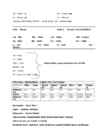
Zum Bahnhof am Bahnhof Zum Hafen am Hafen Zum Flughafen am Flughafen Zum Taxistand am Taxistand Zur Haltestelle an der Haltestelle Zur Post an der Post Zur Tankstelle an der Tankstelle Zum Supermarkt im Supermarkt Zum Parkplatz auf dem Supermarkt Treten – astuma er trit Wachsen – kasvama Bitten paluma Sterben – surema Tun – tegema Legen – asetama Präsens kommen – kom ist gekommen Schlafen – schlief hat geschlafen I PV + Pl Präteritum II PV + Pl Ains. I ja III pööre lõputa Ich kam Du kamst Er kam Perfekt Abisõnad haben, sein +III PV lõpus muutumatu Du hast lane geschlafen Plusquamperfeckt Haben hatte Sein war pöörata + III PV lõpus Ich war früh gekommen Futurum Ich werde gleich gekommen
Mit der Zeit wird sie immer reifer und trifft zunehmend selbst Entscheidungen, indem sie z. B. in die Stadt zieht. Sie ist auch eine sehr wichtige Person für Manfred. So hört sie ihm oft geduldig zu, während dieser ihr seine Sorgen erzählt. Und oft steht sie ihm auch mit gutem Rat zur Seite. So gesehen übernimmt sie in dieser Hinsicht auch die Rolle der Eltern, für welche Manfred keine sehr innigen Gefühle hegt und die er deshalb auch nie um Hilfe bitten würde. Doch umgekehrt ist es ähnlich. Manfred muss auch des Öfteren als Tröster für Rita in Erscheinung treten. Abschließend kann man sagen: Rita ist eine eigenständige, reife Frau geworden, die ihr Leben meistern kann und auch nach mehreren Schicksalsschlägen (Tod des Vaters, Trennung von Manfred, ...) immer wieder aufsteht und weiter macht. Ulrich Plenzdorf (19342007): Die neuen Leiden des jungen W. (1968/1972)
(a) dissolve / destroy, cell membranes (idea); 1 (b) block the receptor / prevent ACh from binding; no longer able to stimulate post synaptic membrane; muscle fibres, not stimulated (by nerve fibres) / do not contract; A tetany idea AVP; e.g. ref to lack of synaptic transmission max 2 (c) toxin acts too fast, for immunity / antitoxin to develop (idea); human unlikely to have been, bitten before / exposed to toxin or antigen; one / a / few (immature), lymphocyte(s) / stem cell(s) (able to bind the toxin); these must be stimulated to divide / ref to clonal selection or clonal expansion; mitosis takes too long; has no memory cells; AVP; max 2 (d) more, antibody-secreting cells / B lymphocytes, produced;
"And you've broken promises yourself," I reminded him back. "Just one theory -- I won't laugh." "Yes, you will." I was positive about that. He looked down, and then glanced up at me through his long black lashes, his ocher eyes scorching. "Please?" he breathed, leaning toward me. I blinked, my mind going blank. Holy crow, how did he do that? "Er, what?" I asked, dazed. "Please tell me just one little theory." His eyes still smoldered at me. "Um, well, bitten by a radioactive spider?" Was he a hypnotist, too? Or was I just a hopeless pushover? "That's not very creative," he scoffed. "I'm sorry, that's all I've got," I said, miffed. "You're not even close," he teased. "No spiders?" "Nope." "And no radioactivity?" "None." "Dang," I sighed. "Kryptonite doesn't bother me, either," he chuckled. "You're not supposed to laugh, remember?" He struggled to compose his face. "I'll figure it out eventually," I warned him. "I wish you wouldn't try
aides-memoires of conversations with various ambassadors, and other memoranda. This is common practice in all countries, but the Swedish cryptanalysts carried it to a peak of perfection by using as their liaison man a former foreign minister. Rickard Sandier, 56, had served in that post from 1932 to 1939; he had also filled in as premier for 18 months in 1925 and 1926, and in 1934 had been elected president of the League of Nations Assembly. Spare and round-faced, Sandier had been bitten by the cryptology bug, and in 1943 he wrote a book on famous ciphers. But he proved inept as a crypt-analyst, unable to solve what the Swedes regarded as the simplest of practical problems—Norwegian one-part codes. However, he was a great success in making sure that the Foreign Office reported every scrap of information promptly to the cryptanalysts. So well did he have his contacts trained that the Foreign Office even reported the time of departure of
than 100 meters without blowing apart at the seams. In late 2000, he was conned into a short-course "sprint" triathlon by a 47-year-old friend who was a 13-time Ironman finisher. It was short but sweet: a 500-meter swim, a 13-mile bike, and a 5-kilometer run. He didn't blow apart this time, partially because he wasn't competing against swimming specialists. Much to his surprise, he loved it so much that he signed up for the Ironman the next day. He'd been bitten by the bug. Brian climbed up the ranks of the triathlon world with an Olympic-distance race, a half- Ironman, and then the Canadian Ironman. He trained 24 to 30 hours per week, just as his competitors did, including roughly eight miles of swimming, 200+ miles of cycling, and 50+ miles of running. It was par for the course in the endurance world, but it wasn't good for the body, his relationships, or much of anything else. He was severely overtrained, his wife was unhappy, and he had no life
 annaabi.ee