docstxt/13959184949175.txt
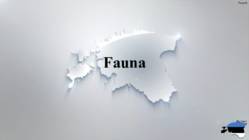
Picure0 Fauna Picture1 Contents · Facts · Mammals · Imphibians · Birds · Summary · My opinion · Fish · References · Insects · Reptiles · Danger Facts · Animals living mostly in forests · Birds first animals in Estonia · 135,600 species of incents · 350 species of verebrates Mammals · 65 different species of mammals · No endemic species Picture2 · Tremendous amount Picture3 · Specific mammals in Estonia · Importance Picture4 Picture5 Imphibians · Most common: grassfrog · Good conditions · Benefit · Nature protection Picture6 Birds Picture7 · 329 different species · Barn swallow · 100 species under nature protection Picture8 · Breeding sites Fish ...
Võnnu Keskkool ESTONIA Referaat Autor: Klass : 9 Juhendaja: Võnnu 2013 Estonia officially the Republic of Estonia, is a state in the Baltic region of Northern Europe It is bordered to the north by the Gulf of Finland, to the west by the Baltic Sea, to the south by Latvia and to the east by Lake Peipus and Russia.Across the Baltic Sealies Sweden in the west and Finland in the north. The territory of Estonia covers 45,227km2 The Estonian climate resembles that of other countries on the Baltic littoral. On account of the country's proximity to the sea, the skies are often cloudy, and rain often falls in the spring and autumn, in the winter the rain turns to snow. The highest point in Estonia is Suur Munamäg It is in fact the highest point in the Baltic region Forest cover over one half of Estonia. The most common types of tree are pine, spruce and birch. Estonia, along...
Jõgeva maakond Endla nature reserve It is located on the borderline of Järva, Jõgeva and West-Viru counties. It is mostly known for various marshes, fens, quaking bogs, lakes, canebrakes, wellsprings, rivers, fen forests, fens and mesotrophic mires, marsh forests, meadows, diverse flora and fauna. Jõgeva town The small town of Jõgeva town is located on the eastern side of Middle-Estonia. You won't find large buildings or breathtaking architecture here, but an overwhelming sense of togetherness and plenty of cultural events, the majority of them geared towards younger people. Jõgeva town was born 130 years ago, thanks to the Tapa-Tartu railway: this is where the first train stopped and a village formed around the railway station. Just half a century later, Jõgeva earned its town rights. There are about 6500 people living in Jõgeva. Jõgeva events · The festival year in Jõgeva starts with a music f...
Presentation about three popular sights in Estonia Pärnu Beach · Capital of summer . · Beach and spa city . · 1 kilometer long . · The best and the most popular beach in Estonia · The beach is way of living . · Water is shallow and safe . · Priced guarded parking and bicycle parking . You can find at Pärnu Beach : - First aid - Cabanas - Toilets - Shop - Bar - Nightclub - Rental of beach chairs and towels - Water attractions - Children playground It is not allowed (prohibited) to bring pets to the beach !!! Some pictures ... Lahemaa National Park Lahemaa National Park is 70 km east of Tallinn and covers 725 km . The largest . Has a diverse (mitmekülgne) landscape . Home to numerous birds and animals . Rich variety of fauna . There are permanent communities of bear, wolf and lynx in the park so keep your camera on standby . It's also home to ... mi...
Estonia. Estonia, officially the Republic of Estonia is a country in Northern Europe. It is the smallest of the three Baltic countries. Estonia has land borders with Latvia (339 km) to the south and Russia (229 km) to the east. It is separated from Finland in the north by the narrow Gulf of Finland and from Sweden in the west by the Baltic Sea. Estonia has been a member of the European Union since May 1, 2004 and of the NATO since March 29, 2004. The area of Estonia is about 45000 square kilometres and the population is about 1.4 million people. The capital of Estonia is Tallinn and the official language is Estonian. The currency is Eesti kroon. The main religion is Lutheran. Anniversary of the republic is celebrated on February 20. The national flower is cornflower, national bird is barn swallow and national stone is limestone. It is a land of great natural beaut...
Tallinn English College Topic Estonia Tallinn 2008 1. Introduction Estonia is a small country about the size of Switzerland, or New Hampshire and Massachussetts combined. Estonia is named after the people called "Ests" who lived in the region in the 1 st century AD. The Republic of Estonia is one of the three countries commonly known as the "Baltic States". The other Baltic States are Latvia and Lithuania. 2. Geographical position Estonia is situated in northeastern Europe. Estonia is bounded on the north by the Gulf of Finland, on the east by Russia, on the south by Latvia and on the west by the Baltic Sea. In the north it borders on Finland. The coastline of the Baltic Sea in Estonia is characterized by numerous gulfs and bays, the biggest of them being the Gulf of Finland, the Gulf of Riga and the Gulf of Pärnu. Bays include the Narva Bay, Matsalu Bay, Kolga Bay, Kunda Bay, Tallinn Bay etc....
The county of Saaremaa Siiri Tabri Kaia Vask Saaremaa - an exciting island Saaremaa - the biggest island of Estonia is known as a good recreation place with unique nature and a lot of sights. Saaremaa has retained its uniqueness due to its location and insulation. Junipers, dolomite, windmills and the famous local home- brewed beer are considered the symbols of Saaremaa. Rich nature. Because of its mild maritime climate and soil rich in lime, Saaremaa has very rich flora and fauna. In Saaremaa a great number of Roman snails, rare butterflies and beautiful orchids can be found. Each year hundreds of thousands of migratory birds visit Saaremaa and a great number of them are under protection, e.g. barnacle goose and mute swan. Besides Viidumae and Vilsandi Nature Reserves, there are over two hundred single nature objects under protection - parks,...
TartuWaldorf School FINLAND Report Johan Mähar Tartu 2008 Contents p. 1. Introduction....................................................................................................1 2. Nature and geography.....................................................................................2 3. Position and size.............................................................................................2 4. Climate..............................................................................................
Eesti loomastik. Selgrootud Koostanud Mati Martin Sissejuhatus Selgrootute hulka kuulub enamik loomaliikidest. Nende mõõtmed ja välimus varieerub suurtes piirides, mis võimaldab neil asustada väga mitmesuguseid elupaiku. Selgrootud on võimelised elama väga ekstreemsetes tingimustes. Eesti tingimustes võivad mõned liigid tegutseda sulade ajal isegi lumel, seega väga madalatel temperatuuridel, vaatamata sellele, et nad kõik on kõigusoojased. See tähendab, et nad ei saa oma kehatemperatuuri reguleerida ja see on enamasti võrdne keskkonna temperatuuriga. Järgnevalt saamegi ülevaate sellest väga huvitavast loomarühmast Eestis. Järgnev tekst on väga konspektiivne, sest aine maht ei võimalda detailidesse süvemenist ning annab esimese ülevaate peamiselt erinevatest selgrootute rühmadest. Huvi korral on võimalik lisakirjanduse abil ka detailidesse süveneda. Jääaeg ja selle mõju Eesti pinnavormidele. Eesti ala ei ole pidevalt olnud selline n...
TARTU ÜLIKOOL Pärnu kolledz Turismiosakond Grete Jakobson Teele Jänes Katriin Mats Annaliisa Orro TH2 POOLA VABARIIK Referaat Pärnu 2011 SISUKORD SISUKORD......................................................................................................................2 SISSEJUHATUS..............................................................................................................2 1. POOLA VABARIIK....................................................................................................3 1.1 Poola Vabariigi üldandmed.............................................................................................3 1.2 Poola riigi ajalugu............................................................................................................5 1.3 Poola Vabariigi loodus..................................
Mustvee Gümnaasium METSATULEKAHJUDE ÜLEVAADE EESTIS Uurimistöö Evelin Kütt 12. klass Juhendaja: Maili Vaher Mustvee, 2010/2011Sisukord Sissejuhatus Metsatulekahjud on oma õhusaastavuse tõttu ülemaailmne probleem. Alad, mis põlevad Ameerikas või Austraalias ei ole võrreldavad Eesti metsatulekahjudega, kuid siinses mastaabis võib ka paarisaja hektari suurust põlengut nimetada hiigeltulekahjuks. Veel mõned aastakümned tagasi ei suhtutud metsatulekahjudesse sellise tõsidusega nagu seda tehakse nüüd. Metsatulekahjud ei olnud küll haruldased nähtused, kuid nende mõju keskkonnale ei hinnatud nii tõsiseks. Praegu on teada, et metsatulekahjud paiskavad aastas atmosfääri rohkem CO2-te, kui suudab toota kogu maailma transport. Sellega seonduvalt on hakatud rohkem investeerima metsatulekahjude enne...
TALLINNA PEDAGOOGIKAÜLIKOOL Matemaatika-loodusteaduskond Bioloogia ôppetool Moonika Marana LÄÄNE-EESTI VETE LESTA (Platichthys flesus trachurus) ÖKOHELMINTOFAUNAST Bakalaureusetöö Juhendaja: Aleksei Turovski Autor: ..................... "...."......2004. a Juhendaja: .......................... "...."......2004. a Lubatud kaitsmisele "......."......2004. a Ôppetooli juhataja dots. M. Harak ........................... Tallinn 2004 SISUKORD: SISSEJUHATUS..............................................................................................................3 1. TEOREETILINE TAUST.......................................................................................... 5 1.1. Lesta ökoloogia E...
English lexicology 1. Size of English vocabulary Vocabulary is a sum total of words used in a language by speakers or for dictionary-making. Active and passive vocabulary. The Old English vocabulary was homogenous. There were about 50 000 – 60 000 words, 1/3 of which have survived. o About 450 loans from Latin o About 2000 from the Viking invasions. The Middle-English vocabulary became a heterogeneous hybrid of Germanic and Romanic languages. 100 000 to 125 000 words. o About 10 000 loans from Norman French, 75% are still in use o Continuing Latin influence Early Modern English. 200 000 – 250 000 words o English becomes a pluricentric language. o Polyglot. Cosmopolitan language Modern English. 500 000 words o At present at least 1 billion lexical units 2....
EESTI MAAÜLIKOOL Põllumajandus- ja keskkonnainstituut Kristo Tikk ÕHUSAASTE MÕJU UURIMINE PUUDE KASVULE KIRDE EESTI RABADES AIR POLLUTION INFLUENCE TO GROWTH OF PINES IN BOGS OF NORTH-EAST ESTONIA Magistritöö Maastikukaitse ja –hoolduse õppekava Juhendaja: vanemteadur Veljo Kimmel, PhD Tartu 2015 Eesti Maaülikool Kreutzwaldi 1, Tartu Magistritöö lühikokkuvõte 51014 Autor: Kristo Tikk Õppekava: Maastikukaitse ja –hooldus Pealkiri: Õhusaaste mõju uurimine puude kasvule Kirde Eesti rabades Lehekülgi: 65 Jooniseid: 22 Tabeleid: 4 Lisasid: 2 Osakond: Põllumajandus- ja keskkonnainstituut Juhendaja(d): Veljo Kimmel Kaitsmise kuupäev: 28.05.2015 Käesoleva magistritöö eesmärgiks on mõõta puude juurdekasvu kolmes erineva ...
Kaitsealade külastuskoormuse hindamise juhend: seiremeetodite arendamine ja rakendamine SA Keskkonnainvesteeringute Keskuse 2008. aasta looduskaitseprogrammi projekt nr. 193 „Kaitsealade külastuskoormuse hindamine“ Koostajad: Antti Roose, Kalev Sepp, Varje Vendla, Miguel Villoslada, Maaria Semm, Henri Järv, Janar Raet, Ene Hurt, Tuuli Veersalu Tartu 2011 SISUKORD SISSEJUHATUS.................................................................................................................................................... 4 VÕTMEMÕISTED...................................................................................................................................................................... 6 1. KAITSEALADE KÜLASTUSSEIRE ALUSED .......................................................................................................... ...
ARVI TAVAST MARJU TAUKAR Mitmekeelne oskussuhtlus Tallinn 2013 Raamatu valmimist on finantseeritud riikliku programmi „Eesti keel ja kultuurimälu 2010” projektist EKKM09-134 „Eesti kirjakeel üld- ja erialasuhtluses” ja Euroopa Liidu Sotsiaalfondist. Kaane kujundanud Kersti Tormis Kõik õigused kaitstud Autoriõigus: Arvi Tavast, Marju Taukar, 2013 Trükitud raamatu ISBN 978-9985-68-287-6 E-raamatu ISBN 978-9949-33-510-7 (pdf) URL: tavast.ee/opik Trükitud trükikojas Pakett Sisukord 1 Sissejuhatus 8 1.1 Raamatu struktuur . . . . . . . . . . . . . . . . . . . 10 1.2 Sihtrühm ja eesmärk . . . . . . . . . . . . . . . . . . 11 I Eeldused ...
 annaabi.ee