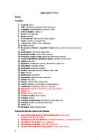
probleem 9. the function of this aspect of the channel- jaotuskanali selle aspekti funktsioon 10. chains of such intermediaries- selliste vahendajate ketid 11. the use of any intermediaries- igasuguste vahendajate kasutamine 12. some degree of loss of direct contact- otsese kontakti mõningane kadu 13. the costs of the contacts- kulutused kontaktidele MATCHING PRODUCTS AND MARKETS VOCABULARY: 1. solvency- maksevõimelisus, krediidivõime, solventsus 2. profitability- kasumlikkus, tasuvus, rentaablus 3. to run (an organisation)- juhtima 4. cost-effective- tulutoov, tulusus, rentaabel 5. cost-effectively- tulutoovalt 6. interdependent- vastastikku (üksteisest, teineteisest) sõltuv 7. product management- tootehaldus 8. knowing how=know-how- oskusteave, oskus, vilumus, tegelik teadmine 9. product range- tootevalik, tootestik 10. objective- siht, eesmärk 11
Finantstulud ja -kulud kokku -0,12 -0,61 -0,81 Kasum enne tulumaksustamist 1,16 0,92 3,56 tulumaks 0,16 0,07 0,00 Aruandeaasta puhaskasum 1,00 0,85 3,56 Allikas: ASi Even majandusaastaaruanded 2003-2005; autori arvutused. 54 SUMMARY The enterprise´s improvement of solvency based on the example of AS Even Silja Voitka The current Bachelor´s thesis is compiled in Estonian. The keywords of the current research include: enterprise, solvency, financial analysis, liquidity, horizontal analysis, vertical analysis, financial report, bankruptcy and creditors. The thesis consists of the following parts: 45 pages of principal analysis, 12 626 words, 9 formulas, 2 tables, 6 figures and 4 appendixes. 33 sources were used to compile the thesis (including 23 books
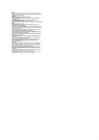
*Marketing has been defined as the process of matching an organisation's resources with customer needs. *4 conditions necessary for exchange : value, delivery, communication, parties *4 variables of marketing mix: product, price, place, promotion The four variables, creation, distribution, promotion, and pricing are called the marketing mix. Product *Product is marketing process result. *An organisation must remain dynamic because the product is the only key to the organisation's solvency and profitability. *Company and consumer are independent because no matter how else the organisation runs itself cost-effecitively and sensibly, if the product is not selling well then the money simply will not be coming in. *Successful product management depend on the organisation knowing how and if the current product range meets consumer and organisational objectives. *One way if the current product range meets consumer and organisational objectives is
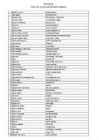
409 share capital aktsiakapital 410 shareholder aktsionär 411 shortfall puudujääk 412 short-term loan lühiajaline laen 413 shutdown ettevõtte sulgemine 414 significant expense oluline kulu 415 single market ühisturg 416 slump järsk majanduslangus 417 social benefit sotsiaaltoetus 418 sole trader eraettevõtja 419 solicitor jurist 420 solvency maksevõimelisus 421 spoiled product praaktoode 422 stamp tempel, pitsat 423 standard output töönorm 424 standard rate tavaline norm 425 statement väljavõte, aruanne 426 stationery kirjatarbed 427 statutory seadusel põhinev 428 sting raha välja petma 429 stock tagavara, varu 430 stock exchange börs
factors Is lead. The work contains 44 pages, and in addition 2 schedule. The first part is dedicated to explaining the meaning of credit status as well as gives some details about the about criteria of credit status. Second part contains parameters of credit status. For the explaining the basic methods of calculation have been used economic literary grants and works of experts under the financial analysis. In thirds of part contain factors of liquidity, solvency, profitability, financial stability both the capital turning and are considering on the basis of the enterprise. The object of research of the given work was SUNMAX OÜ. 44
........................aktsionär 415. Short run ........................................................lühiperiood 416. Shortage .........................................................turu puudujääk 417. Shut-down price .............................................sulgemishind 418. Siege ..............................................................Piiramine 419. Sole proprietorship ........................................füüsilisest isikust ettevõtja 420. Solvency ........................................................maksevõimelisus 421. Sound .............................................................mõistlik, usaldatav 422. Standard of living ........................................... elukvaliteet 423. Staple .............................................................põhikaup 424. Starting salary ................................................algpalk 425. Statement .......................................................
20. Võlakordaja. Soliidsuskordaja. Võlakordaja (debt ratio DR) naitab, kui suurt osa ettevõtte varadest finantseeritakse laenatud vahenditega. Tõlgendus: naitab, mitu % varadest on finantseeritud kohustustega. Üldtunnustatud kriteerium: optimaalne on 30-50%, ule 70% tekib juba tõsine pankrotioht. D Juhtimisotsus: hoida optimaalse piires. DR= A Soliidsuskordaja (solvency SO) naitab, kui suur on omanike panus ettevõttesse. Üldtunnustatud kriteerium: optimaalne on 50-70%, alla 30% tekib juba tõsine pankrotioht. Juhtimisotsus: hoida optimaalse piires. E SO= DR+ SO=1=100 A 13. Käiberentaablus. Varade rentaablus. Kaiberentaablus ehk tegevuskulukus ehk kasumimarginaal (profit margin PM) naitab muugikaibe iga rahauhiku tasuvust. Tõlgendus: 1 muugikaibe euro tekitab PM senti puhaskasumit
capital is formed only through the contributions of the founders. The minimum capital of 10,000 rubles ( EUR 250). Limited Liability Company is a legal entity and has its own name. All members of a Limited Liability Company is liable for its obligations within their deposits. This distinguishes this form of incorporation of a Private Entrepreneur as an Private Entrepreneur shall be liable for its obligations with all its assets. The main advantage of a Limited Liability Company is that the solvency of each participant in the company's obligations is limited to the amount contributed by them to the authorized capital in accordance with the contract. This is significant in that case, if you're going to take large amounts of money on credit or a large number of goods to market, or is planning to implementation any risky business transactions. Limited Liability Company continues to exist even if some of the participants decided to withdraw from it or died. This does not affect the
Kordaja arvutuskäik on järgmine: LD (5.21) CAPR = , LD + E kus CAPR kapitaliseerituse kordaja, LD pikaajalised võlakohustused. Kapitali struktuuri analüüsimiseks arvutatakse välja ka omandikordisti (equity multiplier). See suhtarv näitab, mitu korda ületab vara omakapitali. Valem on järgmine: A (5.22) EM = , E kus EM omandikordisti. Maksevõimelisust (solvency) näitab ka soliidsuskordaja. See näitab omanike panust ettevõttesse. Arvutuskäik on järgmine: E (5.23) SO = , A kus SO soliidsuskordaja. Erinevate näitajate esitamine lähtub traditsioonidest. Näiteks USAs on traditsioon näidata D/A ja Skandinaavias E/A. 5.4. Rentaabluse analüüs Rentaablus on kasumi suhe mingisse teise näitajasse. Rentaabluse ehk koondefektiivsuse analüüs näitab,
Companies established as a result of division are jointly liable for the liability of the original company existing before division. Article 9. Management and representation 9. If company is insolvent or faces the risk of insolvency the persons identified in Paragraph 1 of this Article shall make a statement about this fact without faulty delay, however no later than 3 weeks from the moment of occurrence of insolvency in accordance with the rules of Law on In- solvency Procedures. Statement about insolvency shall not be considered to be made with faulty delay if aforementioned persons treat this statement in a good faith as foreseen in Paragraph 6 of this Article. Law of Georgia on Insolvency Procedures March 28, 2007 Article 1. Aim of the law This law aims at equal protection of the interests of a debtor and a creditor (creditors), reso- lution of the debtor's financial difficulties, if possible, and satisfaction of creditors' claims or
 annaabi.ee