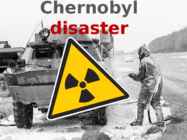
Of these, 28 people died as a result of it within a few weeks of the accident. Nobody off-site suffered from acute radiation effects although a large proportion of childhood thyroid cancers diagnosed since the accident is likely to be due to intake of radioactive iodine fallout. Furthermore, large areas of Belarus, Ukraine, Russia and beyond were affected. The Chernobyl site and plant The Chernobyl Power Complex in Ukraine consisted of four nuclear reactors. Two reactors were under construction at the time of the accident. An artificial lake was constructed to provide cooling water for the reactors. The 1986 Chernobyl accident On 25 April the reactor crew at Chernobyl 4 began preparing for a test to determine how long turbines would spin and supply power to the main circulating pumps following a loss of main electrical power supply. This test had been carried out at Chernobyl the
....................................12 References..........................................................................................................................................13 Introduction What is nuclear power? Nuclear power is any nuclear technology designed to extract usable energy from atomic nuclei via controlled nuclear reactions. The most common method today is through nuclear fission, though other methods include nuclear fusion and radioactive decay. All utility-scale reactors heat water to produce steam, which is then converted into mechanical work for the purpose of generating electricity or propulsion. In 2007, 14% of the world's electricity came from nuclear power. More than 150 nuclear-powered naval vessels have been built, and a few radioisotope rockets have been produced. Nuclear life cycle The Nuclear Fuel Cycle begins when uranium is mined, enriched, and manufactured into nuclear fuel, which is delivered to a nuclear power plant.
d) Vismuti soojusjuhtivus (thermal conductivity): 7,87 W m-1 K-1 Sõnaraamatud: 3. (2 P) DICTIONARY OF CARBOHYDRATES with CD-ROM a) Kohaviit: TE 54/D-53 Riiuli nr: 301 b) Orgaaniline aine "chloralose" c) Referaadi nr: C-65 lk: 242 d) Aine molekulaarvalem: C8H11Cl3O6 Käsiraamatud: 4 . (2 P) ULLMANN'S PROCESSES AND PROCESS ENGINEERING. a) Kohaviit: 66/U-38 riiuli nr: 422 b) Artikkel teemal "Ensüümsed membraanreaktorid" (Enzymatic membrane reactors) c) köide: 3 lk: 2205-2224 d) Artikli pealkiri: Membrane Reactors 5. (2 P) ANALYTICAL INSTRUMENTATION HANDBOOK a) Kohaviit: 543/A-53 riiuli nr: 302 b) Artikkel teemal "Vedelikukromatograafia" (Liquid chromatography) c) Artikli kirje (juhendis näide "Artikkel kogumikus"). Weigang, R., Brown, D., Jenke, D. (1999). Instrumentation for High- Perdormance Liquid Chromatography Analytical instrumentation handbook, New York: Marcel Dekker Inc.
energy comes from hydro and wind. Hüdro- ja tuuleenergia It is the world's largest producer of natural uranium, producing one-third of global supply, and is also the world's leading producer of hydro-electricity, accounting for 13% of global production. It is also a significant producer of petroleum, natural gas, and coal. Kas riigil on reserv või defitsiit? Ontario, Canada's most populous province, generates some 9,600 MW annually, over half of that coming from one dozen nuclear reactors. Ontario also has coal, natural gas, and hydro facilities. However, Ontario faces a challenge as it must replace 80% of its generating capacity in the next twenty years—the old stations have time-expired and the nuclear reactors are overstressed. A debate continues over whether to go largely nuclear or go with renewables. Rahvaarv 35,141,542inimest http://www.go-green.ae/ http://en.openei.org/wiki/Peru ; http://www.canadiangeographic.ca/magazine/jun12/energy_use_canada_map.asp
contamination and avert a greater catastrophe ultimately involved over 500,000 workers and cost an estimated 18 billion rubles (18 billion $USD) . During the accident itself, 31 people died, and long-term effects such as cancers and deformities are still being accounted for. • The Soviet government also cut down and buried about a square mile of pine forest near the plant to reduce radioactive contamination at and near the site. Chernobyl’s three other reactors were subsequently restarted but all eventually shut down for good, with the last reactor closing in 1999. The Soviet nuclear power authorities presented their initial accident report to an International Atomic Energy Agency meeting in Vienna, Austria, in August 1986. Elimination of the consequences • Emergency crews responding to the accident used helicopters to pour sand and boron on the reactor debris. The sand was to stop the
c) Köide: 1; 1,5 lk: 280 d) Vismuti soojusjuhtivus: 7,87 W m-1 K-1 5.3 (sõnaraamatud) ??? Dictionary of Carbohydrates with CD-ROM a) Kohaviit: TE 54/D-53 riiuli number: 301 b) Org. Aine – chloralose c) Referaadi nr: C 65 lk: 242 d) Chloralose’i molekulvalem: C8H11Cl3O6 5.4 (käsiraamatud) Ullman’s Processes and Process Engineering a) Kohaviit: 66/U-38 riiuli number: 422-421 b) Artikkel teemal: “Ensüümsed membraanreaktorid” (Enzymatic membrane reactors) c) Köide: 3 lk: 2215 d) Artikli pealkiri: Enzymatic MBRs 5.5 Analytical Instrumentation Handbook a) Kohaviit: 543/A-53 riiuli number: 302 b) Artikkel teemal: “Vedelikukromatograafia” (Liquid chromatography) Ilona Juhanson, 123964YASB c) Artikli kirje: Weigand, Raymond R., Brown, D., Jenke, D. Instrumentation for High-Performance Liquid Chromatography. – Analytical instrumentation handbook. Marcel Dekker
d) Esita vismuti soojusjuhtivus (thermal conductivity): 7,87 W m-1 k-1 Sõnaraamatud: 5.3. DICTIONARY OF CARBOHYDRATES with CD-ROM a) Kohaviit: TE 54/D53 Riiuli nr: 301 b) Orgaaniline aine "chloralose" c) Referaadi nr: C-65 lk: 242 d) Aine "chloralose" molekulaarvalem: C8H11Cl3O6 Käsiraamatud: 5.4 . ULLMANN'S PROCESSES AND PROCESS ENGINEERING. a) Kohaviit: 66/U38 riiuli nr: 421, 422 b) Leia artikkel teemal "Ensüümsed membraanreaktorid" (Enzymatic membrane reactors) c) köide: 3 lk: 2215 d) Artikli pealkiri: Enzymatic MBRs 5.5. ANALYTICAL INSTRUMENTATION HANDBOOK a) Kohaviit: 543/A53 riiuli nr: 302 b) Leia artikkel teemal "Vedelikukromatograafia" (Liquid chromatography) c) Esita artikli kirje (juhendis näide "Artikkel kogumikus"). Weigand, Raymond J., Brown, D., Jenke, D. Instrumentation for High-Performance Liquid Chromatography. Analytical instrumentation handbook. Marcel Dekker. 745-841.
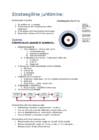
(1997). Sidusgruppide teooria (stakeholder theory) (Freeman, 1984). Käsutusõiguste teooria (property rights theory) (Demsetz, 1967). Sotsiaalvõrgustike teooria (social network theory) (Granovetter, 1973). Strateegilised organisatsiooni tüübid (Miles and Snow (1978)): Defenders focus on improving efficiency Prospectors focus on product innovation and market opportunities Analysers focus on at least two different product market areas Reactors lack a consistent strategy-structure-culture relationship Useful forecasting techniques: Extrapolation Brainstorming Expert opinion Industry scenario Delphy technique Statistical modelling Prediction markets Cross impact analysis RECOURCE-BASED VIEW: Concerned with identifying and developing an organizations resources and competencies: Struktuur Kultuur Ressursid KRIITILISED RESSURSID (EDUTEGURID): VIRO framework (Barney)
.............................................................................................................................................40 12.1 Nuclear fuel uranium............................................................................................. 40 12.2 Nuclear power plants generate electricity.................................................................41 12.3 Types of reactors.......................................................................................................41 12.4 Nuclear power and the environment.........................................................................42 GEOTHERMAL ENERGY.............................................................................................. 42 13.1 Energy inside the earth............................................................................................. 43 13
turuosa, teenindades olemasolevaid kliente; püüavad säilitada stabiilset kasvu. Otsijad (Prospectors)- ehk kullakaevajad- innovatsioon, uue leiutamine, uute toodete ja turgude otsimine, riskijulgus, paindlik struktuur. Analüüsijad ( Analysers)- imiteerijad, ideede kopeerijad; eesmärk stabiilsus ja pindlikkus, riski viimine miinimumini tänu konkurentide edukate uuenduste järgimisele ja mõõdukale uuenduslikkusele; püüavad säilitada olemasolevaid turge ja tarbijaid. Reageerijad (Reactors)- ebajärjekindel ja ebastabiilne otsustamine, sobimatu reageerimine, kehvad tulemused, tõrksad panustama tulevikku suunatud erilistesse strateegiatesse. 2. Konkurentsi ehk võitlusstrateegiad: a) Tegevusalade analüüs- osad alad on tulutoovamad kui teised, kuid ainult õige strateegia korral. Sisenemisbarjäärid: mastaabisääst, tootemargi tuntus, kapitalivajadus. Asendustoodete oht määrab hindade ja klientide lojaalsuse. Ostjate mõjuvõim, mille määravad ostjate hulk,
because they are renewable, they are not dangerous like nuclear energy. With appropriate technologies they can be even cheaper than traditional energy sources. For many years part of alternative energy sources in our energy system rises, nowadays it is near 7%-8% . It is very tiny part, but undoubtely it will rise even more in future. Between them, alternative energy sources could deliver more than twice as much electricity than the new fleet of nuclear reactors being debated - and the renewables would be built more quickly. Even then, the full potential of these sources would not have been tapped - much more could be harnessed in the future. But we have to start now if we're going to end our dependence on fossil fuels and reduce emissions. Ambitious support for renewables will bring benefits - not just of clean, fuel-free energy, but the jobs and economic growth that come from pioneering new industries and technology. Sources
olemasolevaid kliente; püüavad säilitada stabiilset kasvu. Otsijad (Prospectors) ehk kullakaevajad – innovatsioon, uue leiutamine, uute toodete ja turgude otsimine, riskijulgus, paindlik struktuur. Analüüsijad (Analysers) – imiteerijad, ideede kopeerijad; eesmärk stabiilsus ja paindlikkus, riski viimine miinimumini tänu konkurentide edukate uuenduste järgimisele ja mõõdukale uuenduslikkusele; püüavad säilitada olemasolevaid turge ja tarbijaid. Reageerijad (Reactors) – ebajärjekindel ja ebastabiilne otsustamine, sobimatu reageerimine, kehvad tulemused, tõrksad panustama tulevikku suunatud erilistesse strateegiatesse. 40. Viie konkurentsijõu mudel (M.Porter) Arvestada tuleb: 1.potentsiaalsete uute sisenejate poolt tekitatavat kahju 2.informeeritud ostjate võimu firma üle, eriti juhul, kui kogu toodangu ostab ära üks või kaks suurt ostjat. 3.tarnijafirmade positsiooni hinnaläbirääkimistel
11. Weber, H. Energiebewusst planen. Verlag Georg D.W. Callwey, München, 1983. 12. Duffie, J.A., Beckman, W.A. Solar Engineering of Thermal Processes. A Wiley- Interscience publication, 1980. 13. Vahrenholt, F. Global Market Potential for Renewable Energies. Deutsche Shell AG, Hamburg, 1998. 14. Belting, T. Blockheizkraftwerke.BINE. Ein Informationspaket. Verlag TÜV Rheinland. 2. überarbeitate Auflage. 15. Generation IV Nuclear Reactors. World Nuclear Association. http://www.world- nuclear.org/info/inf77.html 16. International Energy Agency. Key World Energy Statistics 2009. http://www.iea.org/textbase/nppdf/free/2009/key_stats_2009.pdf 17. International Energy Agency. World Energy Outlook 2007 Edition. http://www.worldenergyoutlook.org/2007.asp 18. European Commission. Eurostat. Portal on Energy. http://epp.eurostat.ec.europa.eu/portal/page/portal/energy/data 19
 annaabi.ee