 10 punkti
Autor soovib selle materjali allalaadimise eest saada 10 punkti.
10 punkti
Autor soovib selle materjali allalaadimise eest saada 10 punkti.
 ~ 11 lehte
Lehekülgede arv dokumendis
~ 11 lehte
Lehekülgede arv dokumendis
 2014-04-20
Kuupäev, millal dokument üles laeti
2014-04-20
Kuupäev, millal dokument üles laeti
 2 laadimist
Kokku alla laetud
2 laadimist
Kokku alla laetud
 0 arvamust
Teiste kasutajate poolt lisatud kommentaarid
0 arvamust
Teiste kasutajate poolt lisatud kommentaarid
 tomkaldre
Õppematerjali autor
tomkaldre
Õppematerjali autor
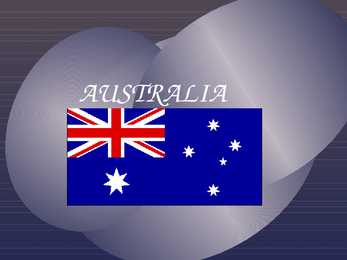
AUSTRALIA { · Capital city of Australia is Canberra. · The largest city is Sydney. · There is no official language, but the national language is english with an accent. · Australia area is 7,617,930 km2 · Australia is the smallest continent in the world but the sixth largest country in the world. · The kangaroo is a national symbol of Australia. The kangaroo is important to both Australian culture and the national image. · Population in Australia is 22,760,245. They have almost 10,700 beaches in all shapes, sizes and colours. I NTERESTI NG FACTS Ø There are 1500 species of Australian spiders. Ø The Sydney Opera House roof weighs more than 161,000 tons. Ø Australia is considered to have one of the highest degrees of urban concentration in the world. Ø Koalas are furry animals that live only in Australia they live only in certain types of trees, called eucalyptus trees where they can eat the leaves.
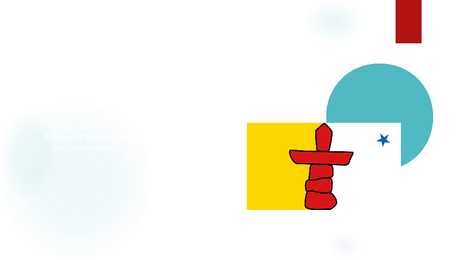
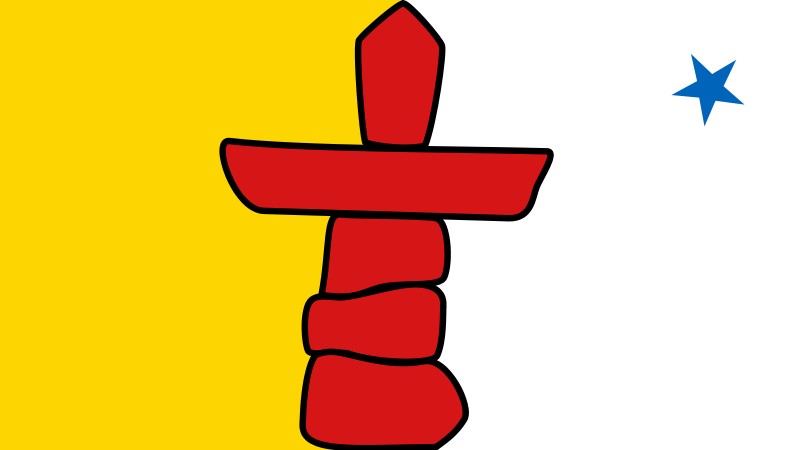
spread from there throughout the northern edge of North America and back into Siberia. This is possible but not established. Many scientists believe the Inuit migrated to North America across the Bering Strait from Arctic Siberia. Until recently, outsiders called the Inuit "Eskimo", but as it is seen as a derogatory term, they now prefer their own term, "Inuit," meaning simply "people." 7. When did the Inuit get their own territory? What is it called? Nunavut is the largest, northernmost and newest territory of Canada. From 1991, it has been the territory of the Inuit, Nunavut meaning "our land". It was separated officially from the Northwest Territories on April 1, 1999, via the Nunavut Act and the Nunavut Land Claims Agreement Act. Nunavut comprises a major portion of Northern Canada, and most of the Canadian Arctic Archipelago. It is the only geo-political region of Canada that is not connected to the rest of North America by highway
Canada Mary-Liis Kull KiNG 10.klass Basic information Area is about 10 million sq km Popluation is estimately 35 million people The country is bilingual (English and French) The National Holiday is Independence Day on July 1'st The capital is Ottawa and the largest city is Toronto Basic information Consists of 10 provinces and 3 territories Extends from the Atlantic to the Pacific and northward into the Arctic Ocean Shares land borders with the U.S Is a federal state, governed as a parliamentary democracy and a constitutional monarchy Canada comes from the word kanata, meaning village or settlement History The first inhabitants were the Inuits (Eskimo) First white man in the country John Cabot The French and British colonies settled the Atlantic coast in the late 15th century Later on, thousands of British colonists emigrated to Canada from the American colonies and the British Isles History In 1849 the right of
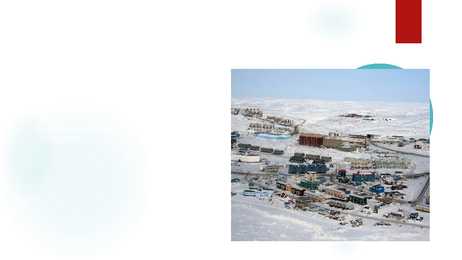
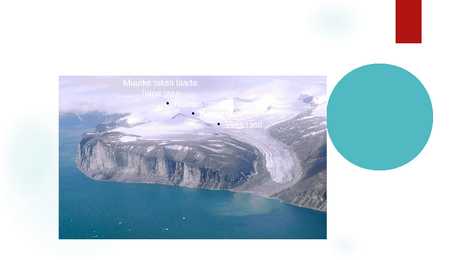
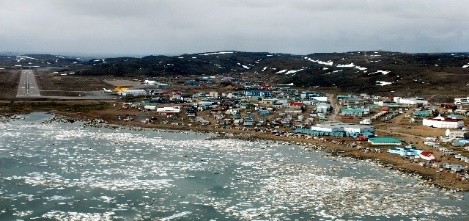
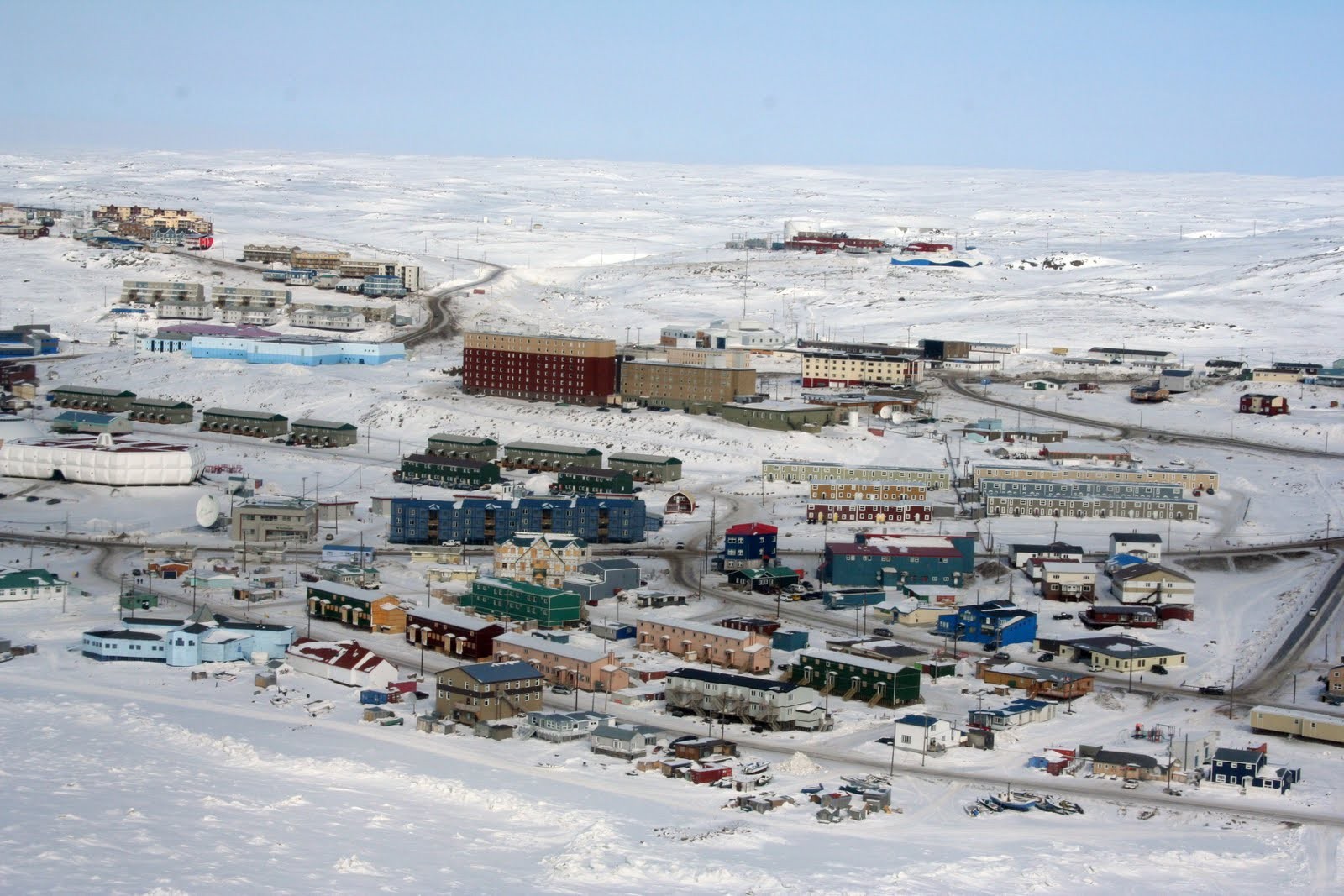
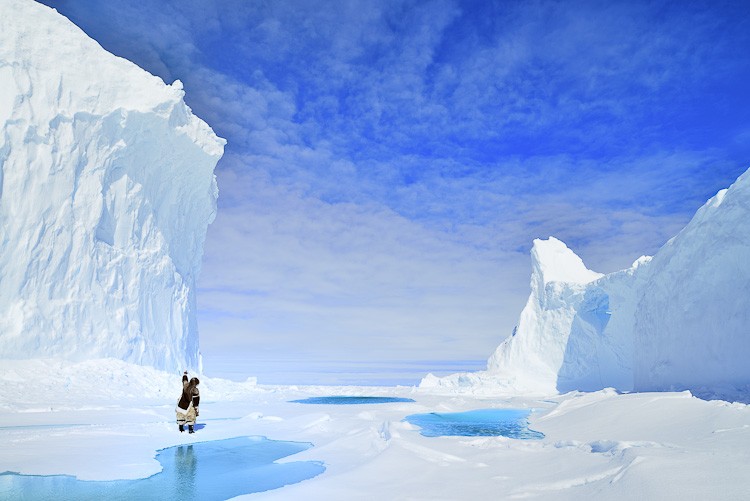
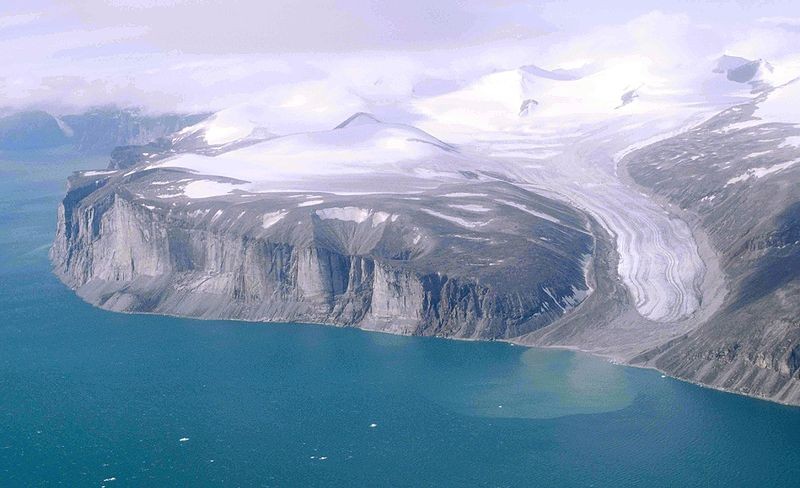
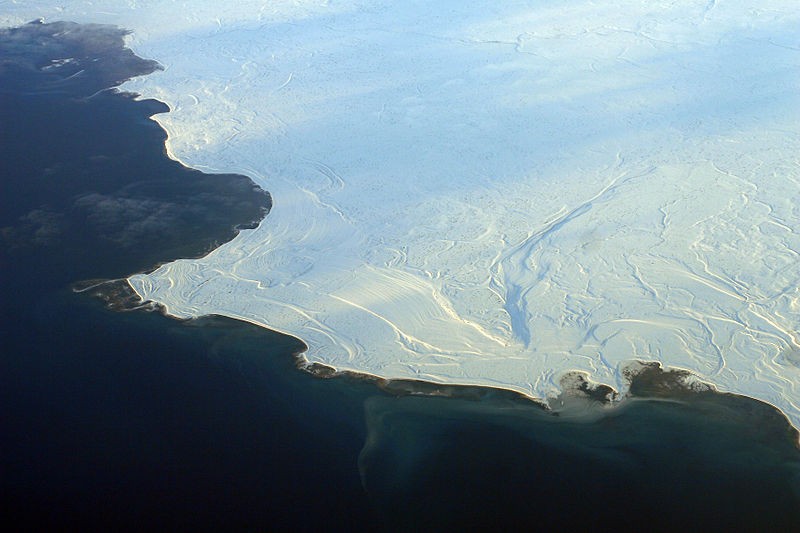
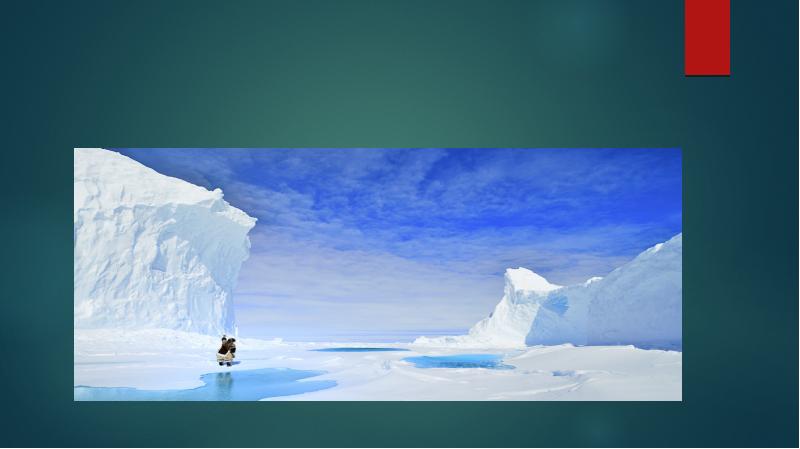
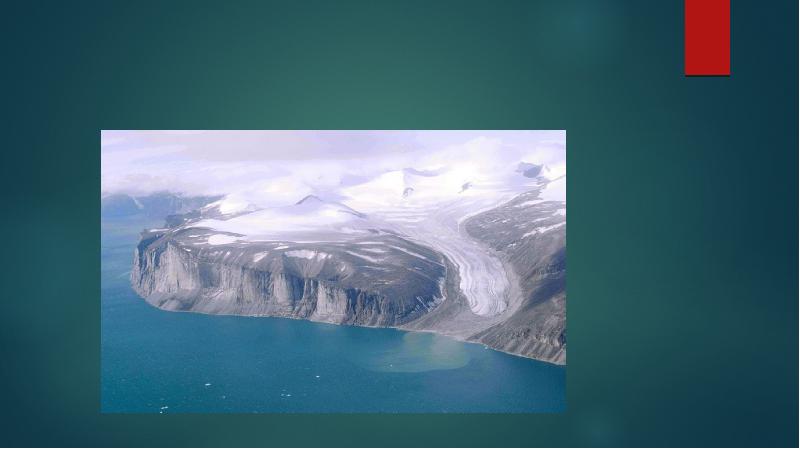
Nations, Iroquoian First Nations, Plains First Nations, Plateau First Nations, Pacific Coast First Nations and First Nations of the Mackenzie and Yukon River Basins The Inuit The Inuit moved from place to place fishing and hunting seals, whales and caribou Some of them still hunt for food and clothing but most of them now live in centrally - heated houses with electricity and hot water Nunavut Since 1999, the Inuit have had their own self - governing territory called Nunavut It's area is 2 million square kilometres, of Canada I's population is 30,000 The largest city is Iqaluit Some pictures of Nunavut Niungvaliruluit - `' Pointer like a window '' a human-made stone land- mark used by the inuit Pangnirtung Kugluktuk an inuit hamlet a hamlet located in Nunavut References https://en.wikipedia.org/wiki/First_Nations - 13/12/2017 https://en.wikipedia.org/wiki/Inuit - 13/12/2017
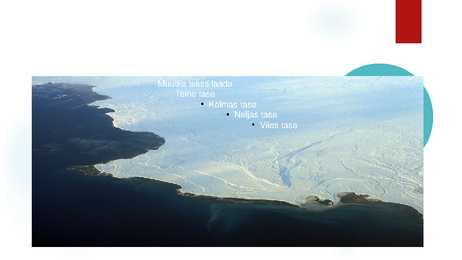
MUSE History Muse are an English rock band from Teignmouth Formed in 1994 Muse are known for their fusion of many music genres: progressive rock, alternative rock, heavy metal, classical music and electronica. Also they are known for their energetic and extravagant live performances. They are considered best live band in the world. Members Muutke teksti laade Teine tase Matthew Bellamy Kolmas tase Neljas tase Viies tase Members Muutke teksti laade Teine tase Christopher Wolstenholme Kolmas tase Neljas tase Viies tase Members Muutke teksti laade Teine tase Kolmas tase Dominic Howard Neljas tase
Canada is based on recognizing the cultural diversity of different nations living in Canada. All the communities living on the country are encouraged to remember their origins and hold their own ethnic events and national festivals. Cultural diversity makes Canada even more interesting. There are many native peoples throughout Canadalike the Crees, Mohawks, Iroquis and Sioux. In the north of the Country, the Inuit (Eskimos) now have a selfgoverning homeland called Nunavut (meaning "our land"). It is over two million sq km and is inhabited by 17,500 Inuits. Canada is one of the most tolerant societies in the world. For example only 13 % of canadians say that they would object their children marrying someone from another race (compared with 32 % in the USA). Canada's political structure is independent constitutional monarhcy. And head of state is Elizabeth II, who is also the Queen of Great Britain. From
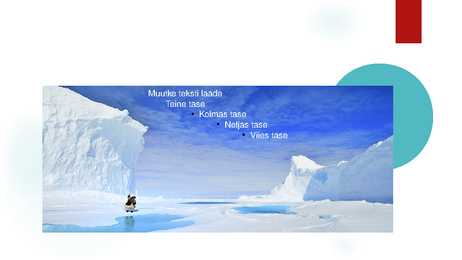
low 20°C, while between the coasts the average summer high temperature range between 25°C to 30°C with occasional extreme heat in some interior locations exceeding 40°C. Canada's land ranges from fertile agricultural plains in the south to freezing tundras in the north. The southwest of Canada has a mild climate. Cold winters characterize most of the rest of Canada. The magnetic North Pole is within Nunavut. There are five biomes in Canada: the Arctic Biome, the Tundra, the Taiga Biome, the Prairies and the Deciduous Forests. The Arctic biome is cold, windy and the land is permafrost. There are long periods of darkness and light. The growing season is very short. The tundra is located near the Arctic region. It is cold and windy as well. The land is permafrost and desertlike. The growing
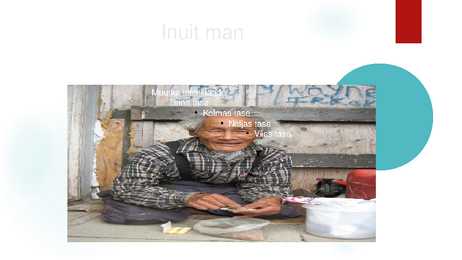
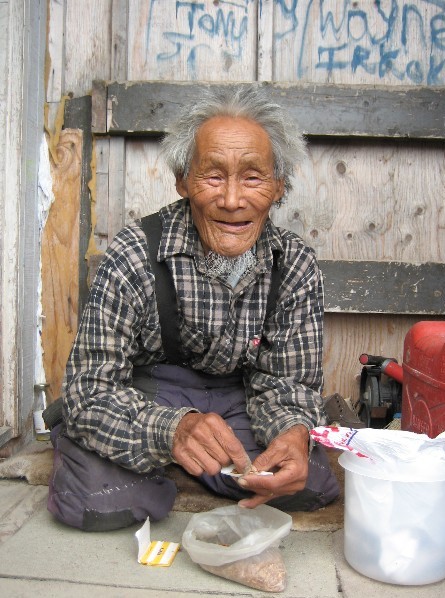
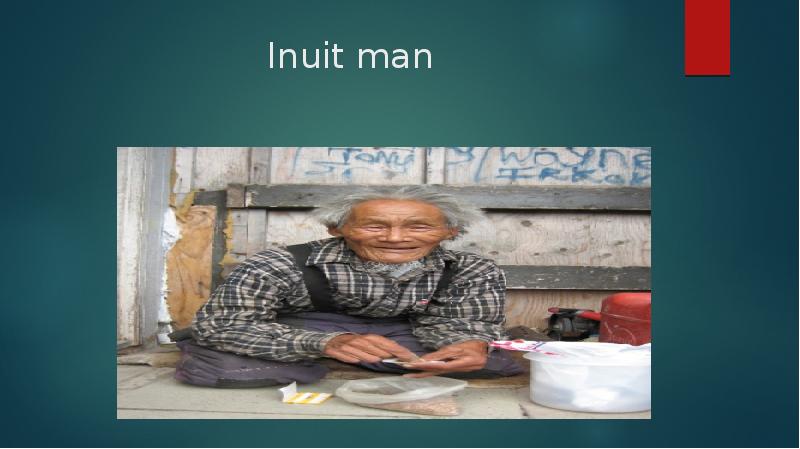
" Inuit were earlier known by Europeans as "Eskimos" - a pejorative roughly meaning "eaters of raw meat". They are one of the original groups to inhabit the northern regions of Canada populating small, scattered communities and villages throughout the Arctic from Alaska to eastern Greenland. In 2006 Statistics Canada estimated that 50 485 people, about 4% of the aboriginal population, identified themselves as Inuit . Almost half of the Inuit population in Canada lived in Nunavut (49%), 19% in Quebec, 6% in the Northwest Territories, and 4% in Labrador. Statistics Canada reported that between 1996 and 2006, the First Nations population increased 29% which is 3.5 times the growth rate of 8% for the non- Aboriginal population of Canada. Tribal Groups There are 8 main tribal groups: the LABRADOR, UNGAVA, BAFFIN ISLAND, IGLULIK, CARIBOU, NETSILIK, COPPER and Western Arctic Inuit (who replaced the MACKENZIE INUIT)
 annaabi.ee









Kõik kommentaarid