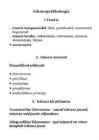
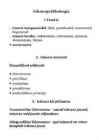
Alder, A (1912/1926). Neurotic Constitution. Alder, A. (1927) The Practice and Theory of Individual Psychology Adler, A. (1927) Understanding Human Nature. I Organite alaareng kompenseerimine (compensation), ülekompenseerimise (overcompensation) püüdlus täiuse või üleoleku poole striving for superiority. II Alaväärsustunne ja alaväärsuskompleks alaväärsustunne (feeling of inferiority), alaväärsukompleks (inferiority complex), üleolekukompleks (superiority complex). III Elustiil elustiil (life-style). sotsiaalne huvi (social interest). Elu eesmärgid ja õige (terve) elustiil on: töö ühiskonna kasuks, koostöö teistega, järglaste saamine (armastus ja abielu). IV Isiksuse tüübid. Vale elustiil · domineeriv (ruling-dominant), eesmärk: teiste üle domineerimine · ootav (getting-learning: eesmärk: teiste abi
Alder, A (1912/1926). Neurotic Constitution. Alder, A. (1927) The Practice and Theory of Individual Psychology Adler, A. (1927) Understanding Human Nature. I Organite alaareng kompenseerimine (compensation), ülekompenseerimise (overcompensation) püüdlus täiuse või üleoleku poole striving for superiority. II Alaväärsustunne ja alaväärsuskompleks alaväärsustunne (feeling of inferiority), alaväärsukompleks (inferiority complex), üleolekukompleks (superiority complex). III Elustiil elustiil (life-style). sotsiaalne huvi (social interest). Elu eesmärgid ja õige (terve) elustiil on: töö ühiskonna kasuks, koostöö teistega, järglaste saamine (armastus ja abielu). IV Isiksuse tüübid. Vale elustiil · domineeriv (ruling-dominant), eesmärk: teiste üle domineerimine · ootav (getting-learning: eesmärk: teiste abi
and characters, its main events are related to or caused by the dogmas of class distinctions. The main characters are influenced by that on numerous occasions. Mr. Darcy, of noble descent, finds it hard at first to cope with the relatives and social status of the woman he falls in love with, Elizabeth. He goes as far as mentioning his superiority to her in his first marriage proposal, as was described in the novel. "His sense of her inferiority -of its being a degradation- of the family obstacles which judgment had always opposed to inclination, were dwelt on with warmth which seemed due to the consequence he was wounding, but was very unlikely to recommend his suit." This may show that Mr. Darcy had zero comprehension of politeness, but it can also serve as a proof of the deep-rooted understandings of equal fortune and class between the ones who tie the knot in the 19th century.
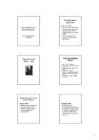
· Phallic (4-6yrs) Oedipus Complex · Castration Anxiety Electra Complex · Penis Envy · Latency · Genital 15 16 Penis Envy Freud and Women · INFERIORITY · `The sexual life of the adult · JEALOUSY woman is a dark continent · PSYCHOSEXUALLY for Psychology' IMMATURE · BISEXUAL · LOW SEX DRIVE · FRIGID · NARCISSISM · VANITY · LITTLE SENSE OF JUSTICE · WEAK SOCIAL INTEREST 17 18 3 Structural Model of the Mind (1920-1939)
tervikuks introverdid, ekstraverdid. enda aktiviseerimine. kalduvus teatud viisil emotsionaalselt reageerida; salvestatud oli emotsioon, mis tüüpiliselt seostud tajutud sündmustega (nt lapse reaktsioon emale) Adler - Kompensatsioon (näiteks pimedatel areneb eriti hea kuulmismeel),ülekompensatsioon (keerad oma nõrkuse tugevuseks) - Alaväärsustunne motiveeris või blokeeris isiksuslikku kasvu (inferiority complex) feelings of inferiority can act as a stimulus for positive growth or a sa disabling force, deppends on ones attidute toward them. Elustiil valitakse elustiil, mis on keskkonnas kättesaadav, (worldview given to a child) sotsiaalse huvi olulisus (neurootikud eksivad elustiili valikul (mistaken lifestyle)); valed elustiilid (ruling, getting, avoiding type), sotsiaalse huviga ja aktiivsed isikud õige elustiil
doubt eesmärk: autonoomia positiivne lahendus: tahe (will) baaskontroll negatiivne lahendus: häbi rituaal: normide internaliseerumine (häbi) riitus: formaalne teiste karistamine seadusi kasutades III. 3.0 - 6.0 initiative vs guilt eesmärk: aktiivsus positiivne lahendus: eesmärk (purpose) eesmärgipärasus negatiivne lahendus: süü rituaal: imiteerimine riitus: mask (rollimängud) IV. 6.0 - 12.0 industry vs inferiority eesmärk: oskused positiivne lahendus: kompetentsus (competence) oskused negatiivne lahendus: alaväärsus rituaal: vilumused ülesannete lahendamiseks riitus: formaalne tegutsemine V. 12.0 - 18.0 indentity vs identity confusion eesmärk: identiteet positiivne lahendus: identiteet (identity) negatiivne identiteet usaldus (fidelity) psühhosotsiaalne moratoorium negatiivne lahendus: identiteedi puudumine
doubt eesmärk: autonoomia positiivne lahendus: tahe (will) baaskontroll negatiivne lahendus: häbi rituaal: normide internaliseerumine (häbi) riitus: formaalne teiste karistamine seadusi kasutades III. 3.0 - 6.0 initiative vs guilt eesmärk: aktiivsus positiivne lahendus: eesmärk (purpose) eesmärgipärasus negatiivne lahendus: süü rituaal: imiteerimine riitus: mask (rollimängud) IV. 6.0 - 12.0 industry vs inferiority eesmärk: oskused positiivne lahendus: kompetentsus (competence) oskused negatiivne lahendus: alaväärsus rituaal: vilumused ülesannete lahendamiseks riitus: formaalne tegutsemine V. 12.0 - 18.0 indentity vs identity confusion eesmärk: identiteet positiivne lahendus: identiteet (identity) negatiivne identiteet usaldus (fidelity) psühhosotsiaalne moratoorium negatiivne lahendus: identiteedi puudumine
During the war, Brett's true love died of dysentery. Her subsequent aimlessness, especially with regard to men, can be interpreted as a futile, subconscious search for this original love. Brett's personal search is perhaps symbolic of the entire Lost Generation's search for the shattered prewar values of love and romance. Robert Cohn Cohn has spent his entire life feeling like an outsider because he is Jewish. While at Princeton, he took up boxing to combat his feelings of shyness and inferiority. Although his confidence has grown with his literary success, his anxiety about being different or considered not good enough persists. These feelings of otherness and inadequacy may explain his irrational attachment to Brett--he is so terrified of rejection that, when it happens, he refuses to accept it. The individuals with whom Cohn travels to Spain only compound his insecurities. Not only is he the only Jew among them, but he is also the only nonveteran
forty years ago. The way women dress [. . .]; children's acceptance of parental discipline; the eager unsophistication of adolescents . . . And, most significantly, the brand-mark of centuries of oppression Á a half apologetic, half-defiant national inferiority complex. (Murphy, 1992, pp. 89Á90; italics mine) Other times, through foreignizing strategies, places and events trigger associa- tions with more exotic spaces such as Galapagos Islands, India, or Ethiopia. If,
) Valery, encumbered with a psychology of the Self, greatly edulcorated Mallarme’s theory, but, turning in a preference for classicism to the lessons of rhetoric, he unceasingly questio- ned and mocked the Author, emphasized the linguistic and almost “chance” nature of his activity, and throughout his prose works championed the essentially verbal condition of literature, in the face of which any recourse to the writer’s inferiority seemed to him pure superstition. It is clear that Proust himself, despite the apparent psychological cha- racter of what is called his analyses, undertook the responsibility of inexorably blurring, by an extreme subtilization, the relation of the writer and his characters: by making the narrator not the person who has seen or felt, nor even the person who writes, but the person who will write (the young man of the novel — but, in fact, how old is he, and who is he
Adlerit huvitas, mis on see jõud, mis paneb inimesed tegutsema. Oletas, et kõige olulisem jõud on see, et kõik organismid püüavad välja arendada oma potentsiaali ja see mis on selles keskkonnas mittekohane püütakse kompenseerida. I Organite alaareng – kompenserimine, ülekompenseerimine. Püüdlus täiuse või üleoleku poole (striving for superiority). Kopenseerimine - inimene püüdleb täiuse poole. II Alaväärsustunne (feeling of inferiority)ja alaväärsuskompleks (interiority complex). Üleolekukompleks (superiority complex). Loomulik reaktsioon paneb tegutsema selles suunas, et inimene poleks enam alaväärne. Alaväärsuskompleks – inimene fikseerub sellele ideele, et tema elu on teistest halvem. Ei ole enam normaalne motivaator. Inimene ei püüa kompenseerida, vaid püüab muuta maailma selliseks, et see enam teda ei alavääristaks. Tekib varases eas.
· Emphasises role of unconscious mind and early life experiences · Erikson: personality develops through life: specific, age-related challenges · Ego defence mechanisms · Adler: motivation of social interest; idea of inferiority complex · Interest in treatment of mental disorders · Jung: libido not just sexuality; collective unconscious Page Personality Humanistic Approach
become exactly as you have been thinking. —William James Once upon a time there was a woman, about 30 years old, married with two children. Like many people, she had grown up in a home where she was constantly criticized and often treated unfairly by her parents. As a result, she developed deep feelings of inferiority and low self-esteem. She was negative and fearful, and had no confi- dence at all. She was shy and self-effacing, and did not consider herself to be particularly valuable or worthwhile. She felt that she was not really talented at anything. One day, as she was driving to the store, another car went through a red light and smashed into her. When she awoke, she was
answer is absolute nothing. “Well, with all that education, you would have thought that we would be in the same position economically that the so called groups which are “below” us in education have attained. Rather, we behave like economic illiterates than educated ones. We are ashamed of who we are and what we are. 18 We condemn everything African or Black, because we suffer from an inferiority complex. We would rather do business with another person than do business with our own group; we would rather enrich another community than make investment in ours by patronizing one another. Africans cannot produce the pins they use, the needles to sew; the chalk, pencil or pen to write with; we do not produce the radio we listen to; we don not produce the television we look at; we do not produce
predominantly negative, the belief of being inadequate. Any conceptual sense of self – seeing myself as this or that - is ego, whether predominantly positive (I am the greatest) or negative (I am no good). Behind every positive self-concept is the hidden fear of not being good enough. Behind every negative self-concept its the hidden desire of being the greatest or better than others. Behind the confident ego's feeling of and continuing need for superiority is the unconscious fear of inferiority. Conversely, the shy, inadequate ego that feels inferior has a strong hidden desire for superiority. Many people fluctuate between feelings of inferiority and superiority, depending on situations or the people they come into contact with. All you need to know and observe in yourself is this: whenever you feel superior or inferior to anyone, that's the ego in you. VILLAIN, VICTIM, LOVER Some egos, if they cannot get praise or admiration, will settle for other
of their premeditated contempt. I have, therefore, made up my mind to tell you, that I do not want to dance a reel at all--and now despise me if you dare." "Indeed I do not dare." Elizabeth, having rather expected to affront him, was amazed at his gallantry; but there was a mixture of sweetness and archness in her manner which made it difficult for her to affront anybody; and Darcy had never been so bewitched by any woman as he was by her. He really believed, that were it not for the inferiority of her connections, he should be in some danger. Miss Bingley saw, or suspected enough to be jealous; and her great anxiety for the recovery of her dear friend Jane received some assistance from her desire of getting rid of Elizabeth. She often tried to provoke Darcy into disliking her guest, by talking of their supposed marriage, and planning his happiness in such an alliance. "I hope," said she, as they were walking together in the shrubbery the next day, "you will
Everyone already had his own pet theory of how the United States had gotten it. Most popular was the spy story. Most farfetched was that four American soldiers had found it on a German agent trying to cross into Mexico. Most plausible was that the telegram had been found among Bernstorff s effects when his baggage was searched at Halifax after his dismissal. Most amusing were the attacks by the British press on the inefficiency of their secret service and its inferiority to the American. (At least one of these was instigated by Hall himself to throw the theorizers off the scent.) [Codebreakers 150.jpg] Nigel de Grey transcribes the Code 13040 version of the Zimmermann telegram into plaintext for the skeptical Americans Wilhelmstrasse, too, wondered where the leak had occurred. Though the message as published in the papers did not carry either BernstorfFs heading or his serial number, it did bear the significant date January 19.
 annaabi.ee