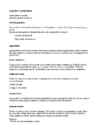
My country borders on the Pacific Ocean · DO NOT use an article when you are speaking about things in general I like Russian tea. She likes reading books. · DO NOT use an article when you are speaking about meals, places, and transport He has breakfast at home. I go to university. He comes to work by taxi. 1. We use the indefinite article, a/an, with count nouns when the hearer/reader does not know exactly which one we are referring to: Police are searching for a 14 year-old girl. 2. We also use it to show the person or thing is one of a group: She is a pupil at London Road School. Police have been searching for a 14 year-old girl who has been missing since Friday. Jenny Brown, a pupil at London Road School, is described as 1.6 metres tall with short blonde hair. She was last seen wearing a blue jacket, a blue and white blouse and dark blue jeans and blue shoes.
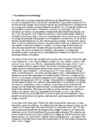
· viitamine üldistele reeglitele · passiivsus · vaikus (?) · nominalisatsioon, jne, jne · kõhklused nn mitte-eelistatud vastuste puhul, jne · mitteverbaalsed: suletud keha, liikumatus, mittemidagiütlev näoilme, silmsideme vältimine, vaikimine, ruumiline distants jne . 19. küsimus "Näoähvarduse" kaal W = P (H,S) + D (S,H) + R W kogukaal P kuulaja võim kõneleja üle D kuulaja ja kõneleja vaheline distants R konkreetse teo raskus H Hearer kuulaja (või ka lugeja, st adressaat) S kõneleja/kirjutaja P, D ja R "reaalsed" ja "interaktsioonilised" tähendused võivad erineda. Nt väga individualistlikud ühiskonnad (USA) kompenseerivad reaalsete P ja D kõrgeid väärtusi interaktsioonilise P ja D väikeste väärtustega, mis viib positiivsete viisakusstrateegiateni (komplimendid, "kutsed lõunale", eesnimed jne, kuni R on nullilähedane). 20. Küsimus Kõnevoor kõnejärjekord.
näoilme, silmsideme vältimine, vaikimine, ruumiline distants jne. 18. Millest sõltub ,,näoähvarduse kaal" Browni ja Levinsoni järgi (tooge valem ja valemis esinevate tähtede selgitused)? Kuidas võivad erineda P ja D ,,reaalsed" ja ,,interaktsioonilised" tähendused? W=P(H,S) + D(S,H) + R W- kogukaal P- kuulaja võim kõneleja üle D- kuulaja ja kõneleja vaheline distants R- konkreetse teo raskus H hearer kuulaja (või ka lugeja, st adressaat) S- kõneleja/kirjutaja P- staatuse-erinevused e vertikaalne distants üldiselt suur hierarhilistes ühiskondades; aga ka nt USA-s; Prantsusmaal D- üldjoontes suurem põhjapoolsetes riikides (D-d võib seostada individualismiga, aga pigem D reaalset, mitte interaktsioonilist väärtust, nt USA-s kompenseerib positiivne viisakus äärmuslikku individualismi Triandis) 19. Mis vahe on ,,(kõne)vooruvahetuspausil" ja ,,voorusisesel pausil"
· Vaikimine · ruumiline distants 19. Millest sõltub ,,näoähvarduse kaal" Browni ja Levinsoni järgi (tooge valem ja valemis esinevate tähtede selgitused)? Kuidas võivad erineda P ja D ,,reaalsed" ja ,,interaktsioonilised" tähendused? W = P (H,S) + D (S,H) + R W kogukaal P kuulaja võim kõneleja üle D kuulaja ja kõneleja vaheline distants R konkreetse teo raskus H Hearer kuulaja (või ka lugeja, st adressaat) S kõneleja/kirjutaja P staatuse-erinevused e. vertikaalne distants üldiselt suur hierarhilistes ühiskondades; aga ka nt USA-s (Hofstede!); Prantsusmaal (võimu näitamisse suhtutakse üldiselt positiivselt) D üldjoontes suurem põhjapoolsetes riikides (D-d võib seostada individualismiga, aga pigem D reaalset, mitte interaktsioonilist väärtust, nt
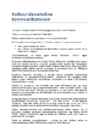
· silmsideme vältimine · vaikimine · ruumiline distants 18. Millest sõltub ,,näoähvarduse kaal" Browni ja Levinsoni järgi (tooge valem ja valemis esinevate tähtede selgitused)? Kuidas võivad erineda P ja D ,,reaalsed" ja ,,interaktsioonilised" tähendused? Näoähvarduse kaal: W = P (H,S) + D (S,H) + R W kogukaal P kuulaja võim kõneleja üle D kuulaja ja kõneleja vaheline distants R konkreetse teo raskus H Hearer kuulaja (või ka lugeja, st adressaat) S kõneleja/kirjutaja P, D ja R "reaalsed" ja "interaktsioonilised" väärtused võivad erineda, nt väga individualistlikud ühiskonnad (USA) kompenseerivad reaalsete P ja D kõrgeid väärtusi interaktsioonilise P ja D väikeste väärtustega, mis viib positiivsete viisakusstrateegiateni (komplimendid, "kutsed lõunale", eesnimed jne, kuni R on nullilähedane). 19. Mis vahe on ,,(kõne)vooruvahetuspausil" ja ,,voorusisesel pausil"
reeglitele 7)Passiiv 8)Vaikus 9)Nominalisatsioon 16. Millest sõltub ,,näoähvarduse kaal" Browni ja Levinsoni järgi (tooge valem ja valemis esinevate tähtede selgitused)? Kuidas võivad erineda P ja D ,,reaalsed" ja ,,interaktsioonilised" tähendused? W = P (H,S) + D (S,H) + R / W kogukaal , P kuulaja võim kõneleja üle, D kuulaja ja kõneleja vaheline distants R konkreetse teo raskus, H Hearer kuulaja (või ka lugeja, st adressaat) , S - kõneleja/kirjutaja P staatuse-erinevused e. vertikaalne distants üldiselt suur hierarhilistes ühiskondades; aga ka nt USA-s (Hofstede!); Prantsusmaal (võimu näitamisse suhtutakse üldiselt positiivselt) D üldjoontes suurem põhjapoolsetes riikides (D-d võib seostada individualismiga, aga pigem D reaalset, mitte interaktsioonilist väärtust, nt USAs kompenseerib positiivne viisakus äärmuslikku individualismi Triandis)
· mittemidagiütlev näoilme, silmsideme vältimine, · vaikimine, ruumiline distants jne 15. Millest sõltub ,,näoähvarduse kaal" Browni ja Levinsoni järgi (tooge valem ja valemis esinevate tähtede selgitused)? Kuidas võivad erineda P ja D ,,reaalsed" ja ,,interaktsioonilised" tähendused? W = P (H,S) + D (S,H) + R W kogukaal P kuulaja võim kõneleja üle D kuulaja ja kõneleja vaheline distants R konkreetse teo raskus H Hearer kuulaja (või ka lugeja, st adressaat) S kõneleja/kirjutaja P, D ja R "reaalsed" ja "interaktsioonilised" väärtused võivad erineda. Nt väga individualistlikud ühiskonnad (USA) kompenseerivad reaalsete P ja D kõrgeid väärtusi interaktsioonilise P ja D väikeste väärtustega, mis viib positiivsete viisakusstrateegiateni (komplimendid, "kutsed lõunale", eesnimed jne, kuni R on nullilähedane). 16. Mis vahe on ,,(kõne)vooruvahetuspausil" ja ,,voorusisesel pausil"? Mis juhtub, kui
as alluding to superficial grammatical form, and reject K3 on the grounds that a superficially subjectpredicate sentence can be meaningful without picking out any particular individual because it abbreviates a trio of purely general statements.) Negative Existentials Let us apply Russell's analysis to (7): (7) The present King of France does not exist. Now, there is a Russellian paraphrase of (7) that leaves (7) just as anomalous as it seems to the naive hearer. That is the paraphrase that takes "exist" to be an ordinary predicate like "was Scotch" or "is bald," and takes "not" to modify or apply to that predicate: At least one person is presently King of France, and 16 Reference and referring at most one person is presently King of France, and whoever is presently King of France does not exist. The anomaly is that the first conjunct asserts the existence of a present King, while the third conjunct denies it
) When a countable noun is plural, we can use it alone: •I like oranges. •Bottles can break. We can use some and any with countable nouns: •I've got some dollars. •Have you got any pens? We can use a few and many with countable nouns: •I've got a few dollars. •I haven't got many pens. definite article The definite article the is the most frequent word in English. We use the definite article in front of a noun when we believe the hearer/reader knows exactly what we are referring to. • because there is only one: The Pope is visiting Russia. The moon is very bright tonight. The Shah of Iran was deposed in 1979. This is why we use the definite article with a superlative adjective: He is the tallest boy in the class. It is the oldest building in the town. • because there is only one in that place or in those surroundings: We live in a small village next to the church. (the church in our village)
plain in the following sentiment of the Frenchman Bernard Lam expressed in The Art o f Speaking (London, 1696): 'Tis an effect of the Wisdom of God, who created Man to be happy, that whatever is useful to his conversation (way of life) is agreeable to him . . . because all victual that conduces to nourishment is relishable, whereas other things that cannot be assimulated and be turned into our substance are insipid. A Discourse cannot be pleasant to the Hearer that is not easie to the Speaker; nor can it be easily pronounced unless it be heard with delight. Here is an equilibrium theory of human diet and expression such as even now we are only striving to work out again for media after centuries of fragmentation and specialism. Pope Pius XII was deeply concerned that there be Serious study of the media today. On February 17, 1950, he said: It is not an exaggeration to say that the future of modern society and the stability of its
- vabandamine (kõneleja positiivne nägu) - kritiseerimine (kuulaja negatiivne nägu) - lubadused (kõneleja negatiivne nägu) Tundub, et iga (kõne)tegu "ähvardab" nii kõneleja kui kuulaja kõiki "nägusid". Näide: palve (kuulaja negatiivne nägu, kõneleja positiivne nägu, kuulaja positiivne nägu). "Näoähvarduse" kaal: W = P (H,S) + D (S,H) + R W kogukaal P kuulaja võim kõneleja üle D kuulaja ja kõneleja vaheline distants R konkreetse teo raskus H Hearer kuulaja (või ka lugeja, st adressaat) S kõneleja/kirjutaja (Kõne)teo tegemis viis: W väike 1. Otse, pehmenduseta (bald on record) 2. On-record (eksplitsiitselt) pehmenda positiivse viisakusega 3. On-record pehmenda negatiivse viisakusega 4. Off-record (vihja) 5. Ära tee kõnetegu W suur
must show fairly outward, should more appear like entertainment than yours. You are welcome: but my uncle-father and aunt-mother are deceived. GUILDENSTERN In what, my dear lord? HAMLET I am but mad north-north-west: when the wind is southerly I know a hawk from a handsaw. Enter POLONIUS LORD POLONIUS Well be with you, gentlemen! 73 HAMLET Hark you, Guildenstern; and you too: at each ear a hearer: that great baby you see there is not yet out of his swaddling-clouts. ROSENCRANTZ Happily he's the second time come to them; for they say an old man is twice a child. HAMLET I will prophesy he comes to tell me of the players; mark it. You say right, sir: o' Monday morning; 'twas so indeed. LORD POLONIUS My lord, I have news to tell you. HAMLET My lord, I have news to tell you. When Roscius was an actor in Rome,— LORD POLONIUS The actors are come hither, my lord. HAMLET Buz, buz!
rooms and spin straw into gold? Although the tale only calls him a "little man" or 302 STORIES A R E ALIVE "manikin," he is clearly one of the faerie people of worldwide folklore, perhaps an elf or a gnome. T h e oral storytellers may have avoided calling h i m what he is because the faerie folk are notoriously touchy about their names and identities. But it is likely that any hearer of this tale in medieval times would instantly recognize the little man as a supernatural creature from the faerie world. Like other denizens of that world he appears when he wants to and only to certain people. Like them, he is interested in human children and attracted by strong human emotions. From early times people have associated the faerie folk with a certain sadness, perhaps because they lack some things that human beings take for granted. Accord
about three quarters of English text is "unnecessary." English could theoretically express the same things with one quarter its present letters if it were wholly nonredundant. Anyone who knows English will know the rules of spelling and grammar and pronunciation that help engender its redundancy, and he will know these rules prior to the receipt of any new text in the language. This is almost tautological: it is only the existence of such rules that makes communication possible. If a hearer interprets "to" to mean "from," he will not understand very much. If he pronounces a written m as /v/, a t as /s/, and so on, he will not get through to his listeners. These redundant elements, these rules, may be considered the invariant portion of language. They may not be changed without loss of comprehension. But one may say what he wishes as long as he follows them. They are the preexistent mold into which the free-will portion of a communication is poured
 annaabi.ee