 50 punkti
Autor soovib selle materjali allalaadimise eest saada 50 punkti.
50 punkti
Autor soovib selle materjali allalaadimise eest saada 50 punkti.
 ~ 9 lehte
Lehekülgede arv dokumendis
~ 9 lehte
Lehekülgede arv dokumendis
 2011-01-17
Kuupäev, millal dokument üles laeti
2011-01-17
Kuupäev, millal dokument üles laeti
 4 laadimist
Kokku alla laetud
4 laadimist
Kokku alla laetud
 0 arvamust
Teiste kasutajate poolt lisatud kommentaarid
0 arvamust
Teiste kasutajate poolt lisatud kommentaarid
 NoNStoP
Õppematerjali autor
NoNStoP
Õppematerjali autor
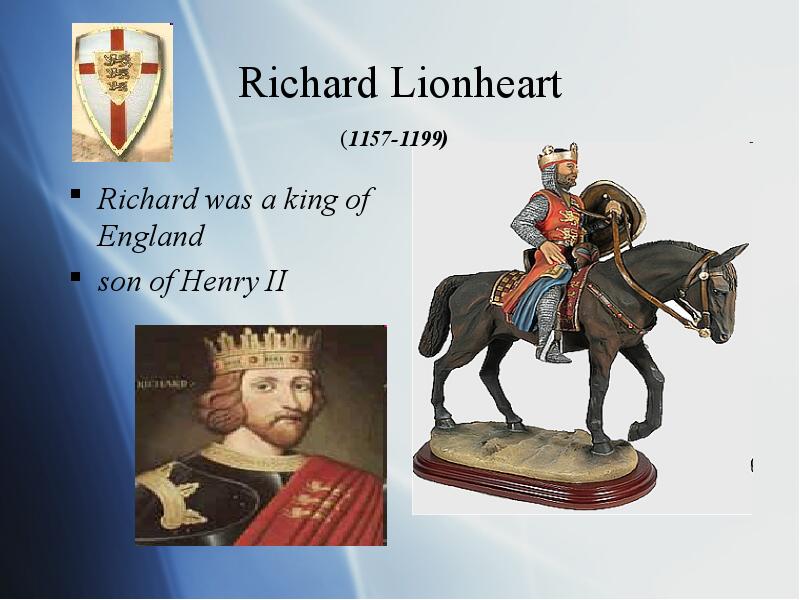
Matilda of ordered by Bishop of Bayeux, William´s brother The most important pictural image of 11 C, priceless value The Domesday Book Historical record, based on the great survey of England which was drwan up on the orders of King William I Describes landholdings, resources of late 11 C Was written in latin, consisted of two books- Great Domesday, Little Domesday The House of Anjou Henry II 12 C Richard I Lionheart 12 C John I 12-13 C Henry III 13 C Edward I 13-14 C Edward II 14 C Edward III 14 C Richard II 14 C House of Lancaster House of York Henry IV 14-15 C Edward IV 15C Henry V 15 C Edward V 15 C Henry VI 15 C Edward VI 15 C Henry II and Thomas a Becket Henry II was the king of England, duke of Normandy, Aquitaine and count of Anjou Potentially the most powerful ruler in Europe The founder of the English Common Law
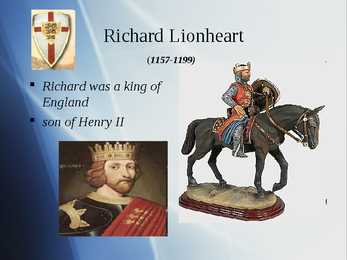
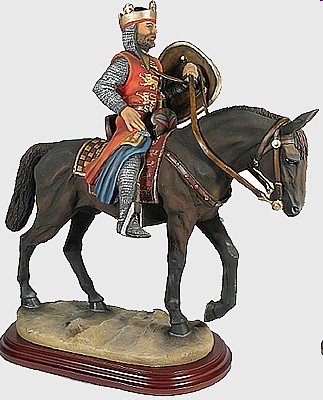
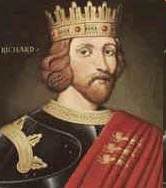
Stephen who was in England and Matilda who was in France. Stephen acted quickly and claimed the throne to himself. Matilda invaded England a few years later. That led to a terrible civil war. Neither side could win so Matilda agreed to let Stephen be king, but her son Henry would be next. Stephen died the following year and the both countries were united under one king again. Henry II managed to put together a big empire but he fought a lot with his sons and wife. He was followed by his son Richard the Lionheart. When he died, the French king took some parts of Richards French land to himself. Richard was followed by his brother John who was already very unpopular for being greedy. In1204 he became even more unpopular because the French king invaded Normandy and the English nobles lost their land there. He was a failure as a king. He had taken the nobles money but couldn't protect their lands. In 1215 the nobles made him sign a new agreement Magna Carta.
an army against her, she was forced to release Stephen (from prison) who became the king in the same year Stephen agreed to a treaty which said he could peacefully reign England till his death if he accepted Matilda's son, Henry II Plantagenet as his lawful heir When Stephen died in 1154, the Norman dynasty had concluded it's reign The House of Plantagenet, excluding King Henry II and his wife, Eleanor of Aquitaine; King Richard I and his wife, Berengaria of Navarre; King John and his wife, Isabella of Angoulême The House of Plantagenet Henry II claimed the throne in 1154 - Appointed his friend Thomas Becket as the Archbishop of Canterbury to reduce the church's power - Constitution of Clarendon Becket was sent to exile Henry II's wife, Eleanor of Aquitaine, and his sons rose against him but failed His third son, Richard I, defeated Henry II in
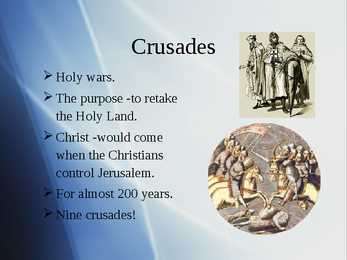
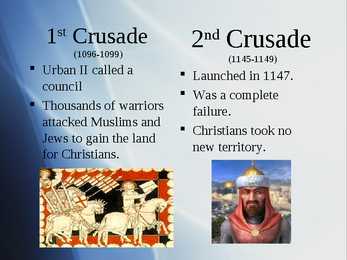
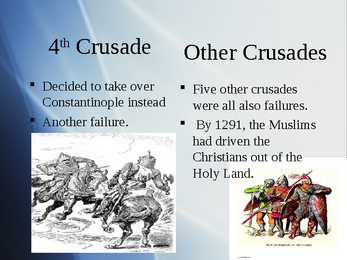
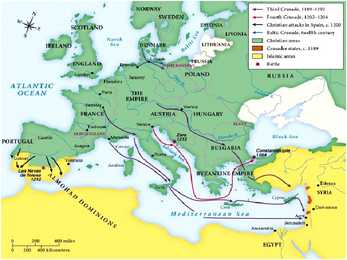
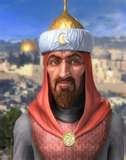
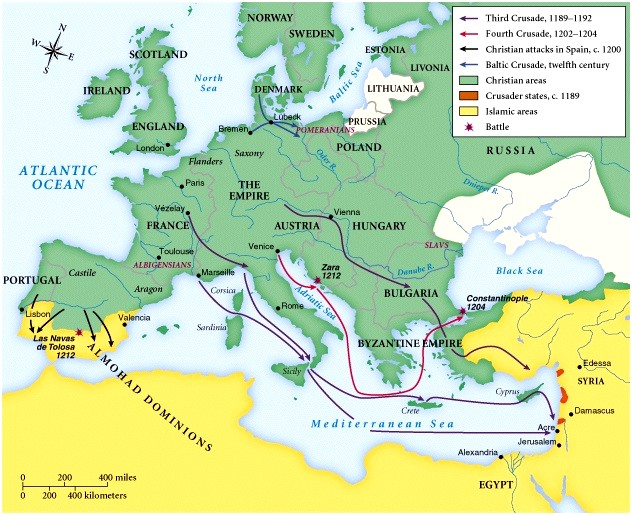
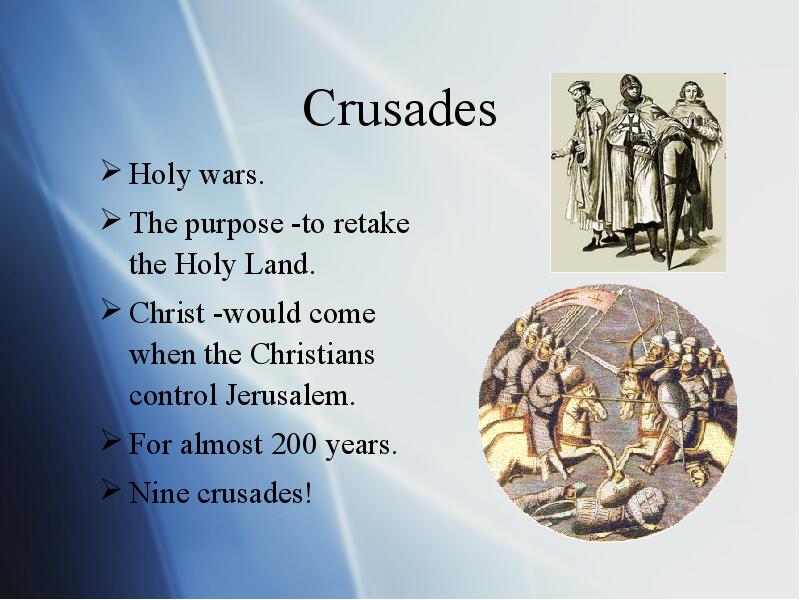
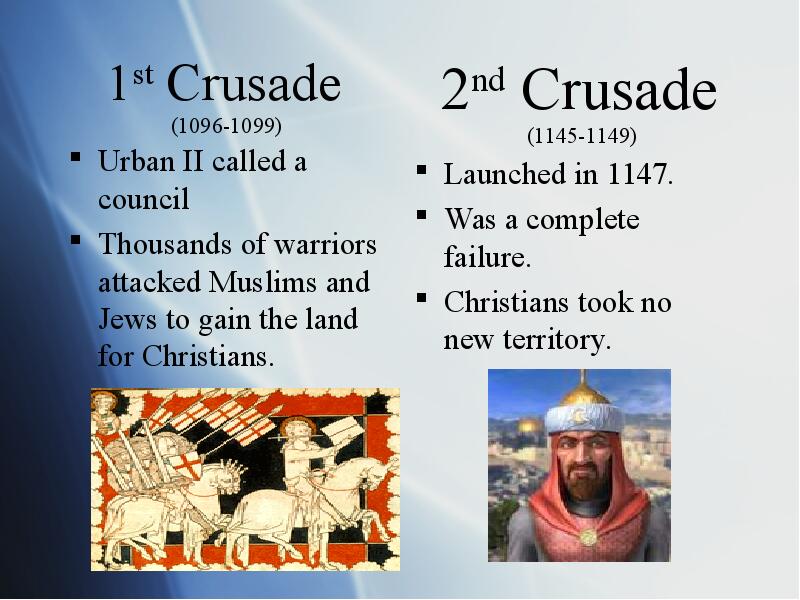
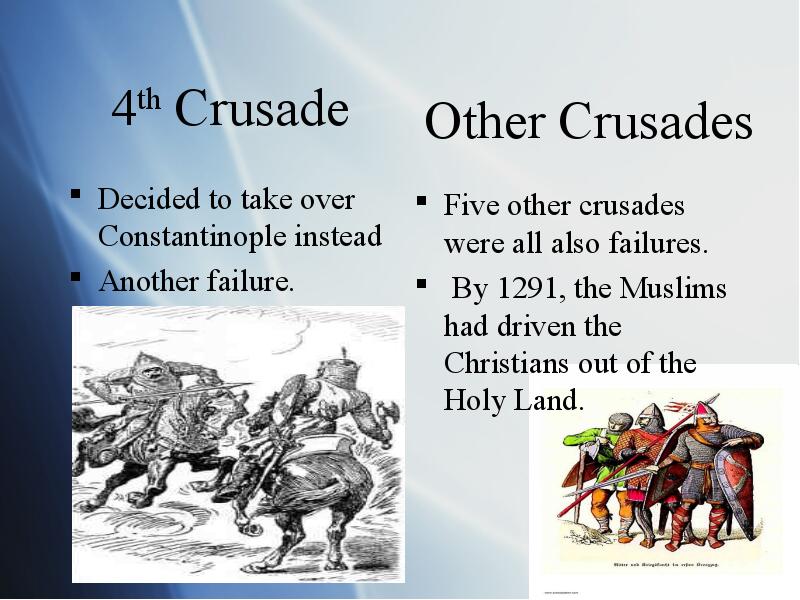
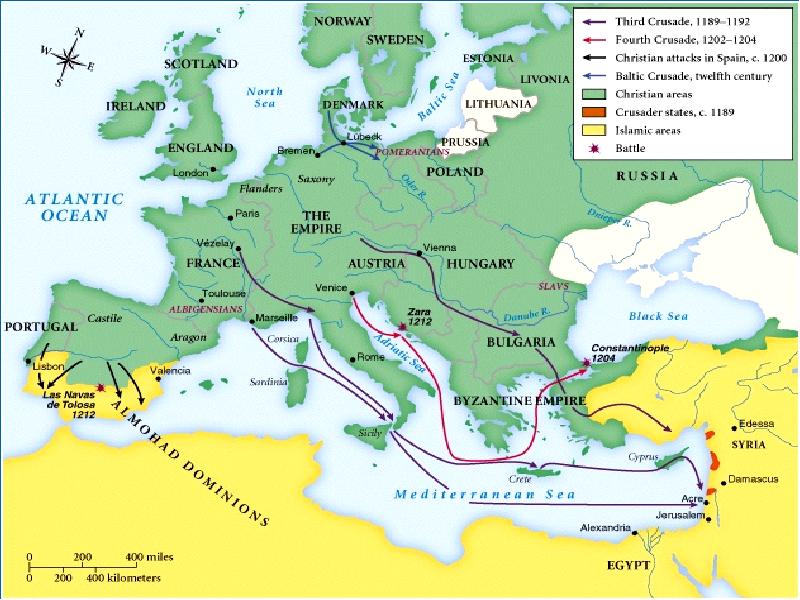
Jewish philosopher Maimonides contrasted Islamic views of morality to Jewish views that he himself elaborated. Starting in the 9th century, Muslim conquests in the West began to be reversed. The Reconquista was launched against Muslim principalities in Iberia, and Muslim Italian possessions were lost to the Normans. From the 11th century onwards alliances of European Christian kingdoms mobilized to launch a series of wars known as the Crusades, bringing the Muslim world into conflict with Christendom. Initially successful in their goal of taking the Holy land, and establishing the Crusader states, Crusader gains in the Holy Land were later reversed by subsequent Muslim generals such as Saladin; who recaptured Jerusalem during the Second Crusade. In the east the Mongol Empire put an end to the Abbassid dynasty at 11 | P a g e
System, is the political, economic, and social system by which peasants of medieval Europe were made dependent on their land and on their lord. The manorial system was the most convenient device for organizing the estates of the aristocracy and the clergy in the European Middle Ages. Feudalism is a hierarchical system in which a lord or king gives a gift or land to a vassal in exchange for protection. The decline of feudalism can be marked by the crusades. *Edward the Confessor was an Anglo-Saxon King of England and the last of the House of Wessex. His reign marked the continuing disintegration of royal power in England and the enlargement of the great territorial counts. Edward was canonized and is regarded as the patron saint of kings, difficult marriages, and separated spouses and the Royal Family. Edward's reign was marked by peace and prosperity. He married Edith, daughter of Earl Godwin of Wessex, but they were childless
The Saxons & Vikings Fragmentary knowledge of England in the 5th & 6th centuries comes from the British writer Gildas, the Anglo-Saxon Chronicle, saints' lives, poetry, archaelogical findings and place- name studies. British landlords ruled small, unstable kingdoms and continued some Roman traditions of governance. In the mid-5th cent, Vertigern, a British leader, hired Germanic mercenaries to help defend against peoples of the north (Picts & Scots). In the end they revolted & the process of invasion and settlement began. The first Saxon ,,kings" were Hengist & Horsa in Kent, Aelle in Sussex, Cerdic / Cynric in Wessex. So the first ,,English" became mainly from Northern Germany & Denmark. The resistance of the Celts was long. They were free at the time, not like other Roman provinces on the Continent. Around 500, the Britons seem to have won several victories. One of their leaders was Ambrosius Aurelianus and one of their victories was at the place called Mount Bad
The Norman Conquest William I (the Conqueror) (1066 - 1087) On October 14, in the fateful Battle of Hastings, William defeated and killed Harold and seized the English throne. Two months after the Battle of Hastings, William I was crowned king in Westminster Abbey. The service was held on Christmas Day 1066, with all the traditional ceremonies associated with the coronation of English kings since the time of Edgar. William had gained his throne by accepting the English form of coronation, William emphasised his claim to be legitimate successor to Edward the Confessor. William I was a strong king and a man of immense determination. He was stern to people who opposed his will, but kindly disposed to those who did not. William saw England as an extension of his French domains. He dispossessed nearly all the Anglo-Saxon nobles of their lands, and put Normans in their places. These men discouraged rebellion by building strong castles throughout the country, especially in W
Years 1154-1485 Henry I was the first unquestioned ruler. One of the most important kings in the Middle Ages. He had lands in Britain & France. Then the government was the monarch, a person, not a place. He had more land than any pervious king. After his marriage to Eleanor of Aquitaine, he also ruled the lands south of Anjou. His empire stretched from the Scottish border to the Pyrenees. England provided most of its wealth, but the heart was Anjou. Henry II began to regain royal control. During the war some barons had become very powerful. He pulled down some of their castles. He tried to restore law & order. He wanted the same kind of justice to be used everywhere. He appointed his own judges to travel around the country. They dealt with crimes & disagreements over poverty. Serious offences were tried in the king's court. At first they had no special knowledge or training. They were trusted to use common sense
 annaabi.ee












Kõik kommentaarid