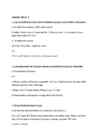
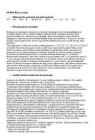
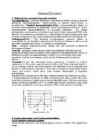
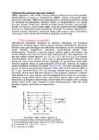
c) Sort on: Cited by d) Artikli täistekst on saadaval American Chemical Society Journals kaudu. 4. Võrdlev viiteanalüüs minu teemal kirjutava tunnustatud autori kota andmebaasides Web of Science ja Scopus. a) Albert Demonceau b) Artiklite koguarv - Web of Science: 71 Scopus: 116 c) Viidete koguarv - Web of Science: Scopus: 2283 d) h-indeks: 39 e) Dragutan, V., Dragutan, I., Delaude, L., Demonceau, A. (2007). NHC-Ru complexes- Friendly catalytic tools for manifold chemical transformations. Coordination Chemistry Reviews. 251, 5-6: 765-794. [Online] www.sciencedirect.com/science/article/pii/S0010854506002621 e) Scopuses oli tulemusi vähem, kuid need tundusid palju täpsemad. 5. Kristallograafia alased ajakirjad andmebaasis „Journal Citation Reports“. a) Valisin, et ma otsin ajakirju teemakategooria järgi ning järgmisel lehel valisin nimekirjast chrystallography ja view journal data. b) 26 c) IUCrJ – 5,316
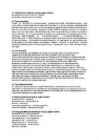
2. Üldised märksõnad eesti ja inglise keeles biokatalüütiline- biocatalytic stereokeemiline - stereochemical süntees - synthesis keemilised reaktsioonid - chemical reactions keemiline süntees - chemical synthesis 3.Teemaspetsiifilised märksõnad eesti ja inglise keeles stereoselektiivne - stereoselective kemoensümaatiline - chemoensymatic kemoselektiivne - chemoselective regioselektiivne - regioselective detsükliseerimine - decyclization lipaaskatalüütiline - lipase-catalytic steroidid - steroids prostanoidid - prostanoids farmakoloogiline - farmacologic asümmeetriline alküleerimine - asymmetrical alkylation 4. Soovimatud märksõnad eesti ja inglise keeles anorgaaniline süntees - inorganic synthesis elektrosüntees - electrosynthesis retrosüntees - retrosynthesis röntgenanalüüs - x-ray analysis 5. Otsiprofiilid, mida võiks edaspidi kasutada andmebaasidest otsimisel Üldisem: ((biocatalytic) OR (stereochemical)) AND (synthesis)
Acid deposition can also corrode modern buildings, cars, railroad tracks, airplanes, steel bridges, and pipes above and below ground. What's Being Done? Because of these problems and the adverse effects air pollution has on human health, a number of steps are being taken to reduce sulfur and nitrogen emissions. Most notably, many governments are now requiring energy producers to clean smoke stacks by using scrubbers which trap pollutants before they are released into the atmosphere and catalytic converters in cars to reduce their emissions. Additionally, alternative energy sources are gaining more prominence today and funding is being given to the restoration of ecosystems damaged by acid rain worldwide. References http://environment.nationalgeographic.com/environment/global-warming/acid-rain- overview.html http://en.wikipedia.org/wiki/Acid_rain http://upload.wikimedia.org/wikipedia/commons/thumb/0/0c/Acid_rain_woods1.JPG/800px- Acid_rain_woods1.JPG http://www.ypte.org
location in incubators, Science-parks etc. Demand-side measures Systemic policies – cluster policies, Supply chain policies, Regulation – use of regulations & standards to set innovation targets, Technology platforms to coordinate development. Public procurement – R&D procurement, Public procurement of innovative goods. Support of private demand – Demand subsidies, Tax incentives, Articulation of private demand, Awareness and Training Catalytic Procurement Examples of innovation policy measures to develop specific sectors in different countries (based on group work presentations) South Korea’s example UNIVERSITIES OTHER GOVERNMENT RESEARCH INSTITUTES (GRIs) GOVERNMENT & REGULATION BUSINESS ORGANIZATION •The chaebol system, that seems to have been a driving force in the success of Korean electronics industry, has over time also revealed its glaring weaknesses. There is widespread demand to move
võrreldes tavaliste kolletega pikema aja jooksul. Põlemisel tekkinud ja keemiatööstusest eraldunud lämmastikoksiidide kõrvaldamiseks suitsugaasidest kasutatakse tänapäeval kõige rohkem katalüütilisi meetodeid. Lämmastikhappetööstuses kasutatakse NOx taandajatena metaani (CH4), süsinikoksiidi (CO) ja vesinikku (H2). Lämmastikoksiidid taanduvad nende ühendite toimel tahke katalüsaatori pinnal temperatuuridel 200-450oC vaba lämmastikuni. SNCR-protsess (Selective Non Catalytic Reduction, selektiivne mittekatalüütiline taandamine) põhineb NOx selektiivsel taandamisel kõrgel temperatuuril (950-1050oC) ammoniaagi abil ilma katalüsaatorita. Taandamissaadusteks on keskkonnale kahjutud lämmastik ja veeaur. Lämmastikoksiide saab taandada ammoniaagiga madalamatel temperatuuridel (300-400oC) katalüsaatorite (metallid ja metallide oksiidid) abil. Meetod on tuntud SCR-protsessi (Selective Catalytic Reduction, selektiivne katalüütiline taandamine) nime all. 7
alcohol) and carbon monoxide at very high temperatures. Formaldehyde is naturally produced in very small amounts in our bodies as a part of our normal, everyday metabolism and causes us no harm. It can also be found in the air that we breathe at home and at work, in the food we eat, and in some products that we put on our skin. A major source of formaldehyde that we breathe every day is found in smog in the lower atmosphere. Automobile exhaust from cars without catalytic converters or those using oxygenated gasoline also contain formaldehyde. At home, formaldehyde is produced by cigarettes and other tobacco products, gas cookers, and open fireplaces. It is also used as a preservative in some foods, such as some types of Italian cheeses, dried foods, and fish. Formaldehyde is found in many products used every day around the house, such as antiseptics, medicines, cosmetics, dish-washing liquids, fabric softeners,
metallide oksiide Cr2O3, Al2O3 ja puhtaid metalle Pt, Ni. Katalüütilisel krakkimisel toimub peale molekulide lõhustumise veel molekulide struktuuri muutumine (isomeerimine, vesiniku ümberpaigutumine) ning alkaanide ja tsülkloalkaanide muundumine areenideks (aromatiseerumine). Katalüütilise krakkimisega saadakse kõrgema kvaliteediline bensiin kui termilise krakkimisega. Katalüütilist krakkimist on mitmeid variatsioone, aga vedelik katalüütiline krakkimine (Fluid catalytic cracking, FCC) on enamikes modernsetes rafineerimise tehastes bensiini tootmise tähtsaim osa. Termin tuli praktikast tahke katalüsaatori vedeldamisest seetõttu, et katalüsaatorit sai krakkimise reaktsiooni sektsioonist katalüsaatori regenereerimise sektsiooni viia ja sealt tagasi krakkimise sektsiooni ja nii edasi pidevas tsüklis.Vedelik katalüütiline krakkimine toodab edasise rafineerimisprotsessi jaoks, näiteks alküleerimise jaoks teisi vajalikke lähteaineid. c) Vesinikkrakkimine
NOx kõrgtemperatuurilise taandamise katalüsaatoriteks on plaatina grupi metallid (plaatina, pallaadium, roodium, ruteenium) või odavamad, aga vähem efektiivsed segud, mis sisaldavad niklit, kroomi, vaske, tsinki, vanaadiumi, tsirkooniumi jt. metalle. Lämmastikoksiide saab taandada ammoniaagiga madalamatel temperatuuridel (300-400oC) katalüsaatorite (metallid ja metallide oksiidid) abil. SNCR-protsess (Selective Non Catalytic Reductian, selektiivne mittekatalüütiline taandamine) Põhineb NOx selektiivsel taandamisel kõrgel temperatuuril (950-C) ammoniaagi abil ilma katalüsaatorita. Taandamissaadusteks on keskkonnale kahjutud lämmastik ja veeaur. Meetodi puuduseks on selektiivsete reaktsioonide kulgemine väga kitsas temperatuuripiirkonnas - madalamatel temperatuuridel ammoniaak ei reageeri eraldub atmosfääri, kõrgematel temperatuuridel aga tekib lämmastikmonooksiid (NO).
The lighter grades of crude oil produce the best yields of these products, but as the world's reserves of light and medium oil are depleted, oil refineries are increasingly having to process heavy oil and bitumen, and use more complex and expensive methods to produce the products required. Because heavier crude oils have too much carbon and not enough hydrogen, these processes generally involve removing carbon from or adding hydrogen to the molecules, and using fluid catalytic cracking to convert the longer, more complex molecules in the oil to the shorter, simpler ones in the fuels. Due to its high energy density, easy transportability and relative abundance, oil has become the world's most important source of energy since the mid-1950s. Petroleum is also the raw material for many chemical products, including pharmaceuticals, solvents, fertilizers, pesticides, and plastics; the 16 per cent not used for energy production is converted into these other materials
NOx kõrgtemperatuurilise taandamise katalüsaatoriteks on plaatina grupi metallid (plaatina, pallaadium, roodium, ruteenium) või odavamad, aga vähem efektiivsed segud, mis sisaldavad niklit, kroomi, vaske, tsinki, vanaadiumi, tsirkooniumi jt. metalle. Lämmastikoksiide saab taandada ammoniaagiga madalamatel temperatuuridel (300-400oC) katalüsaatorite (metallid ja metallide oksiidid) abil. SNCR-protsess (Selective Non Catalytic Reductian, selektiivne mittekatalüütiline taandamine) põhineb NOx selektiivsel taandamisel kõrgel temperatuuril (950-1050oC) ammoniaagi abil ilma katalüsaatorita. Taandamissaadusteks on keskkonnale kahjutud lämmastik ja veeaur. Meetodi puuduseks on selektiivsete reaktsioonide kulgemine väga kitsas temperatuuripiirkonnas - madalamatel temperatuuridel ammoniaak ei reageeri eraldub atmosfääri), kõrgematel temperatuuridel aga tekib lämmastikmonooksiid (NO).
The fuel system consists of a fuel pump, timing accordingly. Air system fuel filter, and the CFI unit. Power to the system is supplied by the power relay, which Catalytic converter The air system consists of an air cleaner, has a built-in timer which allows the throttle connecting air inlet duct, CFI unit, MAP The function of the catalytic converter is to valve motor to continue to operate after the
calpain system (Lee et al. 2008). negative regulator of apoptosis (Goll et al. Ubiquitous μ- and m-calpains are het- 2003). erodimers that dissociate in the presence of Less than 10% of total calpain is normally Ca2+ into a regulatory 28 kDa subunit that is activated in the skeletal muscle (Goll et al. identical in both isoforms (Carafoli and 2003). Research has demonstrated that the Molinari 1998) and into a large catalytic optimal condition for calpain activity is pH subunit (∼80 KDa). It is the catalytic subunit 7.5 at 25°C (Zeece et al. 1986), but activity (Dutt et al. 2002) that dictates the Ca2+ level is still detected at pH 5. Meat tenderization for activation. The μ- and m-calpains are begins at about pH 6.3 (approximately 6 h located in the sarcoplasm and are concen- postmortem in beef), as μ-calpain is activated
Stories are polarized, 3 1 5 - 3 1 6 Stages listed, 7-9, 19 Standardized story language, xv, xviii Tool for film analysis, xxv, xxxii, 2 3 1 - 2 9 0 Wizard of Oz as fairly typical example of, 9 6 Wrong uses of, xviii-ix Heroes, vi, 7, 10, 1 3 - 2 0 , 2 5 , 3 4 , 4 7 , 1 8 9 , 1 9 1 . See also Anti-heroes; Hero's Journey; Tragic Heroes Active, 3 4 Apparent death of, 1 6 1 - 1 6 2 Archetype described, 2 9 - 3 7 As warriors, xxi Catalytic, 3 7 Cause of death, 1 6 3 Conscience of, 4 2 Cynical view of, xxiii Distortions of, 1 8 2 Earning the title of, 16, 1 7 1 , 1 7 7 Evolving into mentors, 1 2 2 Faces of, xxi, 3 7 Flawed, 3 3 Gender, 7, 16, 2 9 Granting of new insight, 1 8 0 Group-oriented, 3 5 Introducing, 8 7 , 9 0 Lone, 3 6 , 1 7 6 Motivating, xxiv, 13, 4 2 Multiple, 1 3 8 . See also Teams Ordeal of, 1 8 - 1 9 , 1 9 0 Origin of word "hero", 2 9
 annaabi.ee