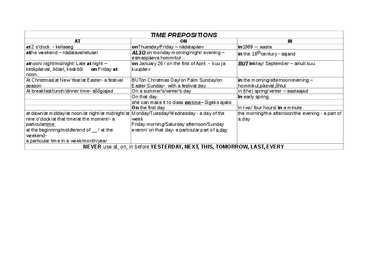
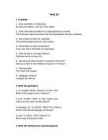
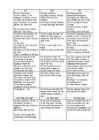
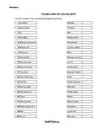
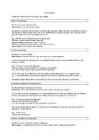
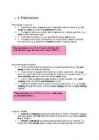
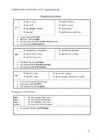
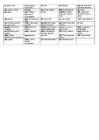
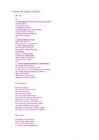
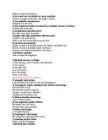
esmaspäeva hommikul... atnoon/ night/midnight/ Late at night on January 26 / on the first of April - kuu ja BUT inMay/ September ainult kuu keskpäeval, öösel, keskööl on Friday at kuupäev noon. At Christmas/at New Year/at Easter- a festival BUTon Christmas Day/on Palm Sunday/on in the morning/afternoon/evening season Easter Sunday- with a festival day hommikul,päeval,õhtul At breakfast/lunch/dinner time- sõõgiajad On a summer's/winter's day in (the) spring/winter aastaajad On that day In early spring she can make it to class on time õigeks ajaks
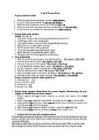
Say + no personal object. He said he was very hungry. Say + to + personal object. He said to us he was very hungry. Tell + personal object. He told us he was very hungry. Sa · Hello y · Good morning/afternoon · Something/nothing · So · A prayer · A few words · No more · For certain/sure Tel · The truth l · A lie, story, secret, joke · The time · The difference · One from another · Somebody one's name · Somebody the way · Somebody so · Someone's · fortune as · a question k · a favour · the price · after somebody · the time
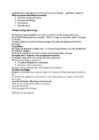
Present Simple. Present Simple is used for... Example Permanent situations or states Jim lives in the south of England Permanent truths or laws of nature The sun sets around 5 o'clock in the afternoon in the winter Repeated/habitual actions especially with George always plays football on always, usually etc. Saturday afternoons. (= He does that every Saturday Afternoon.) Timetables/programmes with a future The train leaves at 10.05 on Tuesday meaning. Reviews/sports commentaries/dramatic The basketball player shoots and the ball narrative goes in the basket. Time expressions used with present simple: Every day/week/month/year, usually, sometimes, always, rarely, never, often, on Monday, in the morning, evening, etc. Present Continuous (to be + verb -ing) Present Continuous is used for... Example
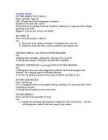
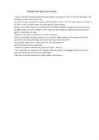
1. Kirjuta puuduvad tähed. 1. When you enjoy doing something, you do it whip pleasure . 2. On your birthdayyours friends can give you the bumps . 3. When you give somebody a present, you need to wrap it up. 4. When you put bowls,cups, forks and knives on the table, you lay the table . 5. Of you want to say something to many people, you make a speech. 2. Kirjuta lünka sobiv eessõna. Vali siit : in / on / at 1. Why didn´t we go to the swimming pool on Tuesday afternoon ? 2. Little Peggy didn´t sleep well at night. 3. The pupils of class 6 went on a class trip on Monday morning. 4. Please come to my place in the evening. 5. All the animals had a meeting at noon. 6. They had a big garden party on Saturday night . 7. In the afternoon the headmaster made a speech. 8. My parents left for Helsinki on Thursday afternoon . 3. Vasta küsimustele. 1. Will you invite all your friends to yuor birthday party ? No, I won´t / Yes, I will 2
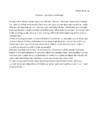
ivy. They bring a huge fir-tree from Norway on Trafalgar Square. Thirdly, from the activities there is one similaritie, Estonian and also English people send Christmas cards, but the differents of these cards is that Estonian people cards are with winter pictures and Father Christmas, English people send cards mostly with religious pictures. Big differents of activities is that English people go to Carol Services and peform Nativity plays. A traditional feature of Christmas afternoon is the Queen's Christmas message to the commonwelth of nations broadcast on TV and radio. In Estonia people celebrate pre-Christmas with parties at work places. Estonias have a tradition of a sauna before Christmas services. Also people light candles at the grave of dead relatives.Children learn songs, poems, dances for Father Christmas. On December 24 the President of Estonia declares Christmas Peace and attends a Christmas Service. Fourthly, eating habist are quite opposite
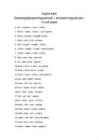
Lay laid laid panema, asetama 43.Light lit lit süütama 44.Mean meant meant tähendama 45.Ride rode ridden ratsutama 46.Upset - upset upset ärritama 47.Swing swung swung kiikuma, õõtsutades liikuma 48.Send sent - sent saatma 49. Run ran run jooksma 50.Ring rang rung helistama, helisema 51. Strike struck struck lööma Eessõnad ajamäärustes In: In the morning In the evening In the afternoon In 1998 In february In winter In the 1980s On: On Sunday morning On Monday evening On Saturday afternoon On Friday night reede õhtul On the first of february On a cold winter morning On christmas day At: At ten o'clock At half past eight At noon lõuna At night - õhtul At midnight keskööl At midnight on Tuesday At the beginning of the year Nimetav I mina You sina He - tema (mees) She tema (naine) It see
4 part / is / which / hilly / Estonia / of Which part of Estonia is hilly? 3 Write the sentences in reported speech. 1 The teacher said to the students, "You must work hard to get good results in your tests." The teacher told the students they haf to work hard to get good results in their tests. 2 Tina said, "I can help you with the washing up, Mary." Tina told Mary she could help her with the washing up. 3 Dad said to Jack, "I´ll fix the lock of the garage door in the afternoon." Dad told Jack he would fix the lock of the garage door in the afternoon. 4 Little Mary said, "I can count to ten." Little Mary said she could count to ten. 5 Liz said to her brother, "We must finish our homework before the film starts." Liz told her brother they had to finish their homework before the film started. 6 Jake said, "I bought a lovely souvenir for my English friend." Jake said he had bought a lovely souvenir for his English friend.
For the time of day For days and dates For longer periods At five o'clock, 11.45, On Friday/ Fridays, 16 May (months/years/seasons) midnight, lunchtime, sunset. 1999, Christmas Day, In October, the 1990s, the At night, the weekend, week- birthday. past, Middle ages, the winter. ends, Christmas, the moment, On Friday/ Sunday/ Monday In the morning/ afternoon/ present, the same time. evening/ morning/ afternoon. evening. In a few minutes/ a week/ Do not use at/ on/ in before moment. last/ next / this/ every. How long it takes to do sth. At the bus stop/ the door/ the On the ceiling/ the door/ the In a room/ a building/ a box/ a
Present continuous and present simple We use present continuous For actions that we have already arranged to do in the near future, especially when the time has been decided. I’m coming back next Monday. What are you doing tomorrow evening? We use present simple For events that always happen at certain time, or are part of timetable. The supermarket closes at 9 p.m. His plane arrives at four o’clock tomorrow afternoon. After if in conditional sentences (type I). If you leave home at 7.30, you will be on time. Ekke Kaha
6 What's up? ¿Cómo estás? 7 And you? Bien 8 Very Good Buenas noches 9 See you soon ¿y tú? 10 Good morning ¿Qué pasa? 11 Very bad Buenas Tardes 12 Good afternoon Hola 13 Terrible Hasta mañana 14 See you later Muy bien 15 How are you? Hasta luego 16 Good Adios 17 Phenomenal Buenos días 18 What's going on? Excelente
Red Panda nimi Description Average length is 56 to 63 cm Tail is about 40 cm long Can weigh up to 6,2 kg They have long and soft fur Long claws for climbing narrow tree branches Behavior They are territorial Mostly quiet They Sleep during the day become more active in the afternoon They clean like a cat does Diet Mostly eating Bamboo May eat other small mammals , birds , eggs, blossoms and berries. They need to consume a large volume of bamboo to survive Habitat Click to edit Master text styles Second level Third level Fourth level Fifth level References
If/When you don't water flowers, they die. (present simple in both parts of the sentence) If/When I asked her to come with us, she always said no. (past simple in both parts of the sentence) 1 First conditional If-clause present simple; Main clause future tense (or: can, must, may, etc., + bare infinitive) Used to talk about the consequences of a possible action (a real or very probable situation in the present or future). E.g., If I write my essay this afternoon, I will have time to go out tonight. (or: I might go out tonight). (It is still morning, and it is quite possible that I will do this.) NOTE: With type 1 conditionals we can use unless + affirmative verb (= if + negative verb). E.g., I will not be able to come unless Joe gives me a lift. (= If Joe does not give me a lift, ...) Provided that/providing that are synonyms for if that can be used with type 1 conditionals. 2 Second conditional (unreal present)
just, never, yet, before, by, by the time, etc Past Perfect Continuous is used for: Actions continuing over a period up to a specific time in the past. E.g. He had been working in Brussels for three years before he moved to London. Past actions of certain duration, which had visible results in the past. E.g. Her feet were swollen because she had been walking all morning. The Past Perfect Continuous. E.g. I'm tired. I've been gardening all afternoon. I was tired. I had been gardening all afternoon. Time expressions used with Past Perfect Continuous: for, since Present Perfect is used for: Recently completed actions. E.g. My father has finished painting the house. Complete past actions connected to the present with stated or unstated time reference. E.g. I have worked all day and I'm tired. Personal experiences or changes, which have happened. E.g. Sally has gained some weight recently.
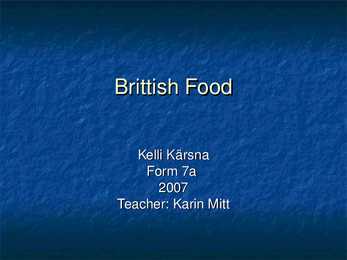
Brittish Food Kelli Kärsna Form 7a 2007 Teacher: Karin Mitt Wales Traditional Food ...Most popular food for breakfast consists eggs and bacon ...Afternoon tea can be served with Welsh cakes ...Traditional meat for dinner in the evening is Welsh Lamb ...For a snack Welsh Rarebit Scottish Traditional Food ...Breakfast consist of local black pudding ...Haggis a type of rich sausage meat made from ...And bread, the very symbol of food English Traditional food ...Fish and Chips are a traditional take away food or as USa they say "to go" ...Sheaperds Pie ..
American School. He is alone and has one sister Mayerly. He lives in Soacha with his parents Uriel and Marleni in a beautiful and big house. He is tall and strong. He has short straight black hair. His ears are big. He has big brown eyes. He has snub nose. He has a mole near his mouth. He has big white teeth. He is honest and intelligent. He is down to earth. He is confident and very nice. We like to play videogames in his house. We like to dance in the afternoon and to cook in the night. Finally, he is my best friend because he always understands me and he almost always try to make me happy.
on Sunday(s) / Monday(s) on Monday morning ON on 25 April / 6 June on Saturday evening on New Year Day Goodbye! See you on Friday. I'm meeting Jill on Monday morning. The concert is on 22 November. in April / June in summer / spring / ... IN in 1985 / 2003 in the morning / afternoon / evening I always feel good in the morning. Emma left school in 1993. The garden is lovely in spring. We do not use at/on/in before: this ... this morning / this week / ... last ... last August / last month / ... next ... next Monday / next year / ... every ... every day / every summer / ... I'm going on holiday next Monday.
Third level · The biggest music and art festival in Fourth level Baltics. Fifth level · 25,000 visitors · Positivus combines a variety of different genres. · The festival always takes Click to edit Master text styles place during an extended Second level weekend- from Thursday Third level afternoon until Sunday Fourth level morning of the third week Fifth level of July. · 3 main stages and many smaller stages. · Was firstly held in 2007. · Was included into the Best 2012 Summer Festivals selection. · Also the Best European Festival award. Click to edit Master text styles Performers Second level · Third level
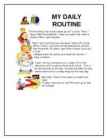
The first thing I do is that I wake up at 7 o'clock. Then, I have coffee for breakfast. I clean my teeth and I take a shower. After, I get dressed. Next, I go to work by bus, because I start at 8 o'clock. When I finish, I go home at half past twelve and the first thing that I do when I get home is have lunch at 1 o'clock. I always wash the dishes and clean the kitchen. I have a shower. Next, I do my homework son, I watch TV in the afternoon and I meet my friend at 6 o'clock. This is my favorite part of the day. I sometimes walk my dog before dinner and I usually study for the next day. After that, I listen to the radio or I watch the news. Finally, I have dinner at 9 PM and I go to bed at midnight.
Dialogue A.S : Good afternoon madam, can i help you? C : Yes please , id like to buy a shampoo, but i dont know whitchone would suit me. A.S : It depends, do you have stressed hair, colored hair, dry hair, damadged hair or if you would like to protec your hair from the tear. C : I have dry, stressed and damadged hair, what do you reccommend? AS : Dry, stressed hair need intensive care. I would reccommend our GLISS KUR '' Total repair 19'' shampoo. It features a unique combination of 19 effective repair ingredients and vitamins. This shampoo corrects and strengthena the hair structure, by accurately filling in damaged, porous parts. On the surface the rough and brittle hair structure is effectively smoothed and closed. C : How do i use it? A.S : You'll have ti appos...
hour Etc- et cetera, and the VCR- video casset the USA- the United am- before noon, aute yr- year rest, and so on recorder States of America meriden the UK- The United MSC- Master of NATO- North Atlantic viz-that is to say, in UFO- unidentified Kingdom Sience Treaty Organisation other words flying object pm- afternoon, poust xnas- Christmas IBM- International PR- Public relations wpm- words per meriden Business Mashins minute BBC- British no(s)-number vs-versus VIP- Very Important GB- Great Brittan Broadcasting Corporation Person sgd- signed YHA- Youth EU- Europien Unieun BA- Bachelor of arts
the consequently biggest cryaesthesia in the world, comes here to Antarctica. But my huge affection is penguins. That's why I'm going to see how they are doing, after I have finished my coffee. I'll check how many of them are on the ice and does they have their food. We try to interrupt penguins as less as possible. That's why they look themselves the food and place to stay. Mostly they eat fishes and squids. After those duties with them are done, It's almost afternoon. Then I crab some lunch and chat with some other scientists. We are making quite progress in exploring penguins. After my lunch I go to see them again. I watch their actions and habits and write everything down. In the evening I try to write for my research. After that I go to sleep to wake up again in the new morning and all this starts over.
hard day's work in the city. In the middle of the garden is a beautiful statue of William Shakespeare. In 1981 a lifesize statue of Charlie Chaplin was added. You can buy halfprice theatre tickets at the building with a sign 'tkts'. 'tkts' is London's most famous and popular theatre ticket shop. Based in the Clocktower Building in Leicester Square, tkts is an essential part of a visit to London. Make sure you join the right queue as tickets for afternoon and evening shows are sold from different windows. Near the square you can also find the beautiful entrance to London's Chinatown.
#KNOCK ON THE DOOR Dr. McLovin : Yeah, please come in Dr. McLovin : Good afternoon, my name is Henry McLovin. I am a super puper family psychologist. #VISITORS INTRODUCE THEMSELVES AS Mr. and Mrs. Carabelablanco Dr. McLovin : What happened to your family life? Mrs.Carabelablanco : Poor communication Mr. McLovin. Sanya : We talk with him, I tell him something, and in the end it turns out that he does not listen to me at all and does not even remember what we were talking about. Dr. McLovin : Hmmm. I understood your problem Mrs.Carabelablanco. Soon we will
Last year I started learning Spanish and now speak a little bit of it, but i´d like to practise more. I have had some work experiences here in Estonia as a waiter, a manager and as a cleaner. I love playing sports,like volleyball, swimming, riding a bike, running, dancing and so on. I also love communicating with different people and I am a quick learner. I would love to organize activities and excursions. I am available for the interview any afternoon during the three weeks. I would also be pleased to discuss my suitability for the post on the telephone- my number is 56649891. Looking forward to hearing from you.
A Storm at Sea Kelin Kuznetsova 8.B It was a cloudy afternoon, when Jason, Paul and Tony were on a sailing holiday last summer. It all took place at a calm sea. Jason was standing on the deck of the boat when he saw black clouds gathering in the sky. He realized that the storm is not far from them. A minute later they found themselves in the middle of the storm. Huge waves were crashing and the boat was rocking from side to side as thunder rolled across the sky. They were extremely scared.
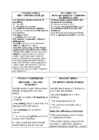
AJAMÄÄRUSES ESINEVAD EESSÕNAD MILLAL? IN 1. Pikad ajajärgud (sajandid, aastad, aastaajad, kuud) *in June (juunis) *in spring (kevadel) *in 1991 (1991. aastal) 2. Päevaperioodid (v.a. öösel- at night) *in the morning (hommikul) *in the afternoon (pärastlõunal) *in the evening (õhtul) AT 1. Täpsed kellaajad, vanused *at 5 o'clock (kell viis) *at (the age of) 17 (17-aastaselt) 2. Pühad, nädalavahetused *at Christmas (jõulude ajal) *at weekends (nädalavahetustel) 3. Söögiajad *at lunch (lõunasöögi ajal) 4. Sõnad, mis viitavad ajale *at the same time (samal ajal) *at the moment (hetkel) ON 1. Lühemad ajajärgud (tähtpäevad, nädalapäevad) *on Monday (esmaspäeval)
Good afternoon, i talk about environmental problems in Estonia. plakatile ei kirjuta :D Main environmental problems in estonia: · Oil shale mining and burning · Excessive tree felling · Air pollution · Eutrophication Oil shale mining and burning. Estonia environmental problems are mostly caused by oil shale mining and burning. About 30 000 Hectare ground is unusable. We have a large ash mountains thanks to burning of oil shale. To reduce pollution we need to decrease mining of oil shale and shale-based electricity producing. Air pollution the biggest air pollution is in large cities. It´s caused by big factories, a lot cars and deficient environment ordinance. To decrease air pollution we need to use less cars and more public transport. Eutrophication It means water enrichment of nutrient. In eutrophic water there is less oxygen and water quality low. There are some things to improve it: · To disable phosphate use ...
AJAMÄÄRUSES ESINEVAD EESSÕNAD MILLAL? IN 1. Pikad ajajärgud (sajandid, aastad, aastaajad, kuud) *in June (juunis) *in spring (kevadel) *in 1991 (1991. aastal) 2. Päevaperioodid (v.a. öösel- at night) *in the morning (hommikul) *in the afternoon (pärastlõunal) *in the evening (õhtul) AT 1. Täpsed kellaajad, vanused *at 5 o'clock (kell viis) *at (the age of) 17 (17-aastaselt) 2. Pühad, nädalavahetused *at Christmas (jõulude ajal) *at weekends (nädalavahetustel) 3. Söögiajad *at lunch (lõunasöögi ajal) 4. Sõnad, mis viitavad ajale *at the same time (samal ajal) *at the moment (hetkel) ON 1. Lühemad ajajärgud (tähtpäevad, nädalapäevad) *on Monday (esmaspäeval) *on the first of June (esimesel juunil)
I'm going to buy a new car 2) Predictions about the future, which are based on the situation now. PRESENT SIMPLE ( I do) WITH A FUTURE MEANING Use: 1)Talking about timetables, programmes: My train leaves at 11.30. 2) Talking about people if their plans are fixed like a timetable. PRESENT CONTINUOUS (I am doing) WITH A FUTURE MEANING Use: 1)Talking about descisions and arrangements (sbdy has decied and arranged to do smthing). He is playing squash on Monday afternoon 2) You can use present contiuous for an action just before you begin to do it. FUTURE CONTINUOUS Form: will+be+ing Use: 1) Somebody will be in the middle of doing something. This time next week I'lle be swimming in the pool. 2) Talking about complete actions in the future. FUTURE PERFECT Form: will+have+past particilke (3.vorm) Use: 1) Saying that something will already be complete bf a time in the future. ::The film will already have started by the time we get to the cinema.
It can be in winter ime around 30C and half a year later there will be +30C. Best time, of course, is July.Then is a quite warm.Temperature is about +25C.But in fact, there is no summer at all.This is because Estonia is rather wet,windy,rainy and cloudy country. Spring is usual, rather cold, but sun is already shines.On March and April can happen that during ay there is five degrees below zero until 10 degrees in same day just early monings are really icy but afternoon if sun is high it is already nice and warm. Autumn is very similar to spring.There are rather icy and wet. Winter is very crafty, some days temperature can be around 5 degrees below zero, but sometimes can be 20 degrees below zero.If you like skiing then winter in Estonia is a best time for it. In my opinion, summer time is a best time for me. But I like winter too. Nature in Estonia is also very beautiful. I wanted to tell about some birds and flowers in Estonia : there are ...
4) muusikainstrumentide puhul My older sister plays the quitar. 5) järgarvude ning omadussõna ülivõrde puhul October is the tenth month. What is the most interesting lesson for you? 6) mõnede pärisnimedega jõgede, merede ja ookeanide nimed- the Thames, the Baltic Sea teatrite, kinode ja hotellide nimed- the Palace mitmuses olevad perekonnanimed- the Greens 7) leiutistest rääkides Who invented the telephone? Väljendeid määrava artikliga: in the morning, in the evening, in the afternoon in the country on the right/ left go to the cinema go to the theatre listen to the radio Määravat artiklit ei kasutata: 1) mängude nimetustega I play football every day. Do you like boardgames? 2) aastaaegade, kuude, nädalapäevade, pühade nimetustega She was born in July. My favourite month is summer. She goes swimming on Mondays. Children like Christmas a lot. 3) liiklusvahendite nimetustega I go to school by bike. 4) kui räägitakse asjadest üldiselt My friend likes folk music.
Go to London Zoo Fifth level Take an openbus tour Enter space at the Royal Observatory See the changing of the guard Visit Cartoon museum Visit Madame Tussaud's Wax Museum Restaurants, cafes and bars Take traditional English breakfast Try fish&chips Have a pint in one of the world's best pubs In Ye Olde Mitre Tavern or in Holly Bush Take afternoon tea Shopping Liberty Selfridges Harrods Harvey Nichols Click to edit Master text styles Second level Fortnum & Mason Third level House of Fraser Fourth level Fifth level Liberty Nights out : operas, theatres, clubs Shakespeare's Globe (theatre)
Distance learning is a challenge To begin with, distance learning is very difficult. However, there are some positive things. I can plan my school work mostly. Some teachers gives a time when you need to be ready. This would mean that we can´t just lay down and relax all day. I think they give enough time and student should get ready with their work. When there is no time I can do my work in the morning, in afternoon or in the evening. With that I learn planning and I am more independent. I think one thing you need to have and that is motivation. For example, you sit every day at home and do nothing, motivation is very easy to go away and you do not want to do school work also. As a result, you school work suffers. I think teachers try to keep our motivation and give us a little work as possible. Distance learning may be hard for social people. If you can´t communicate with your
request for information and an invitation: Will you be coming to the party tonight? (= request for information) Will you come to the party? (= invitation) 4)To predict or guess about someone's actions or feelings, now or in the future: You'll be feeling tired after that long walk, I expect. 5)Events in progress in the future: When you are in Australia will you be staying with friends? This time next week you will be working in your new job. At four thirty on Tuesday afternoon I will be signing the contract. 6)Events/actions in normal course of events: I'll be going into town this afternoon, is there anything you want from the shops? Will you be using the car tomorrow? - No, you can take it. I'll be seeing Jane this evening - I'll give her the message. 7)Asking for information: Will you be bringing your friend to the pub tonight? Will Jim be coming with us? 8)Predicting or guessing: You'll be feeling thirsty after working in the sun.
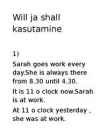
): *Sue travels a lot.Today she is in Madrid.Tomorrow she`ll be in Rome.Next week she`ll be in Tokyo. *You can phone me this evening.I´ll be at home. *Leave the old bread in the garden.The birds will eat it. *We´ll probably go out this evening. *Will you be at home this evening? *I won`t be here tomorrow.(=I will not be here) *Don`t drink coffee before you go to bed.You won`t sleep. We often say I think... will...: *I think Diana will pass the exam. *I don`t think it will rain this afternoon. *Do you think the exam will be difficult? 3. SHALL You can say I shall (=I will) and we Shall (=we will): *I sahall be late tomorrow. Or I will (I`ll) be late tomorrow. *I think we shall win. Or I think we will (we`ll) win.
5) Do you fancy going to a football match? 6) Parents should pass on their experience to the next generation. 7) Mary decided to challange herself and take part in the swimming competition. 2. ÜLESANNE ( sample answers ) 1) Would you like to go swimming tonight? Yes, i'd love to. What time shall we go? 2) Do you fancy going to the theatre on Saturday? Sorry, I'm afraid i can't. I'm looking after my little sister. 3) Do you want to play basketball this afternoon? Thanks for asking me, but I'm studying for my history test. 3. ÜLESANNE 1) Tina and Ann do aerobics, but James doesn't. 2) None of them has/ have won an award. 3) All of them can speak a foreign language. 4) Ann went canoeing last year, but Tina and James didn't. 5) They are all intrested in helping the community. 6) Tina and James have been to a sports camp, but Ann hasn't. 7) James goes hiking every summer, but Tina and Ann don't. 4. ÜLESANNE
flowers if invited to someone's home, but gift giving is not very common in bussiness. They avoid littering and when approaching a queue, they go to the end and wait their turn. Australians shake hands when meeting and when leaving and some women may greet each other wit a kiss on the cheek. Opinions are respected in Australia. Australians are active listeners and if they can't catch something they will ask. They love talking about sightseeing and sports. Australians love tea and they drink afternoon tea at 4pm and evening tea at 6- 8pm. The main things to consider while going to australia are that there is very warm and they are very friendly and open to conversations. Australian population is located in a few major urban centres.
For breakfast English people mostly have porridge or cornflakes with milk or cream and sugar, bacon and eggs, marmalade with buttered toast and tea or coffee. For a change they can have a boiled egg, cold ham, or fish. English people generally have lunch about one o'clock. At lunch time in a London restaurant one usually finds a mutton chop, or steak and chips, or cold meat or fish with potatoes and salad, then a pudding or fruit to follow. Afternoon tea can hardly be called a meal. It is a substantial meal only in welltodo families. It is between five and six o'clock. It is rather a sociable sort of thing, as friends often come in then for a chat while they have their cup of tea, cake or biscuit. In some houses dinner is the biggest meal of the day. But in great many English homes, the midday meal is the chief one of the day, and in the evening there is usually a much simpler supper
Jun 2006 Babysitter- Clearwater family with three children in the UK Jun 2006- Oct 2009 ·Babysat children in different ages and nationalities ·Took the children to kindergarten/to school in the mornings and ·brought them back home in the afternoon and helped them ·with their studies and homework. ·Cooked lunch for the children and sometimes when I worked ·overtime in the evenings I cooked dinner as well ·Washed the dishes and cleaned up after the children Education: Training course of babysitters- The Nanny 911 Center Mar 2010- Apr 2010 ·Shared my experience with other babysitters all over the world
Othe plural nationalities are used with or without ''the'' (the Australians or Australians) · titles (the King, the Professor but: King Philip III) · adjectives used as plural nouns (the rich, the poor) and the superlative degree of adjectives/adverbs (the most successful) · historiacl references/events (the French revolution but: World War II) · only, last, first (used as adjectives) e.g. He was the last person to leave. · morning, afternoon, evening, night holiday (in the morning but: at night, at noon, ad midnight, by day/night, at 5 o'clock, on holiday etc) THE IS OMITTED BEFORE: · proper nouns e.g. Mary is my best friend · names of sports (polo) · games (chess) · activities (horse) · days (Monday) · months (July) · holidays (Christmas) · colours (red) · drinks (Coke) · meals (lunch) · names of counties (Spain: the Nederlands, the Vatican) · cities (Paris but: the Hague)
This is the time when the bus will leave to Hiiumaa. At 5 o´clock I´m at home. After that I eat and talk a little with my parents and sister. I think that about at 8 o´clock I hang outside with my friends. We are usually just walking and talking about our weekends. Sometimes,later at that night, we go to some party. There are many people and usually we are talking, dancing and laughing. About at 03.00 I´m always at home sleeping. It´s Saturday morning, or should I say afternoon. Usually I wake around 12.00 . Then I will eat ``breakfast`` and watch TV. At Saturday I like to be at home. I just rest and chat in computer and talk with my parents. At 5 o´clock we go to my granny´s house. I love to be there. She makes so good pancakes with apple-jelly. Also her house is very homely and cosy. Sometimes we stay there for night to, but not often. If we don´t be there for night we will go back home. Then I will go out with my friends agen
peninsula and southern coast of Alaska. However, due to the influence of the Atlantic Ocean and Gulf Stream, the weather in Estonia is considerably milder than the continental climate characteristic of the same latitude. The temperature in the summer months (June September) is typically 15ºC...18ºC and in winter 4ºC...5ºC. Estonian weather offers many surprises. Temperatures may fluctuate by 20ºC. In the early morning the thermometer might read 12ºC and by afternoon it may already be 10ºC. Although it doestn't always snow in winter, there tends to be about 10cm of snow on the ground consistently from late December through to the beginning of March. Often, at the end of October till the end of November, when it is quite cold there already, it hails. Hailstones are almost as big as pin's head. It very often sleets in winter because of too warm temperature. Snow melts before it reaches the ground. Sometimes, in the middle of
TV has a big influence amongst younger people, because sometimes they intend to listen more to strangers than their parents, siblings or teachers. Television shows very big variety of different newscasts, reality shows and documentaries, which all can be a big impact of their lives. Children who consistently spend more than 4 hours per day watching TV are more likely to be overweight. They usually tend to grab a snack while watching TV or even eat their supper or afternoon snack in front of a TV. Of course, television can be educational and teach children something, such as self- defense whilst also teaching them fighting. Nevertheless, kids who view violent acts are more likely to show aggressive behavior but also fear that the world is scary and that something bad will happen to them. TV characters often depict risky behaviors, such as smoking and drinking, and also reinforce gender-role and racial stereotypes.
) so as to + infinitive et (She attended a catering course so as to become a chef.) So that + can/ will (present/ future references) (Tommy has moved to the countryside so that he can have more relaxed life.) So that + could/ would (past references) (Sophia bought a sailing boat so that she could sail around the world.) In case + present tense (present/ future references) (Bring an umbrella in case there is a storm in the afternoon.) NEVER USED WITH WILL/WOULD In case + past tense (past references) (We booked a table for six in case Peter brought his wife with him.) NEVER USED WITH WILL/WOULD For + noun (to talk about the purpose sb has when doing sth) (He came around for a cup of tea.) For + -ing (to express the purpose of sth or its function) (She uses a blender for making juice.) With a view to + -ing eesmärgil, otstarbel, midagi silmas pidades
English cuisine is formed by country’s history, its temperate climate and geography. The food of England has historically been characterised by its simplicity of approach and a reliance on the high quality of natural produce. The traditional English breakfast is a hot cooked meal of bacon, eggs, sausages, fried bread, mushrooms and baked beans. Now-a-days a typical English breakfast is more likely a bowl of cereals, a slice of toast, orange juice and a cup of coffee. They have Afternoon Tea (the traditional 4 o’clock tea). This is a small meal, not a drink. Traditionally it consists of tea (or coffee) served with either of the following: freshly baked scones served with cream and jam (known as a cream tea), afternoon tea sandwiches - thinly sliced cucumber sandwiches with the crusts cut off, and assorted pastries. However it’s not common nowadays because most of the people have to work at that time. There is also High Tea (the traditional 6 o’clock tea)
We live in a cruel world where people only think about themselves. There are extremely few people who care about homeless people even though homelessness has greatly increased over the past decade. But why is that so? Are they worse than us? As Mike Yakonski once said: “Sometimes it's easy to walk by because we know we can't change someone's whole life in a single afternoon. But what we fail to realize it that simple kindness can go a long way toward encouraging someone who is stuck in a desolate place.” I can relate to that fairly well because everyday i see homeless people and it makes me extremely sad. When i got a spare change with me i always give it to the ones that need it the most, because i think it is the only thing at the moment that i can do for homeless people. The reasons people lose their home are mostly addictions,
I read it in English because it isn't released in Estonian yet. Eclipse opens with Bella Swan and her boyfriend Edward reunited after their tortuous parting in New Moon. Bella's eventual transformation into a bloodsucking immortal is now guaranteed, yet all is not well in the drizzly town of Forks, Washington. Now Charlie - Bella's dad - hates Edward little bit because of all pain what he had brought to Bella. Bella is grounded too now and Edward only can visit her afternoon until 9 PM. But anyway Edward climbs to Bella's room after Charlie's fallen asleep. Charlie want that Bella communicates with other friends too because most of tome she spend with Edward. Jacob - her best friend who is werewolf - still ignores Bella and it makes so much suffering to her. At last he sends to Bella a letter and writes that he actually miss Bella so much. Bella wants to meet with him but Edward thinks it unacceptable because Bella could be in danger in La Push
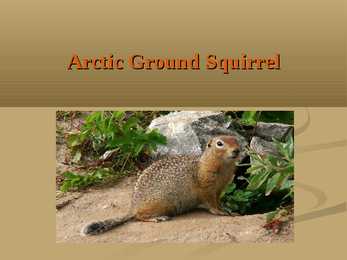
and their eyes open after about twenty days. The babies will begin to leave the burrow after their eyes open. The babies are fully weaned by September and leave their mother to find or make a burrow of their own. Behaviour Live in colonies of hundreds of squirrels. The colony has couple of dominant males that control the territory. Arctic ground squirrels are usually active between four in the afternoon and nine or ten at night. On rainy and cloudy days, they will stay in their burrows. Colony is made up of burrows that are dug about three feet under the ground. The burrows are connected with a series of tunnels. Arctic ground squirrels are very vocal. They are called "sik-sik" by the Inupiat Eskimos in Alaska because of the sounds they make. Threats Unsustainable hunting for skins for local trade.
The sceptre was made in 1494 and was presented to King James IV by Pope Alexander VI Honours of Scotland Language Have spoken Pictish, Scottish Gaelic similar Norse, Norman- to Irish, it is French and Brythonic recognised as an Scottish English since official language of 1603 Scotland Scots Language- Inglis Feasgar math- Good afternoon Dè an t-ainm a tha ort? - What is your name? Religion Christianity, in 2001 65% of the Scottish population was Christian The Kirk- national church 15,000 Baptists, Episcopalians and conservative Presbyterians. Geography Scotland occupies the northern third of the island of Great Britain. Bounded by England and water.
Good afternoon ladies and gentlemen. My name is Timo Kask and i’m going to give you an overview of apple inc. I’ve divided my talk into ??? parts. In the first part im going to talk about their history secondly i’ll talk about companys profile. finally i’ll talk about their subsidiaries, revenue and so on. My talk will take about five minutes and if u have any questions leave them to the end of my presentation. INTRODUCTIONApple Inc. is an American multinational corporation headquartered in Cupertino, California, that designs, develops, and sells consumer electronics, computer software, online services, and personal computers. Apple was one of several highly successful companies founded in the 1970s Its best-known hardware products are the Mac line of computers, the iPod media player, the iPhone smartphone, and the iPad tablet computer. Its online services include iCloud, the iTunes Store, and the App Store. HISTORYApple's consumer so...
 annaabi.ee