 50 punkti
Autor soovib selle materjali allalaadimise eest saada 50 punkti.
50 punkti
Autor soovib selle materjali allalaadimise eest saada 50 punkti.
 ~ 15 lehte
Lehekülgede arv dokumendis
~ 15 lehte
Lehekülgede arv dokumendis
 2014-02-06
Kuupäev, millal dokument üles laeti
2014-02-06
Kuupäev, millal dokument üles laeti
 2 laadimist
Kokku alla laetud
2 laadimist
Kokku alla laetud
 0 arvamust
Teiste kasutajate poolt lisatud kommentaarid
0 arvamust
Teiste kasutajate poolt lisatud kommentaarid
 A C
Õppematerjali autor
A C
Õppematerjali autor
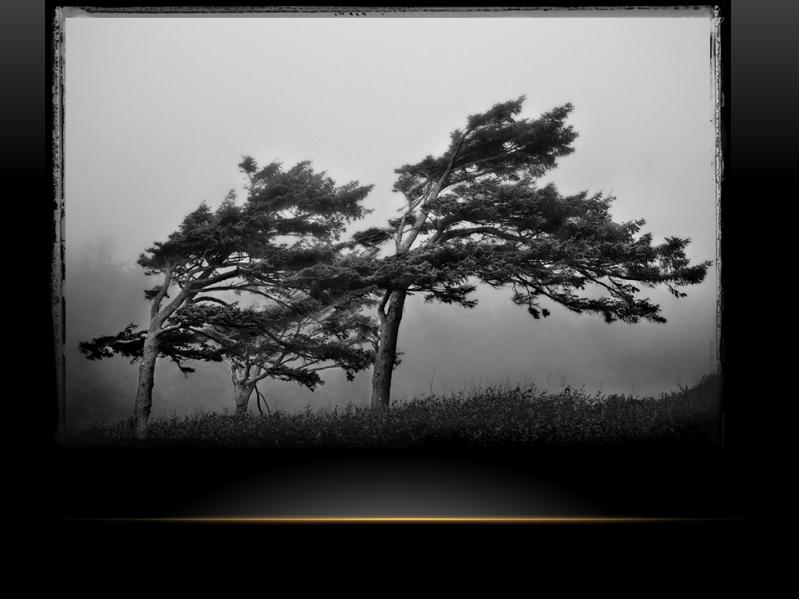
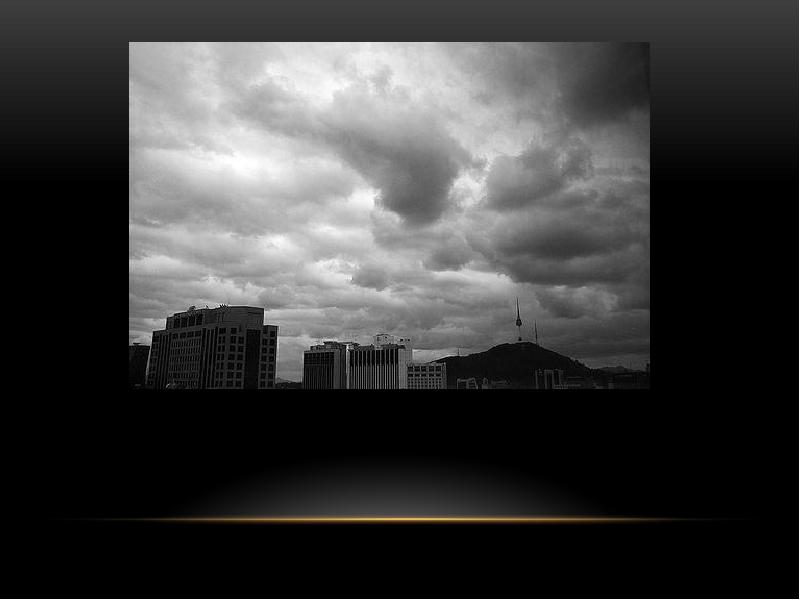
Weather and Nature in Estonia. I want to tell about Estonian weather.Estonian weather is very different.It can be in winter ime around 30C and half a year later there will be +30C. Best time, of course, is July.Then is a quite warm.Temperature is about +25C.But in fact, there is no summer at all.This is because Estonia is rather wet,windy,rainy and cloudy country. Spring is usual, rather cold, but sun is already shines.On March and April can happen that during ay there is
Quick-Developing, Cup-Shaped Flowers Soil Not Needed for Growth Polar Desert- Plants that grow in the Arctic regions must be very hardy and adapted to the extreme winter cold of these environments. Polar desert plants have a summertime growing season, but in the Arctic and Antarctic that season is short---often wildflowers and the other plants that manage to survive here are active only from June to July Alphine biome- Because of the blustery weather, most plants are small groundcover plants, which grow and reproduce slowly. They protect themselves from the cold and wind by hugging close to the ground. When plants die the cold weather makes it hard for them to decompose quickly. This makes for poor soil conditions. Most alpine plants are adapted to grow in sandy and rocky soil. Plants have also adapted to the dry conditions of the alpine biome. Some 5. How are animals adaapted to life in the biome ?
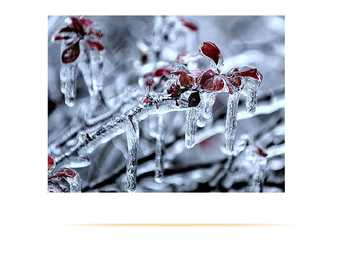
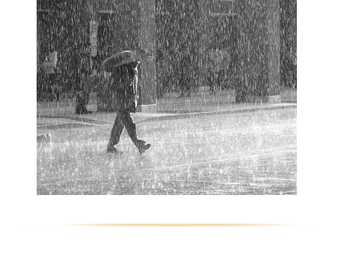
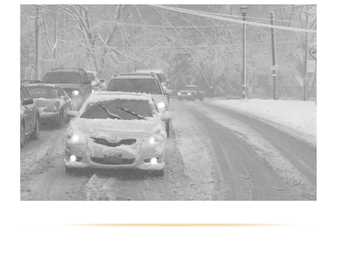
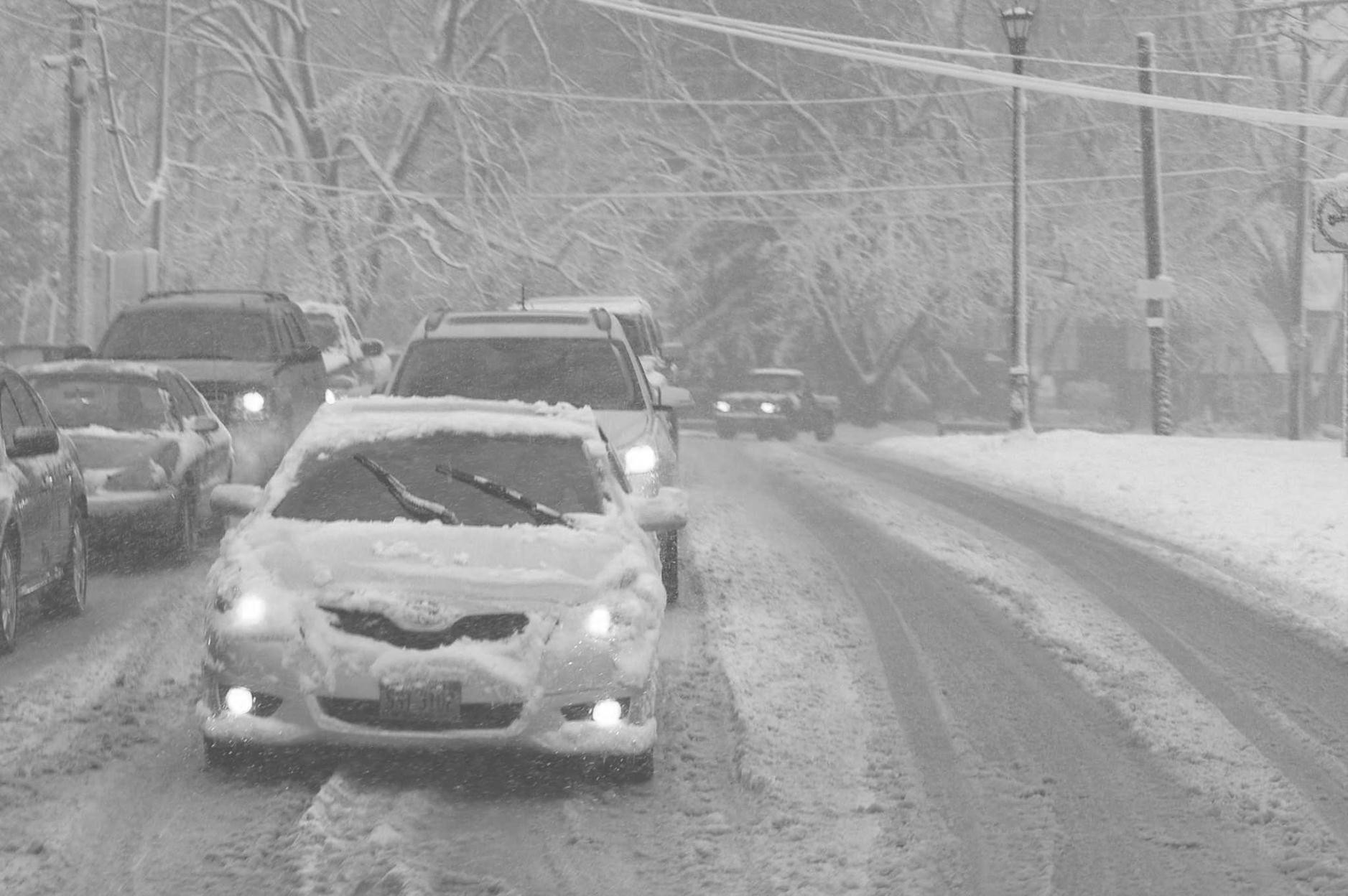
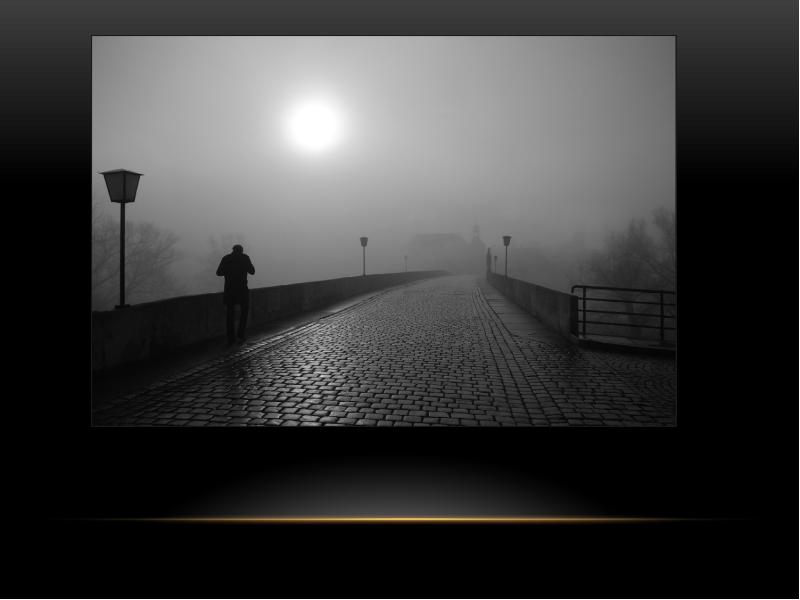
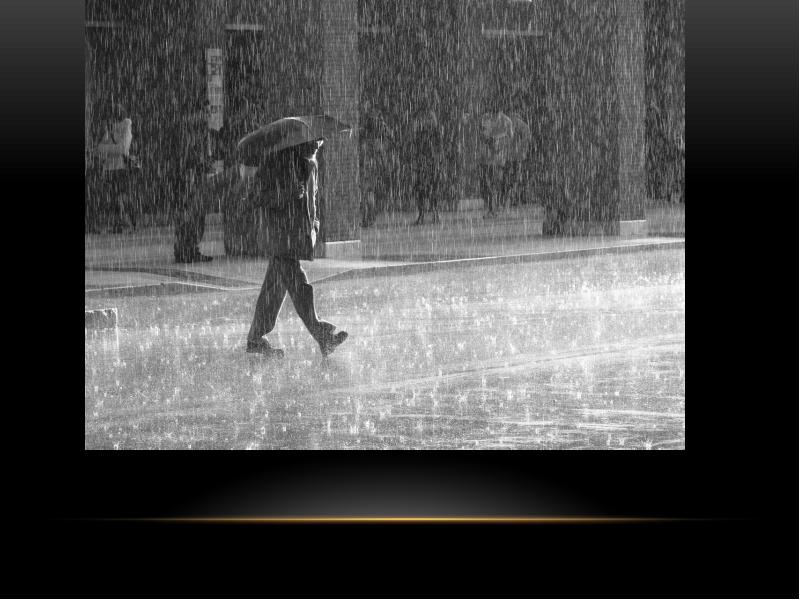
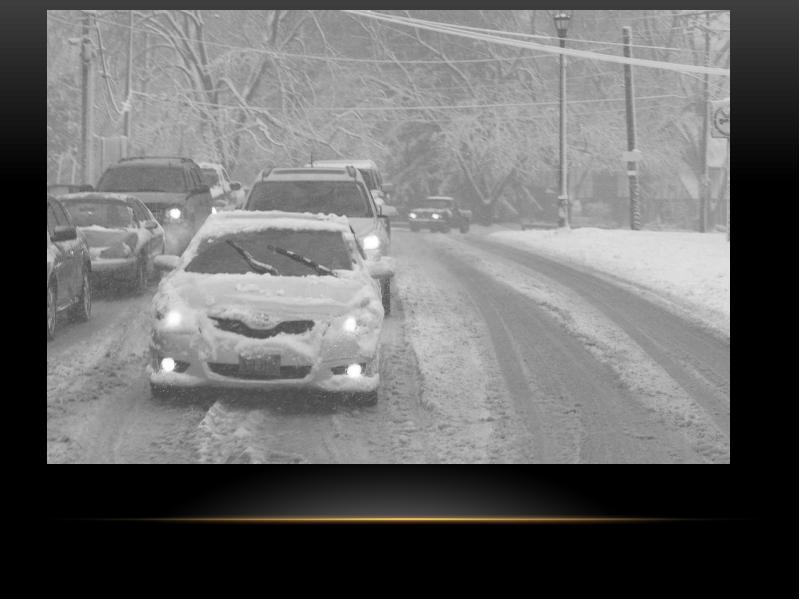
2. Järsk paduvihm-sudden downpour 3. Jääkülm päev- freezing cold day 4. Valge särav härmatis- white glittering frost 5. Ala oli rängalt üle ujutatud- area was badly flooded 6. Lumi hakkas sulama ja tänavad muutusid väga libedaks- the snow started to melt and streets became very slippery 7. Paks udu- thick fog 8. Ilmateade ennustab tormiseid päevi-weather forecast predict stormy days 9. Ta töö sõltub ilmast- his work depends on the weather 10. Ilm on ettearvamatu- weather is unpredictable 11. Temperatuur kukub alla nulli- temperature falls beyond zero 12. Inimesed valmistavad end ette hirmsaks ilmaks-people prepare themselves for bad weather 13. Talverehve kasutatakse harva- winter tyres are seldom used 14. Veekindlad joped ja vihmavarjud- waterproof coats and umbrellas 15. Keskmine aasta temperatuur- Annual tempearature over the year 16. Ilma väljavaade- weather outlook 17. Auto klaasipühkijad- car windscreen wipers 18. Lumesahk- snowplough 19
-40° C, and in the summer it can be as high 20° C. There are two real seasons: a growing season and a dormant season. The growing season is when there is no frost and plants can grow (which lasts from 100 to 175 days). During the dormant (not growing) season nothing can grow because it's too cold. Taiga- Long, cold winters, and short, mild, wet summers are typical of this region. In the winter, chilly winds from the arctic cause bitterly cold weather in the taiga. The length of day also varies with the seasons in the taiga. Winter days are short, while summer days are long. The average temperature is below freezing for six months out of the year. The winter temperature range is -50 to -1° C The high in summer can be 20° C. The summers are mostly warm, rainy and humid. They are also very short with about 50 to 100 frost free days. The total precipitation in a year is 300 - 850 mm 4. Connect the climate diagram and biome.
English textbook fot form 10. Part 2 Unit 1 exercise 7 1. Under the weather A know nothing at all about EE something 2. GG Like lightning B putting money aside for possible bad times FF 3. nice weather for ducks C something good always comes from some- thing bad DD 4. a face like thunder D looking very angry 5. AA don't have the foggiest idea E feeling unwell 6. CC every cloud has a silver lining F rainy and wet 7. BB saving for a rainy day G very fast 8
Education in Ireland is free at all levels, including college. The construction sector, which is inherently cyclical in nature, now accounts for a significant component of Ireland's GDP. ( ehitus/tõõstus sektor, mis on loomupäraselt tsükliline , mängib nüüd iirimaa GDP's märkimisväärset rolli - GDP =SKT ) In 2005, Ireland was ranked the best place to live in the world, according to a quality of life assessment ( hindamine ) by Economist magazine. The weather Irish think there are 4 kinds of weather , rainy spring , rainy summer , rainy autumn and rainy winter and only the lastone is a bit diffrent from others , its more like sleet ( lõrts) The typical Irish weather is few minutes rain , few minutes sunny then again some rain and sun will shine for a bit more again. Energy The vast majority ( enamus ) of Irish energy needs are met by fossil fuels. About 98% of Ireland's final
Ripen / 'rapn / küpsema Prevailing / pr'vel / üldlevinud, ülekaalus olev Dampness / 'dæmpns / niiskus, rõskus Precipitation / prsp'ten / sademed Distribute / d'strbju:t / levitama, jagama The climate is mild and temperate and has an influence on everything. It is influenced by the surrounding seas. The climate is the primary talk subject. In winter there is an average of only an hour or two of sunshine a day. The Weather Wintry / 'wntr / talvine, jäine Set in / set n / algama, võimust võtma Spell / spel / hoog Localised / 'lklazd / paigutama, lokaliseeruma They say that you can experience four seasons in the course of one day. English wisely comment current weather, not the entire day. The weather is always unpredictable. Questions 1) British Isles is the geographical name of islands that consist of Great Britain, Ireland and many small islands
(that) he was tired. cold. Reporting special questions Direct Speech Indirect Speech "What did you do Tell me what you had yesterday?" done yesterday. "When will you come Tell me when you would home?" come home. "Who won the game?" Tell me who had won the game. Read the sentences and write them in the indirect form. 1. Nancy asked her mother, "What is the weather going to be, rainy or sunny?" 2. The teacher asked her class, "Who will take part in the competition?". 3. Mary asked her friend, "What did you do during your winter holidays?". 4. Lucy asked her new friend, "When were you born?" 5. The tourist asked a policeman, "How can I get to the centre of the city?" 6. Wife asked her husband, "When will you come home from work?" 7. The mother asked her children, "Who will help me to lay the table?" Reporting general questions
 annaabi.ee














Kõik kommentaarid