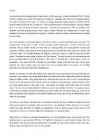
Tundra comes from the Finnish word tunturi, meaning treeless plain. It is noted for its frost-moulded landscapes, extremely low temperatures, little precipitation, poor nutrients, and short growing seasons. Dead organic material functions as a nutrient pool. The two major nutrients are nitrogen and phosphorus. Nitrogen is created by biological fixation, and phosphorus is created by precipitation. The most distinctive characteristic of tundra soil is its permafrost, a permanently frozen layer of ground. The average winter temperature is -28°C, but the average summer temperature is 3-16°C. During the brief summers, the top section of the soil may thaw out allowing plants and microorganisms to grow and reproduce. However, these plants and microorganisms become dormant during the cold winter months. Soil is formed slowly. The constant freezing and thawing in the tundra helps to break the rocks into smaller pieces
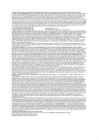
Temperate Grasslands: Calcification is the dominant soil-forming process in semiarid regions. When this process works on a loess that itself is rich in calcium, the world's most fertile soils are created, the chernozems (A Russian term meaning black soil). Taiga: The low temperatures inhibit bacterial and fungal action, so the decomposition rate is low and the leaf litter relatively deep.The soil in the taiga is thin, acidic and not very nutrient rich. It also is rocky. 6. What is permafrost? In geology, permafrost, cryotic soil or permafrost soil is soil at or below the freezing point of water (0 °C or 32 °F) for two or more years. Ice is not always present, as may be in the case of nonporous bedrock, but it frequently occurs and it may be in amounts exceeding the potential hydraulic saturation of the ground material. 7. What is gully? A gully is a landform created by running water, eroding sharply into soil, typically on a hillside. Gullies resemble large ditches or small
The poor living conditions of developing countries drive people to search food somewhere else. In addition to natural ways, humankind helps along to the process of desertification that eventually leads to global warming. The main reasons are the fast growth of the population and it's consequences too intensive animal raising and the arable lands that are made too fast for the nature to adjust. As I said before desertification eventually leads to global warming. Glaciers and permafrost have decreased dramatically on both side of hemisphere. In the future in the South-Europe the temperature in summers may rise so high that people will have to find temporary refuges in the mountains. I've thought about what should be done and I honestly don't know what to do to make the message clear to everybody, to people who actually have the power to make a difference. It comes to my mind that a difference can be made all together.
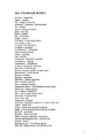
lack puudus layer kith, paigaldaja lizard sisalik logger parvepoiss, palgiparvetaja lose heart põnnama lööma, heituma lyric(s) laulusõna(d) mahogany mahagon mammal imetaja mend hooldama, parandama, paikama nuclear tuuma- objection vastuväide off limits üle piiri olema offshore avamere- ; tootmist arengumaadesse viima ozone layer osoonikiht pedestrian jalakäija percentage osakaal, protsent perch õrrel istuma, (otsa) istuma permafrost igikelts pied laiguline poisonous mürgine pole poolus, post, mast power energiaga varustama pump pumpama push tõuge quotation tsitaat, hinnapakkumine radiation radiatsioon rare haruldane recycle korduvkasutama, taastöötlema reindeer põhjapõder (Rangifer tarandus), põhjapõdrad rely on toetuma, lootma renewable taastuv, uuendatav, pikendatav reserve broneerima, reserveerima resource ressurss, vahend rhetorical retooriline, ilukõneline
Nature. Canada's land ranges from fertile agricultural plains in the south to freezing tundra in the north. The southwest of Canada has a mild climate. Cold winters characterize most of the rest of Canada. The magnetic North Pole is within Nunavut. There are five biomes in Canada: the Arctic Biome, the Tundra, the Taiga Biome, the Prairies and the Deciduous Forests. The Arctic biome is cold, windy and the land is permafrost. There are long periods of darkness and light. The growing season is very short. Some typical animals are Arctic foxes, ermines, polar bears, Arctic terns, walruses and seals. The Tundra is located near the Arctic region. It is cold and windy as well. The land is permafrost and desert-like. The growing season is 50-60 days and that's why there are plants like mosses and lichens. Typical animals are musk oxen, elks, moose, lemmings, wolves and foxes.
Canada's North includes the Yukon Territory and the Northwest Territories along with all of Canada's Arctic islands. To most canadians this region is quite remote since 75 % of the population lives within 300 km of the US border. The North is home to over 85 000 people, and a great variety of wildlife. It's so cold that the earth is frozen for most of the year and never thaws more than a metre from the surface. This permanently frozen layer of earth is called permafrost. Canada's two million lakes cover about 7,6 % of Canada's land. Canada has very famous lakes called the Great Lakes which includes seven lakes: Lake Huron (which is also the biggest lake of Canada), Lake Great Bear, Lake Superior, Lake Great Slave (also the deepest lake, with a depth of 614 m), Lake Winnipeg, Lake Erie and Lake Ontario. They are also the biggest lakes in Canada. The longest river in Canada is the Mackenzie River, which is 4241 km long
This is also true for people who have lived on mountains for a long time, like the Indians of the Andes Mountains in South America and the Sherpas of the Himalayas in Asia. 6. What animals live in Arctic and Antarctica. Arctic-reindeer, polar bear, Arctic fox, narwhal, walrus, seal, ox, moose, orca, and snowy owl Antarctica- blue whale, emperor penguin, weddell seal, octopus, sea star 7. Why is tundra so wet? The warmer weather in summers causes a layer of permafrost, ice that never goes away in the ground, to melt, creating bogs and shallow lakes that don't drain. 8. What is snowline? A snow line is the point above which snow and ice cover the ground throughout the year. The actual snow line may seasonally be significantly lower. 9. What is treeline (timberline)? The treeline is the zone where conditions become too harsh to support growth as large as trees. When viewing a mountain from the side, this line is visible as the place where forests stop and
Because of the fast growing population in the world the competition for water is bigger every day and more than 3.4 million people die each year from a water related diseases, that is almost the entire city of Los Angeles. Though you may think that water is very common on our planet, but most of it is circulating in oceans and due the high salinity, it can’t be used to satisfy people’s needs. Clean water is only 3% of the World’s whole water supply and even though most of it is in permafrost. Water cleaning is expensive and indicative. That is why we need to use water sparingly. You don’t have to do much to use water sparingly. Just don’t let run the water when you brush your teeth because you may waste about 30 litres of water per day with that, all depending on the time it takes for you. Don’t flush toxic substances down from your sink, because with those in the water system it is harder to get the chemicals out of that water,
Canada's land ranges from fertile agricultural plains in the south to freezing tundras in the north. The southwest of Canada has a mild climate. Cold winters characterize most of the rest of Canada. The magnetic North Pole is within Nunavut. There are five biomes in Canada: the Arctic Biome, the Tundra, the Taiga Biome, the Prairies and the Deciduous Forests. The Arctic biome is cold, windy and the land is permafrost. There are long periods of darkness and light. The growing season is very short. The tundra is located near the Arctic region. It is cold and windy as well. The land is permafrost and desertlike. The growing season is 5060 days and that is why there grow plants such as mosses and lichens. 6. Animals Some typical animals are Arctic foxes, ermines, polar bears, Arctic terns, walruses and seals. Typical tundra animals are musk oxen, elks, moose, lemmings, wolves and foxes
Some of the most common animals to spot in Canada are birds, including Canada Geese, Bald Eagles and the Great Blue Heron. Canada's varied climates allow for a large selection of spiders, bugs and insect while the countless rivers, lakes and 3 oceans are home to dolphins, whales, salmon, sharks and many other species of fish and sealife. There are five major Biomes in Canada: Arctic Biomes, Tundras, Taigas, Praeries and Deciduous Forests. The Tundra is located near the Arctic region. It is permafrost and desert-like. The area is very cold and windy. The growing season is 50-60 days. Some of the plants that can survive there are lichens and mosses. Typical animals for the Tundra are musk oxen, elks, moose, lemmings, wolves and foxes. The Taiga biome, also known as coniferous forests is located south of the Tundra region. Taigas are the largest biomes on Earth and they are a major source of oxygen. The Climate there is cold and harsh. Precipitation is low. The growing season is short.
problems. Scientists estimate that the average air temperature could climb a few degrees Celsius in twenty years. Global warming will affect humans, animals, and even plants. Obviously, our `precious home' is undergoing dramatic alterations in weather patterns, leading to significant changes in the world's physical environment. Sea temperatures and levels are projected to rise due to the melting of the polar ice caps and thawing of permafrost, which represents an insidious threat to coastal communities throughout the world. Several diverse extreme weather events, such as droughts, floods, and hurricanes, are occurring concurrently around the world, giving rise to an unprecedented loss of human life and property. Increases in the frequency and intensity of heat waves and precipitation have also been observed. Consequently, a growing number of exotic animals are now on the verge of extinction. More disappointingly, the above-
Other than the North where it's above freezing for only a few months a year, most Canadian cities are within 300 km of the southern border, where mild springs, hot summers and pleasantly crisp autumns are common during the majority of the year. Climate sculpts the landscape through heat, cold, humidity, light and wind. In Canada, the variety of landscapes shows the diversity of our climate. In the north, low precipitation and cold temperatures favour permafrost and suppress vegetation growth, resulting in treeless tundra. South of the tundra, on the Canadian Shield, summers are short and warm, and winters are long and cold. Annual precipitation is abundant, allowing coniferous forests to establish and grow. On the Pacific coast, the combination of heavy rainfall and mild temperatures year round supports Canada, Kärt Kalvet 8a temperate rain forests. On the Prairies, the large number of days of sunshine affects the
barrelsof chemicalsinto the 2) peri.nane ayerof g r o u n d gi)', th"s" extreme URPRISE nver. permafrost a wide 4) r'arict'r' of VAR Did you hear about the conditions people Environmental Weekend at w j l d l i f e
barrelsof chemicalsinto the 2) peri.nane ayerof g r o u n d gi)', th"s" extreme URPRISE nver. permafrost a wide 4) r'arict'r' of VAR Did you hear about the conditions people Environmental Weekend at w j l d l i f e
barrelsof chemicalsinto the 2) peri.nane ayerof g r o u n d gi)', th"s" extreme URPRISE nver. permafrost a wide 4) r'arict'r' of VAR Did you hear about the conditions people Environmental Weekend at w j l d l i f e
barrelsof chemicalsinto the 2) peri.nane ayerof g r o u n d gi)', th"s" extreme URPRISE nver. permafrost a wide 4) r'arict'r' of VAR Did you hear about the conditions people Environmental Weekend at w j l d l i f e
 annaabi.ee