frith) is an area with a high density of trees. Forests cover approximately 30% of land and 9.4% of all the planet earth. They are also responsible for regulating our planet's climate and act as large purifiers of airs, by absorbing carbon dioxide, and giving out oxygen. Different types of forests Forests are divided into following main types: o Tropical forest o Subtropical forest o Plantations o Boreal forest o Temperate forest o Seasonal or monsoon forest Tropical and Subtropical Forests Tropical and subtropical forests, also known as rainforests or tropical rainforests, are lavish and ample forests with broad leave tree. They are mostly found at lowlands near the equator - Asia, Africa, South & Central America and on many of the Pacific Islands. Almost 50% forests of the world are tropical and subtropical in nature. Rainforests are characterized by high rainfall.
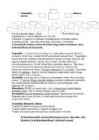
Ilma tunused sademed ; tuulekiirus , rõhkond , tuulesuund Temperatuur õhuniiskus Rõhkkond Tuule suund sademed (Hulk) tuule kiirusuw otsekiirgus mis on nende erinevas .. Hajuskiirgus Coriolisi efekt ehk Coriolisi jõud on "jõud", mis näiliselt mõjub liikuvale kehale pöörlevas taustsüsteemis. Coriolisi jõudu saab selgitada nelja füüsikalise printsiibi kaudu Passaat on püsiv tuul, mis puhub kolmekümnendatelt laiuskraadidelt ekvaatori poole. Mussoon (inglise monsoon) on püsiv ja suure ulatusega tuul, mille suund muutub vastavalt aastaajale. Läänetuuled on püsivad tuuled, mis on ülekaalus parasvöötmes. Nad puhuvad põhja- ja lõunapoolkera troopika piirkondadest, kus kujunebkõrgrõhuala, 60° laiuskraadide suunas, kus kujuneb madalrõhuala. Coriolisi jõu mõjul muutub õhu liikumise suund itta (põhjapoolkeras paremale, lõunapoolkeras vasakule) ja tuulte suund muutub vastavalt edela- ja loodesuunaliseks
Australia Kaspar Rätsep G1A Australian nature · Australian nature is extremely diverse and interesting. It's the driest inhabited continent, only its south-east and south-west corners have a temperate climate. · The climate of Australia is significantly influenced by ocean currents, which is correlated with periodic drought, and produces cyclones in northern Australia. · Much of the northern part of the country has a tropical summer rainfall (monsoon) climate. The southwest corner of the country has a Mediterranean climate. Much of the southeast is temperate. · Climate change has become an increasing concern in Australia in recent years, with many Australians considering protection of the environment to be the most important issue facing the country. Australian nature · Eastern Australia is marked by the Great Dividing Range and it consists of low hills and the highlands are typically no more than 1,600 metres
Kõrgrõhualas valitsevad tavaliselt laskuvad õhuvoolud, mis põhjustavad pilvisuse hajumist. Sage nähtus on külmal poolaastal inversioonikihi tekkimine. Inversiooni korral õhutemperatuur vastupidiselt tavalisele käigule troposfääris kõrgemale tõustes tõuseb. Inversioonikihi alune madal õhuke pilvekiht võib põhjustada pilves taeva püsimist hoolimata kõrgest õhurõhust. Tuulte suund kõrgrõhkkonnas on põhjapoolkeral päripäeva ja lõunapoolkeral vastupäeva. Mussoon (inglise monsoon) on püsiv ja suure ulatusega tuul, mille suund muutub vastavalt aastaajale. Mussoon tekib seepärast, et maismaa ja meri soojenevad erineva kiirusega ning erineval määral. Suvel on maismaa soojem, mistõttu kujunevad seal välja tõusvad õhuvoolud, mis moodustavad püsiva madalrõhkkonna. Seetõttu toimub pidev õhuvool merelt maale, mis toob endaga kaasa ookeanivee aurustumise tõttu suure niiskusesisaldusega õhu, mis põhjustab tugevaid sademeid
66. kohal . Malaisia populatsioon on umbes 28.5 miljonit ja pindala on üle 320,000 km2 , see on võrreldav Saudi-Araabia ja Venezuelaga . Malaisial on jagatud kahele eraldi osale mida eraldab Lõuna-Hiina meri. Kahe eri osa maastik on peamiselt sama . Lääne-ja Ida Malaisia rannikualalon peamiselt tihe metsaga mäed ja künkad ,millest kõrgeim on Mount Kinabalu mis asub Borneo saarel (4095,2m). Kohalik kliima on ekvatoriaalne ja seda iseloomustab edela ja kirde monsoon. Sumatra ja Malaisia ps-i. Vahel asub kõige oluliseim laevaliin mida mööda kaupa trantsporditakse. Ametlik pealinn on Kulala Lumpur, mis on ka suurim linn Malaisias. Osariikide haldusjaotuste pealinn on Putrajaya. Teiste suuremate linnade hulka kuuluvad :George Town, Ipoh, Johor Bahru, Miri, Alor Star, Malaka Linn, Kuantan jne. Loodusvarad Malaisi on hästi varutatud loodusvaraddega selliste valdkondades nagu põllumajandus, metsandus, mineraalained.
18 inches, due to the rain shadow effect whereby mountain ranges prevent moisture from the ocean from reaching the plateaus. Western passes receive small amounts of fresh snow each year but remain traversable all year round. Low temperatures are prevalent throughout these western regions, where bleak desolation is unrelieved by any vegetation beyond the size of low bushes, and where wind sweeps unchecked across vast expanses of arid plain. The Indian monsoon exerts some influence on eastern Tibet. Northern Tibet is subject to high temperatures in the summer and intense cold in the winter. Cultural Tibet consists of several regions. These include Amdo (A mdo) in the northeast, which is under the administration as part of the provinces of Qinghai, Gansu and Sichuan. Kham (Khams) in the southeast, is divided among western Sichuan, northern Yunnan, southern Qinghai and the eastern part of the Tibet Autonomous Region. Ü-Tsang (dBus
Maapinnal kaldub maa pöörlemist tõttu paremale tekitades läänetuule. Paapinnal hõõrdumise tõttu on ülekaalus edelatuuled. Läänetuultega tuleb meile niiske õhuvool sademeid palju, talved pehmed. Läänepool on soojem idapool läheb järjest külmemaks. Selles piirkonnas (60-ndad laiuskraadid) tekivad tõusvad õhuvoolud ( madalrõhuala). Vastastikku likuvad soe ja külm õhumass ei segune ja neid jääb eraldama polaarfront Mussoon e. sessoonsed tuuled monsoon Tekivad suurte mandrite äärealadel. Mussoone põhjustab maailmamere ja maismaa erinev soojenemine ja jahtumine talvel ja suvel Mussoone esineb India Ookeanis ja Ida-Aasia rannikul. Eristatkse troopilisi ja parasvöötme mussoone. Tuntuim mussoonist haaratud piirkond on Lõuna-Aasia. (India, Pakistan Induse ja Gangese jõgi) Maamussoon e. talvine mussoon- talvel, kui maa on külmem kui meri, tekib merele madalrõhkkond ja maale kõrgrõhkkond ja tuuled liiguvad madrilt
It has brought from Asia around 3500 years ago. The dingo is an efficient sheep hunter. To protect sheep the dog fence was built in 1964. Climate Australia is the driest continent in the world except Antarctica. It has very low average rainfalls. About 70 per cent of the country is arid or semiarid and cannot support agriculture. The north part of the countrygets about 300 mm rain a year. Much of the rain soakes into the ground and does not form any rivers or lakes. Monsoon winds bring most air during summer. This is the time of high rainfall. It's known as the wet season. High temperature also means that a lot of moisture evaporates or is used by plants. In the southern two thirds of the country the climate is temperate to cool. Winter temperatures can be lower but not freezing. There are four seasons. The seasons are opposite of our seasons. When we have summer in Australia there is winter.
Australia are short. Murray River is Australia's principal river. The Murray River and its tributaries run approximately 3,370km in length and form most of the border between New South Wales and Victoria. Climate Because of its size, Australia has many climates. The Tropic Capricorn cuts across the northern part of Australia so about 40per cent of the country lies in tropics. In the south, the island state of Tasmania lies in the cool roaring forties. In the north the climate is tropical. Monsoon winds bring moist air from the northwest during summer. This time of high rainfall, between December and March is known as "the wet". In the southern the climate ranges from warm temperate to cool temperate. Winter temperatures can be low but rarely freezing in the southern states. Australia is a land of droughts and floods. The droughts are caused by the EL Nino, a weather pattern which happens when the Southern Pacific Ocean heats up. This causes the wind direction to reserve
Made of coral, it is the world’s largest structure created by living organism. . 4 Climate & Time Zones Australia is the driest continent in the world except Antarctica. It has low average rainfalls. About 70 per cent of the country is arid or semi arid and cannot support agriculture. The north part of the country gets about 300 mm of rain a year. Much of the rain soaks into the ground and does not form any rivers or lakes. Monsoon winds bring moist air during summer. This is the time of high rainfall. It’s known as “the wet “season. High temperature also means hat a lot of moisture evaporates or is used by plants. In the southern two thirds of the country the climate is temperate to cool. Winter temperatures can be low but not freezing. There are four seasons. The seasons are the opposite of our seasons. When we have summer then in Australia is winter. In Australia droughts and floods are pretty usual.
(million (billion Location dryC / m² / tonnes / dryC / (years) km²) tonnes) year) year) m²) Tropical rain forest 17.00 2,200.00 37.40 45.00 765.00 20.50 Tropical monsoon forest 7.50 1,600.00 12.00 35.00 262.50 21.88 Temperate evergreen forest 1,320.00 6.60 35.00 175.00 26.52 Temperate deciduous forest 7.00 1,200.00 8.40 30.00 210.00 25.00 Boreal forest 12.00 800.00 9.60 20.00 240.00 25.00 Mediterranean open forest 2.80 750.00 2.10 18.00 50.40 24.00
 annaabi.ee