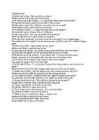
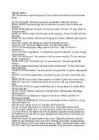
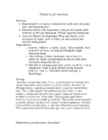
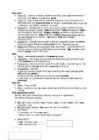
Näitelaused 1.Mother said to Jane, ,,Take care of your money". Mother warned Jane to take care of her money. 2.The teacher said to the students, ,,It's a good idea to learn these rules by heart." The teacher advised the students to learn these rules by heart. 3.Father said to uncle John, ,,Why don't you have your car servied?" Father advised uncle John to have his car servised. 4.Tom asked his teacher, ,,Is it right that water boils at 100 degrees?" Tom asked his teacher if water boils at 100 degrees. 5.Father said to Dan, ,,Don't put your hands in your pockets." Father warned Dan not to put his hands in his pockets. 6.Tim said to his neighbour, ,,I'm sorry for the noise last night.It won't happen again." Tim apologised to his neighbour for the noise previous night.He promised it wouldn't happen again. 7.Mother said to Bob, ,,Open the door for me, please." Mother asked Bob to open the door for her. 8.Ginny said to her friend, ,,You shou...
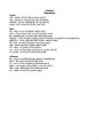
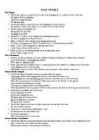
Eessõnad Präpositonen Genitiv statt asemel: statt des Hauses (maja asemel) trotz hoolimata: trotz der Zeit (ajast hoolimata) während jooksul: während der Zeit (aja jooksul) wegen tõttu: wegen des Geldes (raha tõttu) Dativ aus välja: aus der Schublade (sahtlist välja) außer välja arvatud: außer einem Hund (peale koera) bei lähedal/juures: bei ihrer Tante (tema tädi juures) entgegen vastu/vastupidi: entgegen seiner Vorschlag (vastupidiselt tema ettepanekule) gegenüber vastas: gegenüber dem Rathaus (raekoja vastas) mit koos: mit userer Freundin (meie sõbrannaga) nach pärast: nach den Stunden (pärast tunde) seit alates: seit gestern (eilsest alates) von - -st/-lt: von ihrer Reise (oma reisist); von ihm (temalt) zu juurde: zu meinem Freund (sõbra juurde) Akkusativ bis kuni: bis nächsten Montag (järgmise esmaspäevani) durch ...
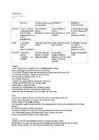
Tenses 27. jaanuar 2012. a. 9:24 SIMPLE CONTINUOUS -ing PERFEFCT PERFECT on alati sees! CONTINUOUS PRESEN I work in school. I am working in I have worked in I have been working T loodusseadused school. school. in school for/since 5 pidev korduv lähituleviku plaanid Surnute kohta EI SAA years. tegevus(hommiku ÖELDA! siiamaani kestab kohvi) aja-graafikud PAST I worked in I was working in the I had worked in school. I had been working. school. school. fakt on tähtis (for since) finito aeg(see et ta aeg on lõpetada ...
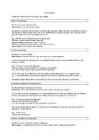
Conditionals Sentences with if are used to express possibilities. 0 Zero conditional If-clause present (past) simple Main clause present (past) simple Sometimes sentences with if express certainty rather than possibility. The zero conditional is used to talk about sth. that is always true (such as a scientific fact), or that was always true in the past. In this type of conditional we can use when instead of if. E.g., If/When you mix blue and red, you get purple. If/When you don't water flowers, they die. (present simple in both parts of the sentence) If/When I asked her to come with us, she always said no. (past simple in both parts of the sentence) 1 First conditional If-clause present simple; Main clause future tense (or: can, must, may, etc., + bare infinitive) Used to talk about the consequences of a possible action (a real or very probable situation in the present or ...
? ? I Käändkond Naissugu: AINSUS MITMUS Meessugu: II Käändkond Meessugu: AINSUS MITMUS Kesksugu: III Käändkond Naissugu: AINSUS MITMUS tähistab Koos tegusõnadega objekti (? ?) (?) > Leena kirjutab kirja Suunda koos liikumisverbide(, , , ) ja eessõnadega (, , ) (?) > Nad läksid staadionile Koos asukohaverbide(, , , ) ja eessõnadega (, )suunda (?) > Pange raamatud kasti Koos eessõnadega (, , , ) aega ( ?) > Neljapäeval on Aljosal palju tu...
NON-Continuous Verbs Verbs It is important to understand that English verbs are divided into three groups: Normal Verbs, NON-Continuous Verbs and Mixed verbs. Today we're going to talk about NON-Continuous verbs. These Verbs are usually things you cannot see somebody doing. Non-Continuos Verbs include: Abstract Verbs. Possession Verbs. Communication Verbs. Sense Verbs. Emotion Verbs. Abstract Verbs examples: Click to edit Master text styles · I now realize that using the Second level internet is more useful. Third level Fourth level He loves her. · Fifth le...
Conditionals: 0 and I What is a conditional sentence? • Conditional sentences have at least two clauses: IF clauses and THEN clauses • Examples: If I go into town tomorrow, then I will see a movie. If he spoke Chinese, then he would work as a guide in China. If they had been faster, then they would have won the race. IF Clauses (the condition) • IF clauses present the condition. • Examples: If I go into town tomorrow… If he spoke Chinese… If they had been faster… THEN Clauses (the results) • THEN clauses present the results. • Examples: … then I will see a movie. …. then he would work as a guide in China. … then they would have won the race. IF and THEN Clauses • The word “then” is optional, but the clause is still the result of the condition. So it is a “THEN” clause, without the word “then.” 0 CONDITIONAL • Situations that are always true if something happens. • Instructions, rules • If I am late, my father t...
Conditionals: II and III II CONDITIONAL • to imagine a different reality • An unreal situation • If I were a parent, I would give candy to my kids every day. • If he won the lottery, he would quit his job. • If I had wings, I would fly to Africa. How to use it? • IF + PAST SIMPLE, + WOULD + VERB • If I were a parent, I would give candy to my kids every day. • If he won the lottery, he would quit his job. • If I had wings, I would fly to Africa. • NB! The verb „be“ is always „were“ with this conditional. • If I were you,... • If he were here,... Wou can also turn it around: The result first and then the condition. • WOULD + VERB+ IF +PAST SIMPLE • Note: There is no comma when the „IF“ is between the two clauses. • I would give candy to my kids every day if I were a parent. • He would quit his job if I won the lottery. • I would fly to Africa if I had wings. III CONDITIONAL • a past regret • different outcome...
K? ? ? kellega? millega? C ? C ? kus? kellega koos? Millega koos? . , , . , , . , , . , , koos/ . taga/ . ees . all/ . kohal/ . vahel/ koos kellegagi/ . ... ..... () ..... ...... () .......... .... () ..... ..... (k) . () . () . () . (k) .... .... (.) .... .... (.) .... .... (.) .... .... (.) .... .... (.) .... .... (.) (.) (.) (.) (.) (.) (.)
ÜHENDVERBID (NB! Ühendverbe on tegelikult väga palju. Siin on toodud vaid mõned valitud näited nende kohta.) BLOW UP (explode): The factory was blown up yesterday. (Tehas lasti eile õhku.) BREAK DOWN (stop functioning): My car broke down yesterday. (Mu auto lakkas eile töötamast.) BREAK IN ON (interrupt): He broke in on my conversation with mom. (Ta segas vahele mu vestlusele emaga.) BRING UP (mention a topic): Jenny brought up that song again. (Jenny võttis jälle selle laulu kõne alla.) BRING UP (raise children): Deborah has to bring up four children. (Deborah'l peab nelja last kasvatama.) CALL OFF (cancel): The meeting was called off. (Koosolek jäeti ära.) CALL ON (visit): The doctor called on Helen. (Arst käis Heleni juures.) CATCH ON (become popular): Meg caught on in her class. (Meg sai oma klassis populaarseks.) CATCH UP WITH (keep abreast): You should catch up with the the class. (Sa peaks klassiga sammu pidama.) CHECK UP ON (ex...
Pr.S. He writes the letters The letters are written (by him) Pr.C. He is writing the letters The letters are being written Pr.P. He has written the letters The letters have been written P.S. He wrote the letters The letters were written (by him) P.C. He was writing the letters The letters were being written P.P. He had written the letters The letters have been written F.S. He will write the letters The letter will be written by him. F.C. He is writing the letters The letters will being written F.P. He will have written the letters The letters will have been written Modal He should write the letters The letters should be written am/is/are + V ed/IIIpp am/is/are + being + pp have/has + been + pp was/were + pp was/were + being + pp had + been + pp will be + pp will + being + pp will have + been + pp modal + be + pp
PAST TENSES Past Simple Used to talk about a completed past action which happened at a completed time in the past. We went to Tallinn yesterday. I saw him a long time ago. We met last week. Used to talk about a series of events that happened one after another. He walked to school, took off his coat, went to class and fell asleep. Used to report what people said. He said that he was tired. He asked to go home. Used after "It's time" (even though we're talking about now) It's time we talked about the past (now). After "I'd rather" (even though we're talking about now) I'd rather you drove (now). (But "I'd rather drive" if talking about yourself) After "I wish" (even though we're talking about now) I wish I had a million dollars (now). After "If only" (even talking though we're talking about now= ...
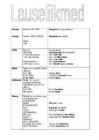
Täisalus Nimetav KES? MIS? Päkapikk otsis õiget aadressi. Osaalus Osastav KEDA? MIDA? Päkapikke pole olemas. Tegija Olija Öeldis Lihtverb Juku on ulakas. Ühendverb Kirjutame üles kõik ülesanded! võima/tulema/saama Juku võib tulla! - DA (tegevusnimi) Juku, sul tuleb minna! Juku ei saa tulla! hakkama/pidama Juku peab minema! - MA (tegevusnimi) Juku hakkab lõpuks minema! Sihitis Tegevus on suunatud/sihitud sihitisele. Kes? Mis? Sulgege aken! Kelle? Mille? Lahendasin ülesande kiiresti.. Keda? Mida? Ootasin sõpra. Öeldistäide Näitab, kes, mis või mis...
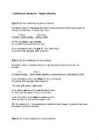
Conditional sentences tingiv kõneviis Type 0 (the zero conditional, the present condition) Kasutatakse selleks, et väljendada üldist tõde või teaduslikku fakti. Nende lausete puhul on võimalik kasutada sõna 'if' asemel sõna 'when.' If-clause main clause If /When + present simple, present simple If/ When you drop an egg, it breaks. Kui sa pillad muna maha, läheb see katki. If my sister eats too much, she gets fat. (See juhtub alati.) Kui mu õde sööb liiga palju, läheb ta paksuks. Type 1 (the first conditional, the will-condition) Kasutatakse selleks, et rääkida tõelisest või väga tõenäolisest olukorrast olevikus või tulevikus. If-cl main cl If + present simple, future simple, imperative, can/must/may etc + bare infinitive (verb) If my sister eats too much, she will get fat. (See on võimalik). Kui mu õde sööb liiga palju, läheb ta paksuks. · If + eitav verb / unless + jaa...
Mäeküla piimamees Teemad: Ebamoraalne ühiskond (naised olid veidi alamseisuses ehk neid kasutati ära). Rikastumiskire võit südametunnistuse üle (tuleb esile Kremeri ja Prillupi lepingust, Prillupi soovist rikastuda). Soovide täitumise tragöödia (Tõnu sai lõpuks oma soovitud piimaäri, kuid mõistis, et see polnud see milleks seda pidas). Tegelaskond: 1. Kremer- Mõisnik, eraklik, üksik. Talle meeldis Mari. Kremeril oli soov vanade privileegide külge klammerduda. 2. Tõnu Prillup- Lihtne talumees, kelle elus on esikohal materiaalsed asjad ja kes ei oska oma tunnetes selgusele jõuda. 3. Mari-Elava fantaasiaga noor naine, ta oli kinnine ja isepärane. Maei ei ava teistele enda tegude motiive. (Sai 21, hõredate hammastega ja lõualotiga). Tehing: Kremer tunneb Mari järgi himu, kuid talutüdruk lihtsalt ä...
Kõneviisid: · Kindel KV tegevus on reaalne, toimub/toimus tõesti, tunnust pole (umbisikuline kse olevik). Ema ütles, et vend on trenni läinud. · Tingiv KV tegevus pole reaalne, vaid teatud tingimustel toimuv, katsetatav, käsu pehmendamiseks (kas komposteeriksite mu talongi?), tunnusel kaks kuju: -ks, ja ksi puhkaksin = ma puhkaks; vaataksid = sa vaataks · Käskiv KV väljendab käsku otsest (ains.ja mitm 2.pööre) v kaudset, 3. Isikule suunatut (ains ja mitm. 3.pööre): Täida ül korralikult. Täitke ül korralikult!, Täitku nad ül korralikult. Pidulik stiil Mingem, Astugem (neutraalses stiilis kasut selle asemel kindlat kõneviisi lähme kõik koos, astume!) Tunnusel on 5 kuju: -ge, -ke, -gu, -ku, 0-variant (ains.2 pöördes Õpi rohkem! Mine metsa! Kuula tähelepanelikult!). · Kaudne KV väljendab kaudset väidet, st kelleltki kolmandalt kuuldut: Jüri sõitvat Jaapanisse õppi...
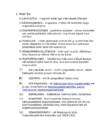
1. MÕISTED 1) JUHIKULTUS – riigijuhti tuleb igal võimalusel ülistada 2) KÄSUMAJANDUS – majandus, milles riik kontollib kogu majandussüsteemi 3) ÜHEPARTEISÜSTEEM – poliitiline süsteem, milles kontrollib üks partei poliitilist võimutäiust ning omab õigust luua valitsus. 4) TSENSUUR – riiklik järelvalve raamatute ja ajalehtede üle; ükski väljaanne ei või trükki minna enne kui vastavad ametnikud pole seda üle vaadanud 5) MAAILMAREOVOLUTSIOON – ülemaailma pidi töölisklass üles tõusma ja võtma võimu enda kätte 6) MUSTSÄRKLASED – fašistlid kes hakkasid kõikjal Itaalias relvastatud salke looma ning oma tunnusena kandsid musta särki 7) PRUUNSÄRKLASED – Hitleri julgeoleku üksus, Hitleri toetajad(kandsid pruuni rõivastust) 8) GESTAPO – riiklik salapolitsei Saksamaal 9) HITLERJUGEND - oli Saksamaal teise maailmasõja eel ja ajal eksisteerinud Natsionaalsotsialistliku ...
 annaabi.ee