 50 punkti
Autor soovib selle materjali allalaadimise eest saada 50 punkti.
50 punkti
Autor soovib selle materjali allalaadimise eest saada 50 punkti.
 ~ 9 lehte
Lehekülgede arv dokumendis
~ 9 lehte
Lehekülgede arv dokumendis
 2014-02-10
Kuupäev, millal dokument üles laeti
2014-02-10
Kuupäev, millal dokument üles laeti
 1 laadimist
Kokku alla laetud
1 laadimist
Kokku alla laetud
 0 arvamust
Teiste kasutajate poolt lisatud kommentaarid
0 arvamust
Teiste kasutajate poolt lisatud kommentaarid
 Joonas Kikerpill
Õppematerjali autor
Joonas Kikerpill
Õppematerjali autor
Just as July becomes August, the seaside town of Haapsalu will host a grand spectacle of rural Estonian entertainment. The White Lady Days is a summer celebration filled with amusement for all the family. Held in and around the remains of the Teutonic-knights-era castles, the fair combines enchanting medieval legends with modern countryside charm to create a comprehensive experience of Estonia beyond the big cities. But the legend of the White Lady of Haapsalu, which is at the heart of the festival, is perhaps the most famous tall tale of the many that are so abundant in Estonia's folklore. It is the story of a poor girl who falls in love with the son of the village elder, and disguises herself as a choirboy in order to sneak into the castle. But, alas, the lord of the manor's son discovers the deception. He is overcome by jealous rage and orders his men to seal the girl inside the thick stone walls while still alive. Turned into an incarnation
remarkable. The report is followed by a brief discussion "Some historical and colorful customs belong essentially to a particular town or community because they sprang, originally, from some part of the local history, or from some deep-seated local tradition. No doubt, such customs, along with various religious customs and traditions, attached to certain calendar dated, constitute the soul of British social culture and are of great interest for a researcher. At Lichfield, a festival commonly called the Greenhill Bower and Court of Array takes place annually in late May or June. This is really two customs, of which the first the Bower is said to run back to the time of King Oswy of Northumbria, who founded Lichfield in A.D. 656. In the Middle Ages, the city guilds used to meet at Greenhill, carrying flower garlands and emblems of their trades. Now the Bower ceremonies have become a sort of carnival,
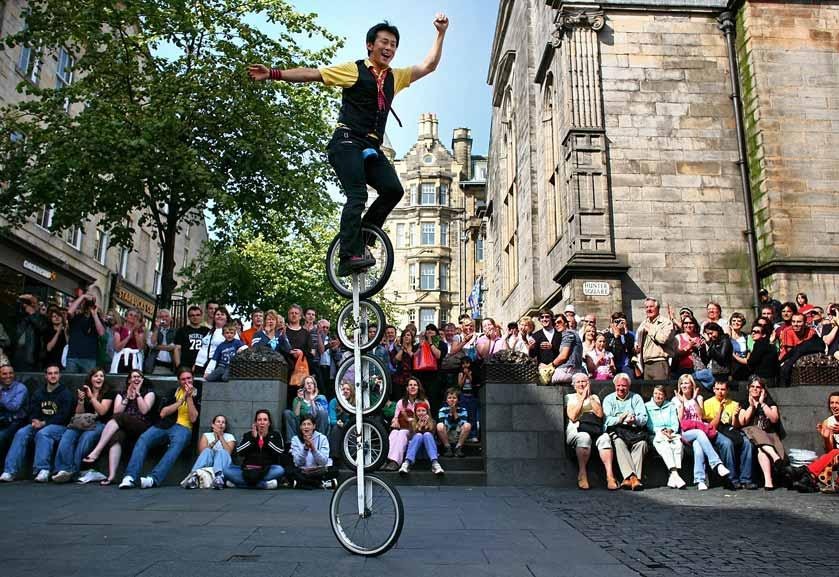
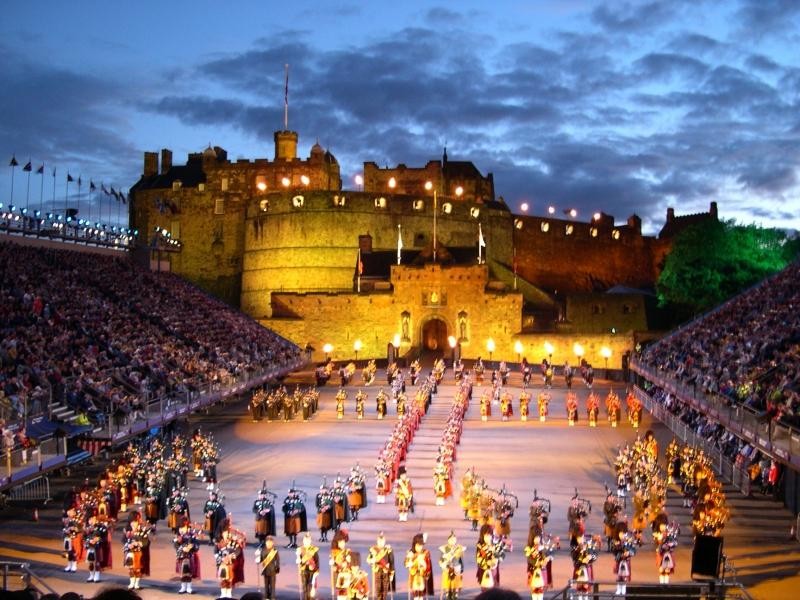
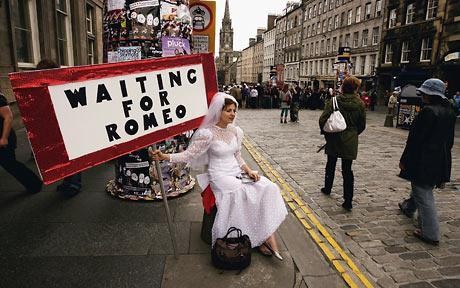
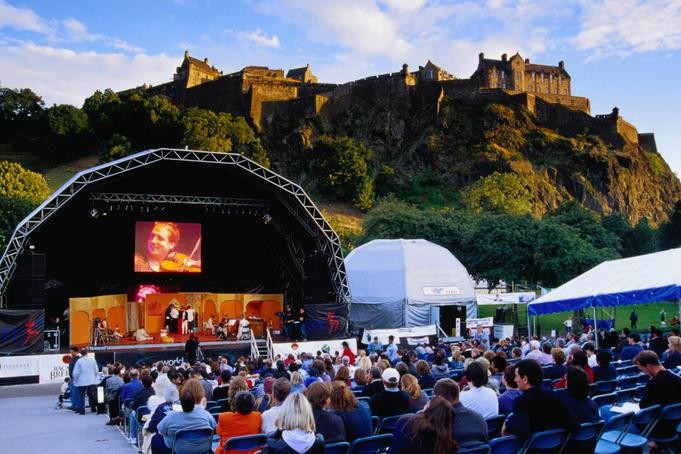
appreciate the city's majesty, Bridge before enjoying a scrumptious meal in the second- visit St. Joseph's Oratory, next largest Chinatown in North America. to Mont-Royal. This immense basilica crowns the skyline and provides an ideal vantage point. Zurich and Edinburgh Why go: Whether they're Why go: Renowned for swimming in Lake Zurich in the the Edinburgh summer or skiing down the Festival in August, this Scottish nearby Alps in the winter, city entertains guests year travelers find delight in Zurich. round. Set among steep hills Delectable pastry shops like Arthur's Seat, Edinburgh abound, as do museums and impresses visitors with its historic churches. Excellent historic sites along the Royal shops reside in Mile and its casual pub culture.
As of late 2006 there were over $100 billion in oil sands projects under construction or in the planning stages in northeastern Alberta. Another factor determining the viability of oil extraction from the Tar Sands is the price of oil. The oil price increases since 2003 have made it more than profitable to extract this oil, which in the past would give little profit or even a loss. Culture There are many summer festivals in the province of Alberta, especially in Edmonton. The Edmonton Fringe Festival is the world's second largest after Edinburgh's. The Folk music festivals in both Calgary and Edmonton are two of Canada's largest and both cities host a number of annual multicultural events. With a large number of summer and winter events, Edmonton prides itself as being the "Festival City". The city's "heritage days" festival sees the participation of over 70 ethnic groups. Edmonton's Churchill Square is home to a large number of the
Sydney Opera House's most prestigious and majestic space. It delivers outstanding acoustics derived from its high vaulted ceiling and white birch timber and brush box panelling. Extraordinary venues call for incredible performances, which is why the elegant Concert Hall is a natural home to the Sydney Symphony, Australian Chamber Orchestra and Sydney Philharmonia Choirs. It's also a prime location for screenings, spoken-word performances and large-scale events, the Sydney Festival being just one example. JOAN SUTHERLAND THEATRE is a proscenium arch lyric theatre with an orchestra pit. The traditional theatre seating is made of white birch timber with red woollen upholstery, and the stage boasts an impressive and extensive fly system and flexible staging, creating a state- of-the-art experience for performers, crews and audiences alike. Up to 70 musicians can be accommodated in the orchestra pit, which supports both intimate vocals and large-scale musical renditions
been used a storehouse for gunpowder and weapons, and as a prison. Now it's home to the Estonian Maritime Museum, which provides a detailed look at the nation's seafaring past. Visitors should be sure to climb up to its rooftop viewing platform to get a lovely view of Old Town and the bay. http://www.tourism.tallinn.ee/eng/fpage/explore/attractions/old_town #!p_174824 Song Celebrations and Song Festival traditions Song Celebrations and Song Festival traditions are among the best known trademarks of Estonia. No wonder, as the scale of our Song festivals is unique in the world. Once every five years, the Estonian song festival grounds (Lauluväljak in Tallinn) are filled with folk costumes and smiling people. Imagine tens of thousands of singers forming one huge choir and hundreds of thousands of people sitting on the grass to hear traditional choir
3. Is the average size of British households rising or falling? 4. How many adults in Britain live on their own? 5. What percentage of British households have a colour television set: 45%, 82% or 97%? 1. 26% 2. 67% 3. Falling. It has nearly halved in the last 80 years 4. 14% of adults live alone 5. 97% The arts 1. Where is the world's biggest annual international arts festival held? 2. How many British authors have received the Nobel Prize for literature: 9, 15 or 22? 3. Which theatre in London, where Shakespeare performed, has been reconstructed near its original site? 4. Which British film is the country's most successful in financial terms? 5. What percentage of the population go to the cinema in Britain each week? 1. Edinburgh 2. 9 (name some) 3. The Globe Theatre (which is situated on the South Bank of Thames near London Bridge)
Japanese festivals Japanese festivals are traditional festive occasions. Some festivals have their roots in Chinese festivals but have undergone dramatic changes as they mixed with local customs. Some are so different that they do not even remotely resemble the original festival despite sharing the same name and date. There are also various local festivals (e.g. Tobata Gion) that are mostly unknown outside a given prefecture. It is commonly said that you will always find a festival somewhere in Japan. Matsuri is the Japanese word for a festival or holiday. In Japan, festivals are usually sponsored by a local shrine or temple, though they can be secular. There is no specific matsuri days for all of Japan; dates vary from area to area, and even
 annaabi.ee


















Kõik kommentaarid