The traditional epics were shaped by a literary artist from historical and legendary materials which had developed in the oral traditions of his nation during a period of expansion and warfare" An epic is a lengthy narrative poem, ordinarily concerning a serious subject containing details of heroic deeds and events significant to a culture or nation. Nonetheless, epics have been written down at least since the works of Virgil, Dante Alighieri, and John Milton. Many probably would not have survived if not written down. The first epics are known as primary, or original, epics. One such epic is the Old English story Beowulf. Epic Conventions, or characteristics common to both types include: 1. The hero is a figure of great national or even cosmic importance, usually the ideal man of his culture. He often has superhuman or divine traits
In this work, Dante introduces his invention of the terza rima, or three-line stanza as well as himself as a character. The Inferno is the first of three parts of Dante's epic poem, The Divine Comedy, which depicts an imaginary journey through Hell, Purgatory, and Paradise. Dante is the hero, who loses his way in the "dark woods" and journeys to nine regions arranged around the wall of a huge funnel in nine concentric circles representing Hell. He is led by the ghost of Virgil, the Roman poet, who has come to rescue Dante from the dark forest and lead him through the realms of the afterlife. The first circle they enter is Limbo, which consists of heathen and the unbaptized, who led decent lives. The second through the fifth circles are for the lustful, gluttonous, prodigal, and wrathful. The sixth circle is where heretics are punished. The seventh circle is devoted to the punishment of violence. The eighth is devoted to those guilty of
LOUVRE 1190-1528 Philippe Auguste kindlus kõrgete müüride, 10 torni, vallikraavi ja bastionitega Grosse Tour 14. saj keskel hakkab Pariis kasvama, puhkeb 100-aastane sõda Etienne Marcel õhutab looma kaitsevalle Raymond du Temple kujundab kuninglikku residentsi Pärast Charles VI surma on loss 1527. aastani unustuses, kuni Francois I otsustab sellest teha oma residentsi Click to edit Master text styles Second level Third level Fourth level Fifth level Keskaegne Louvre 1546-1610 Läänetiib lammutatakse, asemele tulevad renessanssistiilis hooned (Pierre Lescot, Jean Goujon) Ulatuslikud ümber- ja juurdehitused 1564. aastal tellib Catherine de Medicis Tuileries palee rajamise (arhitekt Philibert Delorme) 1566. aastal alustab Charles IX Tuileries'd ja Louvre'it ühendava Petite galerii ehitamist ...
Characteristics of romantic nature poetry: · Genuine pleasure found in the natural world · Inspiration · Morality · Health (opposed to smoky industrial urban scenes) · Natural and pure: children and animals Some authors: Wordsworth, Coleridge, Byron, Shelly, Keats, Burns, Southey, Cowper, and Thomson. Predecessors: Theocritus Greek pastoral poet, whose Idylls are set in Arcadia, Virgil, Horace, Spenser, Milton's The Garden of Eden from the Paradise Lost. Influences: 7. G.G. Byron major works: 1806 Hours of Idleness 1809 English Bards and Scotch Reviewers 1813-1818 Childe Harold's Pilgrimage a partly autobiographical narrative poem that describes the travels and reflections of a world-weary young man who, disillusioned with a life of pleasure and revelry, looks for distraction in
He makes my spirits rant and wander of That rushing out they call1 My Lady, begging her to grant me grace. This happens every time she sees me and I am humbled more than you'll believe. See lõpetamata luuletus on Vita Nuova keskel, enne neid luuletusi,mis olid tema armastuse kasvust ja pärast neid luuletusi, milles ta jõuab arusaamani, et surnus Beatrice on isegi suurem armastus mis viib ta hinge uude ellu taeva nägemuses. Petrarca. Kirjutas kõige detailse Laura kirjelduse Virgil käsikirjas, kuhu ta pani vaid oma lähedaste surmasid kirja:" Laura... esimest kogda ilmus minu silmis mu noorises, aastal 1327, aprilli kuuendal päeval St Clare in Avignon kirikus ning samas linnas ja samuti kuuendal aprilli päeval samal ajal, vaid 1348 aastal ta elu oli kadunud päevavalguses." Petrarca Rime koosneb 267 armastusluulest , kud peamiseks teemaks ei ole Laura, vaid armastatava meel.
For the change of sexual passion into a cult of an idealized woman the warrior had to undergo a cultural transformation. This became possible when he was taken to the king or a great nobleman's court. The courts were run by well-educated clerics who spread the idea of courtier manners and morals. The virtues prized were: no boasting, gentleness, friendliness, moderation, temperate moods. In this times literature and culture of ancient Rome was paid much attention. The works of Virgil, Horace, and Ovid were read, students studied them. Trained in the classics, but in touch with the aspirations and realities of medieval society, the clerks created the chivalric romance of love-new attitude to women. Before, the chansons that were written about war bands had ignored relationships between sexes. The chivalric romance of lobe is influenced by works of Ovid, the favourite Latin poet in the MA
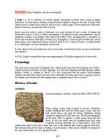
Etymologiae (VI.13): "A codex is composed of many books; a book is of one scroll. It is called codex by way of metaphor from the trunks (codex) of trees or vines, as if it were a wooden stock, because it contains in itself a multitude of books, as it were of branches." Middle Ages Manuscripts Folio 14 recto of the 5th century Vergilius Romanus contains an author portrait of Virgil. Note the bookcase (capsa), reading stand and the text written without word spacing in rustic capitals. The fall of the Roman Empire in the 5th century A.D. saw the decline of the culture of ancient Rome. Papyrus became difficult to obtain due to lack of contact with Egypt, and parchment,
Another option: Miltonic blank verse. Dramatic change in prose style, sought concision and clarity (John Locke’s writings). Analogy for new style mathematics. Former complexity (typical to the Restoration wits and scholars) gave way to more factual prose. Simple positive style, exact reflection of the new scientific and rational outlook of the Enlightenment. Vernacular literature. More people went to school. Imitation of classical models (Homer, Cicero, Virgil, Horace). In verse, tight heroic couplet, in prose essay and satire predominant forms. Qualities of order, clarity, and stylistic decorum. Represented in Pope’s Essay on Criticism. Insist that nature is the true model and standard for writing. Nature for Augustans: a rational and comprehensive moral order in the universe. 20. The Grand Tour and its impact on British culture 18th C theme: transference of the classical tradition from the seat of its Latin origins, Italy, to the island of
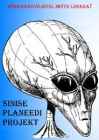
kaasa kohese katkestuse. Nad peavad süsteemi uuesti seadistama ning "su pea sodiks laskma" kui nad su kätte saavad! ¾ Dulce linn Dulce ümber olevas piirkonnas on loomade vigastamistest palju rapor- teeritud. Valitsus ja tulnukad kasutasid loomi keskkonna testideks, psühholoogiliseks sõjaks inimeste vastu jne. Tulnukad tahtsid ka suurtes kogustes orgaanilist materjali geneetiliseks uurimistööks, toitumiseks ning teistel põhjustel. Virgil Armstrong hüüdnimega Posty kirjeldab oma raamatus "ET and UFOs, They need us, we don't need them" (Maavälised ja UFO-d, nemad vajavad meid, meie ei vaja neid), kuidas tema sõbrad Bob ja Sharon peatusid üheks ööks Dulce linnas ning läksid välja õhtustama. Nad kuulsid pealt kohalike elanike avatud ning häälekat vestlust, kus arutati maaväliste (Extra- Terrestrial) poolt linnas elavate inimeste röövimist eksperimenteerimise eesmärkidel.
of studies on the effects of (a) school desegregation and (b) cooperative learning in the classroom? 4. Suppose you wanted the person sitting next to you in class to like you more. Using the factors discussed in this chapter, describe how you would arrange your next en- counter to accomplish your goal. 5. How does the photograph that opens this chapter reflect the topic of the chapter? CHAPTER Authority Directed Deference Follow an expert. -Virgil 174 AUTHORITY SUPPOSE WHILE LEAFING THROUGH YOUR LOCAL NEWSPAPER, you notice an ad for volunteers to take part in a "study of memory" being done in the psychology department of a nearby university. Suppose further that, finding the idea of such an experiment intriguing, you contact the director of the study, Pro- fessor Stanley Milgram, and make arrangements to participate in an hour-long ses- sion
 annaabi.ee